
Movie Review: "The Testament of Ann Lee" is a Hypnotic Historical Musical of Religious Persecution and Inspiration


Currently playing in select theaters, the new musical historical drama The Testament of Ann Lee was released by the Disney-owned Searchlight Pictures. Below are my thoughts on this film.
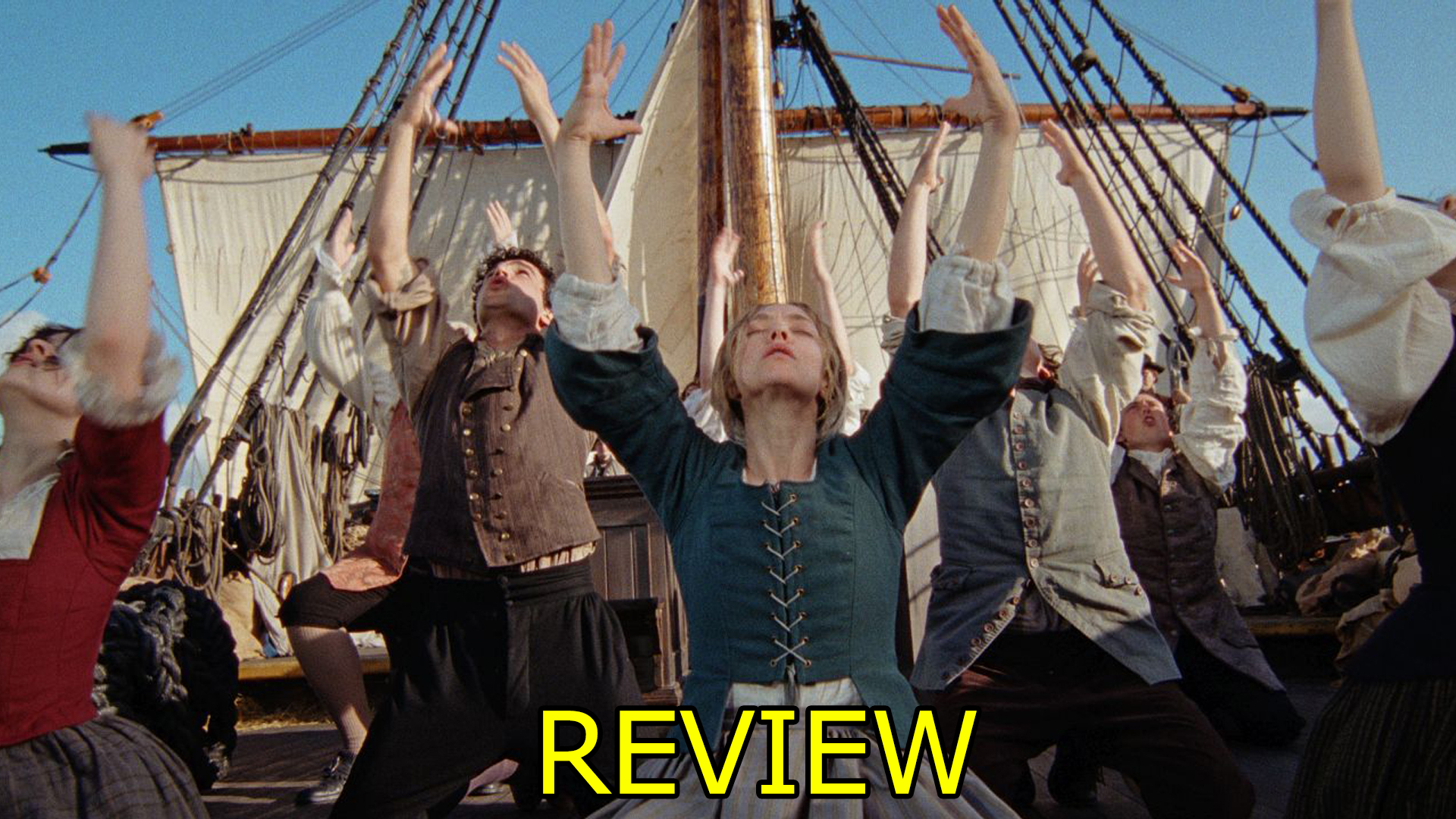
I have to confess I did not know much about the real-life historical figure of Ann Lee before The Testament of Ann Lee was acquired by Searchlight, though I do remember learning about the Quakers and the Shakers in a high school history class. This movie was directed by Mona Fastvold (The World to Come) and cowritten by Fastvold alongside her partner Brady Corbet, whose period drama The Brutalist (also written by the couple as a duo) was nominated for Best Picture at the Academy Awards for 2024. And beyond serving as a biopic of Lee, The Testament of Ann Lee is also a musical, putting to wonderful use the songs of the Shakers themselves, as interpreted by composer Daniel Blumberg (also from The Brutalist and The World to Come).
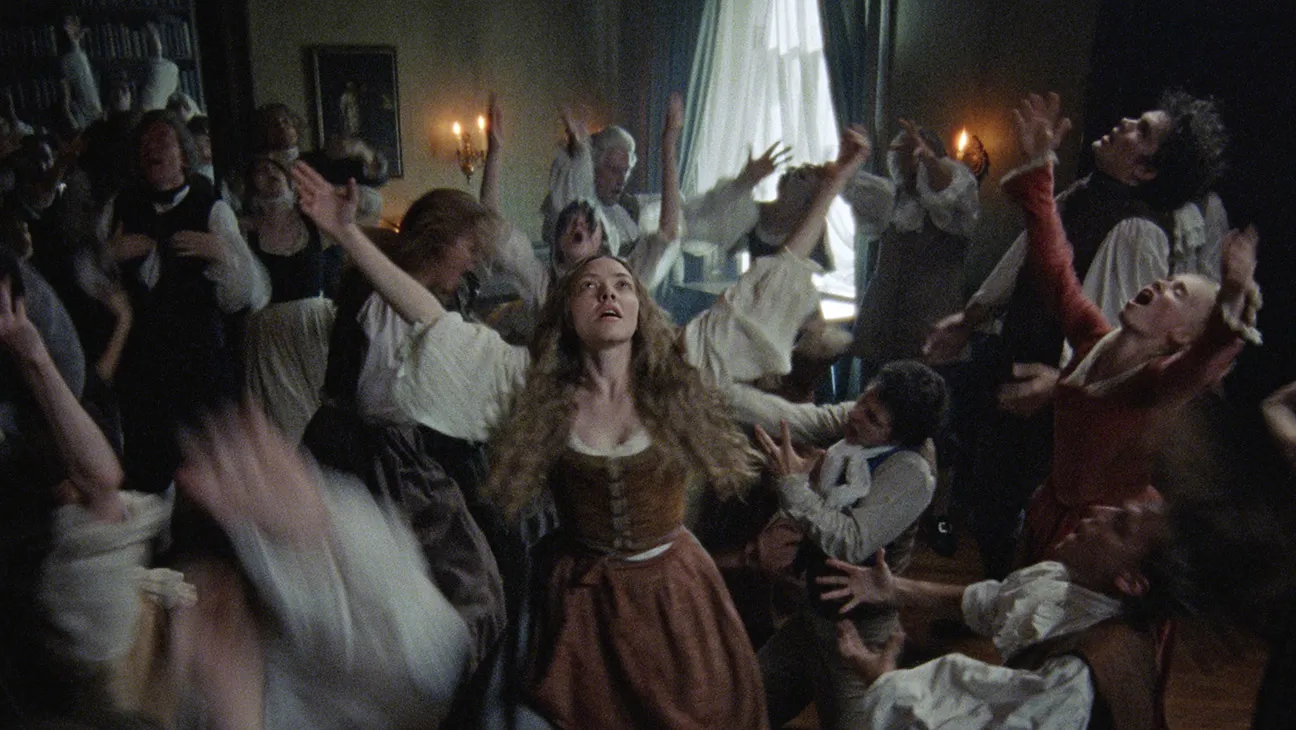
For those like me who were unfamiliar with Ann Lee's story, she was essentially a prophet of the Shaker faither, which preexisted her joining, though she became its leader (known as Mother Ann) as its disciples fled religious persecution in England and journeyed overseas to the Colonies in 1774, where they settled in upstate New York just a couple years before the American Revolution kicked off. Here Ann is portrayed magnetically by Amanda Seyfried (Les Misérables), who anchors the movie with an entrancing, reassuring performance. Other characters inspired by true-life figures include Ann's steadfast brother William Lee (Thunderbolts* star Lewis Pullman), a follower named Mary Partington (Thomasin McKenzie from Jojo Rabbit) who also functions as the story's haunting narrator, and Lee's frustrated husband Abraham Standerin (Poor Things cast member Christopher Abbott). Supporting roles include Matthew Beard (The Imitation Game) as Lee's second-in-command James Whittaker, Viola Prettejohn (The Crown) as Ann's younger sister Nancy Lee, and Tim Blake Nelson (Captain America: Brave New World) as Pastor Reuben Wright, who joins the Shakers after the settling of their community in New York.
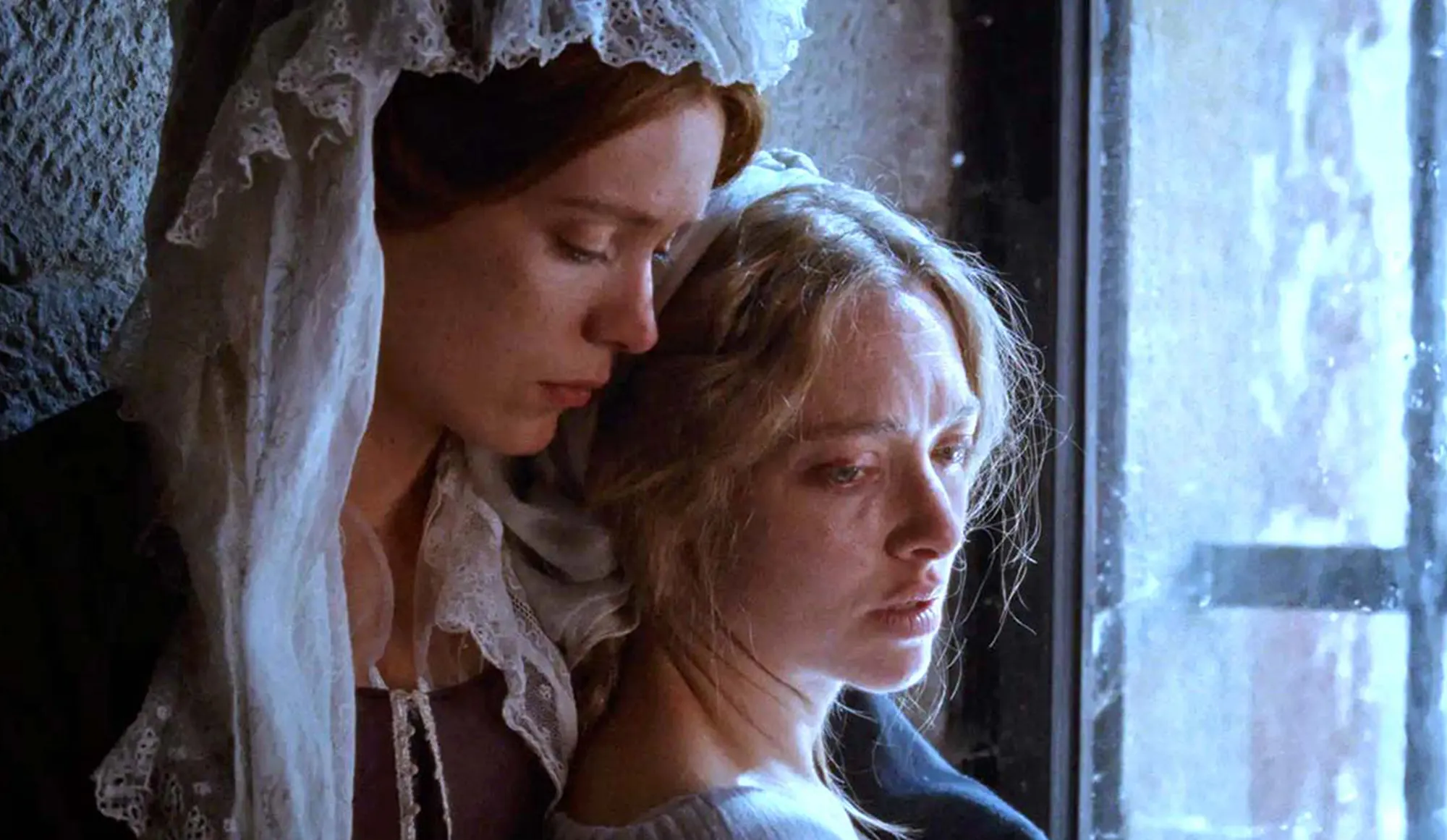
The history presented here is an interesting one, and absolutely made me want to read more about the true story behind the Shakers and their movement. But the centerpiece of the movie is the musical aspect, with hypnotic songs like "Hunger and Thirst" and "All Is Summer" effortlessly forging an emotional connection between the audience and the characters on screen. The cast is up for the challenge, but I appreciated that the musical numbers were staged in a down-to-Earth, naturalistic manner that-- with the exception of Ann's occasional divine visions-- are by and large believable and appropriate for the period, even if they may not be wholly historically accurate. Along the same lines, I would say that The Testament of Ann Lee worked best for me when its events were depicted matter-of-factly, without passing judgment either way on the titular figure or her acolytes.
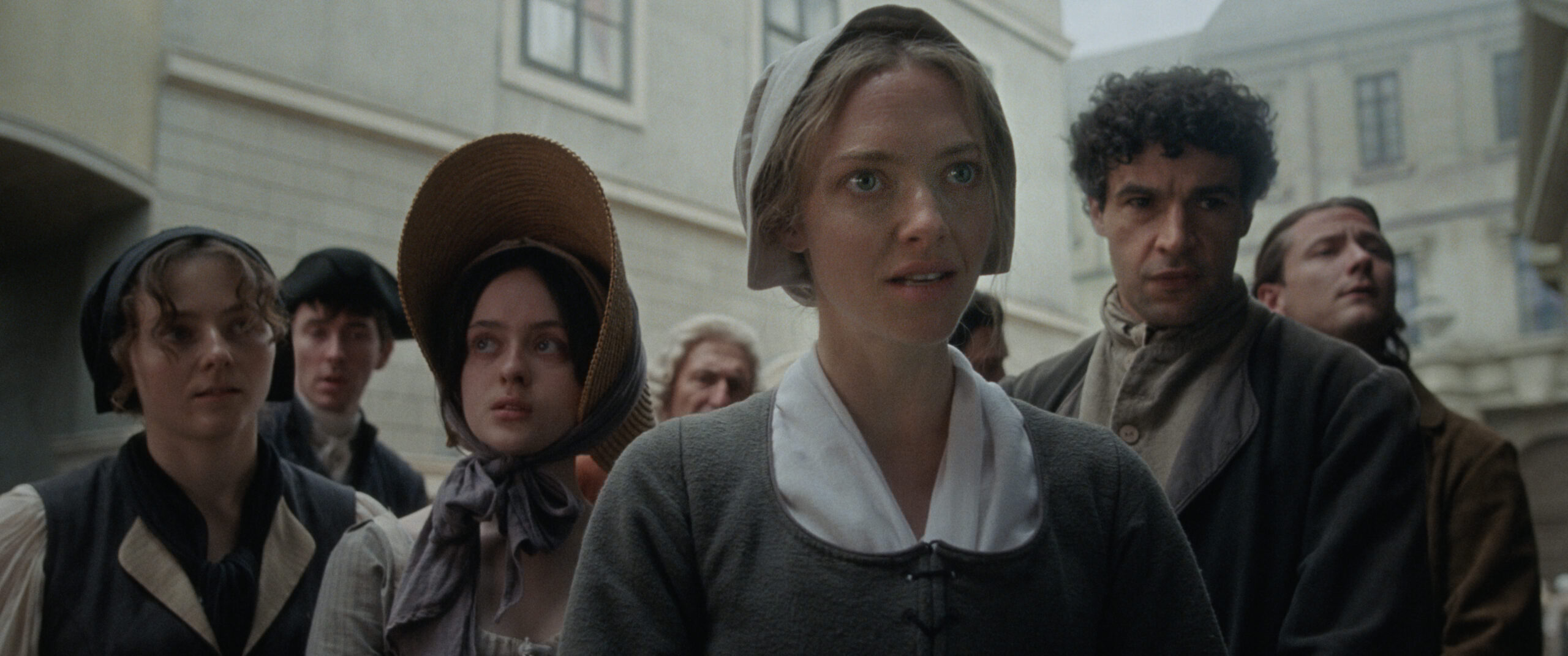
Where I began to struggle a little bit with the movie was when it sought to lionize Ann Lee via minor acts of basic humanitarianism, such as decrying slavery or her people getting along relatively well with neighboring natives, unlike other groups who colonized the Americas. That's all well and good, but I was left with the feeling that by its conclusion the movie wanted me to think of Ann as a faultless person worthy of glorification, and I had to keep reminding myself that she was essentially a cult leader who literally believed (or claimed to believe) herself to be the second coming of Christ. Obviously I don't believe she deserved to be imprisoned or assaulted for her beliefs, but based on the information delivered in the film, it's difficult to ignore-- despite her troubled youth-- that she was also guilty of forcing her own practices and self-imposed chastity on her adherents with threats of excommunication for those who did not go along with her rules.
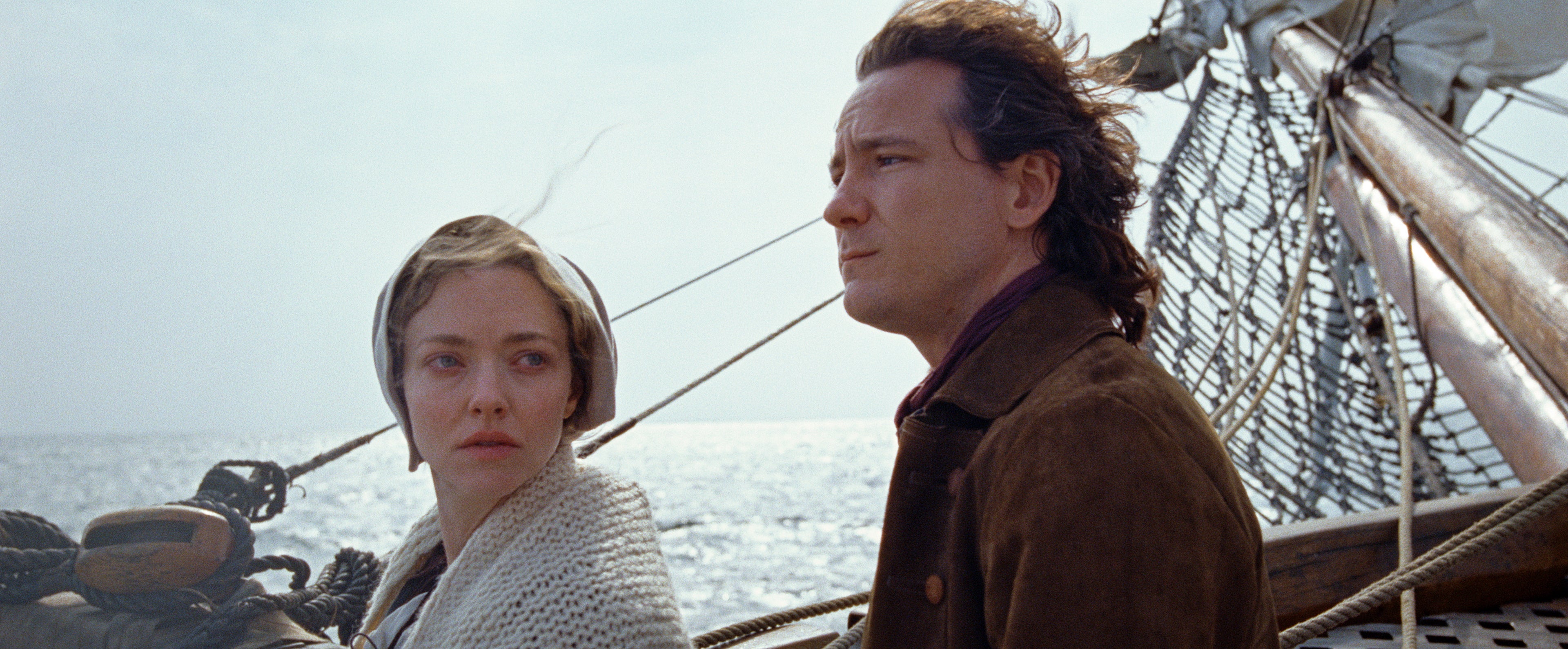
Of course it's not at all uncommon for biopics to bend the truth a bit in order to portray their subjects in more flattering lights, but I think I would have walked away from The Testament of Ann Lee with more admiration for the filmmaker's skilled approach if it hadn't tipped the scales toward benevolence on Lee's behalf. There are reasons this particular sect of Christianity didn't last very long, after all-- the end credits inform us that there are exactly two practicing Shakers left in the entire world, though at the belief's peak there were only ever an estimated 4,000. Anyway, getting back to the stuff I liked, I would say this movie is definitely worth seeing for the music, the dance, and the performances. As a side note, the imagery (shot on 35mm film stock) looked nice projected on a 70mm print at the screening that I attended, but as a former projectionist I believe the bulb's brightness needed to be turned up a little in order to match what I've seen in the movie's trailer. That's a slight error on the exhibition end, and I imagine the film looks even nicer under the right circumstances. With all that said, it makes sense that there's so much awards-season buzz around The Testament of Ann Lee already.
The Testament of Ann Lee is now playing in select theaters.
My grade: 3 1/2 out of 5 Shaking Quakers.