
The First 100 Days: Josh D'Amaro's CEO Tenure So Far


Josh D'Amaro has just completed his first 100 days as CEO of The Walt Disney Company. In politics, the first 100 days of a presidency have become an almost ceremonial milestone, with commentators eagerly grading a new administration's performance. It is, admittedly, an arbitrary benchmark, but it can still provide insight into a leader's priorities. With that in mind, it seems only fair to apply the same admittedly imperfect exercise to Disney's newest CEO.
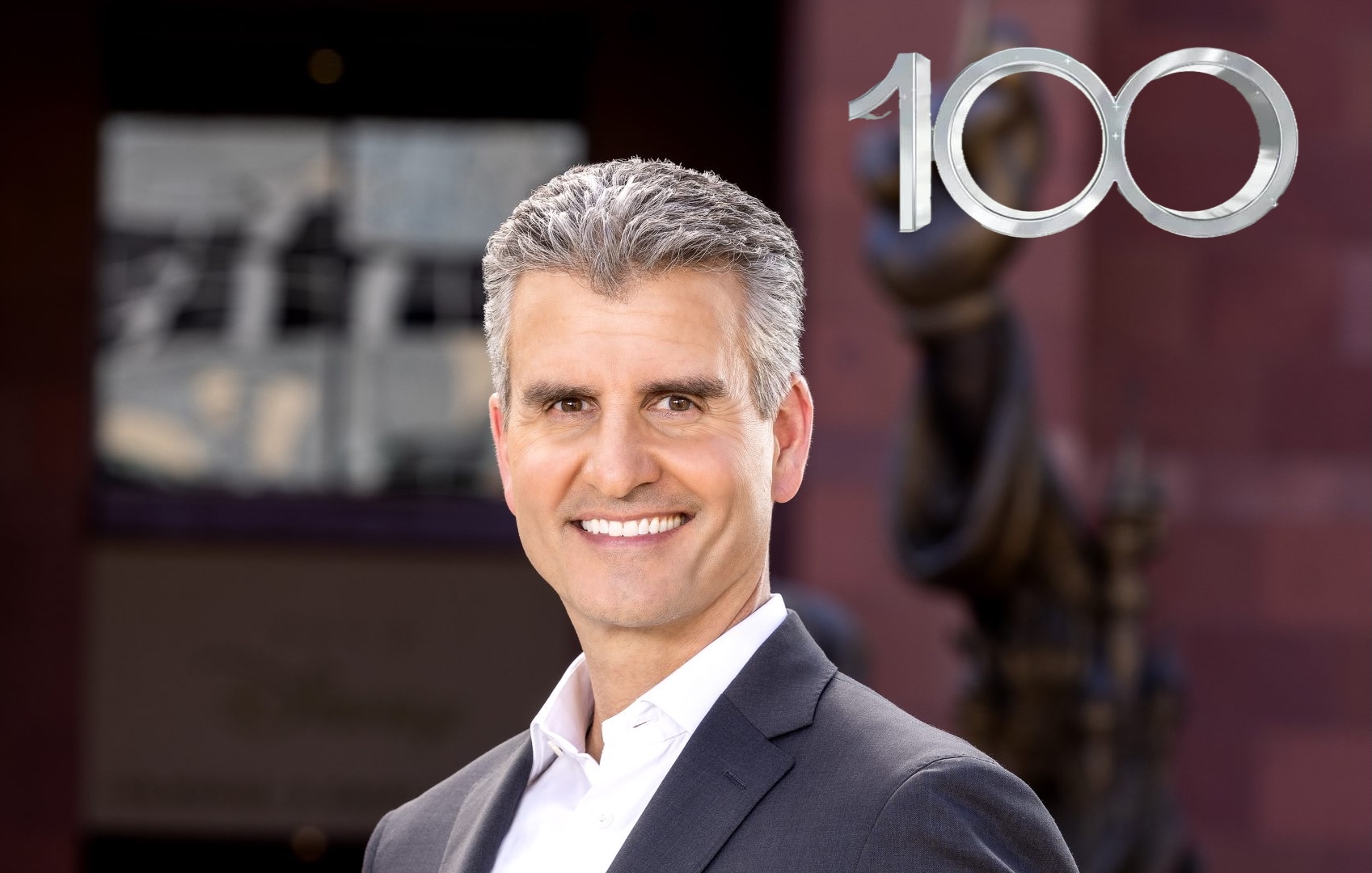
Of course, 100 days is a remarkably short amount of time in the Disney business. Animated films take years to produce. Theme park attractions can spend half a decade or more moving from blue-sky concepts to opening day. Cruise ships are planned years before they ever welcome their first guests. Measuring accomplishments after only three months would be unfair. What can be measured, however, is the foundation a CEO is laying, the people they surround themselves with, the values they emphasize, and the culture they are trying to create.
One of the most noticeable aspects of Josh D'Amaro's first 100 days has been what he has not done. Unlike Disney's previous CEO transition, D'Amaro has largely resisted the temptation to dramatically reshape the company's leadership. While Disney announced successors for both his former Experiences role and Dana Walden's television responsibilities, those positions were filled by longtime Disney executives rather than outsiders.
Thomas Mazloum, who now oversees Disney Experiences, first joined the company in 1998. Debra O'Connell has been with Disney for more than 25 years before assuming oversight of Disney Entertainment Television. New Chief Communications Officer Paul Roeder likewise brings a quarter century of Disney experience to the role. The message is unmistakable. D'Amaro appears to believe Disney's future is best guided by people who already understand the company's culture, history, and unique relationship with its audience.
That continuity does not mean standing still. During the same period, Disney continued workforce reductions as part of its ongoing effort to streamline operations. Those decisions are never easy, particularly for the talented cast members and employees whose careers have helped shape the company. Yet D'Amaro seems committed to making Disney operate more efficiently, reducing duplication across divisions, breaking down organizational silos, and directing more resources toward future growth. If "One Disney" is to become more than a slogan, it will require difficult organizational changes alongside creative collaboration. However, it can’t be denied that those departing Disney will be missed, while their work will always play a part in the company’s foundation.
Perhaps the biggest difference Disney fans have noticed is D'Amaro himself. Even after getting his new role, he remains remarkably visible, being the most accessible CEO in company history. Guests continue to encounter him walking Disney parks, talking with cast members, and interacting with fans. While the entourage surrounding him has understandably grown, his accessibility has not disappeared. It is an approach that feels authentic because it mirrors the leadership style he demonstrated long before moving into the CEO's office.
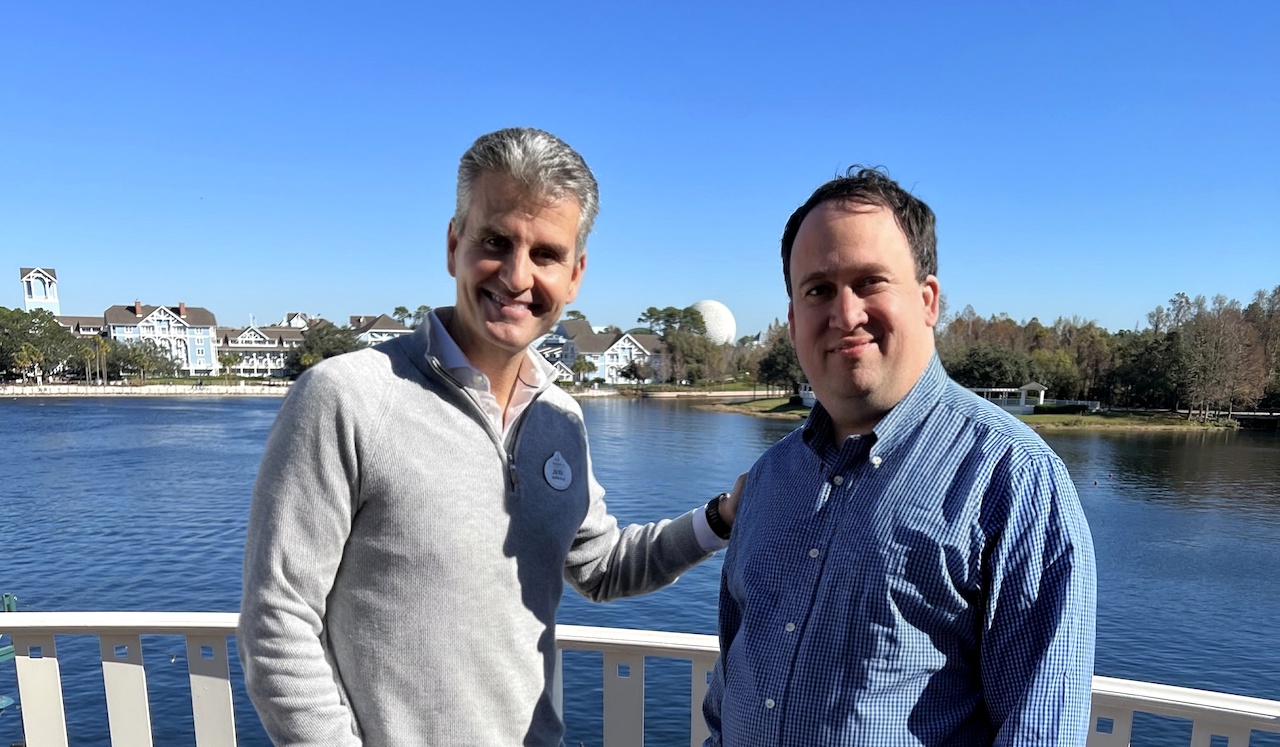
That connection with fans is more than symbolic. During his first earnings call as CEO, D'Amaro referenced "fans" 27 times. Whether discussing Disney Parks, ESPN, Marvel, Pixar, Disney Cruise Line, or comic books, he consistently framed Disney's mission around serving passionate audiences rather than simply maximizing quarterly results. It reinforces a belief he has expressed repeatedly: Disney's greatest competitive advantage is the emotional relationship it has with its fans.
That philosophy also reflects D'Amaro's belief that Disney occupies what he likes to call a "category of one." Disney is not simply another media company, another streaming service, or another theme park operator. It is all of those things simultaneously, connected by storytelling and fandom in ways no competitor can replicate. All of this work happens within the context of the emotional connection Disney’s banners have with their audience. That understanding may prove to be one of the defining characteristics of his leadership.
It also means occasionally resisting conventional Wall Street wisdom. Investors have repeatedly suggested spinning off ESPN to unlock shareholder value, an idea D'Amaro has already pushed back against. His reasoning appears consistent with the broader One Disney strategy. ESPN is not merely a television network. It is part of an ecosystem that includes streaming, experiences, consumer products, advertising, and fan engagement. Breaking that apart might create a short-term financial headline, but it could weaken the long-term strategic advantages that come from Disney's interconnected businesses.
The successes Disney has enjoyed during D'Amaro's first 100 days, including the strong reception for new Walt Disney World attractions and the impressive box office performance of Toy Story 5 deserve celebration. At the same time, it would be unfair to credit or criticize him for projects that were already years into development before he became CEO. His true fingerprints will not fully emerge until the projects conceived under his leadership begin reaching audiences.
There are still important questions waiting to be answered. How will Disney restore momentum to Star Wars? Where will the company make its next major capital investments beyond the current Experiences expansion? How will the One Disney philosophy evolve from an organizational structure into something guests can actually experience? Those answers will define D'Amaro's legacy far more than anything accomplished during his first three months.
The comparison with Bob Iger's first months as CEO is an interesting one. Iger wasted little time making transformative moves. On Day 115, Disney announced its acquisition of Pixar. Just 16 days later, on Day 131, Disney revealed it had regained the rights to Oswald the Lucky Rabbit. Those decisions immediately signaled both where Disney was headed creatively and how Iger intended to lead. While D'Amaro still has a few weeks to match Iger’s timeline, perhaps that should not be the goal.
Every CEO inherits a different company at a different moment in history. In 2005, Disney needed bold acquisitions to reignite its creative engine. In 2026, Disney may need something different: operational excellence, organizational unity, and a renewed focus on the fans who make the company unlike any other. There will almost certainly come a day when Josh D'Amaro must make a transformative decision, one that reshapes Disney in the way Snow White and the Seven Dwarfs, Disneyland, or Disney Cruise Line once did. Great leaders know that those moments cannot be forced simply to satisfy an arbitrary milestone.
After 100 days, I would call Josh D'Amaro's tenure an encouraging start. More importantly, I think the exercise itself reminds us that the first 100 days are not really about measuring accomplishments. They are about identifying direction. If the next 100 days, and every 100 days after that, continue building a stronger, more unified Disney that puts storytelling and fans at the center of every decision, then this arbitrary milestone will have been worth examining after all.