
Bluey Goes 3D: Everything We Learned About "The Bluey Movie" at D23


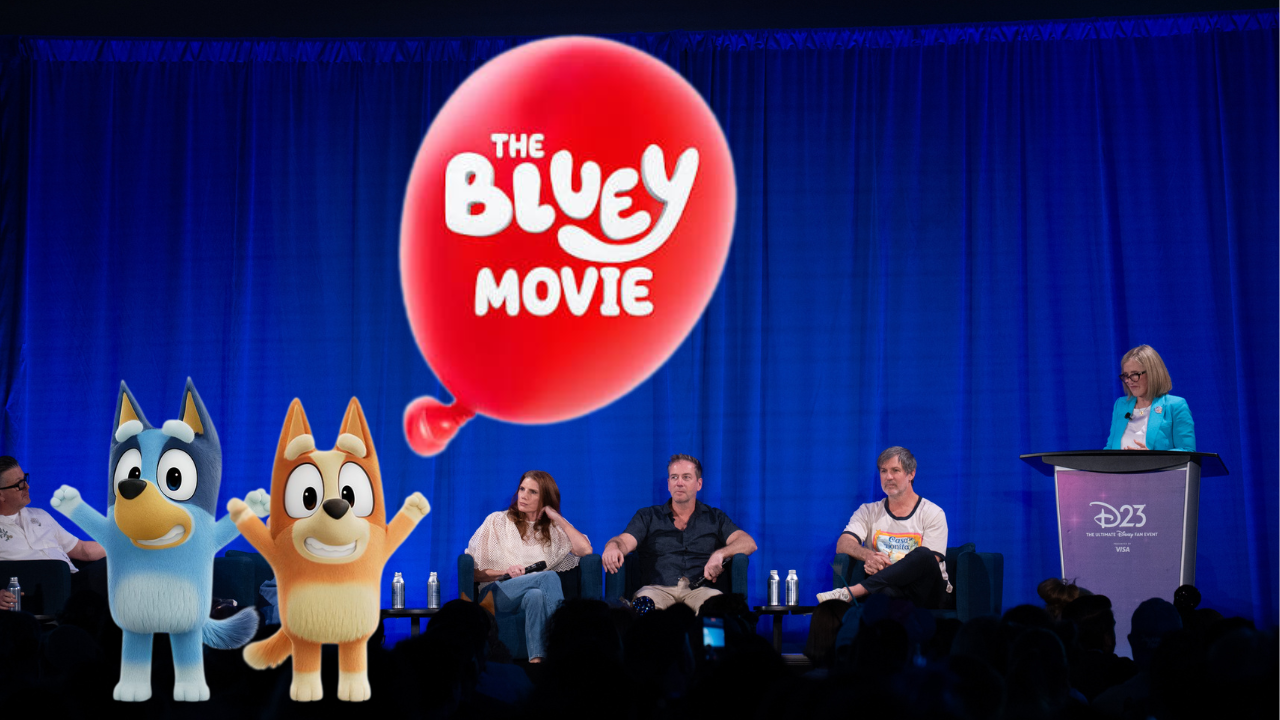
Conceived to entertain 4-year-olds and 40-year-olds alike, Bluey has been an international sensation since 2019, and her world gets bigger next summer with The Bluey Movie. A teaser trailer debuted at D23: The Ultimate Fan Event, which not only gave a first look at Bluey’s first big-screen adventure, but also broke the news that the film is taking on a computer-animated design. On the heels of the teaser debut, Bluey creator and director Joe Brumm was joined by his co-director Richard Jeffery and producer Amber Naismith for a panel moderated by Nancy Cartwright (voice of Bart on The Simpsons) for a panel called “Bluey: From the Backyard to the Big Screen.” Here’s everything we learned about next summer’s big-screen Bluey experience.
A Kid's-Eye View
Richard Jeffery (series director/movie co-director) explained that the series shows Bluey's world as we see it. The vision for the film is a little different: Bluey’s world as she sees it. That approach is what guides the camera work throughout the film, with shots pushed down low with the Heeler kids, staying at their eye level as they tear around the backyard on what creator Joe Brumm has long called "the best day ever." Jeffery described it as a way to put the audience inside the pack rather than watching it from above, something that could only be achieved by breaking the series’ flat 2D world.
Why Computer Animation
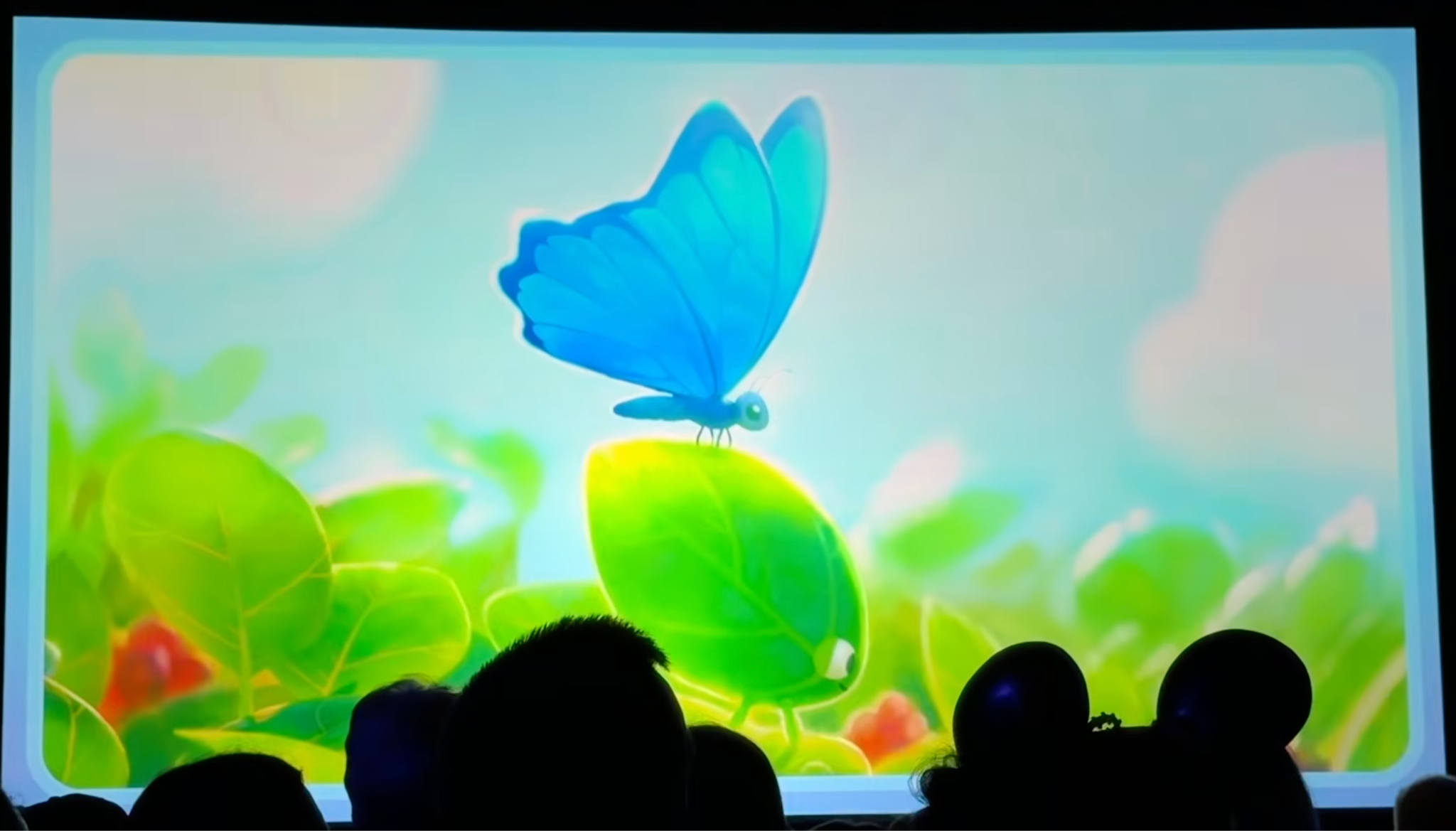
The shift in visual approach for the film made it clear to the directors that the flat 2D style of the series would need to be abandoned for Bluey’s big-screen outing. Jeffery revealed that he and Brumm had been kicking the question around long before there was even an official greenlight, debating whether a Bluey film should stay in 2D, get a glossier 2D upgrade, or jump to 3D outright. In the end, the CG medium felt right, and it’s what attracted producer Amber Naismith to the project, who had to play catch-up by binge-watching the series.
Joe Brumm's Origin Story With CG
The very first short film Joe Brumm ever made, in his third year of art college, was in 3D, animated in the same software used on Jurassic Park, right around the moment Toy Story hit theaters. He described the experience as formative enough that he thought, for a while, he'd become a 3D animator for life. Instead, his career went in the other direction, into hand-drawn 2D work, which is where Bluey itself was born. But when it came time to figure out how to bring the show to the big screen, Brumm said the choice barely felt like a decision at all; more like circling back to where his animation instincts started.
Redesigning Dogs Who Were Never Built to Turn Their Heads
Committing to 3D meant confronting a problem baked into the character designs from day one. Naismith explained that the Heelers, as designed, are essentially "a fridge with legs." They have no necks. In 2D, that was never an issue, since the show could rely on a handful of fixed angles (front, three-quarter, side) and simply cut between them. That safety net disappears entirely in 3D. There's no cheating an angle when the camera can move anywhere around a character, so the team had to re-engineer how the dogs' bodies taper and bend while keeping every silhouette instantly recognizable as the characters audiences already know.
Fur, Fingerprints, and a Few New Body Parts
If the redesign was the hard part, the texture work was where the format's advantages became obvious. Naismith rattled off the kind of detail that simply wasn't available to the flat series; individual fur, fingerprints smudged on door handles and windowpanes, floorboards worn down in the Heeler house from years of foot traffic. She noted the characters needed an anatomical addition the show never required: butts. Small ones, she specified, but butts nonetheless. It's a silly aside, but it's also a good shorthand for the whole project; every new dimension of realism the format allows had to be reconciled with a design built to be simple.
Solving the Heeler House, Once and for All
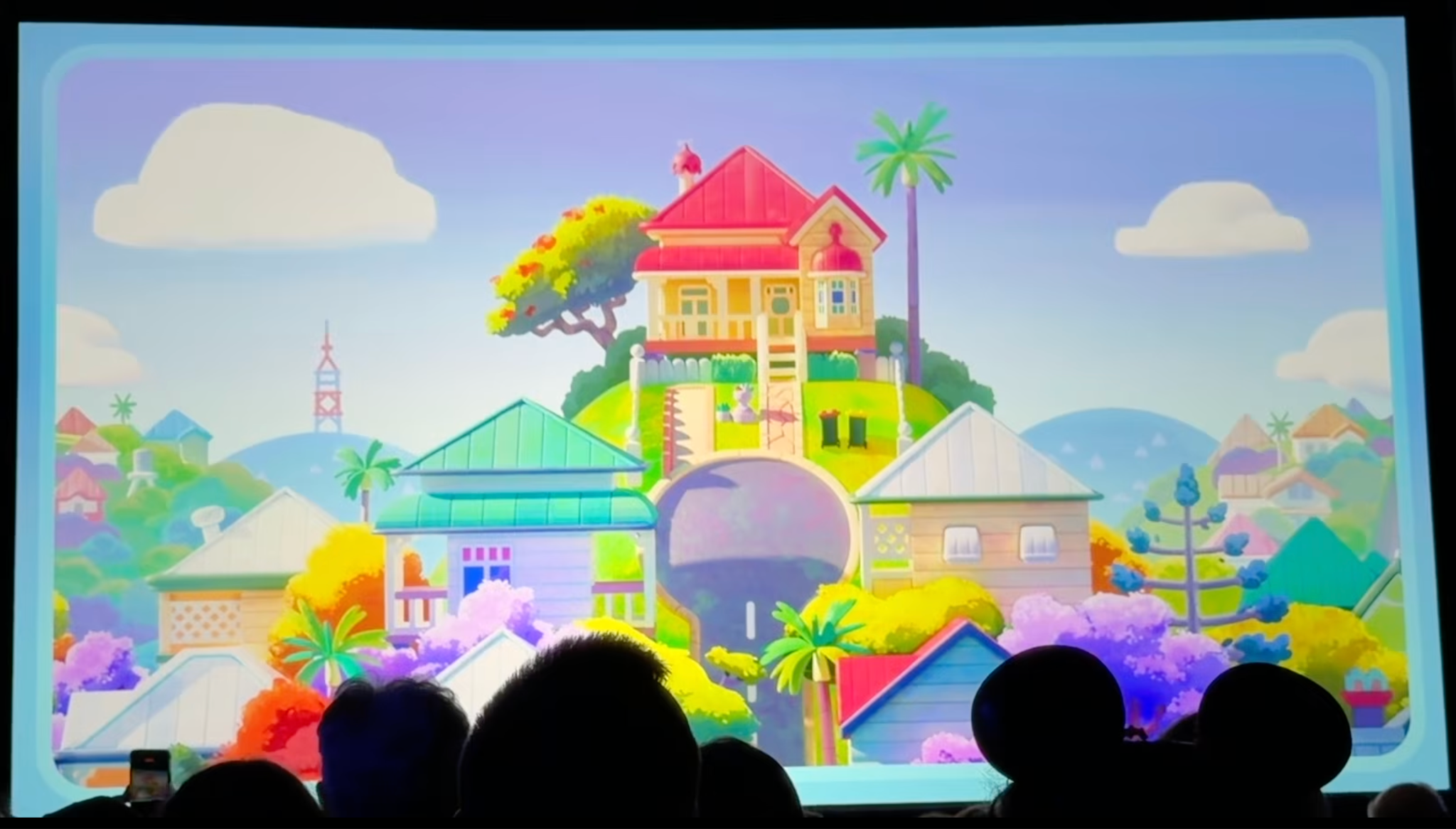
Brumm and Jeffery admitted that the layout of the Heeler House never made architectural sense in the series. The front of the house reads as a single story, but the back somehow has two. Some rooms were added for story reasons, like the laundry room and garage, and nobody on the crew knows exactly where they go. In 2D, that inconsistency was invisible, since no shot ever had to reconcile one room with the next. Building the film in 3D took that luxury away. Jeffery said he spent part of pre-production building the house as a three-dimensional floor plan, working alongside Brumm to ensure every room's placement aligned with what was needed in the script. It wasn't always painless. Jeffery recalled Brumm circling back mid-process to ask, "Isn't the balcony facing the other way? I thought that looked out to Wendy's house.”
How Amber Naismith Ended Up Producing the Movie
Naismith's own path onto the project started far from Brisbane. She was living and working in Los Angeles at a major studio when she got a call from Brumm about the film. She went home that night, watched all three seasons of Bluey in a single weekend, and, by her own account, cried through most of it. That was enough to convince her. As an Australian herself, she said she felt something close to an obligation to come home and help make it, with Bluey having become a show that's set the bar for Australian content on the world stage.
What Joe Brumm Wants Audiences to Feel
Asked what he hopes audiences take away from the finished film, Brumm described a single row in a movie theater: a four-year-old in one seat, looking down the row to see siblings, then parents, then maybe an aunt in her early twenties, then grandparents at the far end, all of them locked into the same story at the same time. For some kids in that row, he said, it might be their very first movie. His hope isn't just that they love The Bluey Movie specifically, but that the experience makes them fall in love with movies in general.
The Rest of the Panel
Only about a quarter of “Bluey: From the Backyard to the Big Screen” focused on the upcoming feature film. The majority of the conversation centered around the show’s origins and philosophy, artistic style, and even a conversation with two of the voice actors: Melanie Zanetti (Chilli) and David McCormack (Bandit). You can experience the full conversation on the Laughing Place YouTube channel.
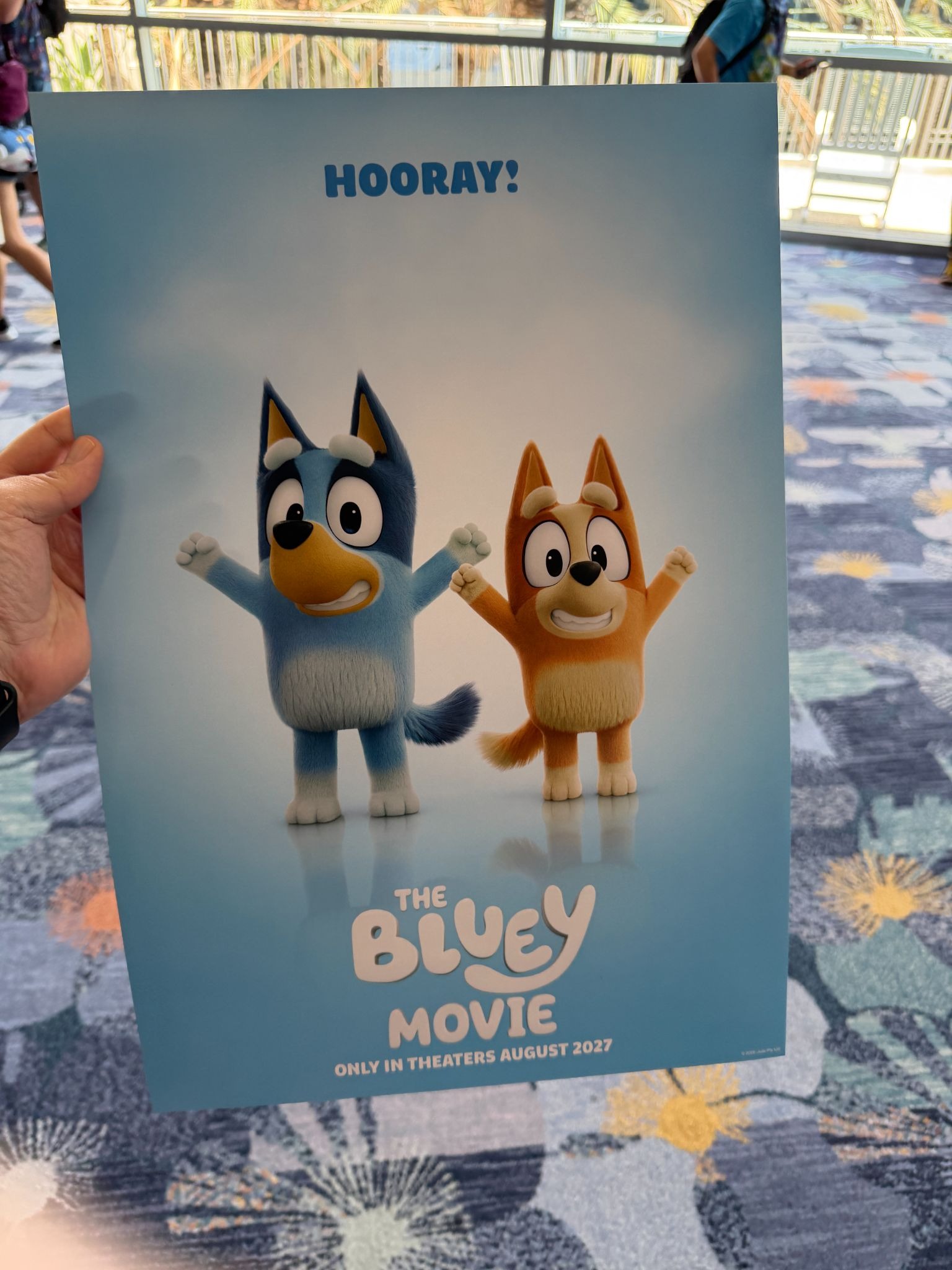
The Bluey Movie is coming to theaters on August 6th, 2027.