
Review: "Chad Powers" Season 2 Manages to Avoid a Sophomore Slump


In my review of the first season of Chad Powers, I called the show predictable but addictive. I am happy to report that while it remains nearly impossible to stop watching in its second season, the series has also elevated its storytelling in both the comedy and drama departments. They took a good show and made it a great one, and I couldn’t be happier that Chad Powers has avoided becoming the victim of a sophomore slump.
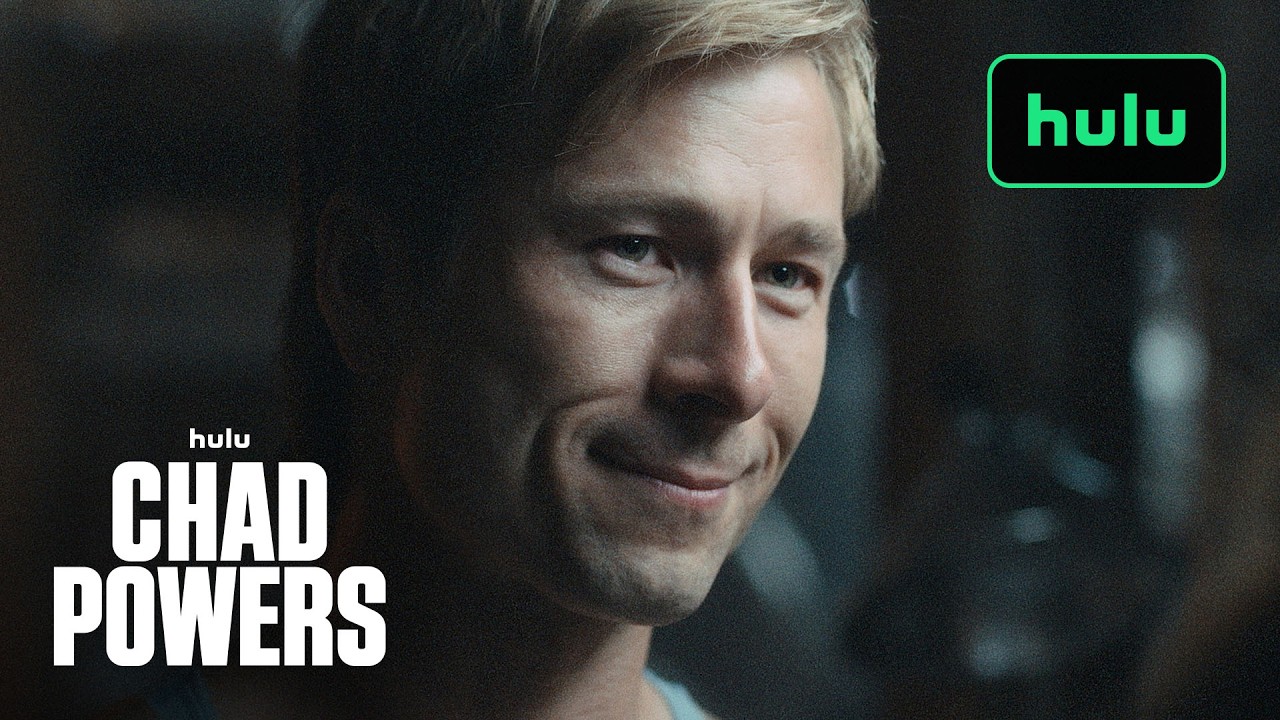
The first season had the relatively straightforward task of establishing its wonderfully ridiculous premise: a washed-out athlete adopts an elaborate new persona in an attempt to earn a second chance at college football glory. Season 2 gets to explore something potentially much more interesting: What happens when a lie that was never supposed to last this long becomes too big to easily undo?
That question gives the new season considerably more emotional complexity. Now that Perry Mattfeld’s Ricky Hudson is in on the secret, an already complicated relationship becomes even messier as the Chad Powers phenomenon grows far beyond anything Russ Holiday could have anticipated. Ricky’s relationship with Glen Powell’s Russ/Chad goes well beyond the standard will-they-or-won’t-they trope because there is so much more at stake than whether these two people have feelings for each other. She has to balance her personal feelings, her professional ambitions and the increasingly uncomfortable ethical implications of helping maintain a deception she never created in the first place.
Then there is her father, Jake Hudson, played by Steve Zahn, who remains completely in the dark. Ricky is forced to watch someone she loves invest himself emotionally and professionally in a person who does not actually exist, while knowing that revealing the truth could destroy everything they have built. It is a lot for the series to juggle without losing the inherent silliness of its premise, but the performances are strong enough that the situation begins to feel surprisingly real. At its best, Chad Powers actually makes you wonder how you would navigate this completely absurd situation yourself.
The relationship between Chad and the Hudsons provides much of the season’s emotional weight, but Season 2 wisely does not mistake increased dramatic complexity for a need to become more serious. In fact, the series has amped up the comedy considerably, particularly through Colton Ryan’s jilted quarterback Gerry and head booster Tricia, played by Wynn Everett.
Gerry’s descent into madness is delicious. Under different circumstances, it would be easy to sympathize with a player who believes he has been cheated out of his starting position. The show understands that and gives Gerry just enough justification for his anger before allowing his spectacularly poor handling of the situation to send him spiraling. That balance lets us continue rooting for Chad even though, objectively speaking, Gerry has some very legitimate reasons to be furious. Ryan commits completely to Gerry’s increasingly unhinged behavior, turning what could have been a conventional jealous-rival storyline into one of the funniest elements of the season.
Then there is Wynn Everett, who may have the season’s highest laughs-per-minute average as Tricia. Everett has a remarkable ability to deliver the show’s wonderfully ridiculous dialogue with such confidence that it sometimes takes a beat before you fully process just how funny what she said actually was. The writing gives her plenty to work with, but it is her delivery that makes Tricia such a standout. She never seems to be reaching for the joke, which somehow makes the joke land even harder.
That balance is ultimately what makes the second season such an improvement. Chad Powers has figured out that it does not have to choose between being a ridiculous comedy about an elaborate football disguise and a surprisingly thoughtful story about ambition, relationships and the consequences of deception. The absurdity makes the emotional moments more unexpected, while the genuine stakes make the comedy feel like more than a collection of jokes built around an admittedly hilarious premise.
Season 1 proved that the Chad Powers gimmick could sustain a television series. Season 2 proves that Chad Powers can grow beyond the gimmick.