
Disney's Reimagined Upfronts: A New Era of Content, Advertising, and Fandom


Back in the linear days of television, the big hubbub around the upfronts was the debut of the network fall schedule. It would be unfurled and touted to advertisers with the hope that they would invest in the shows prior to the season beginning. They would go day-by-day and discuss the new and returning shows and how they built a diverse yet cohesive schedule. Well, seeing as the schedule barely matters and there’s a de-emphasis in the traditional September to May TV season, there were thoughts that these big upfront presentations might be going away.
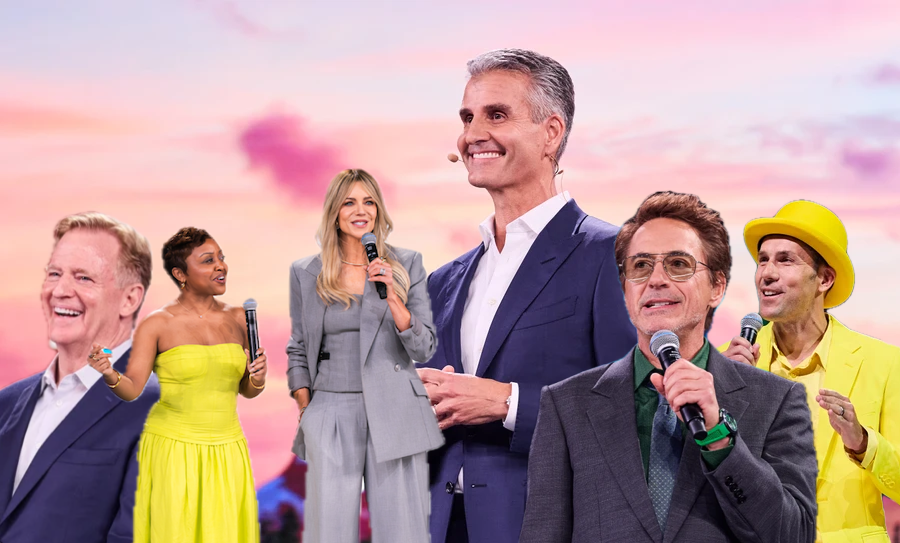
That did not happen. Instead, they just evolved. At Disney, they combined ABC and ESPN’s presentations into a Walt Disney Company presentation as they sell ads across the entire ecosystem.
At Disney, ABC and ESPN’s separate presentations were folded into a single Walt Disney Company showcase, reflecting the reality that Disney now sells advertising across its entire ecosystem rather than through isolated divisions.
In the streaming era, virtually every piece of entertainment Disney produces will ultimately exist in an ad-supported environment. That has transformed the upfronts from television-focused sales pitches into broad showcases for the company’s content machine, including major theatrical releases alongside traditional TV programming. In turn, they have become de facto Disney Entertainment showcases. But without the built-in structure of a primetime schedule to guide the presentation, these events can sometimes feel unfocused, with awkward transitions and a tendency to meander.
It is important to remember that the primary audience for the upfronts is advertisers and media buyers. But because of the spectacle, celebrity appearances, and announcements, fans inevitably pay attention as well, looking for clues about what Disney is prioritizing. While they don’t make the presentation publicly available, those following along might be perplexed on how the showcase was laid out. While fans are not the audience, if Disney is going to be selling advertisers on the power of fandom, perhaps they should make these experiences more engaging to fans.
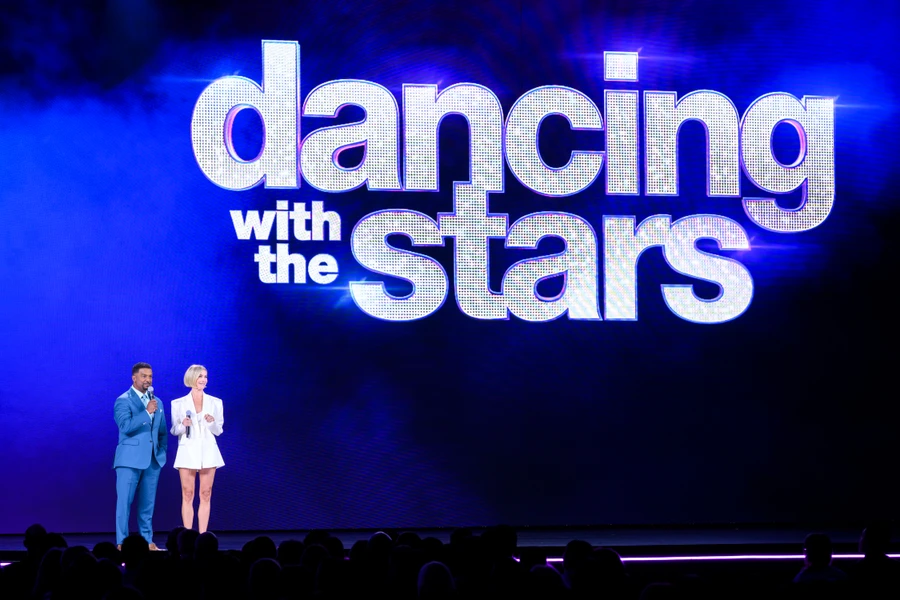
Despite that, the clearest story for The Walt Disney Company is live events, particularly the Super Bowl, which Disney is positioning as a massive cross-company effort. But that is only the beginning. Live programming remains one of the most valuable assets in advertising, and Disney’s portfolio is becoming increasingly formidable. ESPN already boasts an unmatched sports lineup, strengthened by its expanded NFL relationship. By 2027, Disney will also control both the Oscars and the Grammys, adding two of the most significant entertainment events on television. Then there are established unscripted franchises like American Idol and the revitalized Dancing with the Stars.
Beyond that, however, much of the presentation felt like a mishmash of disconnected content.
To be fair, Disney’s new leadership team is only beginning to shape the company’s broader creative direction. But today’s upfront presentation did not fully reflect the “One Disney” philosophy executives have been emphasizing in conversations with Wall Street and advertisers. That concept should mean more than simply putting recognizable Disney franchises on the same stage. “One Disney” should represent a unified creative vision, one that connects storytelling, brands, platforms, and fandoms into something cohesive and compelling. Done well, that kind of integration can be incredibly powerful. Done poorly, it risks feeling forced, inauthentic, and, frankly, cringe-inducing, which was too often the case in New York today.
Disney talked extensively about fandom during the presentation. In recent weeks, the company has repeatedly emphasized both “One Disney” and fan engagement in its messaging to investors and advertisers. But the one audience that has yet to truly hear that vision articulated is the fans themselves.
Perhaps that is intentional. If Disney is going to present a genuine vision for what a unified company can deliver to fans, it needs to do so thoughtfully and with care. Maybe D23 will be that moment.
It is encouraging to see Disney taking fandom seriously. The bigger question is what that actually means in practice — both in terms of content and experiences.
Time will tell.