
Frank Gehry Dies at 96: Visionary Behind L.A.’s Walt Disney Concert Hall


Frank Gehry didn’t just design buildings, he sculpted emotion in steel. And nowhere is that legacy felt more deeply than in the soaring, shimmering curves of the Walt Disney Concert Hall.
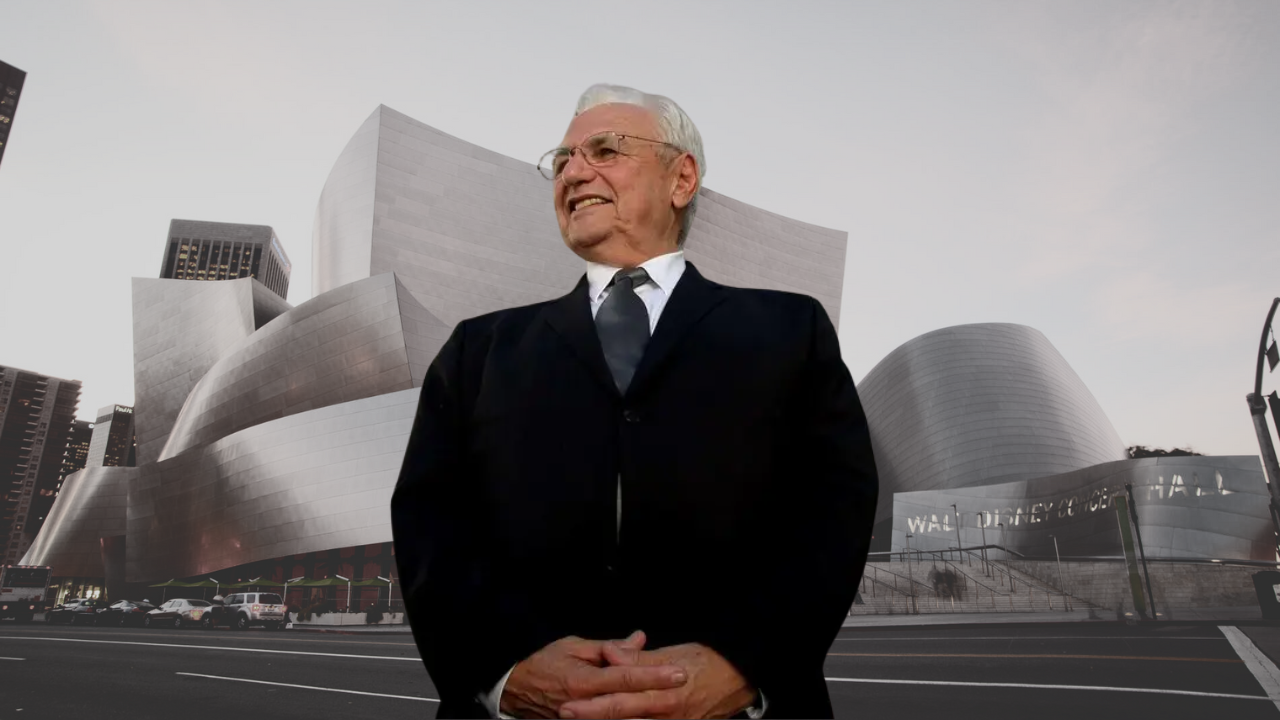
Frank O. Gehry, the visionary architect whose expressive, rule-breaking designs reshaped cities and redefined modern architecture, has died at 96. Known worldwide for the Guggenheim Museum Bilbao, Gehry was equally celebrated in Los Angeles for his iconic Walt Disney Concert Hall, an architectural landmark that helped cement L.A. as a global cultural capital. His death was confirmed by his chief of staff following a brief respiratory illness.
Gehry leaves behind one of the most influential bodies of work in American architecture structures that bent steel, software, and expectations into something entirely new. While his Guggenheim Museum Bilbao became an international phenomenon in 1997, sparking the so-called “Bilbao Effect,” Los Angeles remembers him most for the Walt Disney Concert Hall, completed in 2003.
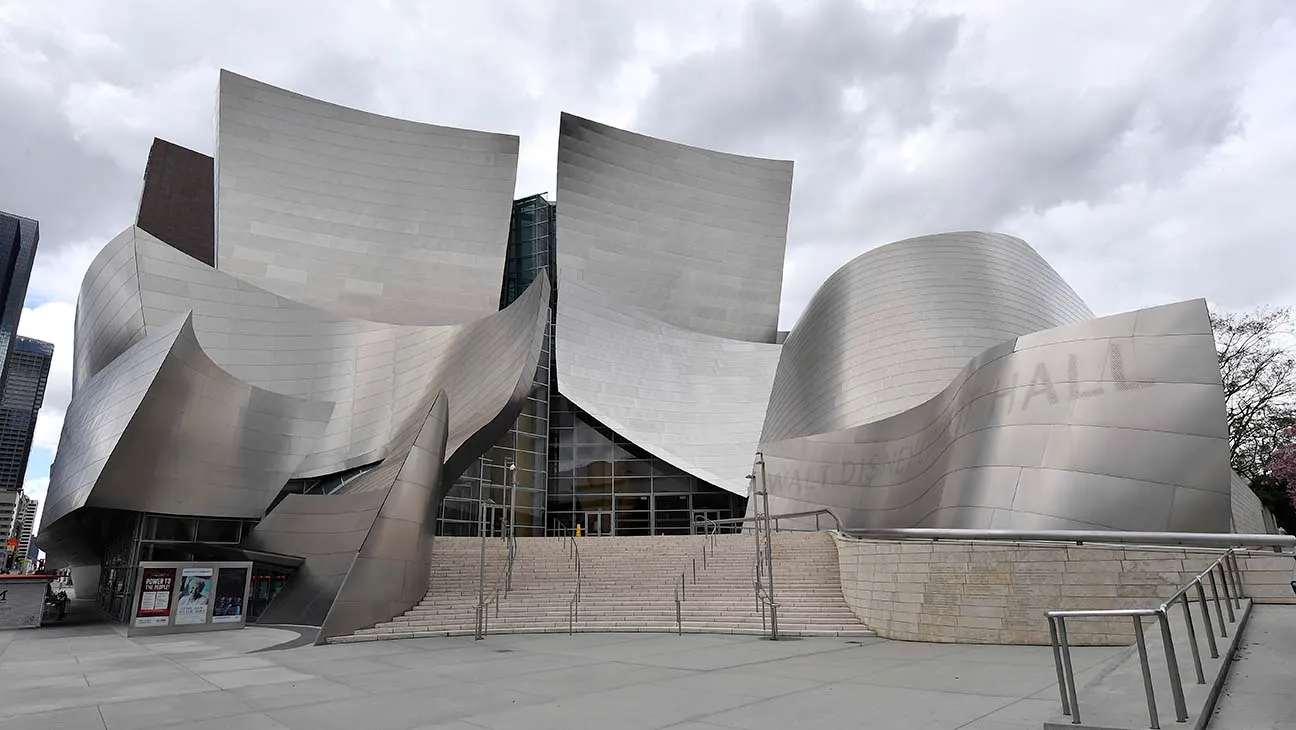
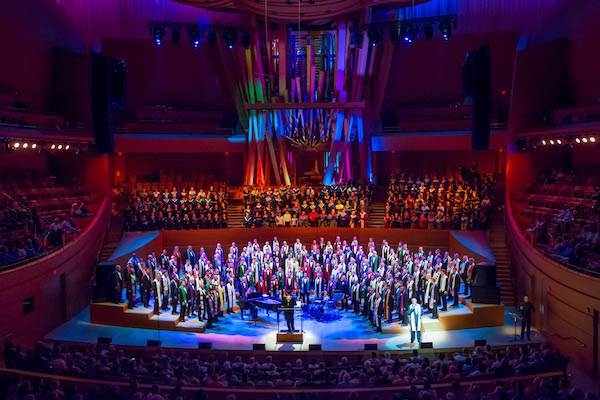
The Concert Hall, recognized instantly by its sweeping stainless-steel “sails”, is one of the defining cultural landmarks of modern Los Angeles. Its warm, cocoonlike interior, crafted with extraordinary attention to acoustics and intimacy, embodied Gehry’s belief that architecture should be both emotionally resonant and deeply democratic. For Gehry, the building was personal: it rose just miles from where his family lived after moving to Los Angeles in the 1940s.
Disney CEO Bob Iger also took to social media, sharing a wonderful tribute that also featured the Disney Concert Hall.
Though Gehry’s career spanned decades and continents, the themes that shaped Disney Concert Hall trace back to his beginnings. Born Frank Owen Goldberg in Toronto, he grew up surrounded by everyday materials in his grandfather’s hardware store, imagery that later influenced his unconventional use of metal, plywood, and chain link. After moving to L.A., Gehry found inspiration not in architectural formalism but in the raw studios and improvisational spirit of the city’s artists.
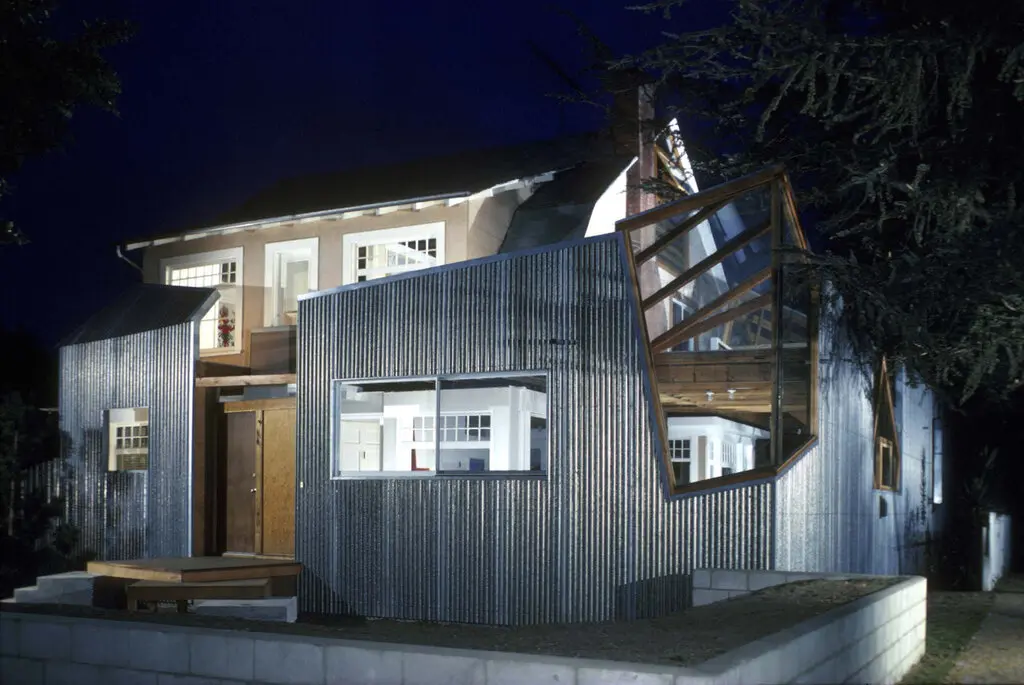
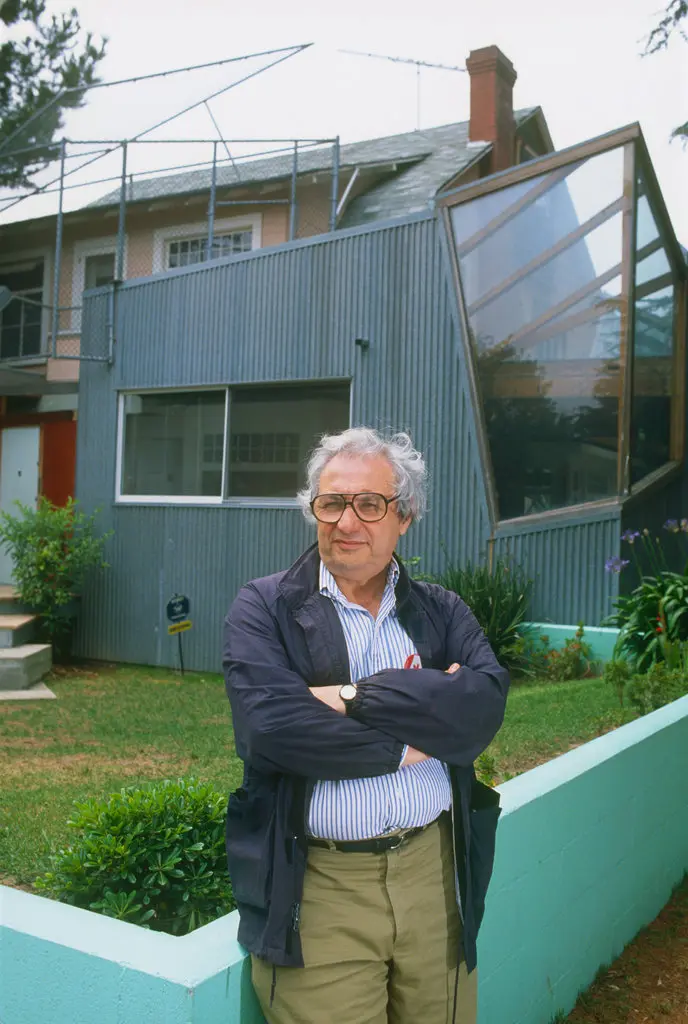
His 1978 Santa Monica house, his breakout moment, made waves for its intentionally rough, deconstructed skin. That rebellious spirit carried through his career, from the Vitra Design Museum to Prague’s Dancing House to his monumental public commissions. Yet it was the arrival of advanced computer modeling that unlocked Gehry’s most sculptural work. This technology enabled the fluid forms seen in Bilbao and perfected at Walt Disney Concert Hall, where light, motion, and sound converge in one of the most celebrated performance spaces in the world.
Even late in life, Gehry continued designing with the same restless creativity. He was working on several projects at the time of his death, including a new concert hall for the Colburn School, located just steps from the Disney Concert Hall that helped define his legacy.
“Architecture should make the world a better place,” Gehry once said. Few modern architects achieved that ideal as boldly or as beautifully.