
A D23 Panel Traced 75 Years of Disney Nature Storytelling from the True Life Adventures to Nat Geo's "Lion"


D23, the Ultimate Disney Fan Event, dedicated a panel this year to a partnership that predates the phrase “nature documentary” itself. “Disney & Nat Geo: Capturing the Wonder of Nature,” moderated by Disney Legend Joe Rohde, brought together Walt Disney Archives director Becky Cline, Disneynature and Disney Animation producer Roy Conli, and National Geographic cinematographer Sophie Darlington to trace how Disney and National Geographic have spent decades turning real animal behavior into narrative. The panel covered National Geographic's new four-part event series Lion and teased the next Disneynature film, Wolf.
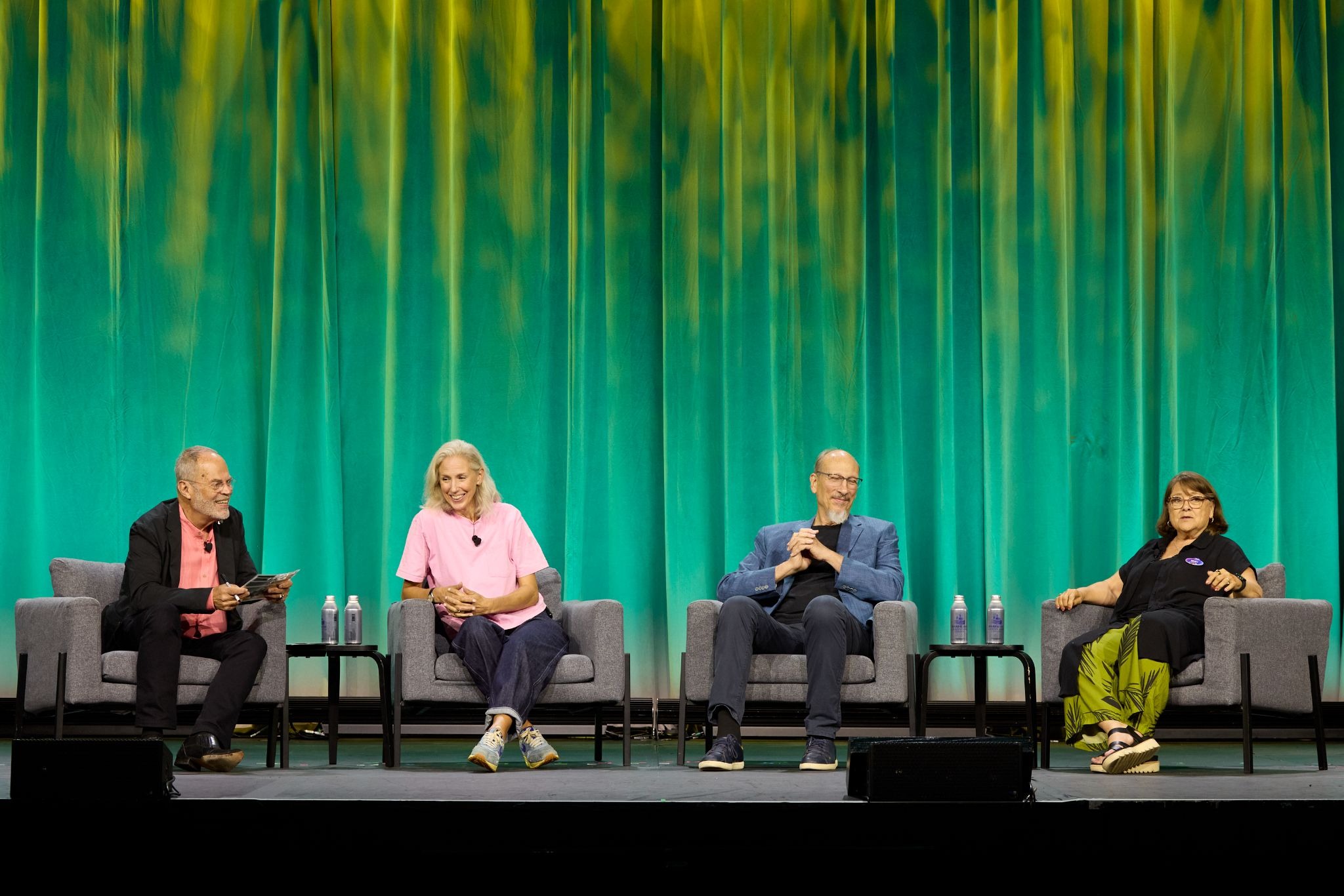
Walt Disney's fascination with the natural world began on his family's farm in Marceline, Missouri, where he was too young to work alongside his brothers and instead spent his time studying insects and farm animals in the grass, an early habit he later called “belly botany.” That curiosity followed him into adulthood. While developing Bambi in the late 1930s, Disney sent artist Jake Day into the Maine woods to gather reference footage of real forest life.
The project that became the True-Life Adventure series took shape a few years later. Around World War II, Disney set out to make an educational film about the Alaska Territory and hired married cinematographers Alfred and Elma Milotte to gather footage. Sent to the Pribilof Islands to document local wildlife and Inuit culture, the Milottes returned with striking footage of seals that so excited Disney that he shelved the original project and built a short film around it instead. That film, Seal Island, became the first True-Life Adventure.
Disney's distributor at the time, RKO, declined to release it, doubting audiences would turn out for a short documentary about animals. Disney arranged a qualifying run at a friend's theater in Pasadena instead, which made the film eligible for the Academy Awards. It won, and Disney went on to produce thirteen True-Life Adventures, eight of which won Oscars, effectively inventing the theatrical nature documentary as a genre.
That founding philosophy, letting real behavior dictate the narrative rather than scripting one in advance, is the throughline Darlington and Conli describe as still defining their work today. Darlington explained that the Lion production didn't write a story so much as follow one: the crew spent four years in Kenya's Maasai Mara tracking a pride and letting individual lions distinguish themselves through their own behavior, including the cub who would become the series' central figure. Conli described a similar dynamic on Disneynature's Born in China, where the planned focus on a mother-daughter golden snub-nosed monkey pair shifted once the production observed a son being pushed out of the family unit, a wrinkle the crew hadn't anticipated but built the story around once they saw it unfold.
It's the same method, transposed across eras, that produced Seal Island: Walt Disney didn't send the Milottes to Alaska with a script, he built one out of what they brought back. Lion pushes that approach further than any previous production of its kind. Four years in the making and filmed entirely in the Maasai Mara, it's the first natural history production to document a lion's complete journey from vulnerable cub to king, logging nearly 1,400 filming days across 52 separate shoots, the most time any production has spent following a single pride.
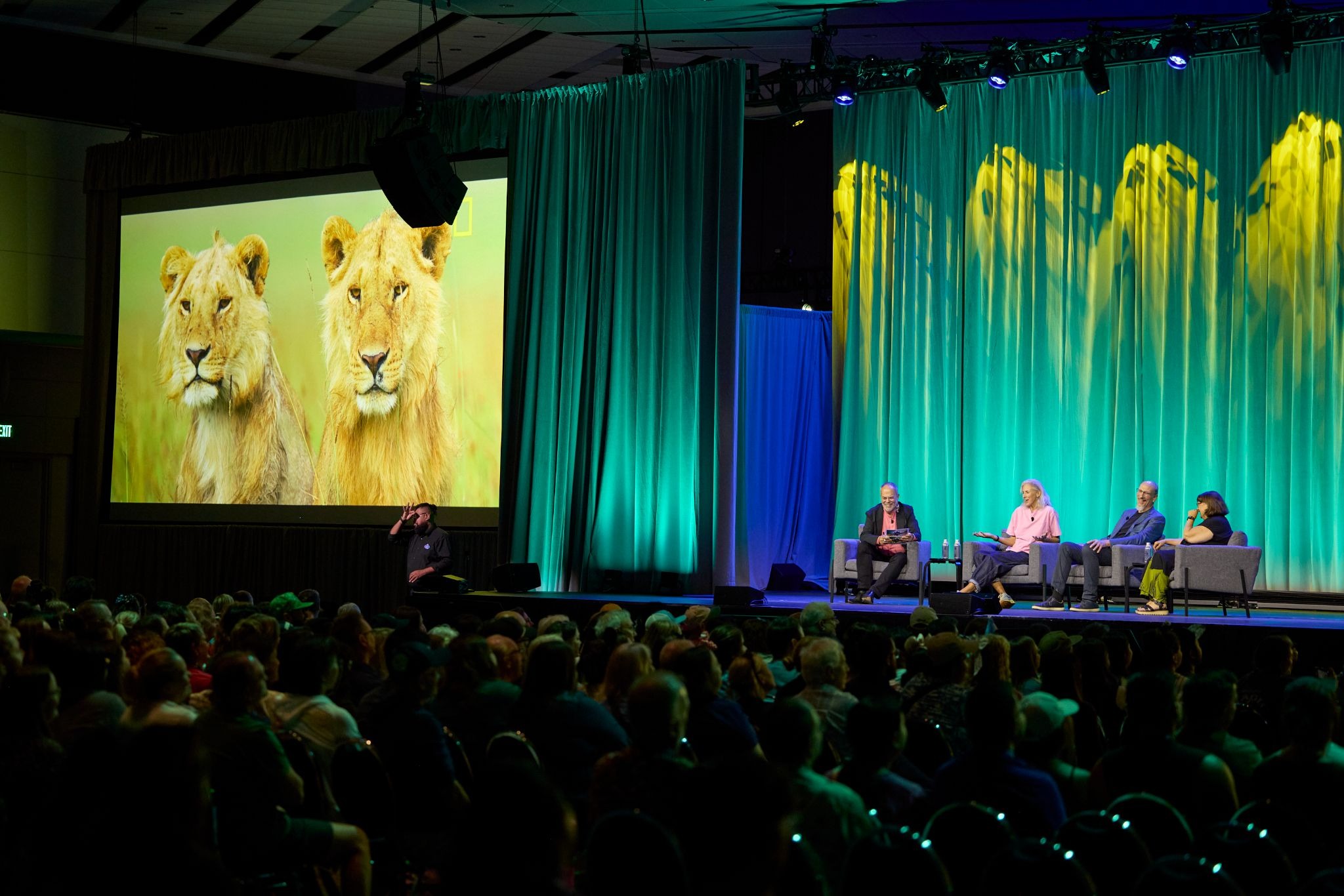
The panel also traced how dramatically the toolkit has changed while the underlying commitment hasn't. Walt Disney himself described the original True-Life Adventure approach in a 1954 Disneyland television segment as requiring “only cameras and courage” rather than elaborate expeditions. Cline detailed just how literally that held true: Alfred Milotte built his own underwater viewing platform out of scrap metal, cinematographer Tom McHugh filmed charging bison from underneath a buffalo hide, insect footage for Secrets of Life was shot from inside beekeeping suits, and the Milottes worked out of a custom-built mobile camera lab the crew nicknamed the “Wildlife Winnebago” during their African Lion shoot, the same production during which Elma Milotte was once stranded on a tree platform for hours during an elephant migration.
Modern productions trade improvisation for purpose-built technology, but the underlying persistence hasn't changed. Darlington described filming lions from specialized vehicles the pride grew accustomed to ignoring, close enough to capture intimate behavior without disturbing it. That same willingness to put in extraordinary field time defines Lion's production record: 52 shoots and nearly four years on the ground represent a level of sustained access no previous lion documentary has attempted.
The panel closed on one of the least-known parts of Walt Disney's legacy: he served for six years as honorary chairman of the National Wildlife Federation, producing public service announcements on clean water and wildlife protection long before conservation entered the mainstream cultural conversation. National Geographic digitized rare footage of Walt Disney discussing that work specifically for this panel, footage the audience saw publicly for the first time at D23.
Disney’s advocacy tradition carries directly into Lion's real-world rollout. Alongside the series, Disney is continuing its “Protect the Pride” campaign, supporting the Wildlife Conservation Network's Lion Recovery Fund and its partners working across Africa. Disney has invested more than $5 million in the fund since the campaign launched in 2019, helping support more than 400 conservation projects across 26 countries aimed at stabilizing and recovering wild lion populations, part of a broader push to help double the number of lions in the wild by 2050.
Walt Disney’s True Life Adventure films, past Disneynature docs, and National Geographic’s Lion are all streaming on Disney+. Disneynature Wolf premieres on Earth Day 2027.