
Inside Pixar’s Hoppers: Daniel Chong and Nicole Grindle Bring a Wild New Comedy to Life


Pixar’s Hoppers is, on paper, a high-concept body-swap comedy about environmental activism, beavers, and a teenage girl learning to see the natural world differently. But in conversation with director Daniel Chong and producer Nicole Grindle, it quickly becomes clear that the heart of the film is the creative team’s shared love of character-driven storytelling — and the oddball sense of humor that Chong brings from both TV and animation.
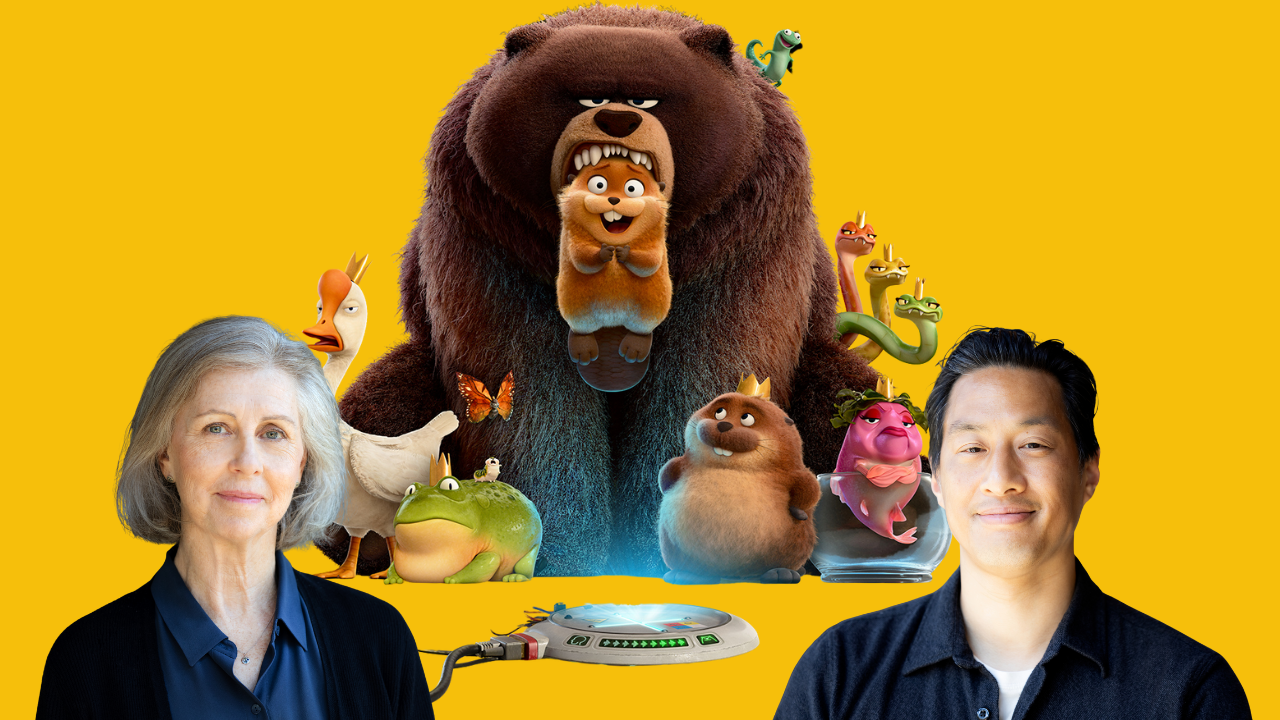
I spoke with the filmmakers following the presentation of Hoppers at Pixar’s early press day, and also attended the full press conference with the pair. What emerged was a portrait of a movie made with infectious joy, deep research, and a surprising number of conversations about cats, ’80s movies, and the perfect way to say the line: “This is like Avatar.”
Chong’s career has wound between features, shorts, and the Cartoon Network series We Bare Bears. That shift into television fundamentally reshaped how he approaches story, something he carried directly into Hoppers. “Speed was a big part of it,” he told me. “In TV, you’re just making so many things constantly. You don’t second-guess yourself. You gain a lot of confidence in your decisions because you don’t have a choice.” That mindset, surprisingly, translated beautifully into Pixar’s famously iterative feature process.
Even though Hoppers took six years to make, Chong says the rhythm felt familiar: “We’re never not changing the movie. We’re just doing it to the same movie.” That TV-honed instinct — make choices fast, but keep track of the “north star” — became crucial as Hoppers evolved draft after draft.
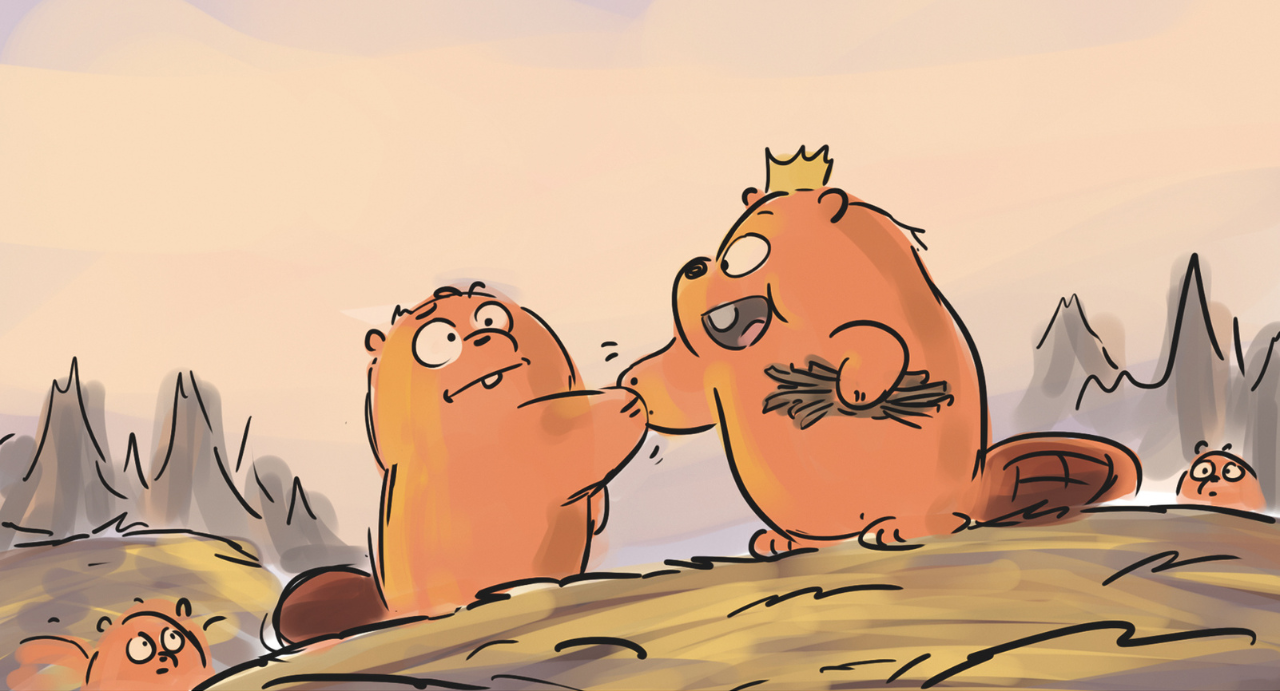
Chong revealed that Hoppers originally starred… penguins. “The whole idea was that penguins were disappearing,” he said. “They hopped into penguin bodies to infiltrate penguin society.” The film was once a globe-trotting Mission: Impossible–style spy thriller, too. But as story mentor Damon Lindelof advised during one pandemic-era session, the movie was simply too big. “Make it local,” Lindelof told him — a note that reshaped the whole film into something more specific, character-driven, and emotionally grounded.
Animated films are famous for their research trips, and in the spirit of Lindelof’s advice to “keep it local,” one of the trips was just a hop, skip, and a jump from Pixar’s Emeryville campus - the Oakland Zoo, where the team learned about animal behavior, enrichment, and beaver-adjacent bear personalities. The zoo allowed the filmmakers to enter the bear habitat to set up puzzles and feeding tubes — “like a Bop It,” Chong joked — before watching the animals interact with them.
For producer Nicole Grindle, Hoppers offered a return (sort of) to the world of Pixar insects. Her first Pixar credit was A Bug’s Life, and while Hoppers is completely its own universe, she admitted the sense of coming home was undeniable. “It is in the animal world from their perspective,” she said. “It’s a place that’s really comfortable. I love inhabiting their world — I love animals. I love that opportunity to have empathy.”
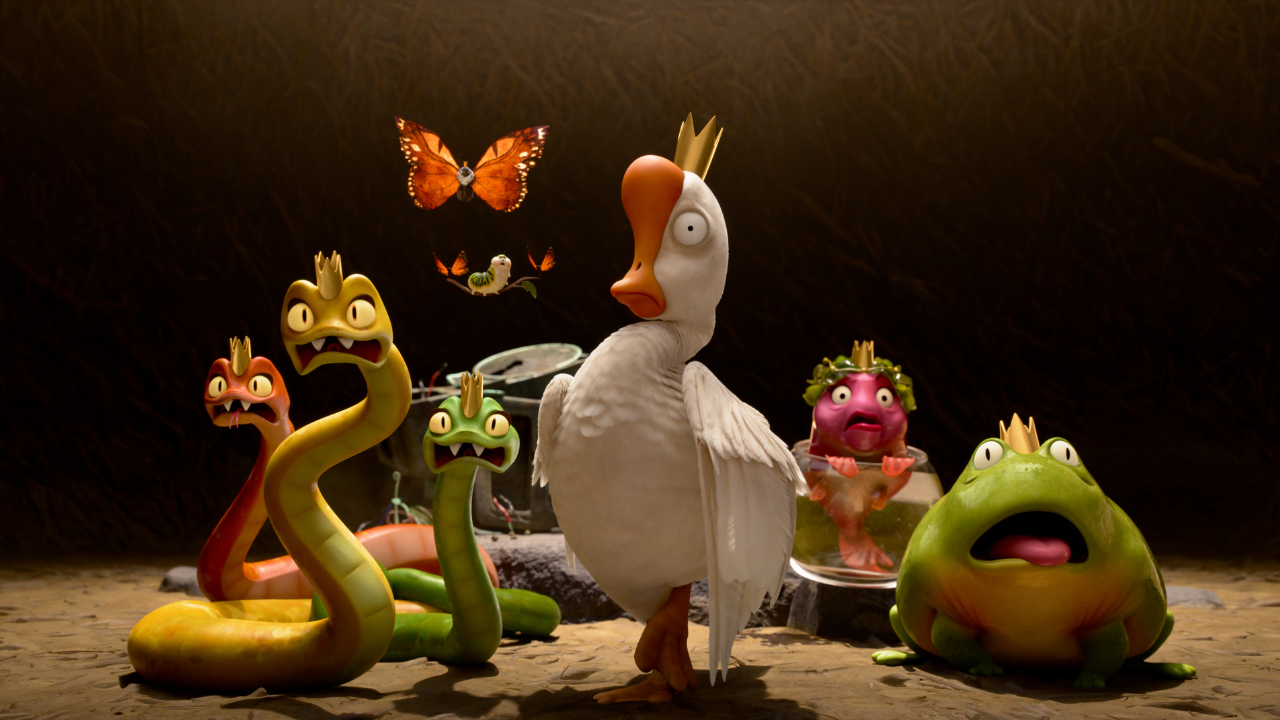
I also asked Chong about working again with We Bare Bears collaborator Madeleine Sharafian, now an Oscar-nominated Pixar filmmaker (Burrow, Elio). “The fact that I got to go along this ride with Maddie… it was huge,” he said. Sharafian was the first artist hired on We Bare Bears, and also the first artist brought onto Hoppers. “We’ve built things together for years. We have this shorthand. It’s still us in a room having fun, laughing, coming up with crazy ideas.” Pixar’s pipeline helped guide the feature-scale production, but the creative spark began with the partnership he already trusted.
When asked about some of his sources of inspiration, Chong lit up when asked about the Back to the Future references. “Mabel calls Dr. Sam ‘Doc.’ That’s pretty on the nose,” he laughed. But the influence runs deeper than a nickname. “We looked at movies with weird science where things don’t make sense, but you buy into it anyway. Even the Delorean — the wires coming out of everywhere — inspired how we designed our lab. There’s a lot of love for my childhood movies, especially from the ’80s and ’90s. Even early Tim Burton.” Tone was as influential as visuals — the blend of comedy, danger, and heartfelt emotion that defined films of that era became part of the movie’s DNA.
Chong’s sense of humor is very distinct — fast, absurd, and joke-dense. That raised eyebrows inside Pixar in early screenings. “Some people were taken aback,” he said. “Like, is that a Pixar movie?” But once the story and characters solidified, studio veterans like Pete Docter, Lee Unkrich, and Andrew Stanton embraced it. Comedy became one of his most obsessive processes. The now-famous “This is like Avatar” line reportedly took 84 takes from actor Piper Curda — not because she was struggling, but because Chong was micro-tuning the exact phrasing until it felt perfectly “thrown away.”
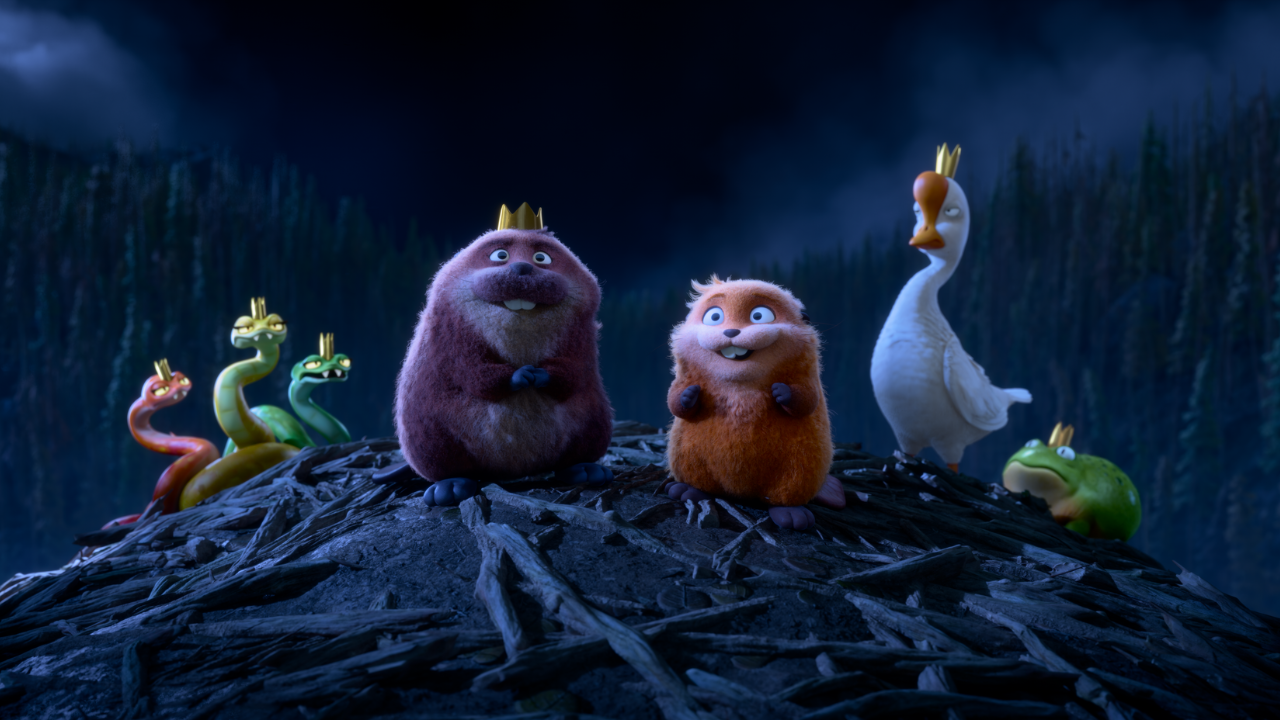
After six years of hard work, Hoppers is ready to meet the world on March 6th. When asked what they’re most proud of, Grindle didn’t hesitate: “That people are getting it. All our intention seems to be carrying through.” Chong highlighted something specific to Pixar: the challenge of preserving spontaneity across years of revisions. For Hoppers, he says the team succeeded — the humor and spirit stayed consistent from those early storyboard cuts to the final film.
Learn more about Hoppers in our interview with Daniel Chong and Nicole Grindle below. Tickets are now on sale for Pixar’s uproarious animated comedy.