
Steve Maslow, Oscar-Winning Sound Mixer Behind "The Empire Strikes Back" and "Raiders of the Lost Ark", Dies at 81


Behind every unforgettable movie moment is a soundscape you don’t always notice, but you’d instantly miss if it were gone. Few understood that better than Steve Maslow, the Oscar-winning mixer whose work helped define the sound of modern cinema.

Steve Maslow, the acclaimed re-recording mixer whose work shaped some of Hollywood’s most iconic films, has died at the age of 81. A seven-time Academy Award nominee and three-time winner, Maslow leaves behind a legacy that spans decades of filmmaking and more than 200 feature films.
Maslow passed away Monday at a therapy facility in West Hills following a battle with cancer, according to his wife, Ronna Maslow. His death marks the loss of one of the industry’s most respected sound professionals, a craftsman whose contributions elevated the emotional and technical impact of cinema.
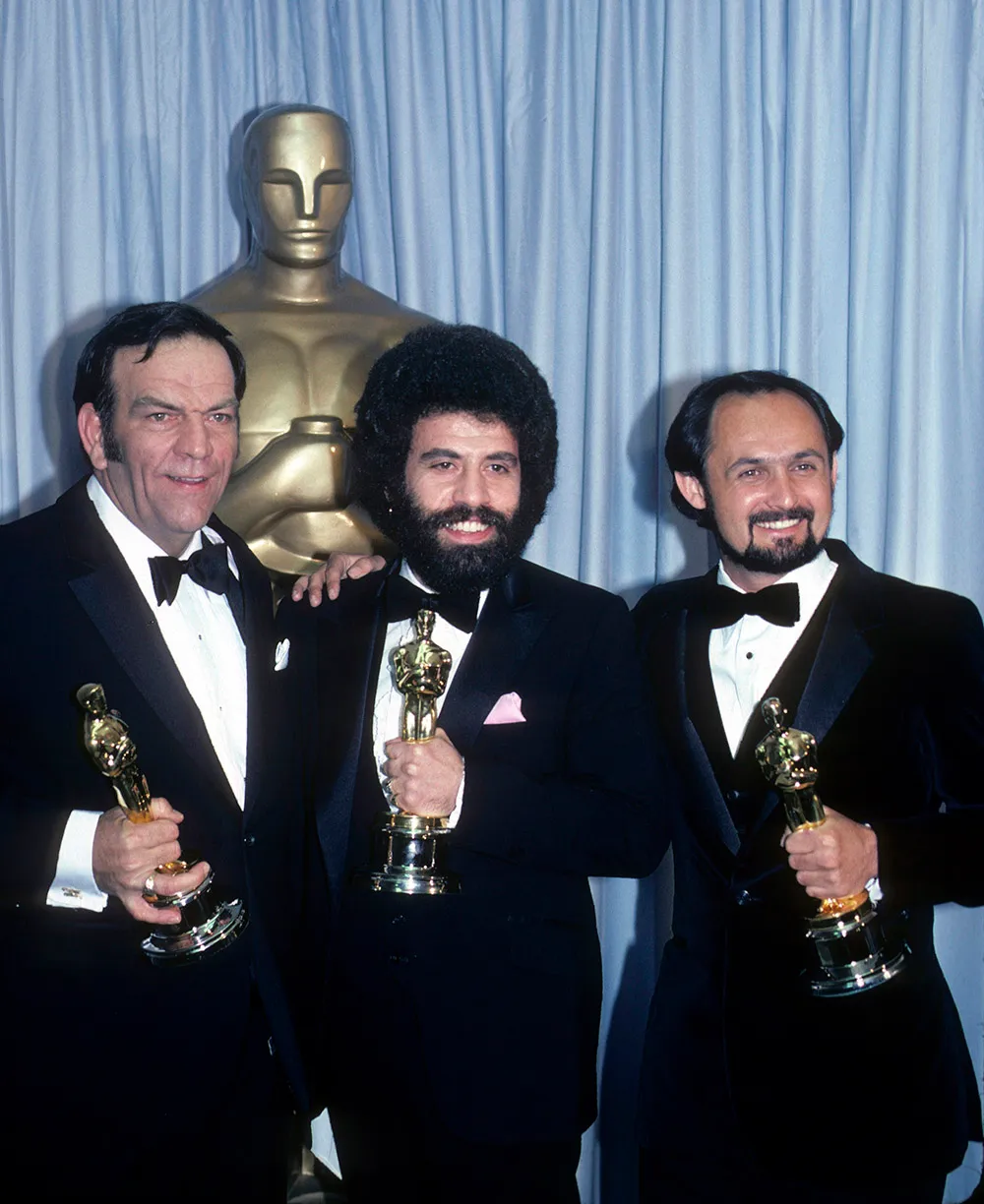
Over the course of his career, Maslow earned Academy Awards for his work on The Empire Strikes Back, Raiders of the Lost Ark, and Speed, three films that remain benchmarks in sound design and mixing. His ability to seamlessly blend dialogue, music, and effects helped immerse audiences in everything from intergalactic battles to high-speed action thrillers. In addition to his wins, Maslow received Oscar nominations for Dune, Waterworld, Twister, and U-571, further cementing his reputation as one of the top talents in his field.
A defining aspect of Maslow’s career was his long-running collaboration with fellow mixer Gregg Landaker. The duo worked together on more than 130 films, beginning with Star Trek: The Motion Picture. Their partnership was a study in balance, Maslow specialized in dialogue and music, while Landaker focused on sound effects, resulting in a cohesive and dynamic audio experience that became their signature.
Maslow also formed key creative partnerships with major filmmakers, including John Carpenter and Tim Burton. His collaborations with Carpenter included cult classics like The Thing and Escape from New York, while his work with Burton extended to visually distinctive films such as Beetlejuice and Edward Scissorhands. In each case, Maslow’s sound mixing helped reinforce the unique tone and atmosphere of these directors’ visions.
Born on October 17, 1944, in Los Angeles, Maslow’s path into film began in the music industry. He first worked as a roadie for the psychedelic rock band Strawberry Alarm Clock, gaining hands-on experience setting up sound equipment. That early exposure opened the door to a career as a recording engineer, where he contributed to tracks like “Oh What a Night (December 1963)” by Frankie Valli & the Four Seasons and “Boogie Oogie Oogie” by A Taste of Honey.
As the music industry evolved and studio work shifted, Maslow transitioned into film, bringing his audio expertise with him. He worked on several music-driven films, including The Last Waltz and Stop Making Sense, before moving into mainstream Hollywood productions.
His breakthrough came when he began collaborating with producer George Lucas, leading to work on More American Graffiti, The Empire Strikes Back, and Raiders of the Lost Ark. Those projects not only earned him back-to-back Oscars but also positioned him at the forefront of a new era in cinematic sound.
Maslow’s extensive résumé includes an astonishing range of films, from comedies like Ferris Bueller’s Day Off to dramas like Ordinary People and blockbuster spectacles like Mad Max: Fury Road. His versatility allowed him to adapt to virtually any genre, always with the same meticulous attention to sonic detail.
Colleagues remembered Maslow not only for his technical excellence but also for his personality and mentorship. Fellow sound mixer Greg P. Russell paid tribute, recalling Maslow’s humor and presence on mixing stages, where he was known for offering candid and often playful feedback.
Maslow is survived by his wife, his son Travis, and a granddaughter. His work, however, will continue to resonate, quite literally, through the countless films that bear his unmistakable touch.