
Disneyland's Latest Investments? Guest Service and Experience


One of the things that has always made Disney great is its ability to balance nostalgia for the past with excitement for the future. During a recent briefing, Disneyland Resort President Thomas Mazloum made me realize there is a third pillar that is just as important: a focus on the present.
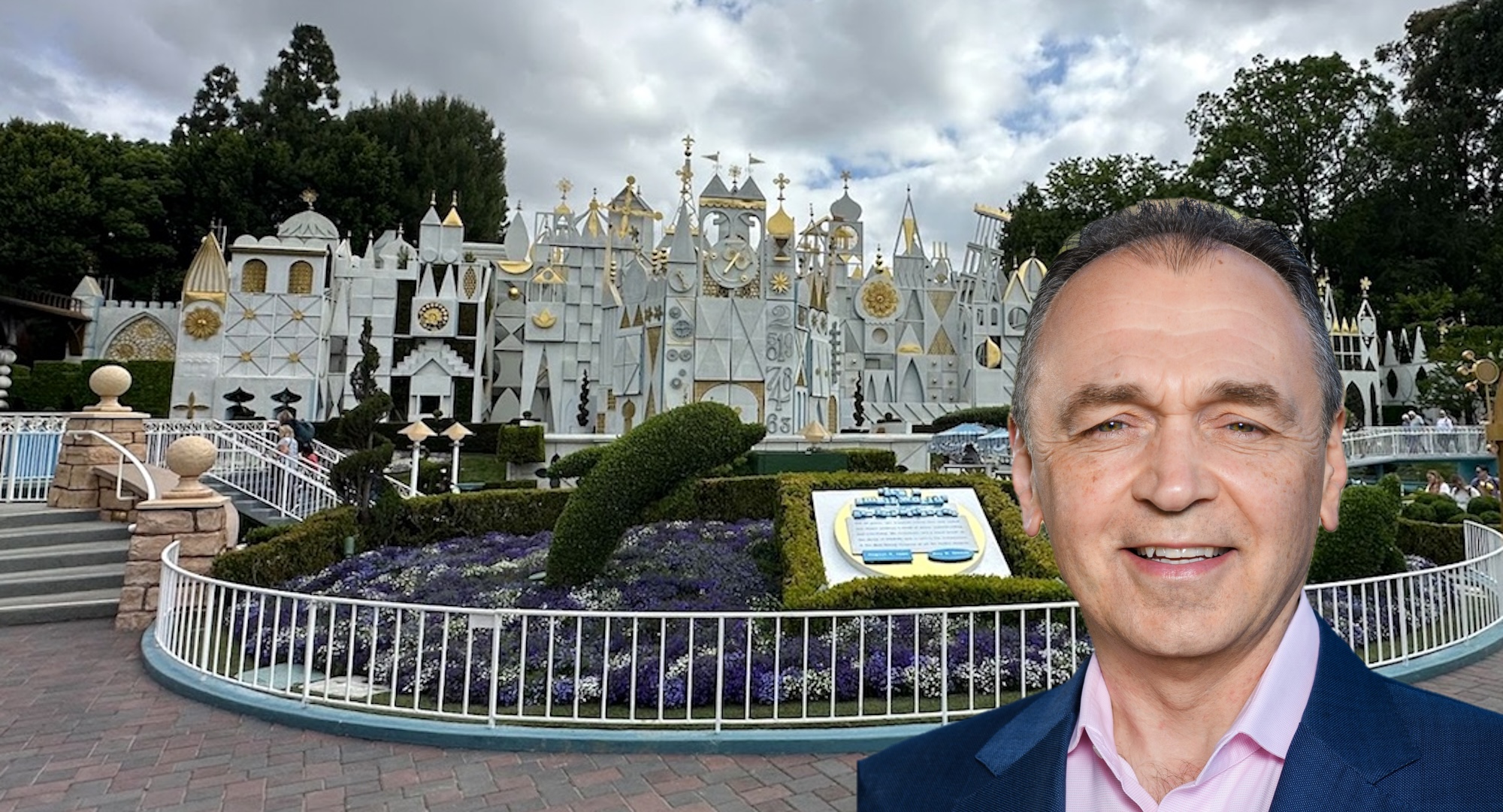
In hindsight, that may sound obvious. After all, the guest experience sits at the center of everything Disney Parks do. While Disneyland has been very public about celebrating its heritage through projects like Walt Disney: A Magical Life and building toward the future with initiatives such as the Avengers Campus expansion, Coco, and Avatar, Mazloum emphasized something more immediate. Ensuring the future is bright starts with delivering for guests today.
As he put it, “As we celebrate 70 years of the Disneyland Resort, we’re also building for the future by focusing on the relevancy and quality of our product, simplifying the guest experience and bringing exciting new attractions and entertainment to The Happiest Place on Earth.”
That balance between past, present, and future is what Mazloum often describes as Disneyland being “harmonized.” It is an apt term. The resort must constantly harmonize competing priorities, long-term investments, operational realities, and the needs of guests who are walking through the turnstiles right now. No matter how exciting tomorrow’s offerings may be, if today’s experience falls short, guests may never return to see what is next.
While Disneyland has been highly visible about its large-scale, forward-looking projects, it has also been quietly investing in initiatives designed to improve guest service, reliability, and attraction availability. Much of this work has happened behind the scenes, but it is already delivering meaningful results.
Even Disneyland leadership would acknowledge that service and maintenance levels suffered following the parks’ reopening after the pandemic. That reality was understandable. The resort underwent massive rehiring and training efforts, with roughly 60% of the current cast hired during that surge. This occurred even though Disneyland now maintains a turnover rate of only about 15%.
Training during that period was necessarily shaped by distancing requirements, which limited hands-on guest interaction and mentorship. As a result, Disney lost a significant amount of institutional knowledge, proficiency, and experiential training, not only in guest service roles but also within engineering and maintenance teams that have long been legendary for their expertise.
For a long time, it appeared from the outside that the resort had not fully moved beyond those limitations. What I did not realize until this briefing is how much progress has been made over the past year.
Take attraction availability, for example. Did you notice that the seasonal closures for Haunted Mansion and “it's a small world” were shorter this year? By reevaluating internal processes, Disneyland reduced the Haunted Mansion closure by five days and the “it’s a small world” closure by four days. That alone allowed those two attractions to carry an additional 209,000 guests this year.
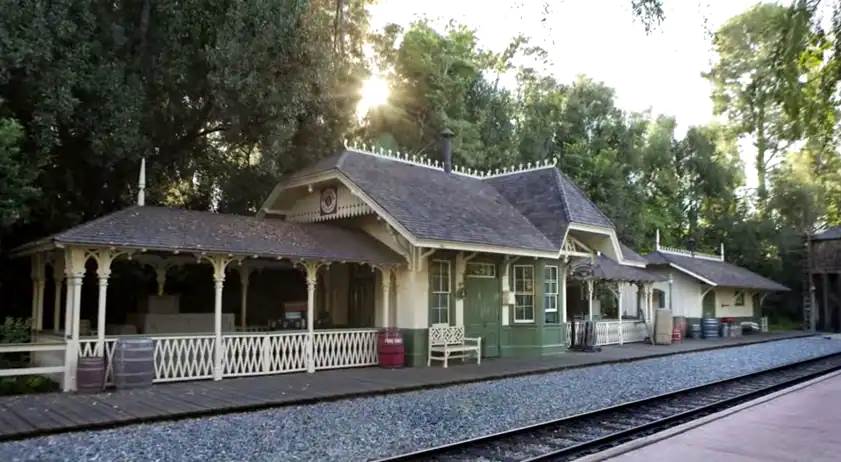
Meanwhile, by reactivating the water tower in New Orleans Square, the Disneyland Railroad was able to reduce time spent in-station, which made it possible to operate a fourth train during the holiday season. Over a ten-day test, that change allowed the railroad to accommodate an additional 29,000 guests.
Recent refurbishment work at Space Mountain improved the efficiency of vehicles moving through the station. While most guests would never notice the difference, it resulted in increased capacity. Similar efforts are now underway at Indiana Jones Adventure, where teams are working to reduce station backups in hopes of achieving comparable gains. Collectively, initiatives aimed at reducing unplanned downtime allowed Disneyland attractions to carry 1.5 million additional guests in fiscal year 2025 compared to the prior year.
Improving how many attractions guests can experience in a day, often referred to as ride-per-cap, is itself a form of service. But Disneyland leadership is also acutely aware that operational efficiency alone is not enough.
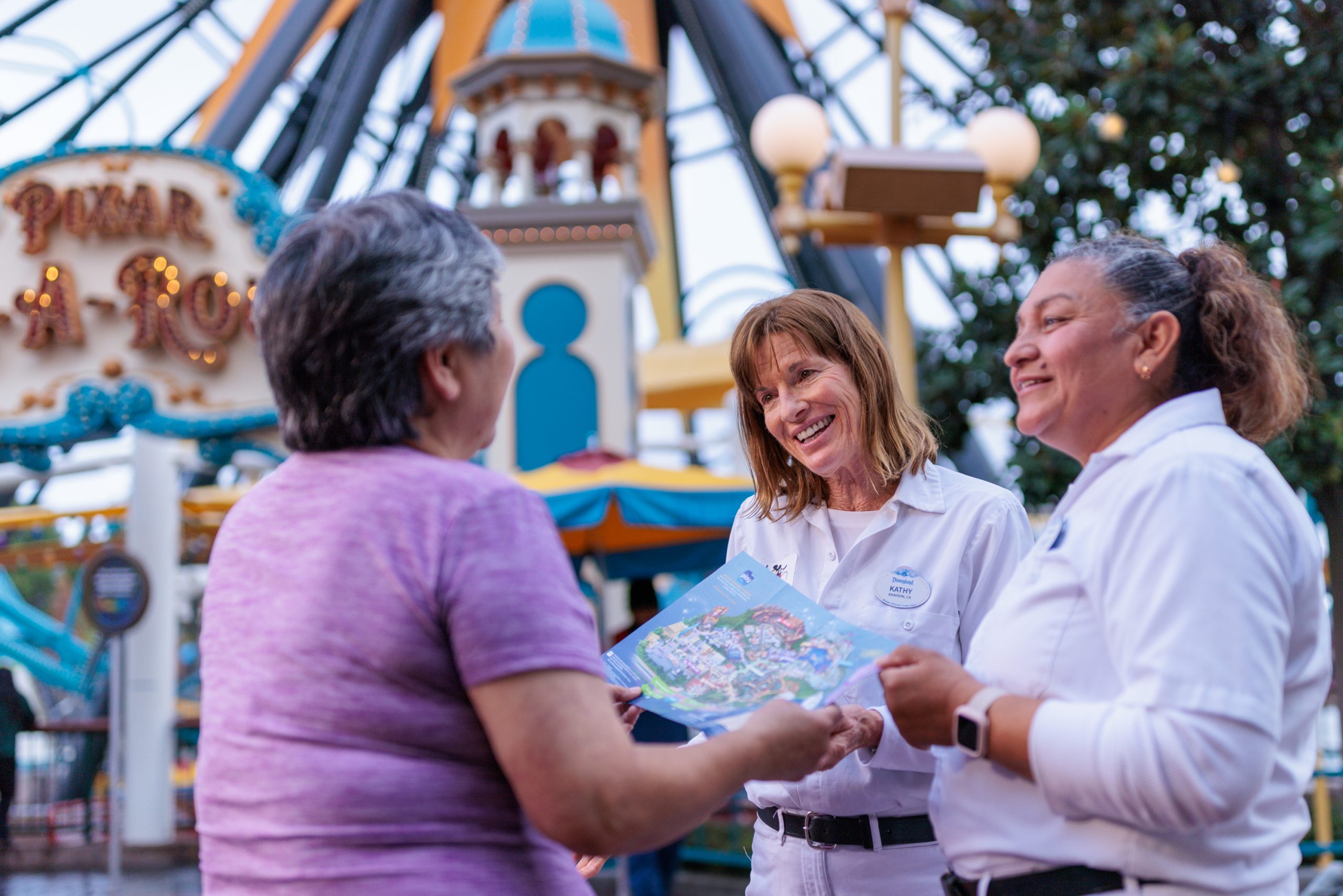
I have made three visits to the Resort in the past month and personally observed service lapses. Disneyland is not pretending those issues do not exist. Instead, leadership has acknowledged the work still ahead and has taken concrete steps to address it. Base-level operations training has increased, classic Disney service tools have been reintroduced, and new concepts have been rolled out to reinforce expectations around guest interaction.
With the current child ticket offer and the upcoming Bluey experience, Disneyland knows it must be especially prepared to serve younger guests and families. New training tools have been developed specifically to address their unique needs. Service training may not be flashy, but it is essential. No matter how impressive an attraction may be, if getting to it is frustrating, the experience has already been diminished.
That philosophy also extends to the arrival experience, where investments are underway to improve the first moments guests encounter, whether they are locals or visiting from out of town. In a business that depends on a high intent to return, the day-to-day experience matters just as much as headline-grabbing announcements.
Taking off my reporter hat and putting on my Disney fan mouse ears, it was genuinely encouraging to hear about these behind-the-scenes investments. The briefing fundamentally shifted my perception, revealing how much work has been underway without public attention. There is far more to say about these efforts, and in the coming days I will, because the scope of what Disneyland is tackling is both extensive and necessary.
But the biggest takeaway is Disneyland Resort’s leadership’s desire to continuously improve their operation, listen to guest feedback, and maximize the amount of fun they are able to deliver. While these efforts have not gotten much of the spotlight, they have already had meaningful impacts and deserve to be recognized.