
Film Review: “Homecoming: The Tokyo Series" — A Poetic Portrait of Japan’s Baseball Soul


Few American institutions have shaped modern Japanese pop culture quite like Disney, whose characters, stories, and design sensibilities have woven themselves into daily life across the country. But if there’s one other export that stands shoulder-to-shoulder with Mickey Mouse in terms of cultural impact, it’s Major League Baseball. That parallel becomes the quiet thesis of Homecoming: The Tokyo Series, a poetic, slow-burning documentary from director Jason Sterman, whose previous work includes the Disney+ animation docs Sketchbook and A Spark Story. Though framed around the historic 2025 MLB World Tour’s Tokyo Series, Sterman’s film isn’t really “about” the games—it’s about the soul of baseball in Japan at a moment when the sport is reshaping itself on the global stage.

American audiences expecting a game-by-game breakdown may be surprised: Sterman offers almost no traditional sports analysis. Instead, the film functions as a cross-sectional time capsule, drifting between lives connected by the game—whether directly or by reverence.
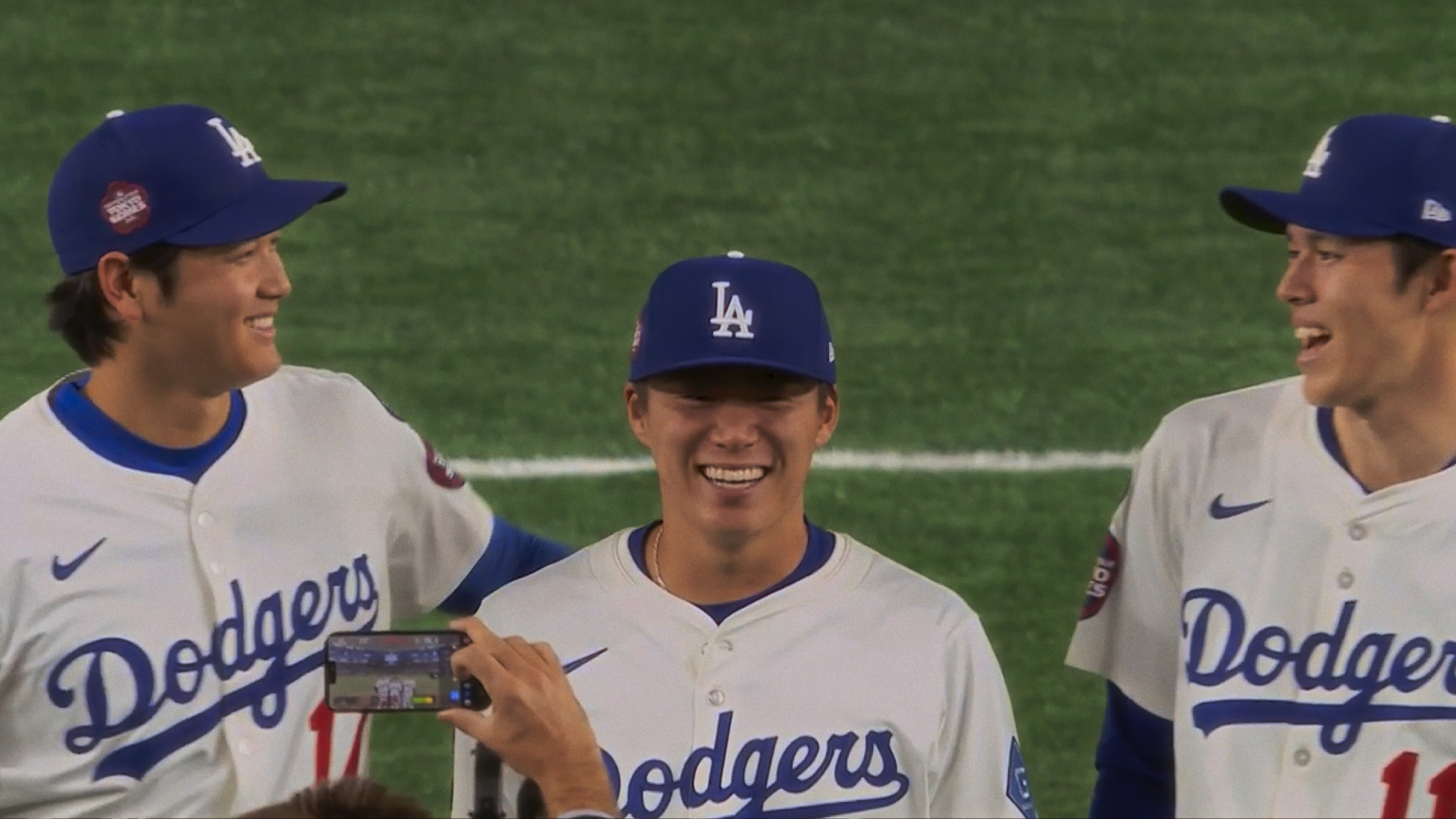
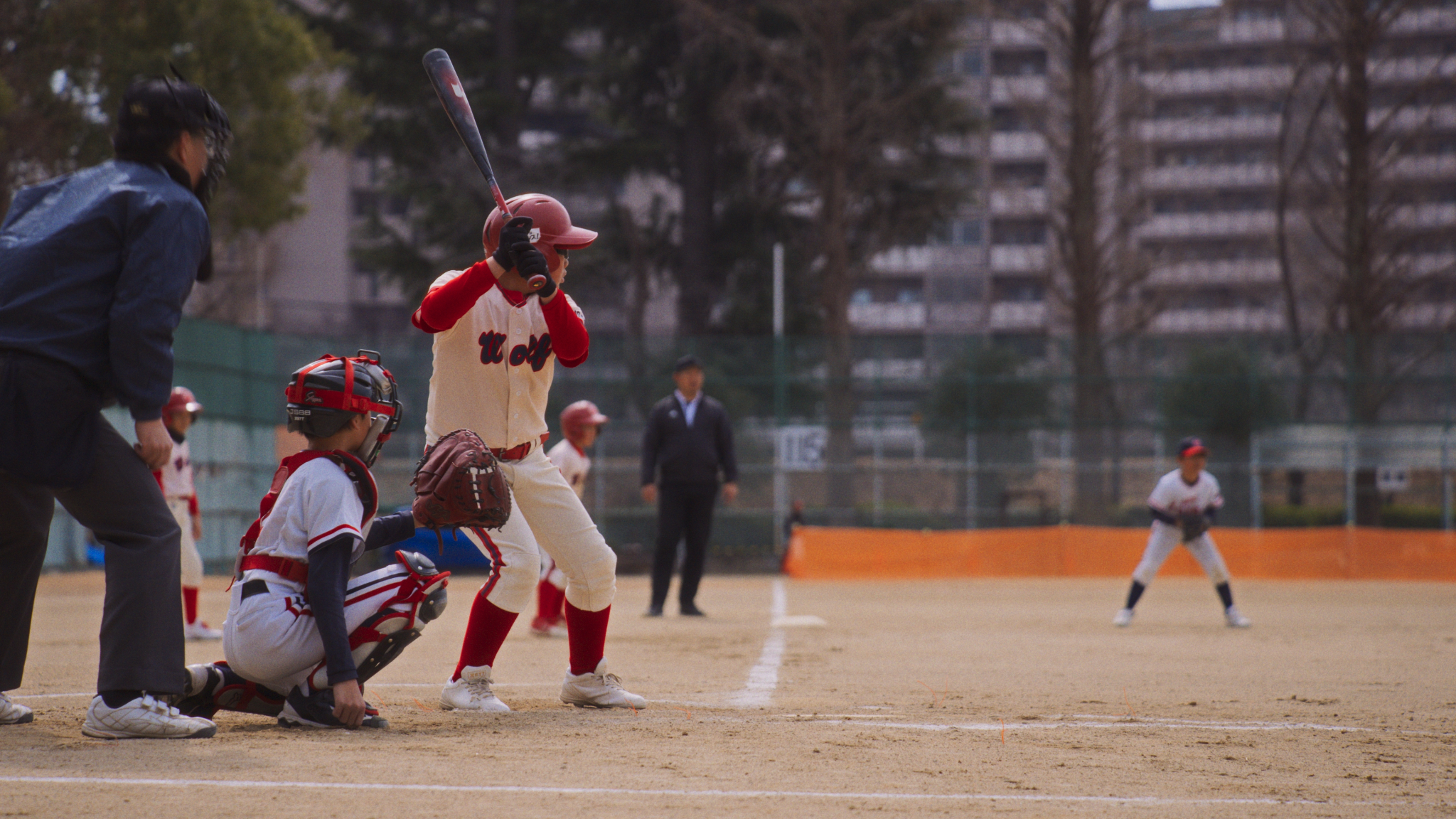
In Osaka, we meet Yasuko “Obachan” Tanahara, the elderly coach of the Yamadanishi Little Wolf youth team who has spent decades teaching children with a quiet steadiness emblematic of Japan’s relationship to baseball. Her players dream of joining the growing list of Japanese stars now transforming MLB—names like Shohei Ohtani, Seiya Suzuki, Shota Imanaga, Rōki Sasaki, and Yoshinobu Yamamoto, all seen returning home for the Tokyo Series.
Sterman then turns to the artisans who literally build the game. In Gifu Prefecture, Tamio Nawa, a master craftsman at Mizuno, hand-shapes wooden bats with a monk-like precision, while his protégé Yoshida Keniche studies how evolving materials mirror the evolution of the sport itself. In Tokyo, Tomohiro Yonezawaya restores worn gloves and outfits growing kids with gently recycled equipment—a reminder that baseball in Japan is simultaneously sacred and communal.
These vignettes are stitched together with commentary from veteran writers like Jason Coskrey of The Japan Times and Meghan Montemurro of the Chicago Tribune, who contextualize Japan’s “martial arts” approach to baseball—structured, disciplined, but still bursting with joy. Their insights help bridge the film’s central idea: this is a nation whose passion for baseball is felt, crafted, maintained, and passed down, rather than simply watched.
Sterman embraces a gentle, almost meditative rhythm. The pacing—calm, intentional, and guided by the principle of wa (harmony)—reflects the Japanese sensibility not only toward baseball, but toward craft and life. Scenes transition slowly, often wordlessly, with a piano-led score by Michael Dean Parsons and Scott Michael Smith that begins as minimal plinks and slowly builds as the Tokyo Series approaches.
The choice works. By the time the teams arrive—Dodgers, Cubs, and the returning Japanese superstars—the viewer feels the emotional weight that the players themselves describe. For American fans, it’s a portrait of a paradigm shift; for Japanese viewers, it’s a love letter to a golden moment as their athletes dominate the global conversation.
When Sterman finally brings us into the Tokyo Dome, he focuses not on pitch-by-pitch coverage but on faces—children in awe, superfans vibrating with energy, and families who traveled across prefectures to witness history. There’s Bill Murray in the stands wearing a Cubs jersey. There’s Pikachu waving flags. There are taiko drummers setting the tone for Opening Day.
Ohtani’s first hit of the Dodgers’ season becomes a national catharsis. Yet even here, the centerpiece isn’t the statistics—it’s the crowd, the ritual, the sound. As Coskrey explains, Japanese baseball fandom is a symphony of orchestrated chants, special cheers, and collective connection.
And the film’s emotional anchor returns to Osaka with Obachan’s Little Wolf family—a quiet dinner celebrating the end of her coaching era and the continuation of her legacy. In one poetic moment, the camera lands on a baby in a Dodgers bib and a girl in a Rapunzel shirt, weaving together Japan’s dual cultural loves: baseball and Disney.
Homecoming: The Tokyo Series is a gentle, beautifully observed portrait of how a foreign sport became a mirror of Japanese culture—its precision, devotion, artistry, and generational bonds. It is not a fast-cut ESPN feature, nor a documentary obsessed with scores or standings. Sterman instead crafts something softer and more enduring: a cinematic record of Japan’s relationship to baseball at the exact moment it’s influencing MLB more than ever before.
American sports fans will learn something new; Japanese viewers may feel seen. And for everyone else, this is a warm, quietly powerful reminder of how global culture is shaped—not through spectacle, but through people.
I give Homecoming: The Tokyo Series 4 out of 5 stars.
Homecoming: The Tokyo Series is playing exclusively in theaters through Fathom Events on February 23rd and 24th. Visit FathomEvents.com for showtimes at your local theater.