
WWE Survivor Series Wargames: Spectacle, Story, Community - A Disney Fan’s Perspective


WWE Survivor Series Wargames wasn’t just another Saturday night Premium Live Event (PLE) on ESPN. It was a stadium-sized reminder of the special magic of live storytelling and the electric energy of experiencing it alongside thousands of fellow fans. As Disney fans, we only feel this kind of excitement at D23 Arena events or the opening night of a major Marvel release.
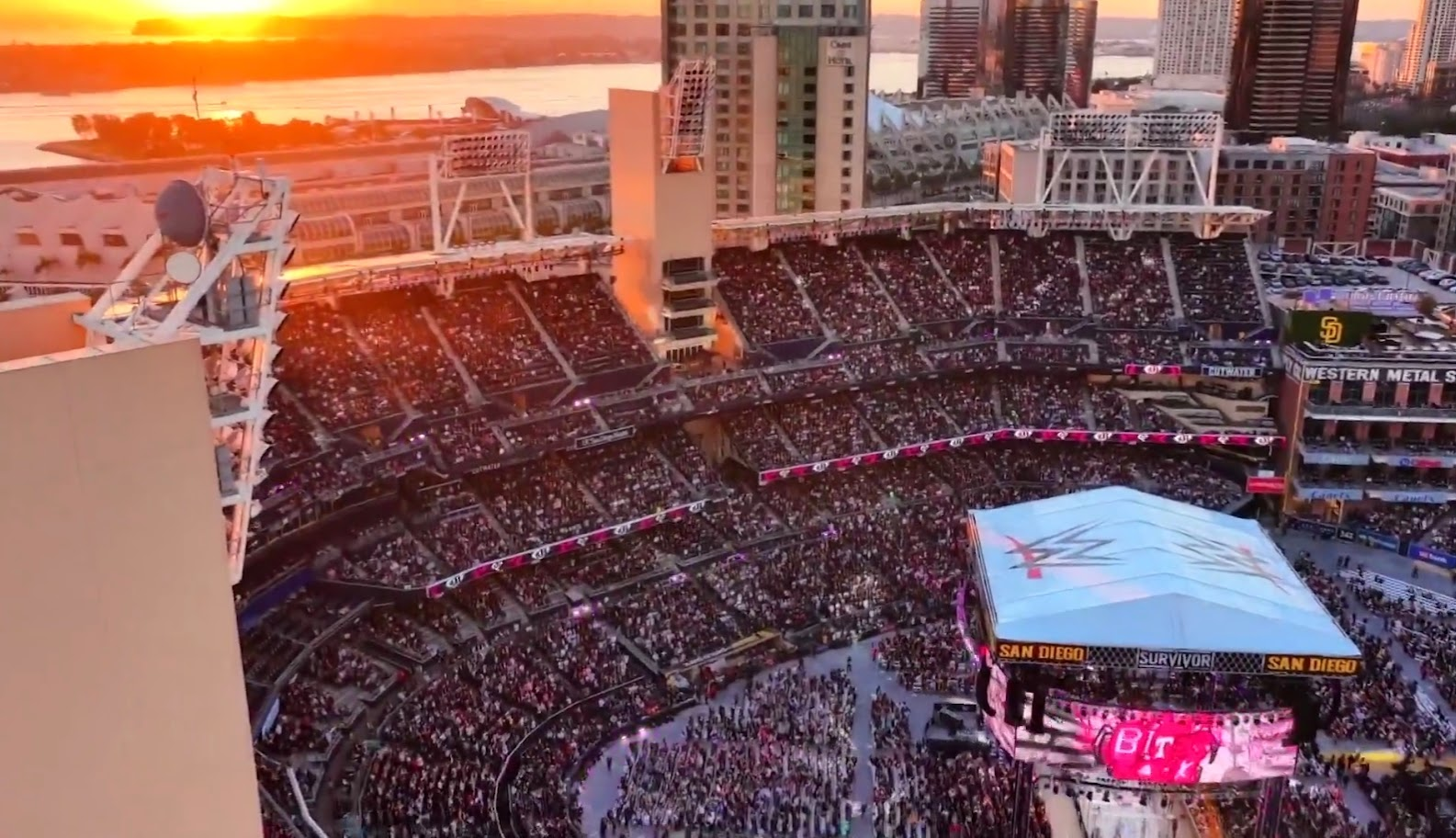
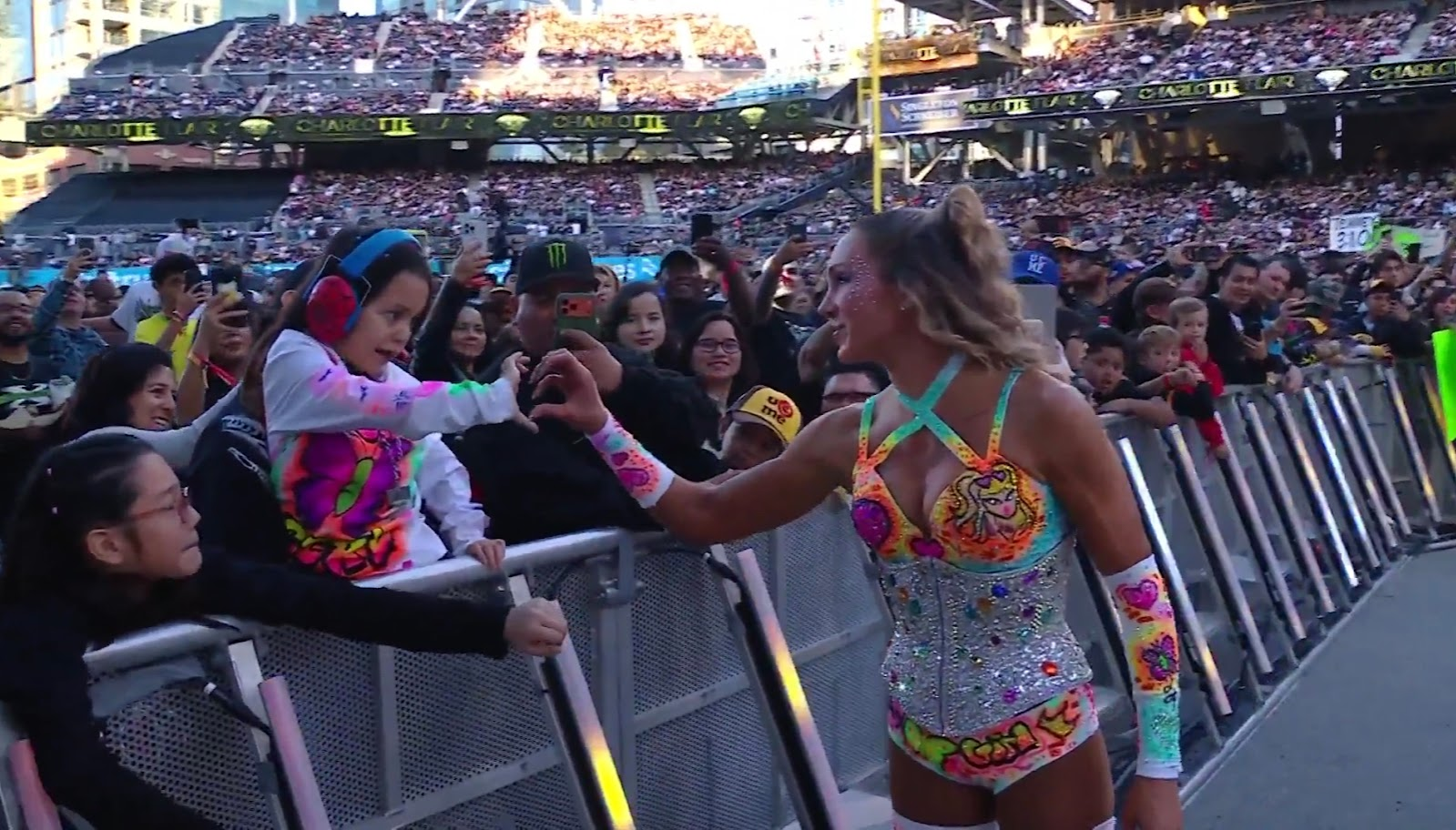
The card promised spectacle, but the moment that set the tone for the night came before the first bell even rang. Charlotte Flair walked out wearing gear designed by Scarlett, a seven-year-old fighting cancer, and suddenly the roar of Petco Park took on a different texture. All of the lights, pyro, and choreography that define WWE showmanship were overshadowed by the unmistakable heartbeat beneath it.
I’ve quickly learned that in WWE, these connections aren’t rare exceptions — they’re woven into the culture. Fans can shape moments, and wrestlers welcome them. Even on a night packed with legends, champions, and farewells, that sense of community and desire to entertain became the through-line. Watching WWE through that lens, the entire night unfolds differently.
The opening women’s Wargames match perfectly showcased this communal energy. On paper, it was a powerhouse lineup - AJ Lee, Charlotte Flair, Alexa Bliss, Rhea Ripley, and IYO SKY facing Becky Lynch, the Kabuki Warriors, Nia Jax, and Lash Legend - but in the arena, it felt far more intimate. Fans weren’t just reacting to big moves; they were recognizing stories, relationships, and long-running rivalries. You could feel it ripple through the crowd each time a familiar dynamic clicked back into place. I wasn’t prepared for how quickly these performers, through choices both inside and outside the ring, pulled me into their journeys.
Charlotte’s entrance crystallized this feeling. Her gear, designed by Scarlett, transformed the moment into something almost mythic. It wasn’t just an entrance; it was a tribute, a collaboration, a piece of one family’s story shared with tens of thousands of strangers. WWE may operate on a global scale, but moments like this reveal the family-business warmth that still beats beneath the spectacle.
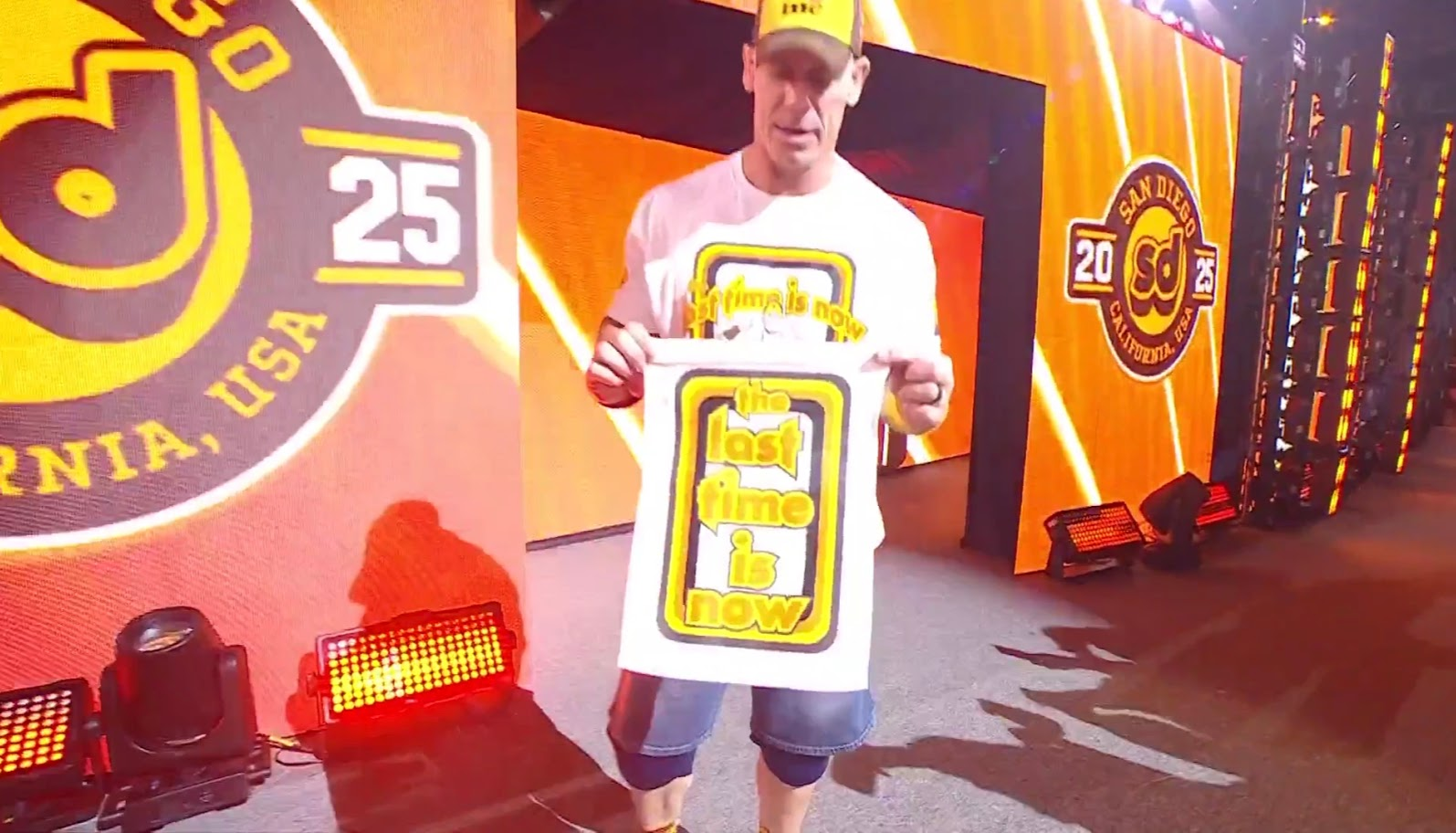
That theme continued throughout the night. John Cena acknowledged the cameraman’s son during his final ESPN appearance. Very young fans were invited into larger-than-life entrances, and wrestlers regularly make time before the show for signings, hugs, and conversations. For a company capable of filling stadiums, WWE manages to create the emotional closeness of a neighborhood celebration. Everyone there knows they’re watching stories they’ve followed, debated, cherished, and lived with. That connection is the engine of the night.
Much like Disney parks, WWE events draw people from across the United States and around the world. During the preshow, a fan from Singapore was highlighted, and later it became clear attendees represented all 50 states and 36 countries. You never know who will show up at WWE ringside. One of the loudest cheers of the night went to Dancing with the Stars contestant Danielle Fishel, well known to Disney fans as Topanga from Boy Meets World. On DWTS, she revealed her connection to WWE, with several wrestling stars stopping by the ballroom to support her. She recently shared on her podcast that she’d love to be tossed through a table.
And like Disney parks, part of the fun, its magic, is the shared experience. At WWE events there’s a rhythm to it, the cheers and the chants, that feels almost ritualistic.I find myself participating from home, much like joining in on the choreography of Fantasmic’s finale. Even as a relative newcomer, I began to understand how deeply WWE fosters fandom. The more you know, the more alive the narrative feels. In fact they even have Easter Eggs labeled as “callbacks.”
ESPN’s coverage was incredibly helpful in guiding me through the developing lore and pointing out callbacks, especially Arda Ocal and Greg Wyshynski’s live commentary and social updates. They served as my guides through the event. During John Cena’s match, Arda highlighted Dominik Mysterio’s bold homage to Eddie Guerrero’s WrestleMania XX move, loosening his boot so Kurt Angle could only pull it off instead of fully grasping him. Without Arda pointing it out, I would have missed the significance entirely. His insight brought the moment to life and connected me to wrestling history. Beyond individual calls, Arda and Greg framed each match in the larger story, showing how outcomes push ongoing narratives forward or further develop character personalities. Seen through this lens, the night was not just a series of matches; it was a living, evolving story charged with history, emotion, and audience energy, much like films or television.
Having attended ESPN Experiences, where Arda was among the ESPN personalities hosting fans at sporting events at the Rose Bowl and during the golf tournament, I kept imagining how incredible it would be to have a physical watch party for WWE. Fans discussing moves, storylines, and callbacks in real time would deepen the sense of connection even further. These shared experiences, combined with the thoughtful storytelling ESPN provides, illustrate how WWE, like Disney, thrives by weaving spectacle, story, and community into a single, immersive experience.
As WWE Survivor Series Wargames came to a close, we were left with more than a tally of winners and losers. We had experienced a living spectacle of entertainment, immersed in stories, connected to a community, and touched by moments that linger long after the lights dim. It is these stories and shared experiences that for this Disney fan make WWE unforgettable.