
5 Things Disney Can Do to Improve Fan Engagement


Disney has no shortage of fans willing to spend time with its stories, visit its destinations, and champion the work of people they may never meet. The main competitive advantage that Disney has is that it is the only one where there are fans of the company and not just individual titles or franchises. The first lesson from business school is to lean into your advantages, and Disney should do just that by focusing on what makes their output and their relationship with its various fan constituencies unique. So with that perspective, here are five ways that Disney should lean in for the benefit of its fans but for the company as well.
Fix D23
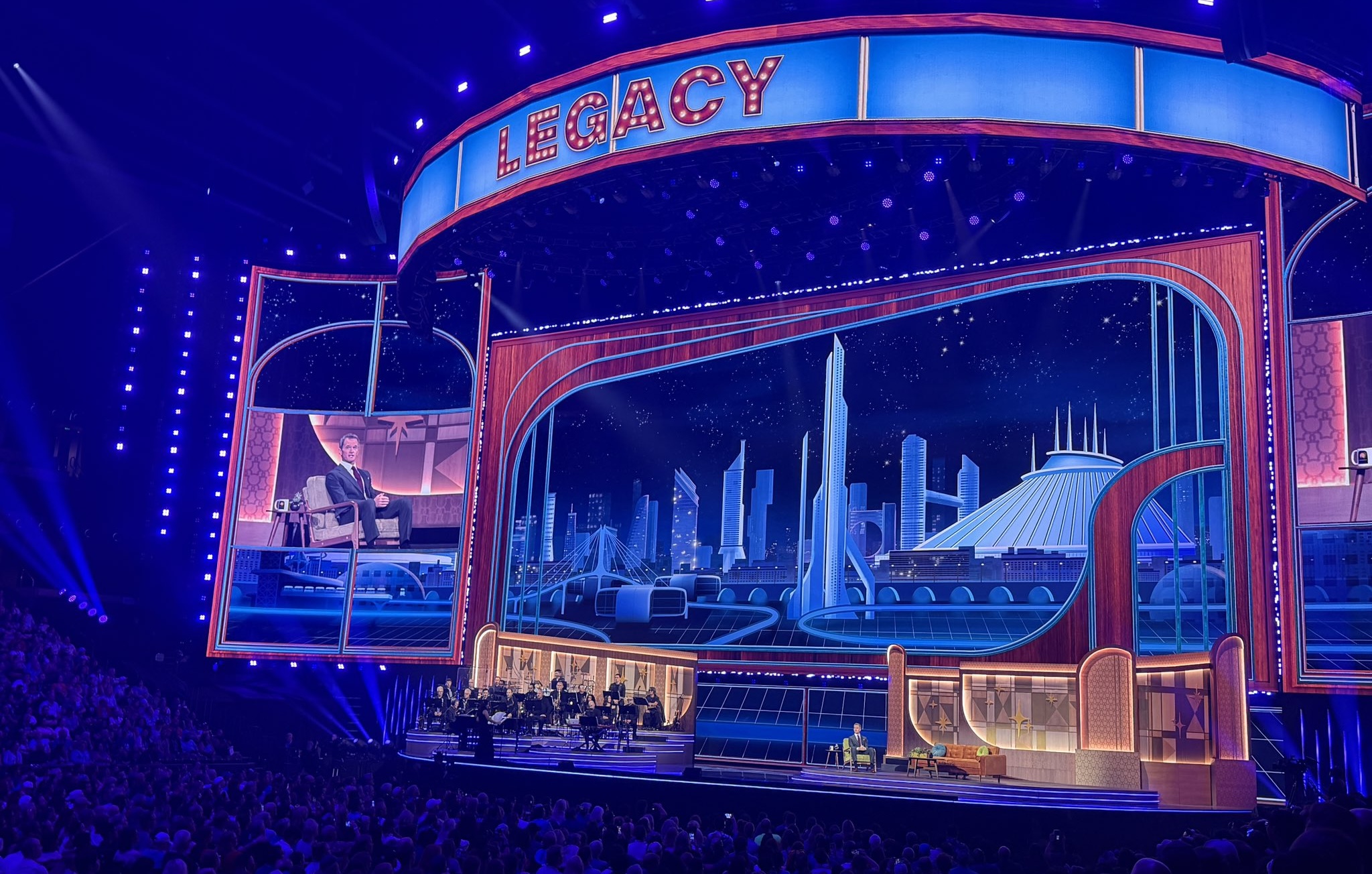
There are a lot of great people working on D23. They care about Disney history, understand the fans, and have created moments that could only come from an official Disney fan club. Its major events still bring the company together in ways few other Disney initiatives can. Yet between those events, D23 can feel less like the center of an ongoing relationship and more like a small team doing its best without the support or involvement of the broader company. To be frank, for a company that discusses fans over a dozen times in the earnings releases, their highest-profile fan engagement arm is woefully inadequate.
To be clear, this is a structural problem, not a criticism of the people who run the club. D23 gives the Walt Disney Archives an invaluable way to share the company’s history, but its potential extends beyond that role. Disney should bring together people from across its businesses to decide what D23 is meant to do for fans throughout the year. That would require consistent participation from the studios, Disney Experiences, television, consumer products, and other teams, along with the resources and authority to turn their ideas into something fans can actually experience.
D23 is uniquely positioned to connect Disney’s past, present, and future. A fan might come for a piece of history, discover the people making something new, and leave more invested in where the company is going. That connection should be apparent every month, not only during a convention. If Disney cannot give D23 the support to serve that purpose, it should be willing to rethink the club from the ground up for the Disney of 2027.
Follow Disney Experiences’ Lead and Listen to Fans
At the most recent D23, Disney Experiences addressed several subjects fans have raised for years. Plans for Expedition Everest’s Yeti, Figment and Dreamfinder, and a new direction for Disneyland’s Tomorrowland showed an awareness of the places where devoted guests see unfinished business. Announcing a project is only the first step, but choosing those projects told fans that their concerns had been heard.
The rest of Disney could benefit from the same habit of listening. Marvel and Disney Animation have found ways to speak with their audiences, while other parts of the company can seem less sure how to sustain that relationship. Lucasfilm, in particular, often finds itself in contentious conversations with fans. Disney should not treat the loudest online reaction as a creative brief, but it should understand what expectations and disappointments are driving those conversations.
Listening does not mean putting stories to a vote. Artists need room to surprise audiences, challenge assumptions, and make choices that would never emerge from a focus group. But knowing why people love a character, where they feel a promise has been broken, or what they hope a new project will preserve can help creators and executives make better decisions. Even when Disney ultimately takes a different path, an honest dialogue can make fans feel respected. Much of the frustration directed at a company begins with the belief that nobody inside it is listening.
Find the New Wonderful World of Disney
For generations, The Wonderful World of Disney did something larger than promote a movie or fill a television hour. It regularly invited audiences into the company’s imagination. Walt could introduce a story, explain an ambitious project, or show how animation, live action, nature, and theme parks belonged to the same creative enterprise. The program made the people and ideas behind Disney feel alive. Today, the company has far more ways to reach an audience, but no equally recognizable place where its many creative worlds regularly come together.
I am not suggesting that Disney revive an old television format and expect families to watch it in the same way. A modern version could appear across Disney+, ABC, YouTube, and social platforms, with each outlet offering a different way in. What matters is a recurring invitation to see how the work gets made. We Call It Imagineering has begun to open that door for the parks. Why not do the same across the company?
One installment could show what it takes to put SportsCenter on the air. Another could follow the artists making Hexed, or help audiences understand the stories and creative decisions leading into Avengers: Doomsday. When Disneyland began on television, its lands offered a way to move among different kinds of stories. A new series could use Disney’s businesses in a similar way, giving audiences a reason to explore beyond the part of the company they already love. The goal would be a continuing window into the talent, curiosity, and creative energy that make Disney worth following between major releases.
Make Disney Live Action Mean Something
The Disney name once told audiences something about a live-action movie, even when the story itself was unfamiliar. Today, the company has labels for many kinds of entertainment, but films released under its namesake live-action banner need a clearer creative identity that moves beyond the lazy strategy of live-action remakes.
Consider the range of live-action films Disney released in 1992: Newsies, Honey, I Blew Up the Kid, The Mighty Ducks, and The Muppet Christmas Carol. They did not all succeed in the same way, and Newsies was initially a disappointment at the box office. Yet each brought something distinct to the Disney name. Several found lasting audiences, and Newsies eventually became a Tony-winning Broadway musical. Their value to Disney outlived their opening weekends.
Rebuilding that kind of identity will take time and a willingness to make films that cannot rely on an existing animated classic to explain their appeal. Disney live action could make room for adventure, comedy, music, spectacle, and stories with enough heart to bring generations together. The answer is not to imitate the films of 1992. It is to recover the confidence to make something new that audiences will one day recognize as unmistakably Disney.
Hire More Fans
When I was first hired by Disney more than a quarter century ago, I was told not to let people know how much I liked the company because I would not be taken seriously. Disney has made great strides since then, but how can Disney be special if its employees don’t recognize that it is. Being a fan is no substitute for talent, experience, or judgment. It is also important that employees are able to have perspective on the business needs of the organization. But having some level of passion for Disney can give an employee a deeper understanding of the emotional relationship the company asks audiences to have with its stories and experiences.
Fans often know which details carry meaning, which traditions are worth preserving, and when a seemingly small decision sends an unintended message. That knowledge matters in creative roles, but it also matters elsewhere. A marketer who understands why an announcement excites people, a product manager who has personally wrestled with a frustrating guest experience, or an executive who engages with the work beyond a presentation deck may ask questions that otherwise go unasked.
Disney should continue to recruit outstanding people from outside its existing fan community. It should also expect everyone who joins the company to understand why working there carries a particular responsibility. Nobody needs to be a Disney trivia champion, and affection for the company should never become an excuse to resist change. But people making decisions about Disney should be curious about what makes it special to others and committed to building on that legacy. Fandom, at its best, is a source of insight and creative energy. Disney ought to recognize it as one.