
Disney Experience’s Global Growth: Driven by Guest Connection and Generations of Fans


Disney Experiences is in the midst of an unprecedented period of growth. New theme park lands are under construction, Disney Cruise Line is expanding around the world, international resorts continue to evolve, and an entirely new Disney destination is being developed in Abu Dhabi. But during a special media discussion ahead of their evening showcase, Disney Experiences leadership made it clear that the strategy behind that expansion is about much more than simply building more things.
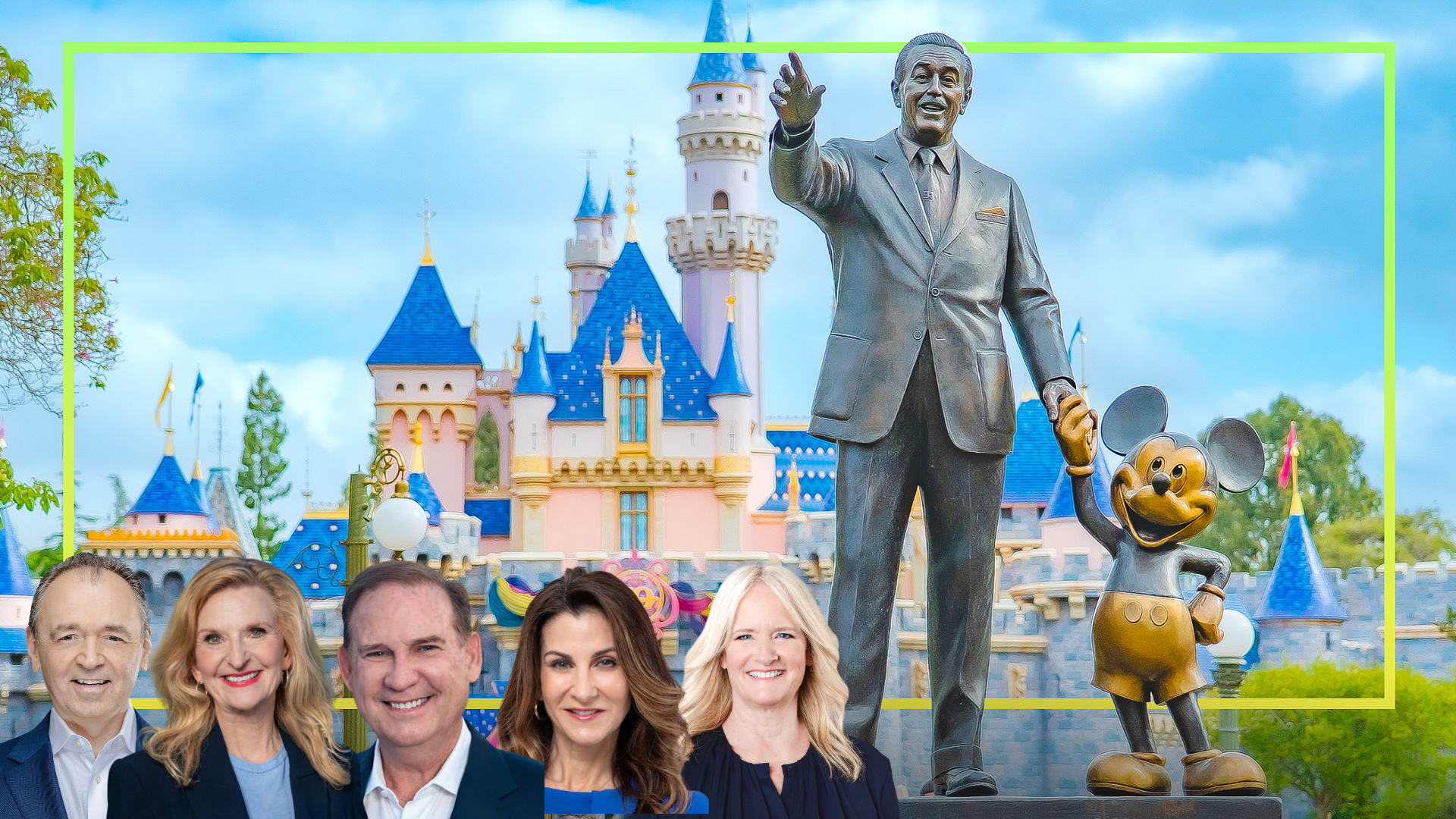
Following an introduction by Disney Experiences Chairman Thomas Mazloum, Jill Estorino (President of Disneyland Resort), Joe Schott (President of Walt Disney World Resort), Tasia Filippatos (President & Managing Director of Disney Parks International), and Natacha Rafalski (President of Disney Signature Experiences) shared how they are looking at leading their destinations while the unprecedented expansion takes place.
Filippatos has a particularly interesting vantage point from which to observe how guest behavior is evolving around the world. While many of the qualities that have made Disney parks successful for decades remain unchanged, she said there are also significant new behaviors influencing how Disney thinks about its destinations. One of the biggest is content creation.
Filippatos pointed to Shanghai Disneyland’s Zootopia as an example. Guests are certainly enjoying the attractions and immersing themselves in the land, but they are also documenting that experience. The placemaking itself becomes something visitors want to photograph, record and share with others. I witnessed this firsthand during my recent visit as various photo locations have become a form of an attraction in their own right. In addition, guests are not necessarily looking to experience Disney only during the hours they are physically inside a park. They want to share those experiences with friends, family members and other fans who have the same affection for Disney.
That behavior can influence even the smallest details. Food, for example, can become part of the storytelling, part of the physical experience and then part of the content a guest shares online. For Disney, that means thinking about an experience not only in terms of how someone encounters it in person, but also how it becomes part of their larger relationship with the brand.
That need to understand the audience was a recurring theme throughout the discussion, particularly given the extensive international experience represented on stage. Schott, Estorino, Filippatos and Rafalski have all spent significant portions of their Disney careers working with guests outside the United States. Schott recalled a philosophy that guided the development of Shanghai Disney Resort. Disney was not trying to build Disneyland in China. It was trying to build “China’s Disneyland.” Disney fans would remember this by the catchphrase “authentically Disney, distinctly Chinese.”
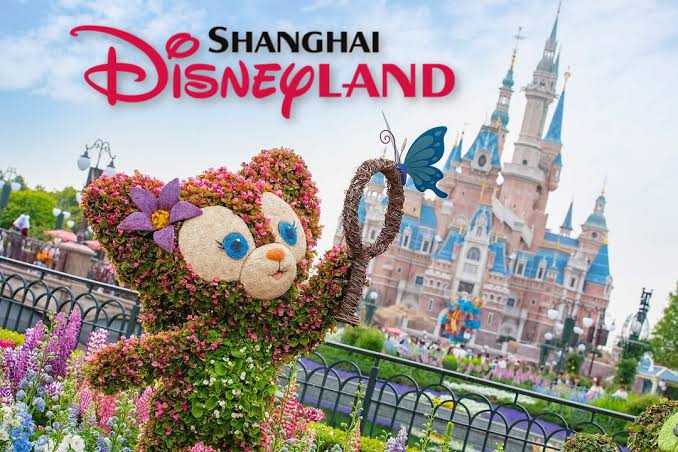
“There are thousands of years of cultures, customs, traditions that you have to consider,” Schott said while discussing the importance of creating something that resonates with a particular audience. The distinction is significant. Disney wants its experiences to remain recognizably Disney, but that does not mean simply copying something that worked in Anaheim or Orlando and placing it somewhere else. Food, entertainment, language, family traditions and cultural expectations all become part of the equation.
Rafalski described a similar philosophy at Disney Signature Experiences, particularly as Disney Cruise Line becomes an increasingly global business. She said entering a new market requires humility and a willingness to listen before deciding what the Disney experience should look like there.
The Disney Adventure provides perhaps the clearest current example. The ship was designed with guests from Asia in mind, resulting in decisions ranging from the prominence of Marvel to entertainment featuring stories and characters such as Baymax, Zootopia and Duffy and Friends. Even the food program was reconsidered, balancing regional dishes with familiar Disney favorites.
Disney Cruise Line’s rapid expansion also gives the company something particularly valuable, which is a way to introduce entirely new audiences to Disney Experiences. According to Rafalski, approximately 90% of guests aboard the Disney Adventure are experiencing Disney Cruise Line for the first time. Even more strikingly, around 50% have never visited a Disney theme park.
That means a Disney ship may increasingly become a guest’s first immersive Disney experience. Instead of Disneyland or Walt Disney World serving as the entry point into the broader Disney ecosystem, that relationship could begin aboard the Disney Adventure or one of the other ships joining the expanding fleet.
Rafalski said Disney continues to see encouraging occupancy and forward bookings, giving the company confidence that demand exists beyond the traditional markets Disney Cruise Line has historically served. Disney is also preparing to enter Japan through its longtime relationship with Oriental Land Company, building on more than four decades of experience understanding Japanese Disney fans. “We’re not just building ships,” Rafalski said. “What we’re doing is creating possibilities.”
The relationship between Disney and its international audiences is not one-directional. Filippatos explained that Disney’s international resorts can also serve as laboratories for ideas that eventually influence other destinations. She described the international parks as particularly “nimble” and “fast,” with teams willing to pilot ideas, test concepts and learn from the results. Because those destinations are generally newer than Disneyland and Walt Disney World, she believes there can sometimes be more permission to experiment. Those lessons can then move across the portfolio.
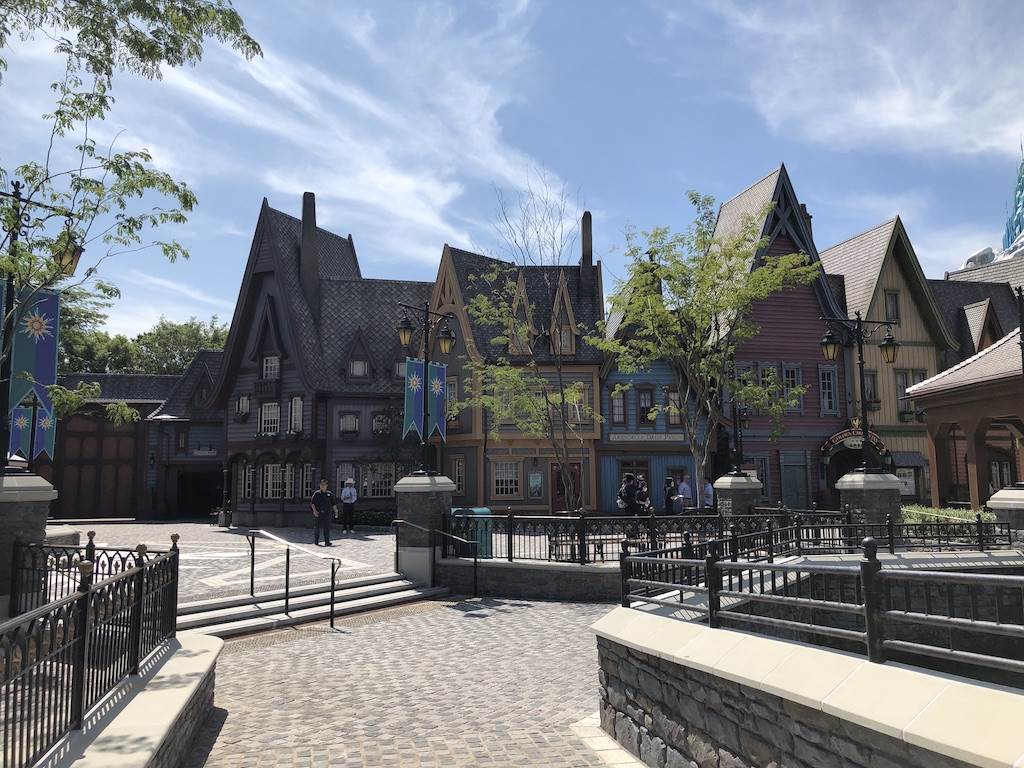
Filippatos pointed to the Frozen lands at Hong Kong Disneyland and Disneyland Paris as an example of teams learning from one another, even down to details such as how Cast Members interact with guests in a way that makes them feel like residents of Arendelle.
There is also a larger commercial lesson coming from the international parks. Filippatos highlighted Duffy and Friends, which has grown from a single character into a seven-character world with particularly passionate followings in Asia. She revealed that Duffy now generates approximately $500 million in annual retail sales. Of course, those sales only result due to the guest’s connection to those characters in the region.
Filippatos also connected that fandom to something Disney executives increasingly discuss, the famed Disney flywheel. A fan might enter the Disney ecosystem through a movie, game, product, theme park or cruise. But once an emotional connection forms, however, that interest can lead them into other parts of Disney. CEO Josh D'Amaro has talked a lot about that as part of his “One Disney” messaging, but it seems like Experiences leadership truly gets it. As they are a special part of the Disney ecosystem as they are the part of the organization that allow guests to physically enter the worlds they love. They can touch them, explore them, eat in them and interact with their characters. “It really does, I think, instill into not just an appreciation for the brand, but a love for the brand, a passion for the brand,” Filippatos said. And while the dreaded “brand” word was used frequently, you could tell that they all view the connection to Disney as being far more than just a brand.
Filippatos, for one, has been particularly struck by the intensity of fandom at Disney’s international parks. Some of those destinations have existed for only a fraction of the time Disneyland has, yet guests can exhibit the kind of emotional connection one might expect from families that have been visiting Disney parks for generations. They now wants to turn those relatively young relationships into multigenerational ones.
Estorino spoke personally about how her years working in Hong Kong and Shanghai changed her as both a leader and a person. One of the most important lessons she took from China was the central role food and dining can play in bringing families and friends together. She acknowledged that Disney may not have fully understood that when Hong Kong Disneyland initially opened, but said the company learned and applied those lessons in Shanghai.
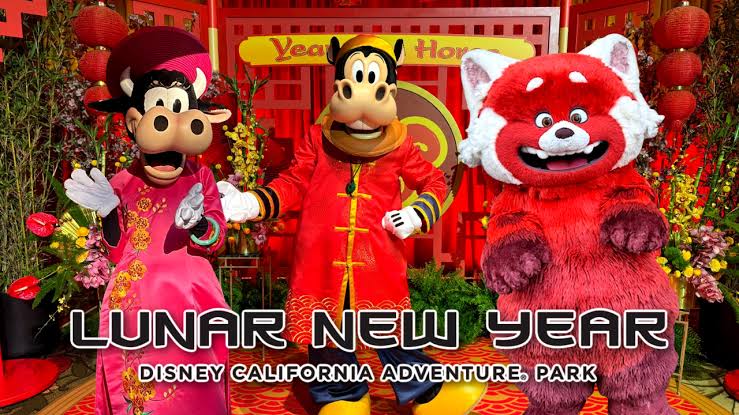
Now, as President of Disneyland Resort, Estorino sees opportunities to apply that international perspective in California. Disneyland already celebrates the region’s diversity through events such as Lunar New Year, while its food offerings increasingly reflect the cultures that have shaped California. Estorino said she wants to continue bringing that sensibility to Disneyland and take the resort’s food and beverage program “to the next level.”
At the same time, she believes Disneyland has something no other Disney destination can duplicate which its role as the park that Walt walked through and started it all. She echoes Walt’s concept that, “Disneyland to me is not just a place. It’s actually an idea.” That idea began with Walt Disney and eventually spread around the world. For international visitors, Disneyland can therefore represent something of a pilgrimage to the place where Disney’s theme park story began.
Estorino believes Disneyland’s Cast Members are central to maintaining that identity. Their longevity, institutional knowledge and pride help give the original resort a character that remains distinctive even as Disney parks continue expanding globally. Being the original does not mean Disneyland is standing still. Estorino pointed to a steady pipeline of new stories coming to the resort over the next several years.
For Estorino, Disneyland’s relatively compact scale is also part of its international appeal. Unlike Walt Disney World, it can serve as one component of a broader Southern California vacation that includes Los Angeles, Hollywood and the beaches. Disneyland becomes the heart of that trip rather than necessarily the entire trip.
Schott faces a different challenge at Walt Disney World. The Florida resort is enormous, with four theme parks, two water parks, nearly 30 resort hotels, Disney Springs and a transportation network that includes buses, boats, monorails and the Disney Skyliner. Yet its scale does not change the need for continuous improvement. Walt Disney World has recently shown a commitment to that through their reinvestment strategy that resulted in experiences such as the reimagined Buzz Lightyear and the Muppets Coaster. But even some of the improvements can be smaller than that with Schott adding Spanish-language capabilities to the Walt Disney World app as an example.
But that doesn’t mean Schott doesn’t know the value of large-scale experiences. He highlighted the unprecedented development currently underway across Walt Disney World, including Monstropolis at Disney’s Hollywood Studios, Tropical Americas at Disney’s Animal Kingdom, and Cars and Villains projects at Magic Kingdom.
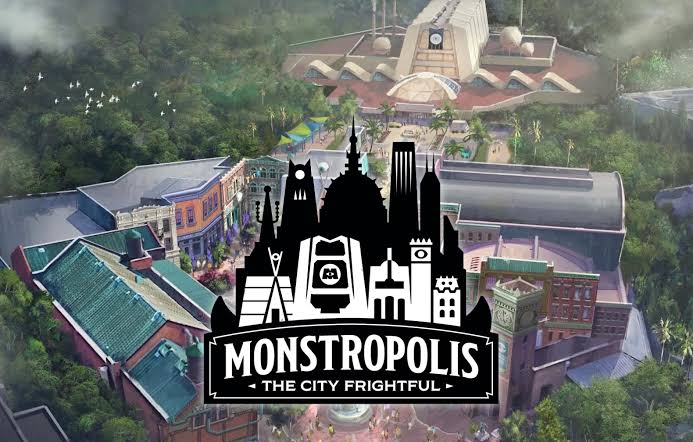
Those additions are not simply about increasing capacity. They are part of a larger effort to ensure that guests returning year after year continue discovering something new while the resort maintains the traditions that made them want to return in the first place.
Despite all the discussion of international expansion, immersive lands, cruise ships, digital tools and new attractions, the conversation repeatedly returned to something considerably more traditional: Cast Members.
Rafalski said that when Disney Cruise Line asks guests what made their vacation special, they frequently point to the way crew members made them feel. Nearly 90% of guests surveyed this year rated their crew interactions as excellent, according to Rafalski. “The Cast is our shining star,” Schott said. “They’re what people remember.”
That sentiment helped tie together a discussion that otherwise covered an enormous amount of ground. Disney Experiences is becoming larger and more international, and its leaders are thinking increasingly about social behavior, regional cultures, technology and the interconnected nature of the broader Disney company. Yet they also believe the company’s oldest strengths remain essential.
Perhaps the most revealing element of the discussion was how frequently Disney’s leaders talked about the future not in terms of individual projects, but in terms of generations. Filippatos said there are still millions of potential Disney fans internationally who have yet to visit one of the company’s parks. The opportunity is not simply to convince those people to make a single visit. Disney wants them to fall in love with the experience, return, and eventually introduce it to their children and grandchildren.
It is the pattern Disney has seen play out in the United States for decades, where a child who visited Disneyland or Walt Disney World eventually returns as a parent and perhaps later as a grandparent. Or even become a future member of a panel like this one as they become one of the company’s cast members.
That makes the current expansion of Disney Experiences considerably more than the attractions opening over the next few years. Disney is planting seeds for relationships it hopes can last for decades. The equation is relatively simple, even though, over the years, fans may have thought that leadership may have gotten it muddled. This group seems to get it. Get the guest experience right, and guests will come back. More importantly for Disney’s long-term ambitions, they may bring the next generation with them.