
Movie Review – "Everest: The Other Side" is a Tale of Love and Determination at the Heights of Impossibility


Everest: The Other Side is an adrenaline rush of a movie that will have you on the edge of your seat to the very last moment of the film.
Directors Elizabeth Chai Vasarhelyi and Jimmy Chin are no strangers to bringing thrilling stories to life on screen. From Free Solo to The Rescue, the pair have magnified tales of human endurance and super-human abilities through their thoughtful and nuanced, character-driven films.
Their latest film, Everest: The Other Side is truly unbelievable. The directing pair brings their power of the lens to the slopes of Mount Everest with renowned climbers, Jim Morrison and Hilaree Nelson, as they train for a once in a lifetime adventure of climbing the north face of Mount Everest and then skiing down.
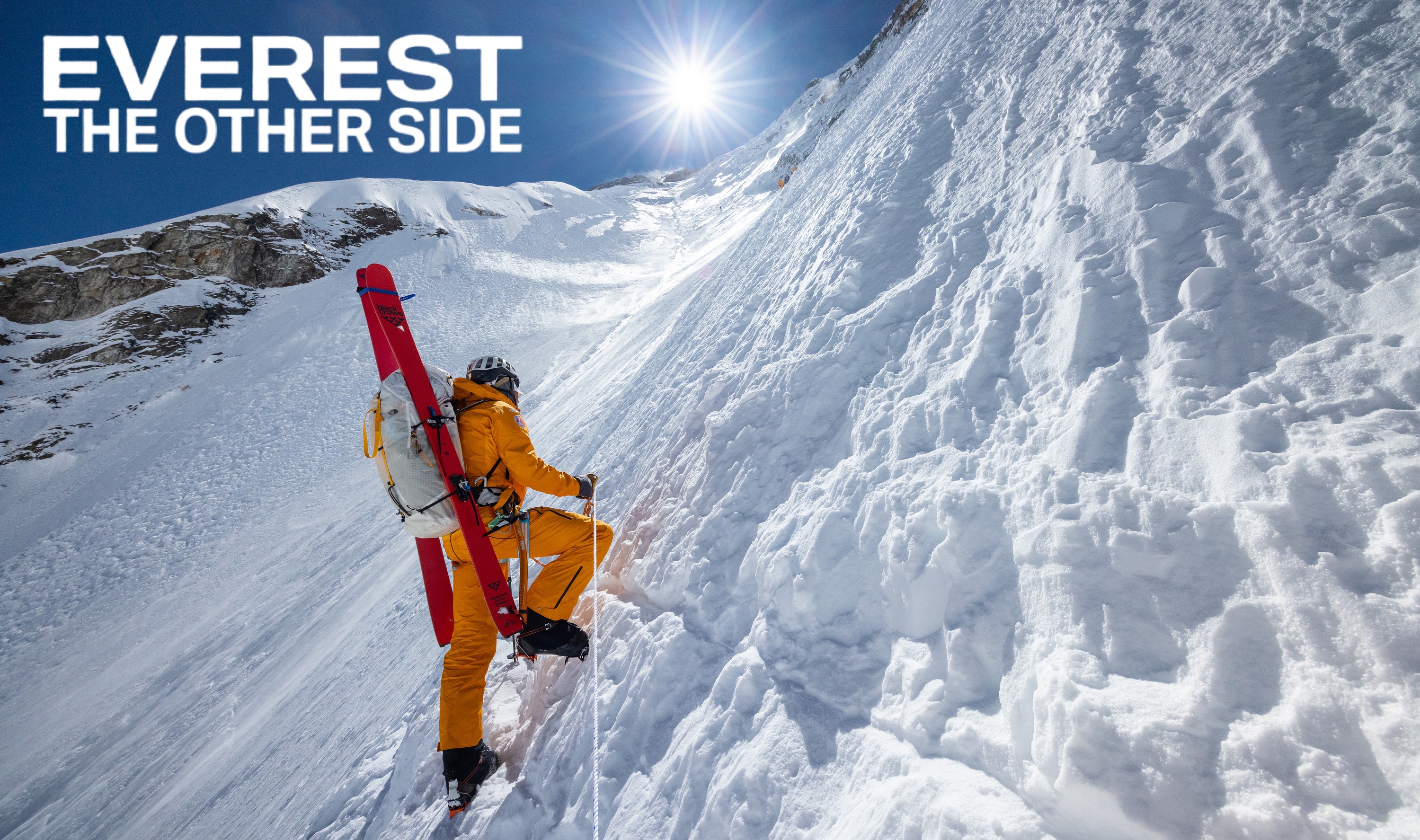
When the world hears stories about climbing Mount Everest, from George Mallory to the present day, they hear of climbers ascending from either Nepal or Tibet. No one climbs in China. The sheer face of the north side of the mountain makes climbing extremely difficult. Only a handful of people have done the North Face while ten thousand summit ascents have taken place via the Southwest Ridge in Nepal. A casual viewer might wonder why Morrison and Nelson would put their lives in danger.
This is why their story is told through the lens of Vasarhelyi and Chin. Through their own participation in the film, and through careful construction, what comes to life on screen is not the story of two daredevils, but rather an emotional story of family, and the internal drive that people have to accomplish something truly great. Morrison and Nelson have a connection to mountains, and hope to leave their mark in their sport. To do this, they choose to push the boundaries of what can and cannot be done.
In cinema their story could be mangled and butchered leaving the viewers cold to the reasons that make these two incredible athletes rise above the rest. Vasarhelyi and Chin give us incredible images of the perils and strength needed to climb these high mountains, but it is the explicit and raw love story between Morrison and Nelson which leaves the greatest impact on audiences.
Morrison and Nelson fell in love on the mountain and found a common bond of pushing the impossible together. The audience is not figuratively strapped to a rope watching people climb a mountain. We see Morrison and Nelson at home, on family trips. We meet Nelson’s kids, and hear their perspective on their mother’s ambitions, and their love for Jim as a stepfather.
Mountain climbing is extreme. This is a sport that is dangerous where even the best in the sport can be killed due to the unpredictable nature of weather on the mountains. In one poignant moment in the film, Vasarhelyi, while talking to Chin about Morrison and Nelson’s climb, wonders aloud just how many people that have eaten a meal at their house have died. Chin understandably says it will take a moment to list them all.
Climbing’s greatest state, beyond reaching the summit, is whether the climber returns home from the expedition. Too many experts in the world of climbing have died, including Nimsdai Purja, the man who climbed all the fourteen highest peaks in the world, which is wonderfully chronicled in the film 14 Peaks. Purja, like so many others was killed in an avalache.
These are not reckless individuals who wander onto a mountain with no training. They are some of the fittest and smartest people in the world, and even the best of them cannot outrun a mountain when an avalache falls onto them. The idea of not coming home is something that all high mountain climbers must accept before they set foot onto the mountain.
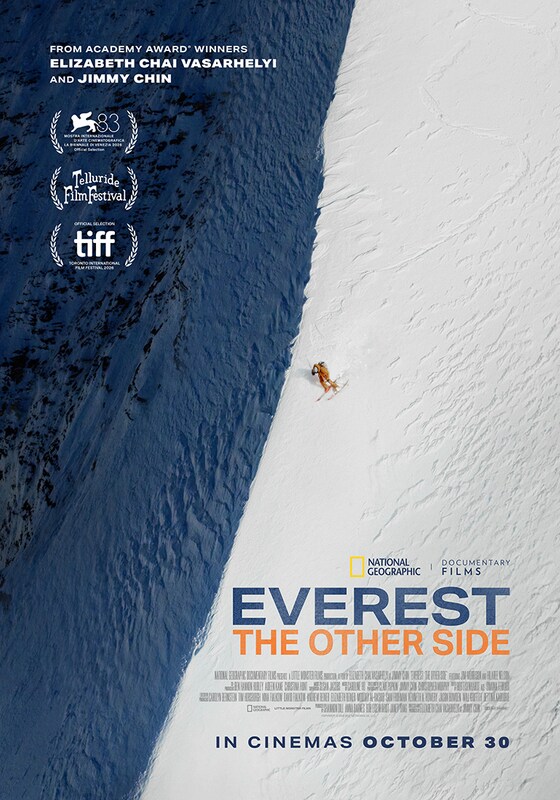
So why climb a mountain? Simple! As the adage goes, because it is there. This simplistic response to the question of what drives people to attempt these impossible feats never does diligence to the true motivations of these athletes. Everest: The Other Side delves deep into the people who live a life of going beyond what the average person can do.
Morrison and Nelson are the focus of the film, but Vasarhelyi and Chin also introduce the sherpas that make every trek into the Himalaya mountains possible. We hear Nelson’s kids talk about their concern for their mom, but we also listen to the mothers of the Sherpas talk about how they fear for their sons lives because they work in the mountains. Audiences get introduced to all the sherpas, but Yukta is a star on his own. We get to know this man, as he joins the expedition, and we understand why he climbs mountains. Yukta would sadly die in the avalanche which claimed Nimsdai Purja this past year.
Film has strived to show us the world, while also telling unique and incredible stories that appeal to the mass audience. In the last few decades, film has lost its shine because of the incessant need to reboot, or the mass marketing of sequels to anything that is a blockbuster. As much as I love a thrilling action movie that has superheroes saving the world, Everest: The Other Side is a movie that filled to the brim with everything that audiences want today, as well as a large beating heart of emotion and humanity. Rarely do we get to meet the people who make these epic journeys on our planet. We celebrate them when they accomplish something great, but we learn nothing about their lives.
These two individuals are of an uncommon breed of people. They have the heart of an adventurer, the compassion that you would want in a friend, and the love for each other that one would hope to experience.
Everest: The Other Side has a compelling story about the lives of incredible people, and the cinematography is as breathtaking as Morrison and Nelson’s passion for the sport. From the GoPro perspectives of the climbers to the long wide shots showing the scale of the mountains, with overhead drone shots that will make the audience cringe because of the sheer vertical drops that surround the narrow path of success for the climbers, audiences may not climb a mountain when they see this film, but they will feel the force of a coming avalanche and the relief of making it the tent in while camping on the mountain.
Elizabeth Chai Vasarhelyi and Jimmy Chin are two of the greatest filmmakers of the modern day. Their focus on humanity and the extraordinary people who are doing incredible things makes them a standout at TIFF 2026, and their brilliant film will leave audiences holding their breath until the credit's role. Watching Everest: The Other Side on an Imax screen is a must. You will feel the fear that mountain climbers push past, and you will forget that you are in a movie theatre.
Everest: The Other Side should bring Vasarhelyi and Chin another Oscar and the world will know Jim Morrison and Hilaree Nelson beyond the headline.