
A First Foray: The Early Work of Legendary Artists Featured in "The Fox and the Hound"


If we were to talk about The Fox and the Hound - which just so happens to turn 45 years old right about now - one might not realize how important it is in the Disney pantheon. Originally released in 1981, The Fox and the Hound was the 24th animated feature from what is now known as Walt Disney Animation Studios, but - frankly - hardly the most memorable. Sure it has its fans, many of which cite the relationship between Tod (the Fox) and Copper (the Hound) or even the song “The Best of Friends," but animation fans know this was the first real go-round for a number of legendary artists.
.jpg)
As a quick refresher, The Fox and The Hound tells the heartfelt story of an unlikely friendship between a fox and a hunting dog when they both are young. Tod is an orphaned red fox who is adopted by the kind widow Tweed, and Copper is the bloodhound puppy that belongs to their hunting neighbor, Amos Slade.
As they are young, they have no idea to the fact that they are - especially in their little world - natural enemies. They play together and even promise to remain friends forever. As they grow older though, Copper is trained to become a hunting dog under Slade and a mentor dog, Chief. This, of course, tests the friendship between Copper and Tod and pushes them onto opposite sides.
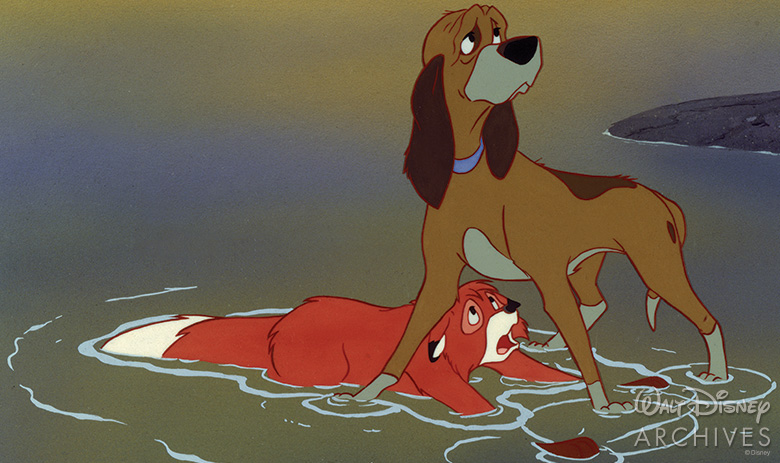
Fans also love the movie because of its emotional maturity. It’s not a fairy tale, and while there is a civil and mature ending, many wouldn’t necessarily call it a “happy” ending in the same way other Disney stories have a happy ending. We won’t spoil it here (though you’ve had 45 years), so just go ahead and watch it, streaming now on Disney+.
The unique story could have some folks say that could be why it stands out in the history of the studio, but that’s not the story I’m here to tell you today.
The Fox and the Hound is a milestone in the studio’s history because it marks a true “changing of the guard” moment in Disney Animation. The Fox and the Hound is marked the generational bridge between the legendary Nine Old Men and a whole new crop of animators that would become legendary in their own right. Some could even point to the credits of The Fox and the Hound and think - especially when looking back - that it’s basically an animation hall of fame roster.
Production on the film started back in 1977, largely as Walt’s famous group of legendary animators, the Nine Old Men, were retiring. As such, a new swath of talent - mostly handpicked from the California Institute of the Arts (or CalArts) - arrived at the studio. However, the production was delayed quite a bit when Don Bluth, Gary Goldman, John Pomeroy and other animators abruptly left Disney to start their own studio.
Early scenes and character development were done by veteran animators Frank Thomas, Ollie Johnston, and Cliff Nordberg. This left the remaining new talent to finish the film alongside the vets.
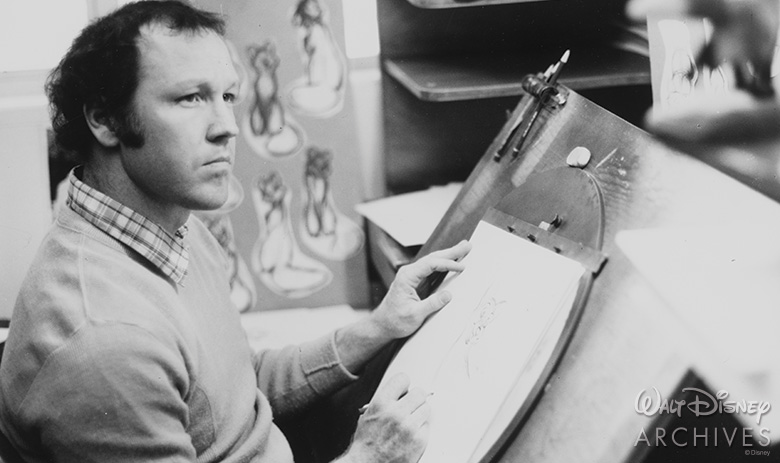
Among those names is Disney Legend Glen Keane. For The Fox and the Hound, he supervised the animation of Vixey and Tod, as well as the thrilling climax near the end of the film featuring a towering bear. While Keane had previous work on The Rescuers and Pete’s Dragon, it’s really in The Fox and the Hound that you can see a bit of foreshadowing for later in his career - especially when it comes to his character designs and animation of The Beast in Beauty and the Beast. In fact, this sequence featuring the bear is still studied in some animation classes by students, thanks in large part to Keane’s artistry depicting the animal’s weight, anatomy, and movement. While I mentioned The Beast, Keane’s filmography also includes Ariel in The Little Mermaid, Aladdin in Aladdin, Pocahontas in Pocahontas, and another titular character, Tarzan in Tarzan. Later, he would also animate John Silver in Treasure Planet, and serve as an Executive Producer, Animation Supervisor, and Directing Animator for Tangled, playing a big part in the animation of Rapunzel. In 2007, he received the prestigious Winsor McCay Award for Lifetime Contribution to the Field of Animation, and is one of a handful of artists who have been working across multiple eras of animation at the Disney studio.
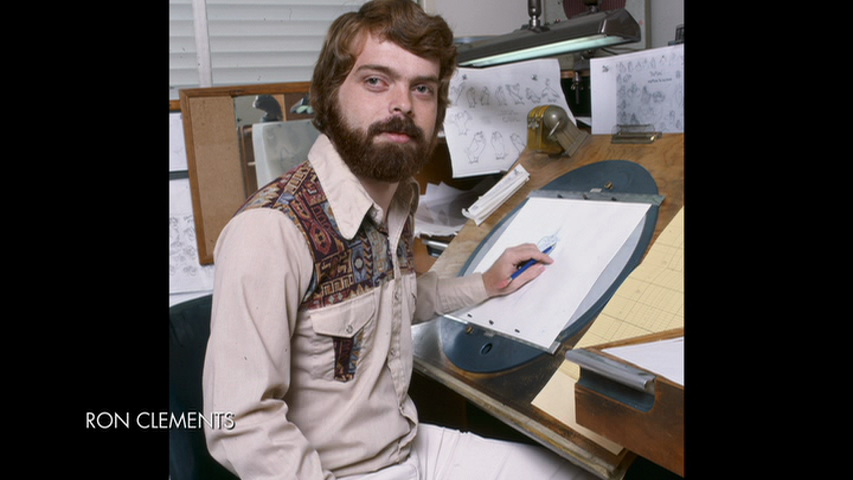
Supervising the animation of Big Mama in The Fox and the Hound, Ron Clements is more widely known for his work alongside John Musker becoming one of Disney Animation’s defining directors. While tapped to animate, and recognized for doing so, Clements had a particular fondness for story work. While animating Big Mama, Musker worked under Clements and later gravitated along with him into story and directing.
Together, they all but created the Disney Renaissance era, helming The Great Mouse Detective, The Little Mermaid, Aladdin, and later Hercules, Treasure Planet, The Princess and the Frog, and most recently, Moana.
Some forget that John Lasseter even worked at Walt Disney Feature Animation (now Walt Disney Animation Studios), but one of his earliest assignments was on The Fox and the Hound. At the time, he was one of Disney’s newest hires and he was tasked with animating Copper’s introduction into the film. It’s a charming moment, but Lasseter flipped the switch and also assisted Glen Keane with animation on the aforementioned bear fight. It wasn’t too long after this that Lasseter teamed up with Keane again on an animation test experimenting with computer animation, in the hopes of producing a feature film in the medium - The Brave Little Toaster. While that is another story for another time, it ended with Lasseter’s departure from the studio and into a seat with an upstart graphics division at Industrial Light & Magic, which would later be known as Pixar Animation Studios. Lasseter would later return to Disney when the company purchased Pixar, and put him as Chief Creative Officer of Pixar and Disney Animation.
Largely because his style didn’t really match Disney’s house aesthetic, Tim Burton made limited contributions to The Fox and The Hound as an animation apprentice. Some reports note that Burton’s animation of Vixie looked “like roadkill” and he was then tasked with more distant shots of characters. However, that doesn’t mean he didn’t have a place at the studio. He shifted into concept art and development, contributing to early renderings for The Black Cauldron - the movie that would follow The Fox and the Hound. He was paired with future Disney Legend Andreas Deja, best known for animating Disney villains like Gaston, Scar, and Jafar. Together, they shared an office to brainstorm concepts for The Black Cauldron with the hopes that Deja would “Disneyfy” his work. Deja said on his blog in 2011, “I did try to go over his drawings, and each time I altered them to make them look closer to the Disney conventional style, I noticed that the essence of Tim's designs got lost.” Burton would end up leaving Disney after the studio didn’t use his ideas and concepts - and moved on to films like Pee Wee’s Big Adventure, and later worked with Disney again on animated projects like The Nightmare Before Christmas and Frankenweenie before adapting some animated classics into live action like Alice in Wonderland and Dumbo.
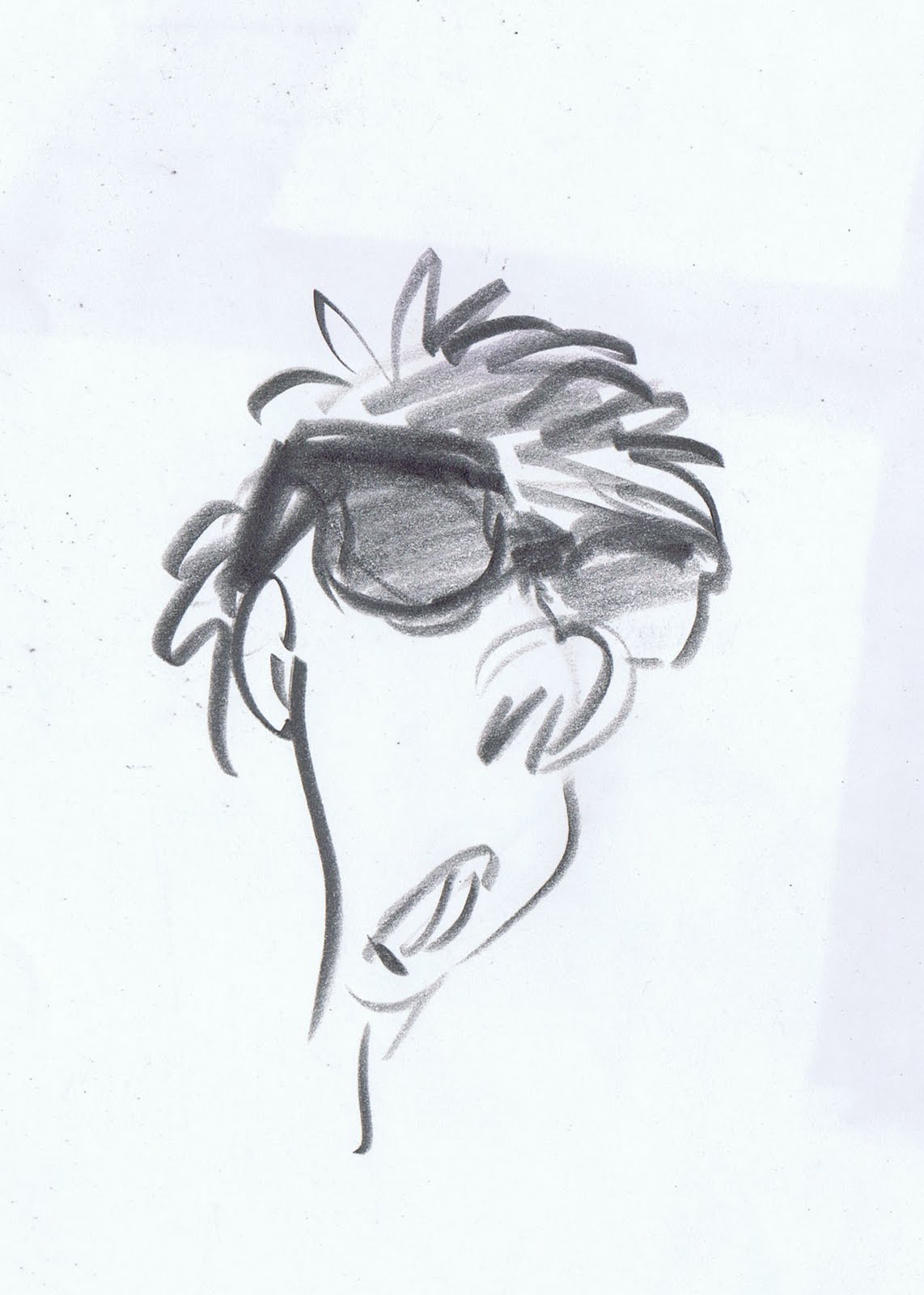
While his time was brief as an animator on The Fox and the Hound, Brad Bird enjoyed his time learning the craft with mentors like Milt Kahl, Ollie Johnston and Frank Thomas - the latter two of whom would later appear in his Pixar Animation Studios film, The Incredibles. Bird was reportedly quite outspoken regarding the management at the studio and their unwillingness to take risks - which supposedly led to his firing. Afterward, he went into story and writing, contributing to TV series like Amazing Stories and films like Batteries Not Included before landing himself as a director on numerous episodes of The Simpsons and consulting on other animated programs like The Critic and King of the Hill. All of this led up to his feature film The Iron Giant, before landing at Pixar and helming his movie, The Incredibles.
While we already mentioned The Nightmare Before Christmas and Tim Burton, it’s important to note that that film was directed by Henry Selick, who was another young animator that worked under Glen Keane on The Fox and the Hound. While he was a character animator on the movie, he also contributed to layout planning and mapping out different shots. Selick would make a big jump from 2D animation into experimental and stop-motion animation, like the aforementioned Nightmare, but also with James and the Giant Peach and later, Coraline.
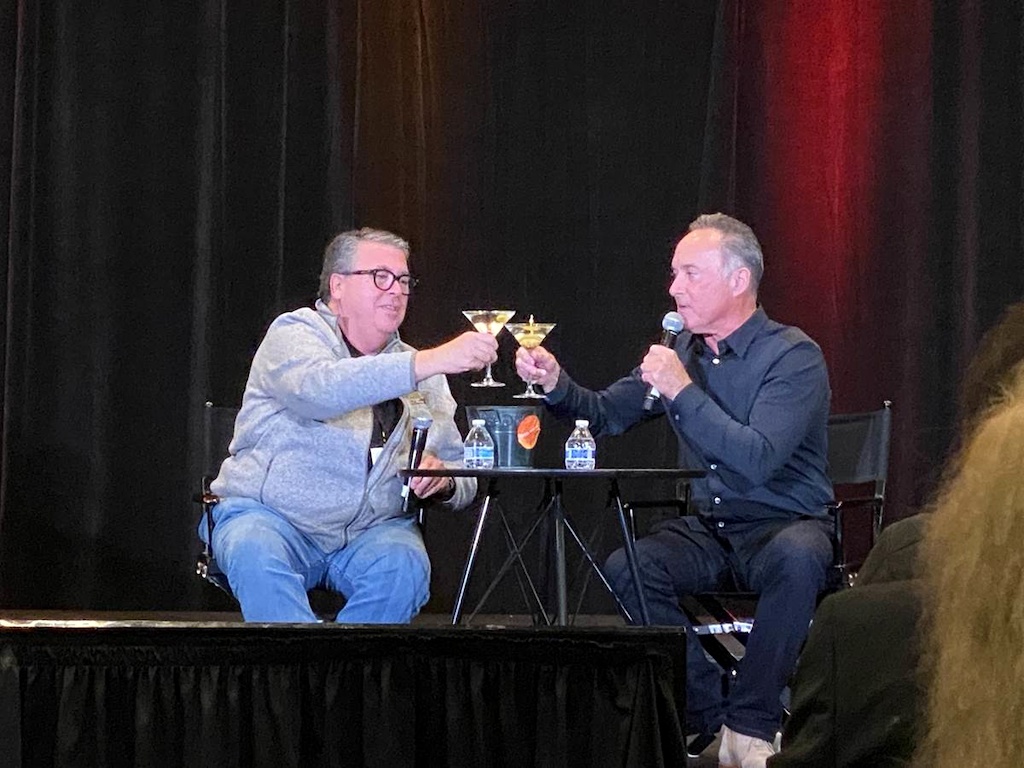
Mike Gabriel began his animation career on The Fox and the Hound, starting as an in-betweener and assistant animator on the film. His role was expanded to allow him to step-up and help finish the film after the Bluth-led exodus in the middle of production. He worked with veteran animator Dave Block, and learned a lot of the fundamentals of the craft. Gabriel would later go on to co-direct The Rescuers Down Under and Pocahontas. He also was nominated for an Oscar for the 2004 animated short, Lorenzo.
Chris Buck, who would later be known for his direction on the cultural phenom, Frozen and its sequel, Frozen 2, also served as a character animator on The Fox and The Hound. Buck has had his hand in nearly every animated film from the studio in between, and after including 2023’s Wish, which he also directed.
Those are just a few names that folks might recognize but there are plenty of others who worked on The Fox and The Hound. Ron Husband, Randy Cartwright, Dale Baer, Ruben Aquino, Alex Kuperschmidt, Eric Larson, David Pruiksma, and many others all contributed their efforts - many of whom went uncredited on the film.
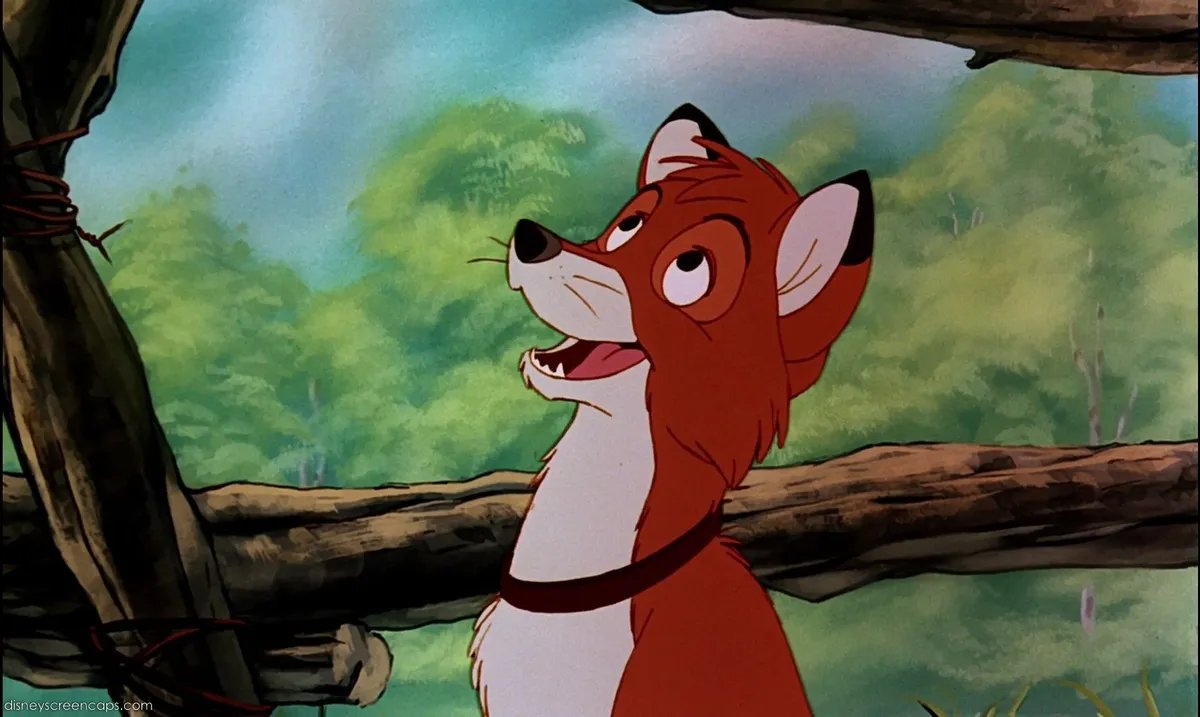
While the film was considered a success at the time, pulling in $63 million worldwide on a budget of $12 million, it was the crew behind that would usher in a whole new era at the studio and bring us the Disney Renaissance of the late 80s and early 90s. It doesn’t help that The Fox and the Hound was the last film from the studio before The Black Cauldron, which is widely regarded as the lowest point in the animation studio’s history.
While some may not remember all the fun characters and moments that came from the movie (and later heartbreak from that ending, they certainly know the art and projects that would come from the crew who first started to dip their toes in the proverbial water on The Fox and the Hound.
The Fox and the Hound is now streaming on Disney+.