The Brave Little Toaster: The "Disney Movie" That Isn't A Disney Movie


Jump with me into our favorite animation time machine. This time, we’re going to tell the very strange story of why you think The Brave Little Toaster is a Disney Movie —- but it totally isn’t.
_1.jpg)
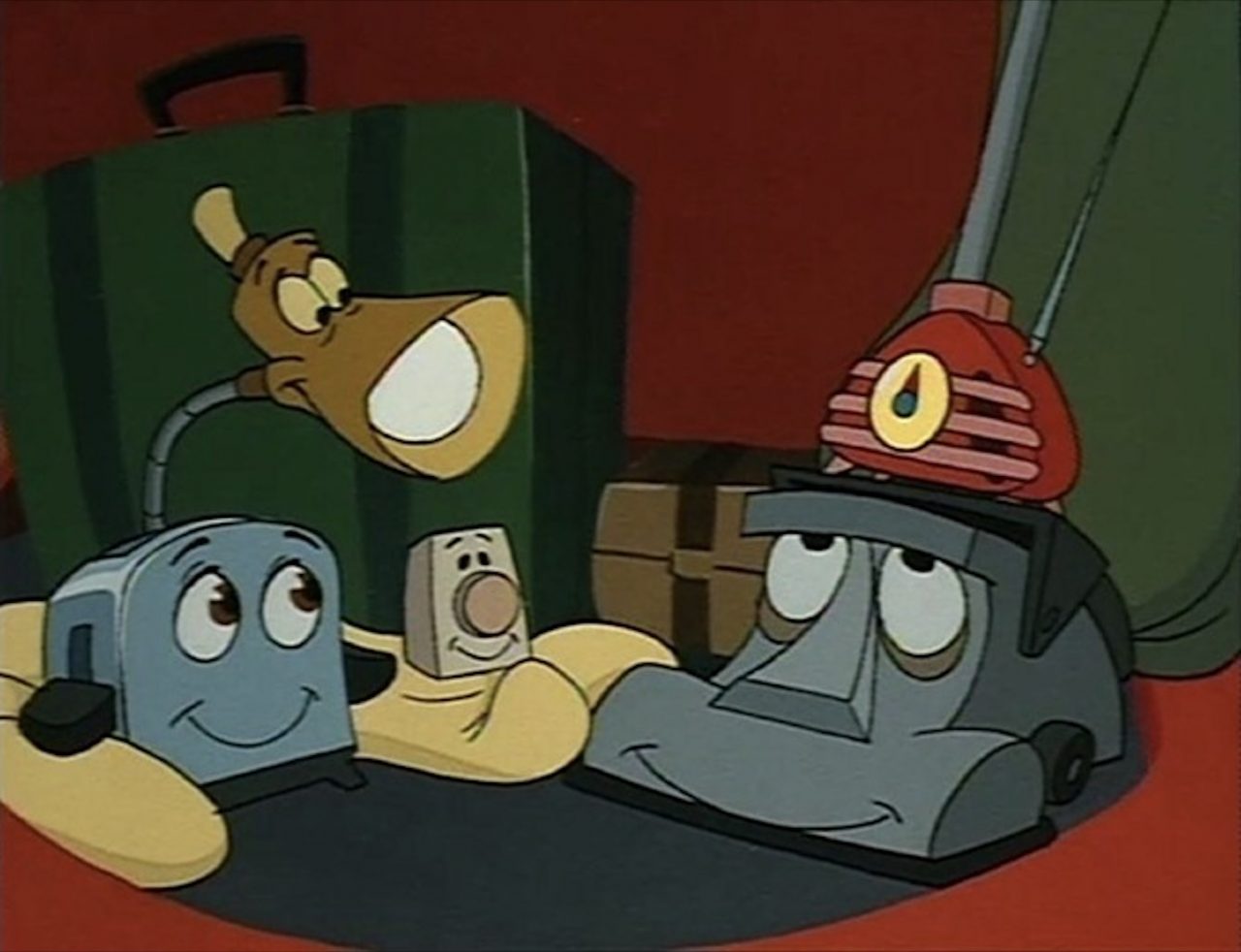
You might know the movie. A cult-classic animated fantasy adventure film that stands out for being surprisingly dark and emotionally intense, following five sentient household appliances living in a summer cabin. Toaster (the unofficial leader), Lampy (a nervous desk lamp), Blanky (an anxious electric blanket), Radio (a dramatic, old-fashioned tube radio) and Kirby (a vacuum cleaner). They all belong to a boy named Rob, whom they call “the Master.” When they realize the cabin has been abandoned and is about to be sold, they believe Rob has forgotten them. So they set out on a journey to the city to find him.
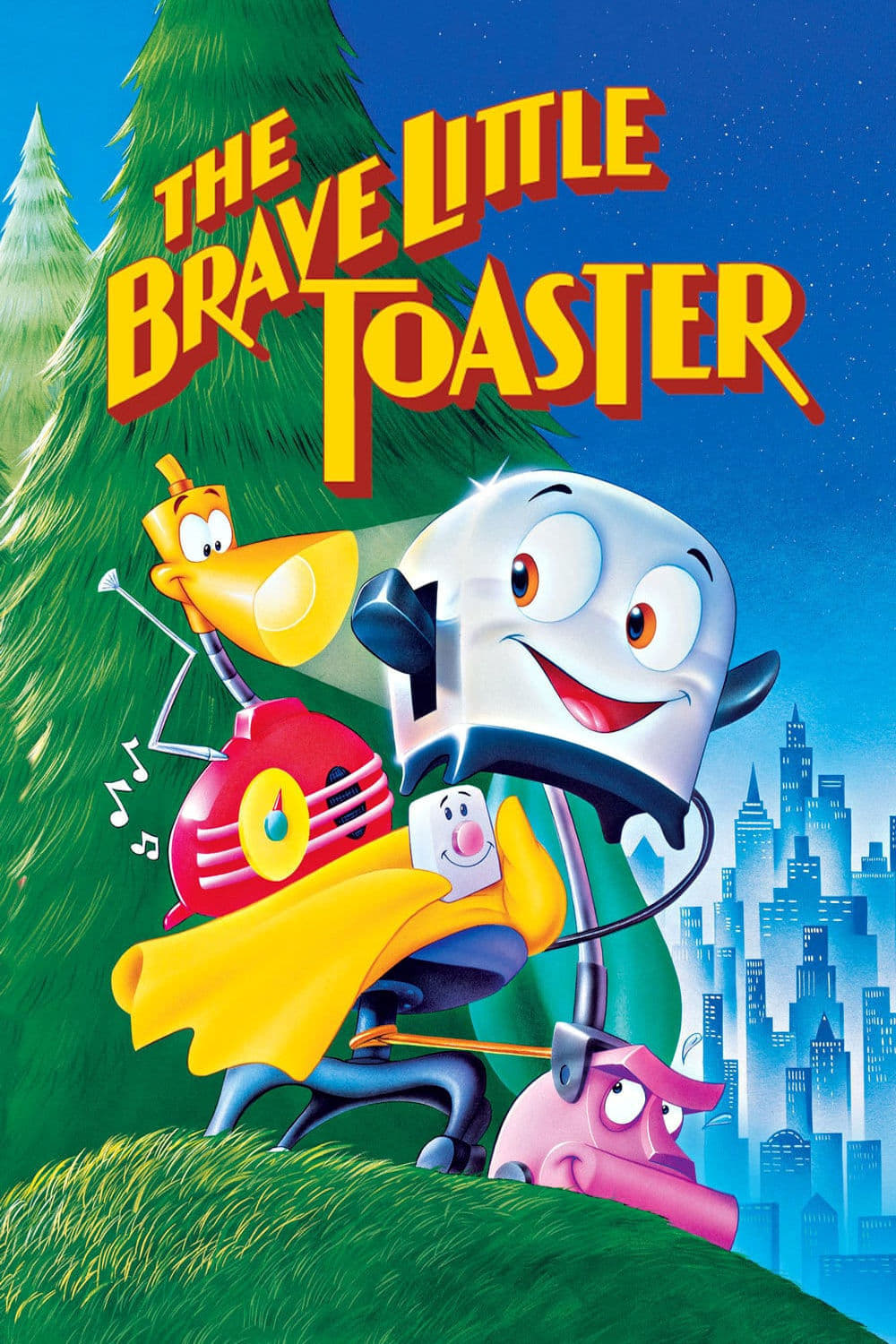
This could fall into the all-too-simple (and frustrating for animation fans) argument of “well it’s animated, so it must be Disney.” A common thought, sure - lumping everything from Shrek, to Anastasia, to Titan A.E., to The Land Before Time, and The Prince of Egypt - the list goes on and on. Though, some of these (lookin’ at you Anastasia) are now under the Disney umbrella through a number of various acquisitions. That idea of ownership is where we will spend most of our story today, and a bit about how oddly historical the film is.
The Source Material
Known for more darker, satirical, and speculative fiction, author Thomas M. Disch is the author behind a novella that first appeared in The Magazine of Fantasy & Science Fiction. That novella, The Brave Little Toaster, reads like a children’s story but features themes of consumer culture, obsolescence, mortality, loneliness and more under the guise of appliances come to life.
For those unfamiliar, the story of The Brave Little Toaster follows, unsurprisingly, a toaster, along with a lamp, radio, electric blanket, and vacuum cleaner who travel across the country to reunite with their owner (whom they refer to as their “Master”).
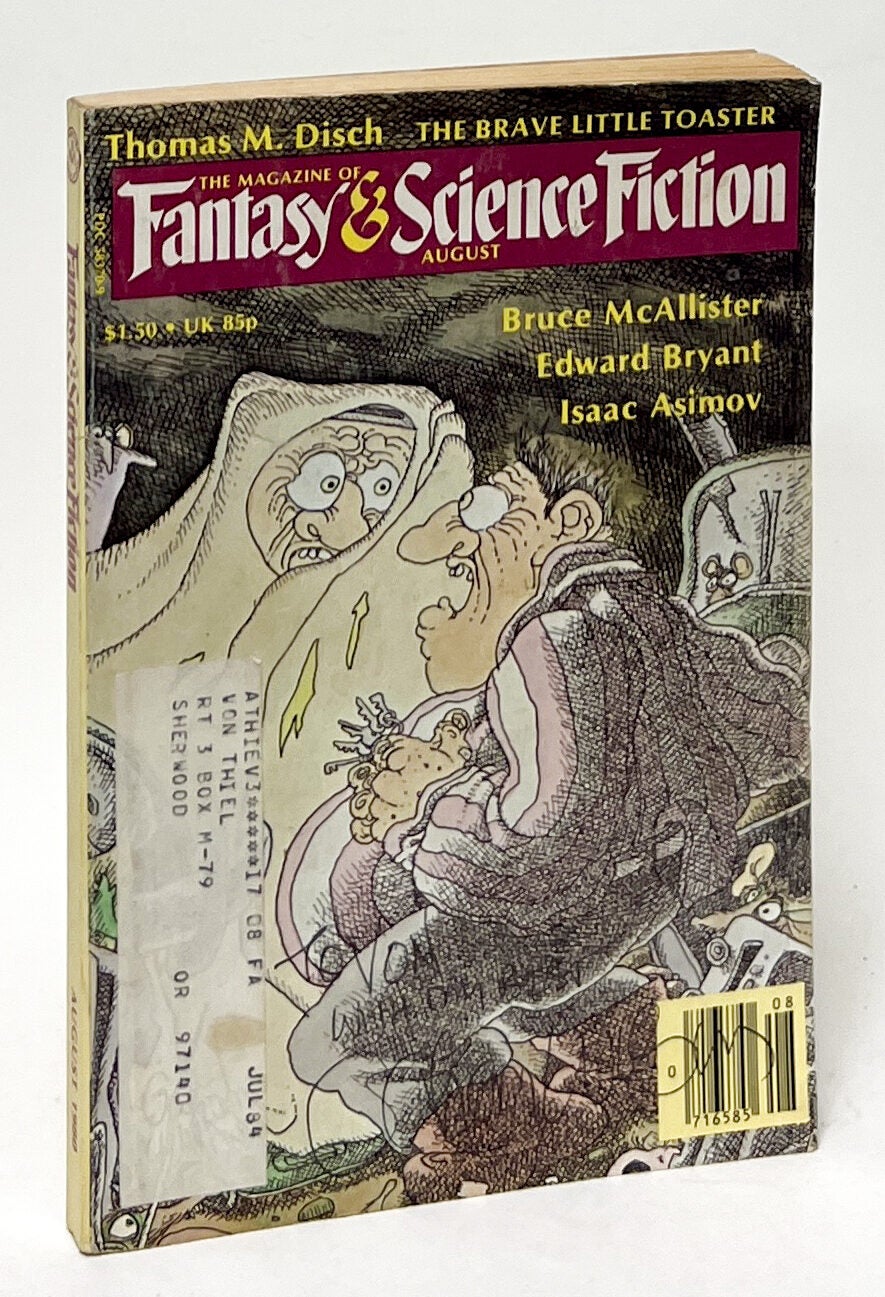
The novella was reportedly difficult to shop around, as publishers initially resisted the idea as a children’s book, as the idea of talking appliances seemed too strange. Regardless, the story quickly became an acclaimed favorite in science-fiction circles, nominated for both Hugo and Nebula awards, and winning others in the genre.
The Walt Disney Company purchased the film rights to the story in 1982, only two years after the story was originally published.
The Pitch
Meanwhile, at Disney Animation, two young animators had seen TRON and realized that computer graphics could change the face of animation. Becoming fascinated with the idea, animator John Lasseter teamed up with Glen Keane and spent sometime creating a test film, where the backgrounds would be computer generated, combined with traditional hand-drawn character animation.
Inspired by the story Where the Wild Things Are, you can see how unique the film would look, especially for the early 80s. After this test, Lasseter then went and pitched The Brave Little Toaster as a feature-length animated film using computer animation. With the mechanical nature of all the appliances, it seemed like a natural fit.
At the time, the Disney company was run by Walt Disney’s son-in-law, Ron Miller, with Ed Hansen overseeing the Animation studio. This pitch has become something of a legend for a number of reasons - mainly because it led to the departure of John Lasseter from Disney Animation, violently lurching history forward into his role in the creation of Pixar Animation Studios.
As he explains in The Pixar Story, a documentary by Leslie Iwerks that chronicles the creation of the iconic animation studio, Lasseter himself explained that Disney leadership at the time (referring to Miller, but not naming names) asked how much the movie would cost and how long it would take. When Lasseter explained it would be just as much and take as long as any other animated feature film, he was told that “computers should make animation faster or cheaper.” He was then called into Hansen’s office, told his project is now complete, and as such, his employment at Disney would now be terminated.
In author Steve Anderson’s book, Disney In-Between, we learn a whole lot more about this tumultuous era at The Walt Disney Studio (between Walt Disney himself and Michael Eisner) and get a bit more insight into this meeting.
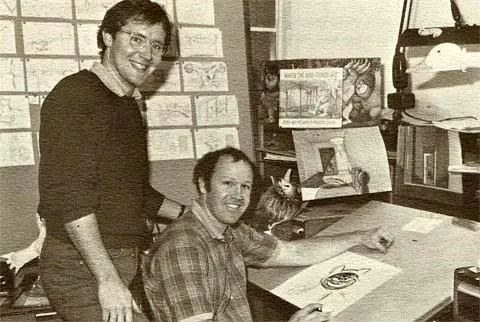
Anderson explains that Lasseter had been working with Tom Wilhite, an executive at the Disney studio - namely in their live-action department. It was Wilhite who secured the rights to The Brave Little Toaster for Lasseter, seeing the potential of the story as a film. Together, they brought story artist Joe Ranft and Brian McEntee to develop the story into a feature, and went and pitched the movie.
At the time, Hansen had been hearing complaints about Lasseter being absent from projects he was already assigned (in favor of Toaster), but, according to Anderson, becoming more incensed at the idea that Lasseter was developing an animated film with Wilhite, a live-action executive.
In an interview also noted in the book, Wilhite said that “Ed and I had a separate meeting with Ron in which I gave the pitch on why we should make this movie and Ed basically gave the pitch on why it wouldn’t be a good thing to do. Ron voted for Ed.”
A Non-Disney Hyperion
Wilhite left Disney in 1983, after he had been a vice president of production and one of the key executives pushing the company toward more ambitious live-action (and yes, animated) projects like TRON and even early development on Who Framed Roger Rabbit.
While Wilhite has never publicly specified one single reason for a departure, staff and historians cite several factors - one of which is the resistance he often faced on projects he supported - like The Brave Little Toaster.
Wilhite was associated with a younger, more experimental creative movement inside the studio that pushed for innovation and risk, mature storytelling, and new tech, but still had to deal with leadership at the time being more cautious or rooted in what Disney “should be.” Especially after the underperformance of their risky film, TRON.
Those familiar with Disney also know that 1983 is just shy of a major shakeup at the company, as CEO Michael Eisner, COO Frank Wells, and Studio Chairman Jeffrey Katzenberg arrived in 1984.
Wilhite went on to create Hyperion Pictures alongside Willard Carroll. The company, despite having a name that borrows from Hyperion Avenue where Disney had their original animation studio in the 1920s and 30s, is an independent production company. Upon his departure, Wilhite, who had been developing The Brave Little Toaster, asked Miller to let the new company have the rights so he could continue developing the picture. Miller agreed.
The Production
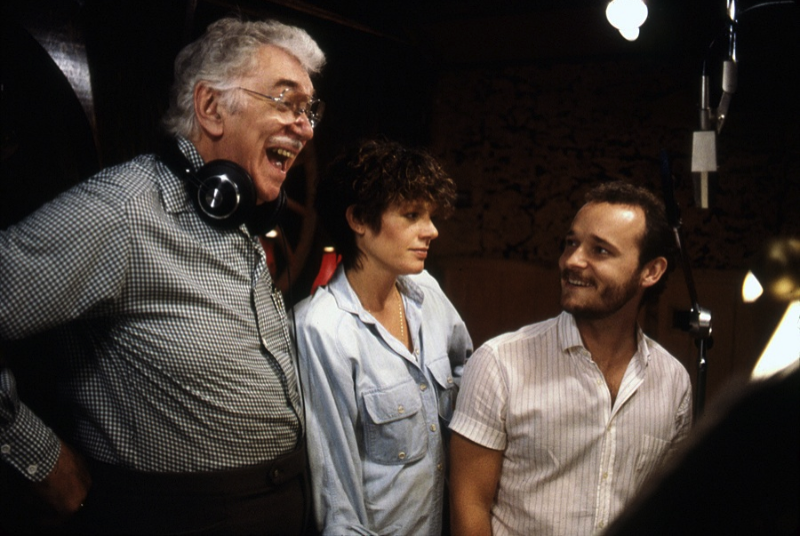
Wilhite and Hyperion had the rights, and they were going to produce the movie. Tapping Jerry Rees to direct (who had reportedly developed an idea similar to the Where the Wild Things Are test himself), Rees and Story Artist Joe Ranft and Brian McEntee worked on the script, shopping the project around. Rees also did something that would echo into the animated films of the late 80s and early 90s that was unheard of at the time - casting comedians (specifically improv comedians) into the roles of the main characters of the movie. Jon Lovitz, Phil Hartman, Tim Stack, Deanna Oliver, and others from LA’s The Groundlings were perfect as they were used to the idea of pretending they themselves were something they're not or interacting with something that wasn't there.
Additionally, Hyperion teamed up with the Kushner-Locke Company to produce the movie, another independent film and TV production company known for a wide range of feature films, TV Series, and made-for-TV movies, often for cable and syndication markets.
They were able to raise a budget, but not enough for a computer animated film needed at the time, meaning that the movie would be animated traditionally. Wilhite maintained a number of relationships at Disney after leaving, and got the attention of Jim Jimirro, an executive at The Disney Channel. This led to Disney getting key ancillary rights, with exhibition rights on Disney Channel and U.S. Home Video distribution rights through Walt Disney Home Video.
That’s it. The limited theatrical release that The Brave Little Toaster saw was handled by Hyperion in the United States and ITC Entertainment internationally. Not Walt Disney Pictures.
The Confusion
That theatrical release was planned, with an arthouse distributor (largely noted as Skouras Pictures) attached to handle the release aimed more at college and adult audiences as opposed to kids. This would sort of tie-in to the original reception of the original novella as well. The plan unraveled before the nationwide rollout occurred.
This was because of those Disney Channel rights. Disney had already secured those and planned to premiere the film on the Disney Channel. Once they moved their premiere date to July of 1987, it undercut the theatrical distribution and the ability to build a profitable release window. Perhaps a precursor of the streaming era? With the TV exposure arriving first, the theatrical strategy collapsed. The distributor pulled a full theatrical release, as the economics made no sense. At the time, the idea was “why push a theatrical run if viewers can see it soon on cable television?”
That said, the film did appear in theaters, notably a limited arthouse circuit. It appeared in festivals like Sundance, specialty theaters, college-town venues, and short runs in major cities. However, most people knew the film from those Disney Channel runs. Imprinting upon the brain of a generation - “This is on the Disney Channel, so it’s a Disney movie.”
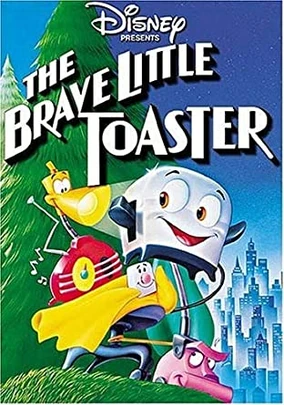
Further adding to the confusion, any home media release came from Disney, so it had the Disney stamp on the Laserdisc, VHS, or DVD case. Even more confusing, The Brave Little Toaster spawned sequels in the late 90s with The Brave Little Toaster to the Rescue and The Brave Little Toaster Goes to Mars. Both were produced with Disney holding more rights, meaning they have been able to package, release, and stream them without the same legal uncertainty as the original.
Hyperion went on to produce other animated titles like Rover Dangerfield and Bebe’s Kids, as well as TV shows like Life with Louie and even have involvement in Disney Channel’s The Proud Family. But none of those titles are lost in legalese the same way that The Brave Little Toaster is.
When Disney+ arrived, fans noticed that they could watch either of The Brave Little Toaster’s sequels, but not the original. While the way I’ve described it here might give you a simple answer - it’s still even more complicated. Over the many years, the original film’s rights have become fragmented, thanks in large part due to Hyperion and Kushner-Locke changing ownership structures. Deep dives show how murky the legal water surrounding this production has become, and some say that even identifying the exact current rights holder at any given time has become difficult.
The biggest culprit in regards to Disney+ though, is that Disney did not retain full long-term ownership of all their distribution and home video rights. This left streaming and digital rights unattended in regards to Disney, a distinction that became critical once Disney+ was available, and leaving The Brave Little Toaster behind upon its debut.
So, to finally get the film on to Disney+, there had to be a resolution of the fragmentation, and by all accounts, for The Brave Little Toaster, it appears to be a combination of possible buyout of remaining distribution rights from whatever successor entities held Hyperion/Kushner-Locke’s interests, and a global streaming license agreement that grants Disney limited-time or perpetual streaming rights.
Regardless, The Brave Little Toaster, The “Disney Movie” that isn’t a Disney movie is now available on Disney+ as part of a new set of throwback classics.