
What Other Disney Divisions Can Learn From Disney Experiences


Disney fans got an embarrassment of riches when the latest episodes of We Call It Imagineering and Disney Unscripted arrived on YouTube at the same time. The Walt Disney World episode of We Call It Imagineering explored the role of storytelling in classic and upcoming experiences, including new touches coming to Magic Kingdom’s Pirates of the Caribbean. Meanwhile, Disney Unscripted took us behind the scenes as the holidays came to World of Frozen at Disney Adventure World for the first time. The formats were different, but both offered something I wish we saw more often across Disney: they both provided a chance to spend time with the people whose passion makes these experiences possible.
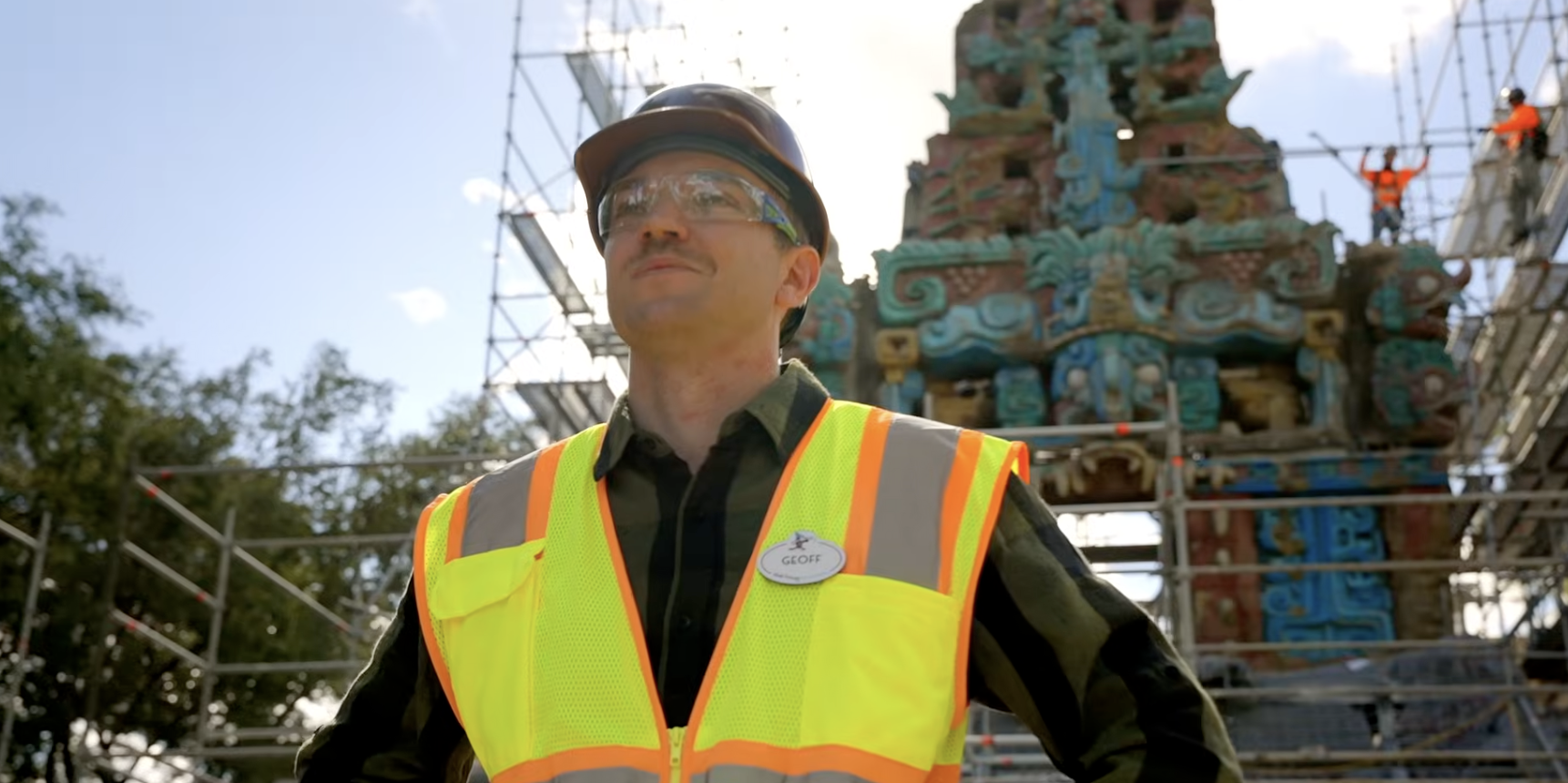
I might question the decision to release both episodes at the same time, but I am certainly not going to complain about having nearly 40 minutes of this kind of content to enjoy. With Disney Experiences in the midst of a major investment cycle, there is plenty to explore, from entirely new lands to the smaller enhancements that keep familiar attractions fresh. These shows give us a look at that work while helping us feel more connected to the organization behind it. That connection can last well beyond any individual project.
Part of what makes these shows work is their confidence in the material. There is no need for a host to manufacture excitement or awkwardly imitate the style of a content creator when the people doing the work have so much to share. Talented hosts and established creators can certainly bring something valuable to Disney programming, and fans of a certain age will always have fond memories of Eric Boardman, J. D. Roth, and Brianne Leary. But what I appreciate here is that Imagineers and Cast Members have room to explain their choices in their own voices. Their enthusiasm gives us a reason to care without anyone having to tell us how excited we should be.
In that respect, these shows recall the spirit of Walt Disney’s own television appearances, when he would take viewers into WED or show them what was happening at Disneyland. Walt understood that the work itself could be entertaining, and that introducing audiences to the people behind it could deepen their interest in the finished experience. Watching something come together gave viewers a personal stake in what Disney was creating.
That sense of access is especially welcome now. There have been periods when Disney’s willingness to let us follow the creative process has felt more limited, particularly when a project was still taking shape. What I appreciate about Imagineering’s current approach is the willingness to show some of that development, including the experimentation and iterations that happen along the way. Through SXSW presentations, fan events, and YouTube videos, Imagineering feels especially accessible and alive. Even the launch of the Imagineering Labs app shows a willingness to be more open with fans. Presumably, much of that energy was always there internally, but inviting fans to see it gives us something to be excited about between attraction openings.
That is why I wish the rest of The Walt Disney Company would follow Disney Experiences’ lead. Too often, the entertainment side of the business seems focused on generating interest in the next title without doing enough to sustain affection for the studio making it. Some of Disney’s creative brands are better at this than others, but I would love to see more of the energy, collaboration, and personality that exist between releases. A film’s marketing campaign can be part of an ongoing relationship with a studio, with each new project giving audiences another reason to care about its work.
The way we encounter that work has also changed. A film once had multiple opportunities to return to the conversation through its theatrical run, home video release, and eventual television debut, often spread across a year or more. Now, many films move from theaters to Disney+ within a matter of months. Those shorter windows make it even more valuable to maintain a relationship with audiences beyond the immediate push for a particular release.
DVD bonus features once played a wonderful role in building that relationship. A making-of documentary could introduce us to the personalities at Pixar or Walt Disney Animation Studios, show us how an idea evolved, and give us a sense of the fun and frustration involved in bringing it to the screen. We could come away with affection for the people and place that made it, along with an appreciation for the film itself.
That affection has real value when a studio asks audiences to try something unfamiliar and reduce dependency of sequels. If viewers feel connected to Pixar or Disney Animation, the studio’s name can become a reason to take a chance on an original film before its characters have become household names. Familiarity with the creative culture can help build confidence in the next story, and in turn create the next great Disney franchise. After all, every franchise was at one point an original film.
Disney has an extraordinary collection of creative brands with identities of their own. Pixar, Disney Animation, Marvel, and Lucasfilm each carry associations that extend beyond a single release, while National Geographic and ESPN have their own relationships with audiences and their own stories to tell about the work behind the screen. The breadth of those identities is one of Disney’s greatest advantages. Giving each organization room to show its personality would help audiences understand what makes it special and why they might want to follow its work.
A look at how artists solve a storytelling problem, how a composer approaches a scene, or how a team develops an idea could be compelling in its own right. So could a glimpse of the traditions and personalities that make a creative workplace distinctive. We Call It Imagineering and Disney Unscripted demonstrate how engaging it can be simply to let talented people share something they care about.
At a recent talk, Disney Legend Joe Rohde was asked what makes Disney special. To paraphrase his response, he pointed to the company’s ability to attract and bring together creative people of all kinds. That idea applies across Disney, from Imagineering and animation to Marvel, Lucasfilm, National Geographic, ESPN, and beyond. The value of those names comes from the people whose work gives audiences a reason to believe in them.
Disney Experiences is showing how much there is to gain by making those people more visible. Letting us understand their choices, share their curiosity, and see their enthusiasm can deepen our appreciation for what we already love while making us more receptive to something new. If Disney wants audiences to take a chance on its next original story, helping them feel connected to the people creating it is a good place to start. These shows give fans a reason to care about what comes next, and that is an opportunity the rest of the company should embrace.