
TV Review: Nat Geo's "Chilean Mine Rescue" Finds New Light Underground


National Geographic's Race Against Time franchise has chronicled natural disasters like the 2004 Indian Ocean tsunami and the 2005 Hurricane Katrina. For the third installment, from Emmy-winning Blast Films, the focus shifts to a man-made disaster, the 2010 Copiapó mining accident. Over three episodes, Chilean Mine Rescue: Race Against Time chronicles a story that captured the world's attention in real time, with never-before-seen footage and interviews with many participants looking back with 15 years of hindsight.
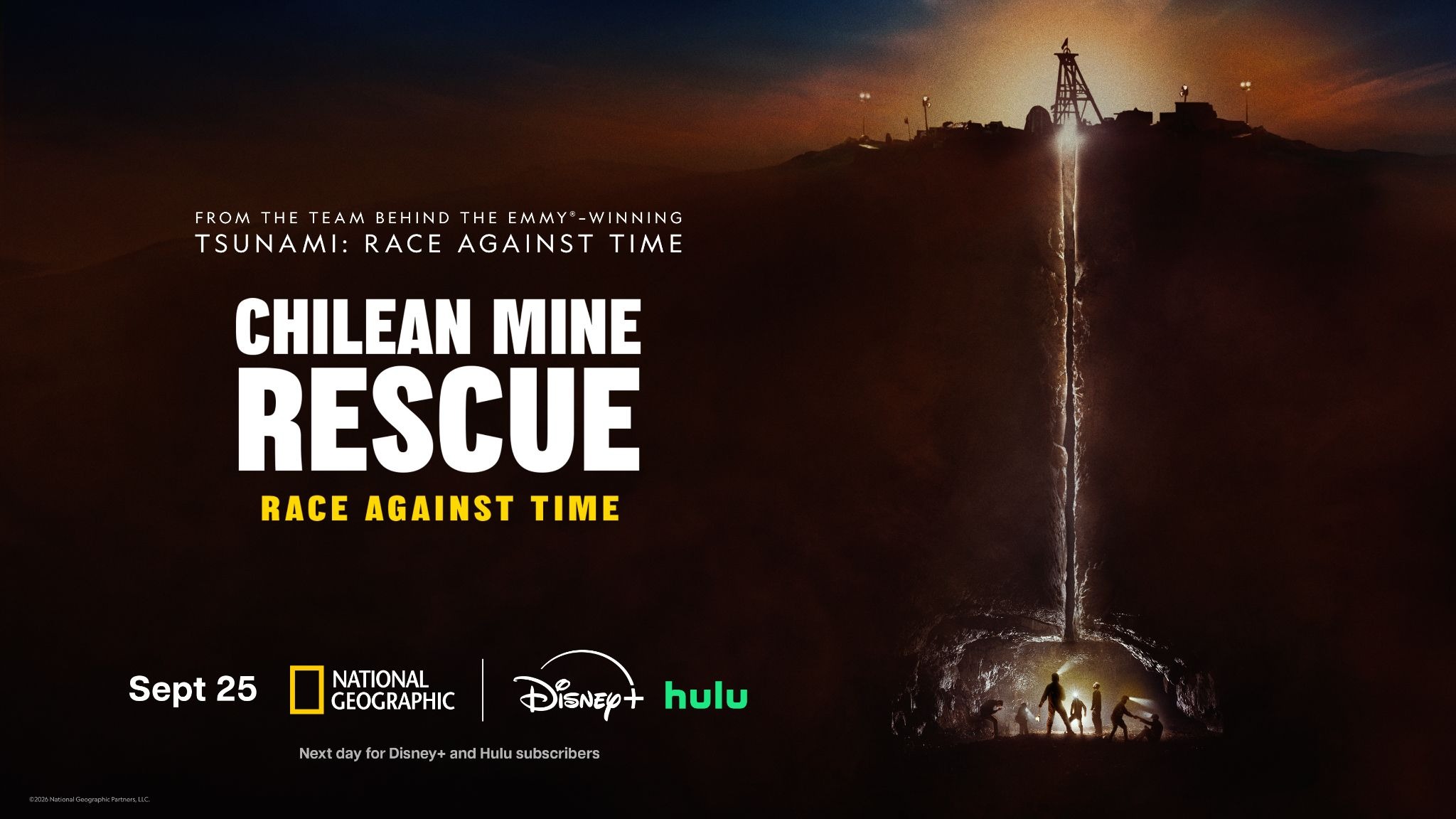
A predictable collapse at the San José copper-gold mine trapped 33 men nearly half a mile underground on August 5th, 2010. Presumed dead, the men were miraculously found alive 17 days later, but only after families pressured authorities to get a search underway. With no easy way to retrieve them, the rescue became an international undertaking that lasted over two months.
One of Chilean Mine Rescue's secret weapons is cellphone footage from one of the miners documenting their fight to survive 17 days trapped deep in a collapsed mine, with emergency supplies for 10 men to last 3 days. The first episode mostly centers on this stretch, a harrowing example of human resilience. New interviews bring out the miners' stories from those days, with six making their first international documentary appearances. Among the standouts is Ariel Ticona, whose wife was pregnant and who had promised to be with her at their daughter's birth, a regretful thread that connects all three episodes.
While the first episode introduces the rescue, the second focuses on the surface effort to keep the men alive while crews drilled toward them. Drilling Specialist Brandon Fisher, Driller Jeff Hart, and Field Engineer Igor Proestakis offer some of the best insight into the Herculean task of reaching the 33 men trapped below. But the show never loses focus on the men in the mine, and mental health runs through the episode as an important thread.
The final part of the series focuses on the rescue itself, and while we know how it ends, it's no less suspenseful. With a tiny capsule bringing the miners up one by one, and the constant possibility of something going wrong, the tension holds until all 33 men see their first ray of sunlight in 69 days. The wrap-up message gives the series an inspirational tone that will make it a fan favorite.
Throughout the series, ABC News' Jeff Kofman, the first international journalist on the scene, offers a reporter's view as events unfold. Laurence Golborne (Chile's Minister of Mining, 2010-2011) covers the politics, with the whole world watching. Several family members also provide context for what life was like for the miners' loved ones above ground while they were trapped below.
Directors Chloe Campbell and James Parris have crafted a fresh look at an inspiring story, keeping the humanity of the miners and their families front and center. The archival footage is striking, particularly the cellphone footage from inside the mine, which has been carefully upscaled for this series. With never-before-seen footage and stories being told for the first time, even the most devoted followers of this rescue will find something new to mine in this three-hour docuseries.
I give Chilean Mine Rescue: Race Against Time 5 out of 5 stars.
Chilean Mine Rescue: Race Against Time premieres Friday, September 25th at 8/7c on National Geographic, with all episodes streaming the next day on Disney+ and Hulu.