
Movie Review: James L. Brooks Returns with "Ella McCay," a Warm but Wandering Comedy


Legendary writer-producer James L. Brooks returns to the director’s chair for the first time in over a decade with Ella McCay, a heartfelt comedy steeped in nostalgia — and occasionally weighed down by it. Filled with strong performances from an all-star cast, the film feels like an antidote for audiences who routinely lament that “they just don’t make ’em like they used to.” And in some ways, that’s true. But Ella McCay is light on plot and heavy on digressions, resulting in a generous two-hour runtime that often feels padded rather than purposeful.
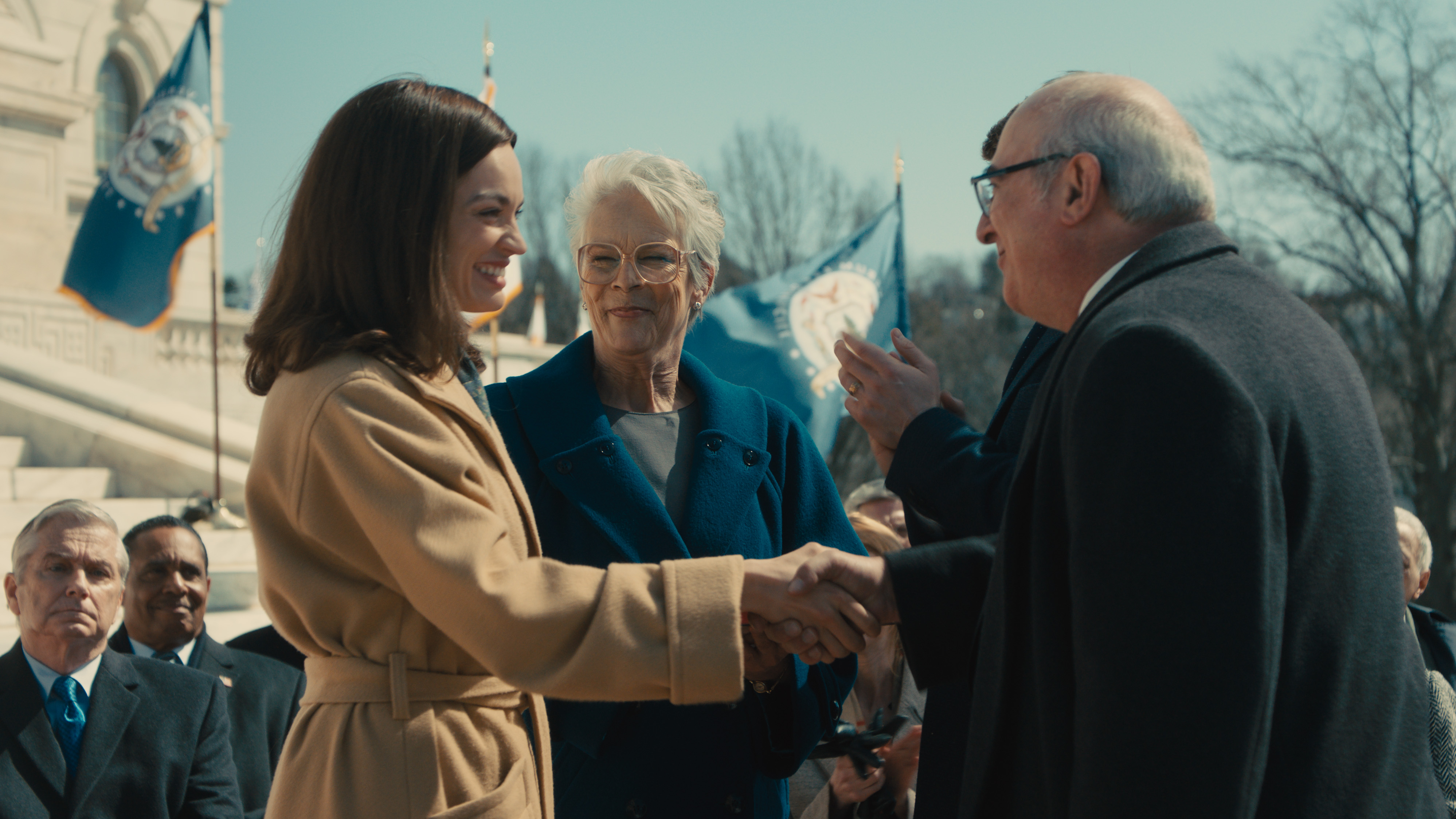
Ella McCay (Emma Mackey, Death on the Nile) has long felt a calling to public service, a drive that eventually leads her to the role of Lieutenant Governor. When Governor Bill (Albert Brooks, Finding Nemo) is unexpectedly appointed to a cabinet position, Ella suddenly finds herself elevated to Governor. As fate would have it, this professional triumph coincides with nearly every other aspect of her life beginning to unravel.
Set primarily in 2008, Ella McCay sidesteps contemporary political discourse, transporting audiences back to a marginally sweeter, less phone-obsessed era. The story is framed through the perspective of a narrator, Estelle (Julie Kavner, The Simpsons), Ella’s longtime assistant and confidante. While this device initially provides warmth and clarity, it becomes increasingly confusing as the narrative frequently drifts away from Ella for extended stretches, leaving the framing device underutilized and ultimately unnecessary.
The film’s strongest material belongs to Jamie Lee Curtis (Freakier Friday) as Ella’s aunt Helen. Having taken on a parental role early in Ella’s life, Helen allows Curtis to showcase her unrivaled ability to balance comedy with emotional authenticity. A scene in which she introduces Ella to the cathartic power of scream therapy stands out as a highlight, and her chemistry with Mackey is immediate and deeply felt.
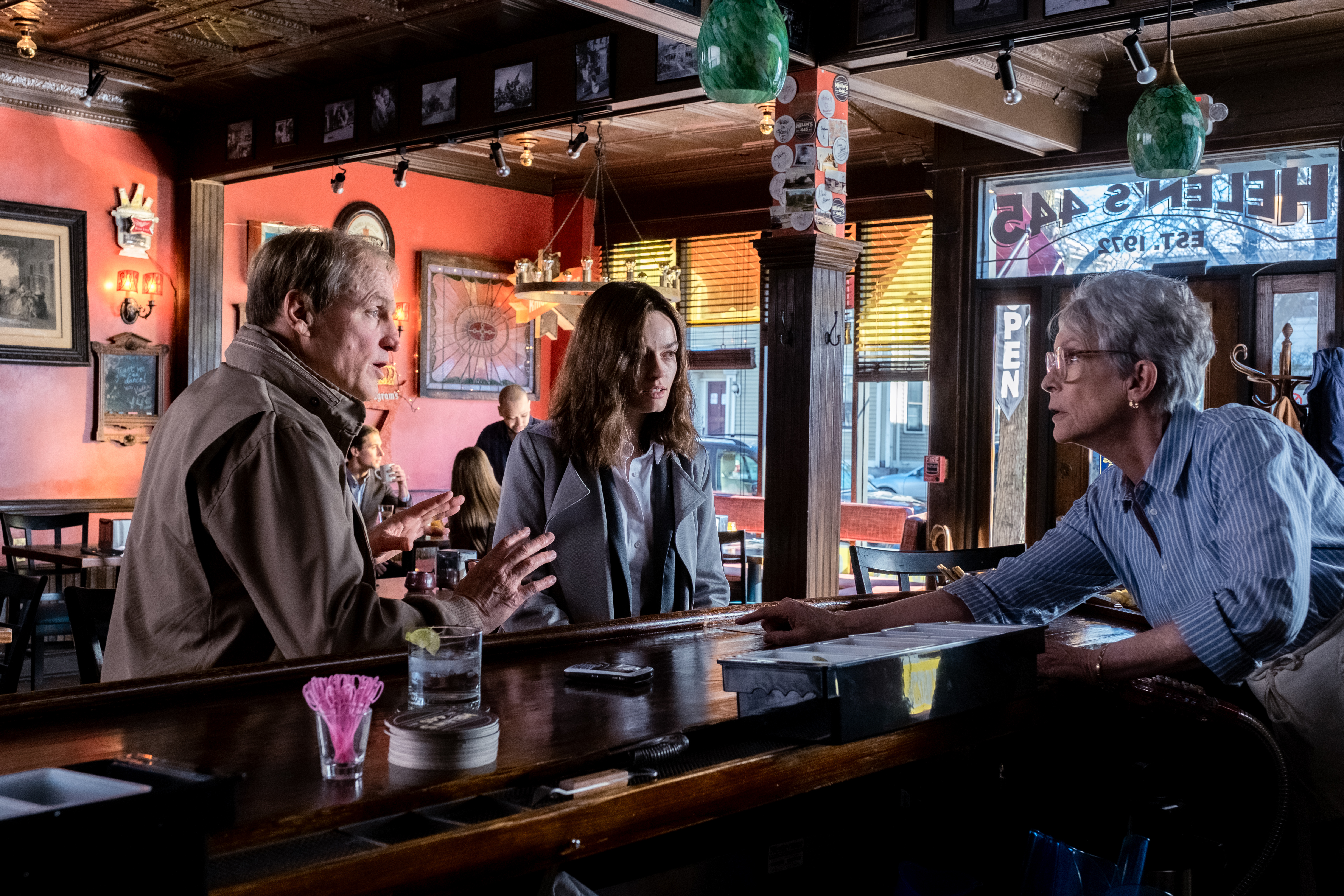
The film falters most noticeably during its lengthy flashbacks to Ella’s past. While these moments help establish her emotional foundation, they don’t always feel relevant to the story being told. Woody Harrelson (Solo: A Star Wars Story) plays Ella’s estranged father Eddie, a deadbeat parent who reenters her life seeking forgiveness after years of absence. Harrelson softens the role enough to avoid outright villainy, but the film’s attempted resolution feels far less profound than it seems to believe.
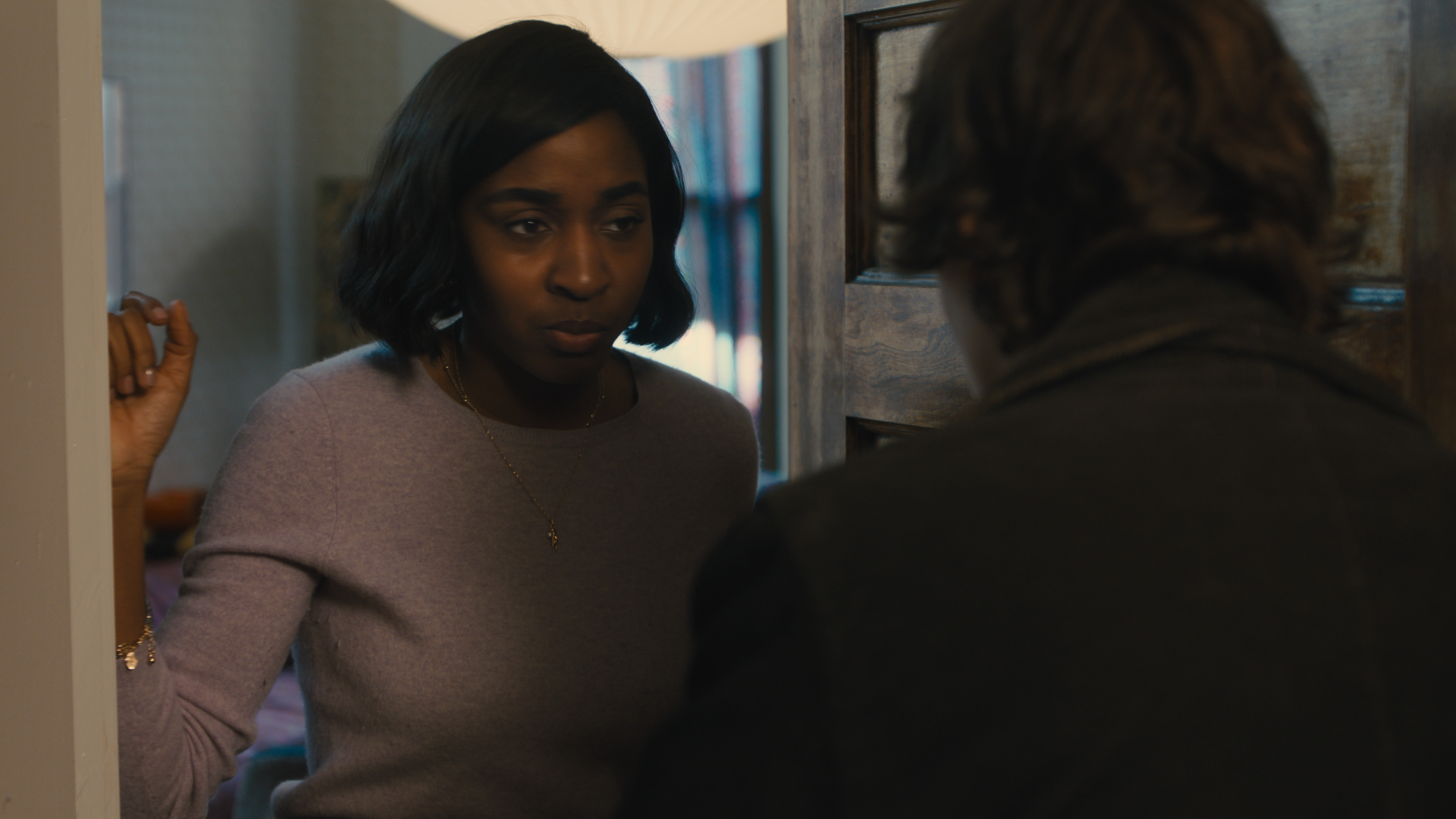
That lack of narrative focus becomes even more apparent in a subplot involving Ella’s brother Casey (Spike Fearn, Alien: Romulus). As the story follows his attempts to reconnect with a former love, Susan (Ayo Edebiri, The Bear), the narrator all but disappears and the film wanders far from its protagonist. The scenes themselves are undeniably charming — Ferb and Edebiri are a delight — but they have little bearing on Ella’s journey, underscoring how often Ella McCay mistakes pleasant detours for meaningful development.
The film also gestures toward a central antagonist in Ella’s husband Ryan (Jack Lowden, Dunkirk), though this conflict arrives awkwardly late. Ryan is presented as largely charming and supportive for much of the runtime, with few hints of deeper flaws. When he abruptly becomes a villain of sorts in the third act, the turn feels unearned. His earlier missteps never register as malicious or intentional, making the shift feel more like narrative convenience than character revelation.
Aesthetically, Ella McCay looks as though it could have been made around the time of As Good as It Gets. The cinematography evokes a distinctly Nora Ephron sensibility, favoring soft lenses, warm earth tones, and pastel-heavy production design. Hans Zimmer’s score similarly recalls an earlier era, further enhancing the film’s nostalgic atmosphere.
Ella McCay is a good film, buoyed by strong performances and flashes of James L. Brooks’ signature wit. But with marketing positioning it as a return to the character-driven comedies of the 1990s, the result mostly serves as a reminder of how tightly constructed those classics were. While the film gestures toward meaningful themes, many of them remain underdeveloped by the end. What lingers is a frustrating sense of missed potential — a meandering story about trial and error that leaves audiences admiring the talent on display while wishing for a firmer narrative hand.
I give Ella McCay 3 out of 5 stars.
Ella McCay opens in theaters on Friday, December 12th.