
Sundance Review: J.M. Harper’s “Soul Patrol” Delivers a Stirring Act of Historical Reclamation


During his opening remarks at the Sundance premiere of Soul Patrol, director J.M. Harper referred to the documentary adaptation of Ed Emanuel’s memoir as being “50 years in the making.” Soul Patrol chronicles a groundbreaking Vietnam War unit — Company F, 51st Infantry LRRP, the first all-Black special operations team — and the reunion Emanuel hoped his book would inspire. Harper weaves together Super 8 film shot by the soldiers, archival footage, reenactments, and modern-day interviews to reconstruct a chapter of American military history that has long been overlooked. The film follows six surviving members — Thad Givens, Lawton Mackey Jr., Willie Brown, John Willis, Norman Reid, and Emerson Branch — as they revisit their lives before the war, the moment they were assembled after the assassination of Dr. Martin Luther King Jr., and the missions that shaped them. What emerges is a deeply human portrait of brotherhood, trauma, and the long road toward healing.
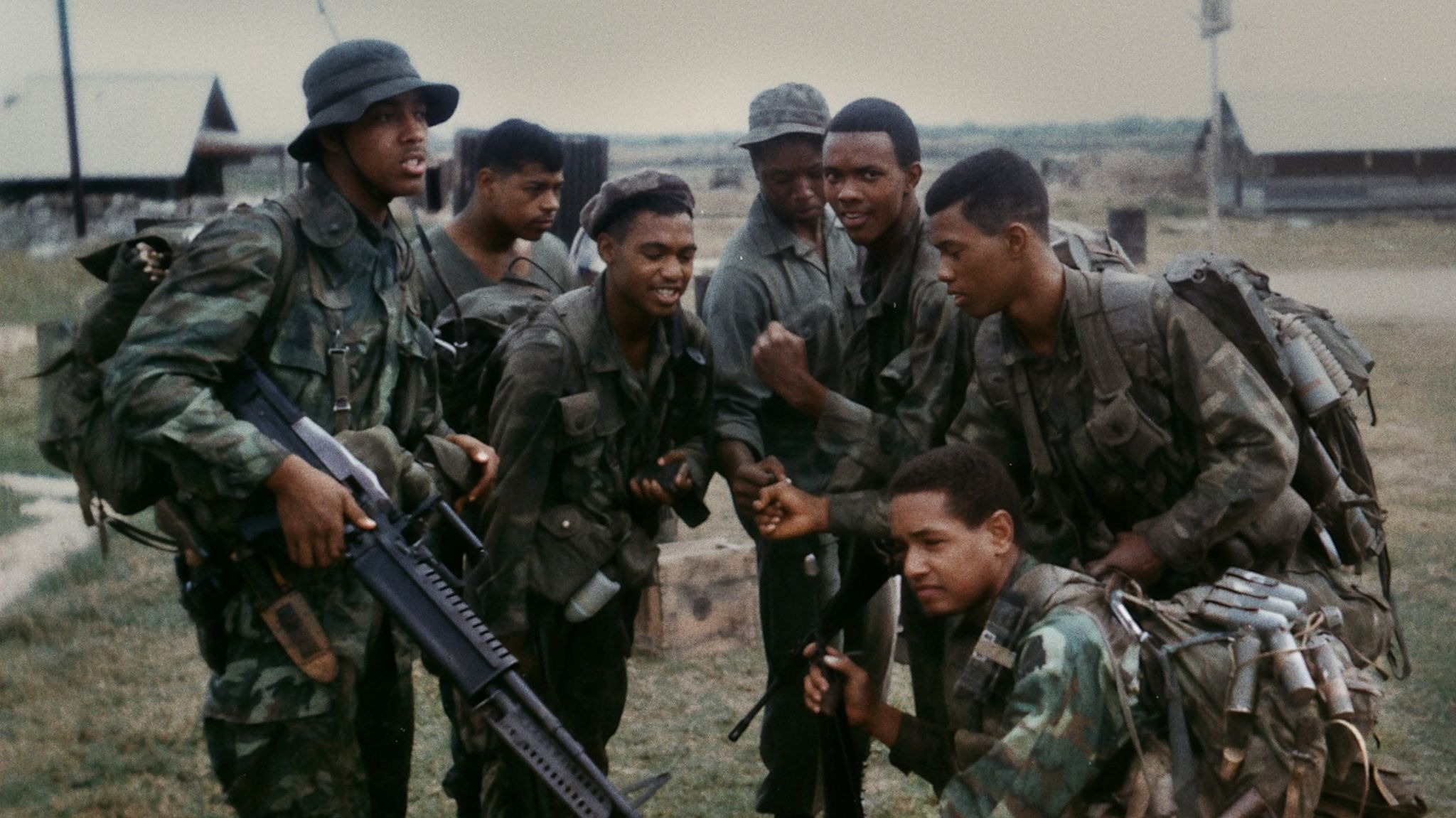
Harper’s filmmaking is both intimate and expansive, grounding the men’s individual stories within the broader political tensions of 1968. The context is essential: these young Black soldiers were deployed to the frontlines of Vietnam while the fight for civil rights raged at home, and Soul Patrol makes clear how that contradiction shaped their experience. Their accounts of racism on base, alongside their pride in serving, create a complex emotional landscape rarely depicted in Vietnam narratives.
The film’s visual design is particularly strong. Harper uses reenactments sparingly — only when the soldiers’ Super 8 footage runs out, mostly during battle sequences or their brief break from duty in Bangkok. These dramatized moments are immersive without ever overshadowing the voices of the men who lived them. By routinely returning to scenes of the real Ed Emanuel shopping with his partner, Darcel Wynne, Harper creates a powerful visual metaphor for a life lived in two timelines: the present-day mundanity of grocery aisles against the lingering ghosts of the battlefield. Seeing the same actors who appear in the reenactments haunt Emanuel’s memories emphasizes the weight he has carried for decades.
The heart of the film is the reunion itself. Harper interviews each member individually before bringing them together for a final roundtable — the last time many would see each other alive. Their candor is overwhelming, as is the film’s gentle acknowledgment that years of silence were carved by PTSD, shame, and unresolved pain. Emanuel’s memoir not only reunited the men but, in some cases, saved them from the edges of despair. The documentary honors that restorative power without embellishment.
By the film’s final stretch — when we learn how many members of the unit have passed away, either before the reunion or not long after — Soul Patrol becomes less a war documentary than a eulogy. It’s a devastating, beautiful tribute.
Soul Patrol is a remarkable act of reclamation — an overdue recognition of a unit whose bravery has long been overshadowed by incomplete archives and the politics of their era. Harper’s direction is empathetic, restrained, and deeply human, giving each soldier the space to define his own legacy. At the premiere, the film received two standing ovations: once as the credits rolled, and again when Emanuel and his fellow veteran Jessie took the stage for the Q&A. It’s easy to understand why. This is one of the most emotional films of Sundance 2026, and a vital reminder that healing is possible when stories are finally told.
I give Soul Patrol 5 out of 5 stars.