
Sundance Review: "The Last First: Winter K2" Is a Gripping, Investigative Look at the Deadliest Season on The Savage Mountain


Amir Bar-Lev has built a career out of turning real-world chaos into compelling nonfiction, and with The Last First: Winter K2, which premiered today at the Sundance Film Festival, he delivers one of his most harrowing films yet. Constructed as a slow-burn investigation that steadily tightens into a full-scale disaster, Bar-Lev’s documentary plunges viewers into the 2021 race to become the first to summit K2 in winter, a feat so notoriously lethal the peak is known as “The Savage Mountain.” Five people would die during the attempt. The film’s great achievement is making you feel the chilling inevitability of that outcome without ever sacrificing suspense.
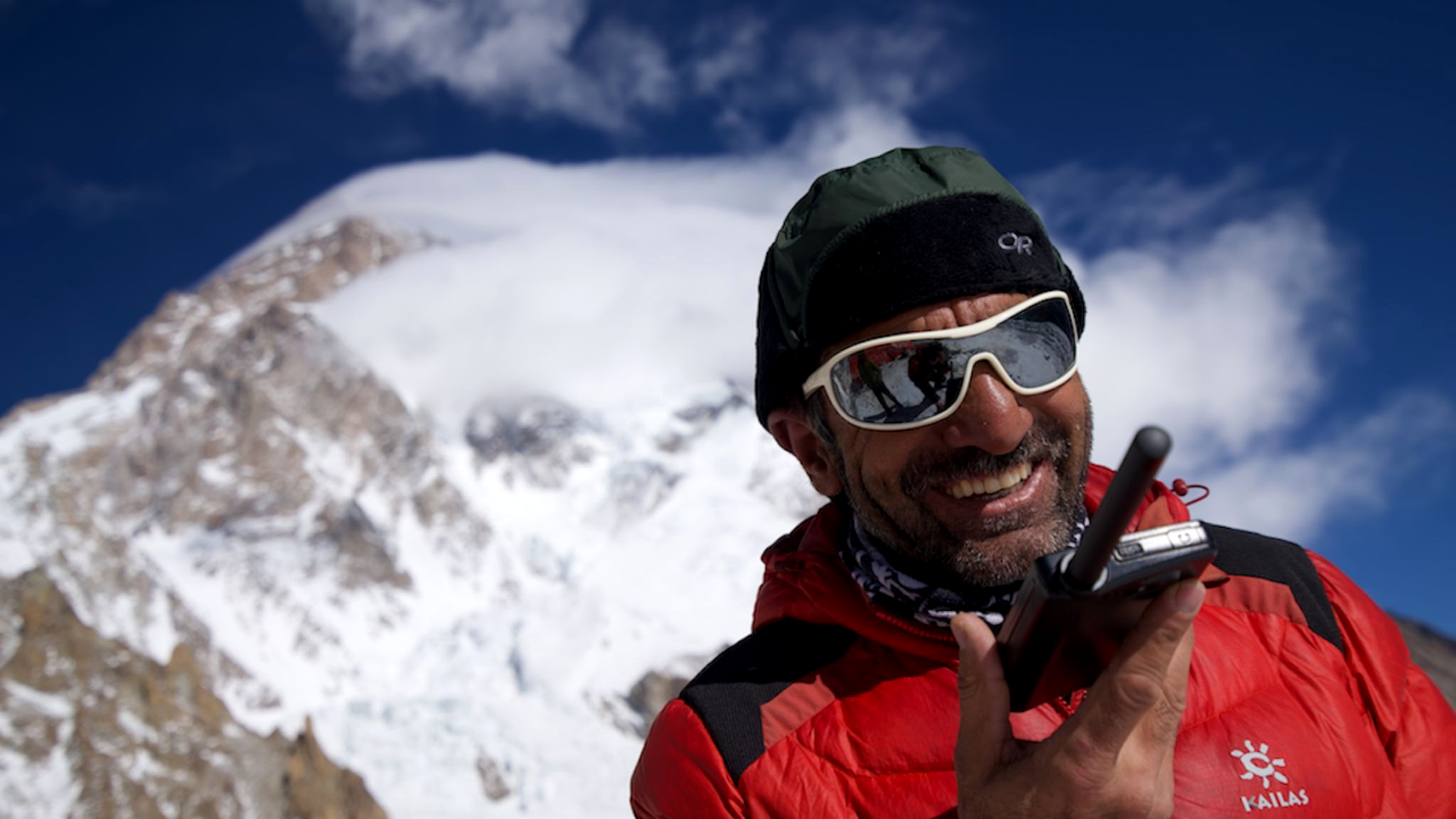
Bar-Lev unfolds events chronologically, blending present-day interviews with expansive first-person footage shot by nearly every team on the mountain: Icelandic climber John Snorri Sigurjónsson’s own camera diaries; Pakistani climber Ali Sadpara and his son Sajid’s recordings; raw, often frantic visuals from filmmaker Elia Saikaly; and material captured by Nims Purja’s Nepali team and the tourist climbers of Seven Summit Treks. That patchwork becomes a strength, allowing the film to portray K2 not as a single expedition, but as a fracturing ecosystem of competing agendas, skill levels, and egos.
The documentary opens with a jolt: audio of panicked radio calls from the chaos at Camp 3, long before we fully understand what went wrong or who survives. Bar-Lev and editor Joe Carey use sound design — howling wind, ice cracking, muffled shouts — to place the audience on the mountain before offering any visual context. The final act returns to this moment, now fully informed by the weeks of prep, planning, and political pressure that led to the catastrophe. The last forty minutes are paced like a thriller, but the film’s early sections are almost serene — calm, professional, and methodical, mirroring the care John, Ali, and Sajid brought to their climb before the mountain became overcrowded.
The turning point arrives when Nims Purja, already a global celebrity after 14 Peaks, arrives with a large, skilled crew of Nepali Sherpas, followed by Seven Summit Treks, which brings dozens of clients, some seasoned and others dangerously unprepared for a winter ascent. When Nims’ team suggests all three cooperate, John hands over 700 meters of rope to help them establish a shared route above Camp 2. But on summit day, Purja and the Sherpas surge ahead, claiming the historic winter-first for Nepal while leaving the others behind in worsening conditions. John felt betrayed, the Pakistani government was frustrated that their climber had been denied the historic moment, and tensions only escalated from there.
Nims emerges as one of the film’s most complicated figures. He’s charismatic, determined, and electrifying on screen, but the documentary subtly critiques the influencer-driven culture surrounding him. In the epilogue, The Last First notes that although he ensured his Sherpas reached the top, only Nims ultimately received global recognition. What begins as a story of national pride gradually becomes a story about branding, and who gets credit in the age of social-media-driven alpinism.
Seven Summit Treks, meanwhile, comes off particularly poorly. The film shows their lack of coordination, letting clients climb without essential gear, all contrasted against the careful professionalism of John’s expedition.
The Last First may draw comparisons to Free Solo for its life-or-death intensity, but this is a broader, more investigative work — less character study, more post-mortem examination of a fractured sport. It’s gripping, grounded, and unsettling, and it would be an ideal acquisition for National Geographic Films, whose name is even referenced within the documentary as shorthand for the irresistibly dangerous allure of K2.
I give The Last First: Winter K2 4 out of 5 stars.