
The Optimism of "The Visioneers": Why Zay Harding Finds Hope in Cow Burps and Airless Tires


Climate change can be difficult to cover on television. The problems are enormous, the science can become abstract, and even well-intentioned coverage sometimes leaves viewers feeling that meaningful solutions are beyond their reach. The Visioneers with Zay Harding takes a different approach. Rather than beginning with despair, the CBS series travels in search of people who are already testing ideas, improving technology, and finding useful resources in places others have overlooked.
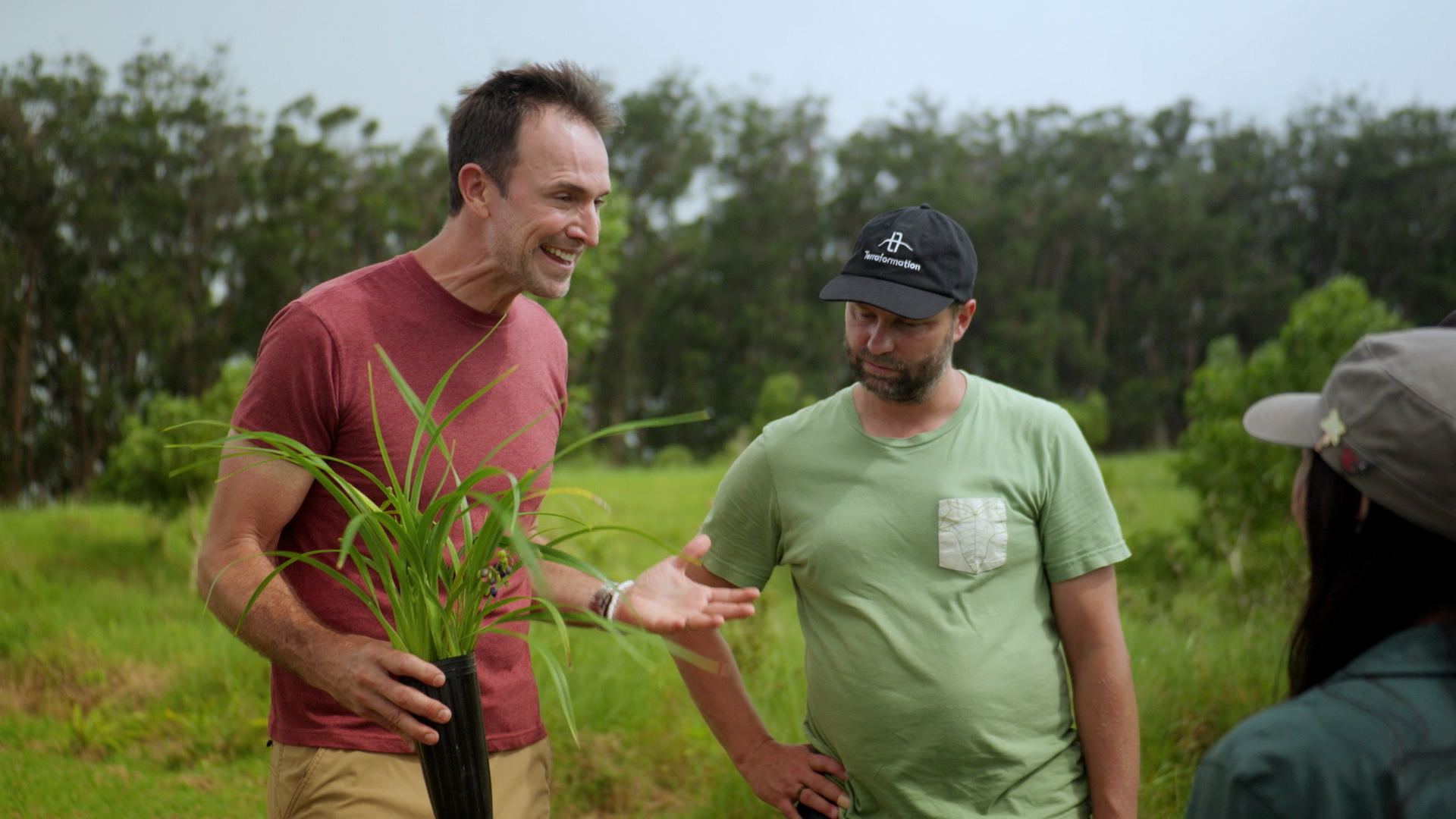
Now in its third season, the 30-minute series follows international explorer Zay Harding as he meets scientists, engineers, entrepreneurs, advocates, and young changemakers working on environmental challenges around the world. New episodes air Saturday mornings as part of the CBS WKND educational and informational programming block, with local times varying by market. And as evidence of the show’s success, it already has a two-season renewal.
Each story asks a practical question and then follows Harding to the people attempting to answer it. Can a small amount of seaweed reduce the methane produced by cattle? Can technology created for space travel produce a tire that never needs air? Can the temperature difference between warm surface water and cold deep water generate electricity? The questions are easy to understand, but the answers lead viewers into science, engineering, conservation, and design.
We had the chance to chat with Zay about the show and the global scope of the production. The show traveled across the United States, Canada, Singapore, Australia, and New Zealand, but the series is at its most effective when those distant locations lead to something tangible. In Hawaiʻi, Harding visits Symbrosia, where seaweed is being developed as a cattle-feed supplement that can substantially reduce methane from cow burps. "It is inspiring to see how these big and small ideas across the world are making an impact," Harding shared. "I think it shows that decisions we make can make a difference."
The same spirit appears in Ohio, where The SMART Tire Company is adapting NASA-developed technology for use on Earth. Its airless tires use shape-memory metal, replacing the familiar inflated tire with a design capable of returning to its original form. The story connects the excitement of space exploration to an everyday object, demonstrating how research created for one extreme environment can eventually reshape ordinary life.
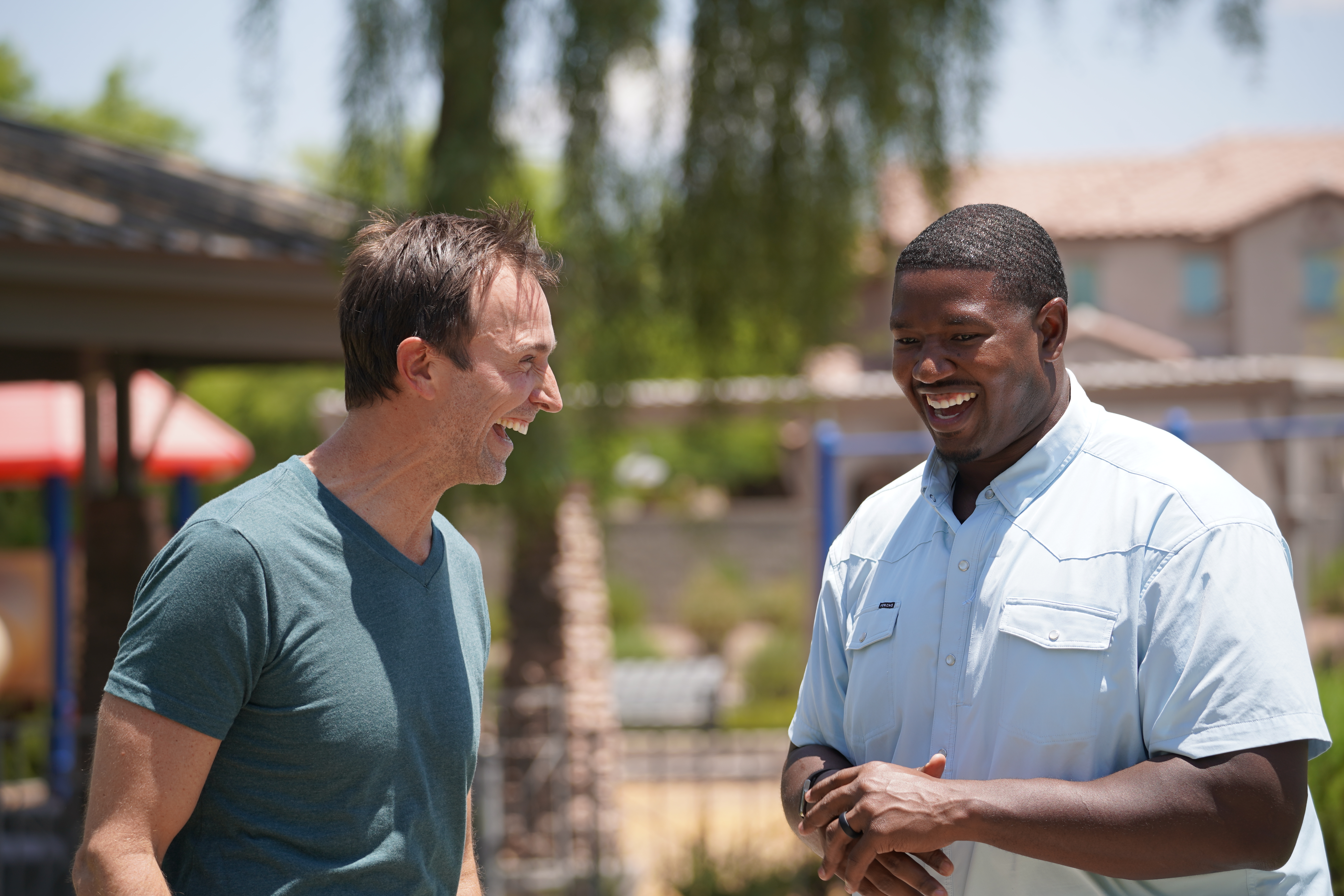
Transportation also takes the series to New Zealand, where Vessev is developing electric hydrofoil vessels. By raising a boat’s hull above the water, the technology reduces drag and rethinks how energy is used to move across the ocean. Elsewhere, NASCAR driver Austin Green helps explore new racing technology, giving the show another way to make emerging ideas immediate. The machinery is exciting on its own, but the larger point is that innovation can occur anywhere from a laboratory to a racetrack.
Some of the season’s most memorable concepts begin with materials people normally throw away. In Vancouver, ChopValue collects discarded chopsticks and transforms them into furniture and other products. The process turns waste into something viewers can recognize and use, making the circular economy more concrete than any diagram or statistic could. A table made from yesterday’s takeout utensils invites a larger reconsideration of how quickly society labels something useless.
Water provides another recurring source of possibility. At Makai Ocean Engineering in Kona, the series explores how the temperature difference between warm surface water and cold deep water can be used to generate electricity. In California, solar panels installed above irrigation canals offer a different kind of dual-purpose design, producing power while researchers examine whether the structures can reduce evaporation and make productive use of existing infrastructure. Both stories ask viewers to look at familiar landscapes again and consider what overlooked potential may already be present.
The most important choice made by The Visioneers may be its decision to treat optimism as the result of work rather than as a vague promise. Harding acknowledges it when he says, "the show is built around the power of possibility." The series does not need to suggest that any single idea will solve every problem. Its power comes from accumulating examples of people who recognized a challenge and decided to test a response.
Harding shared a story that made him realize the impact the series is having. "We had dinner at a restaurant, and the next day we saw the waitress that was helping us. We went to say 'hi,' and her son came up and said that he knew who I was because he watched the show." With folks like Harding making an impact on the next generation, there is a chance for a great future.
New episodes of The Visioneers with Zay Harding air Saturday mornings as part of CBS WKND. Local times may vary. Season 3 episodes are also available through CBS.