
WrestleMania on ESPN: A Big Build-Up with Little Follow-Up


In the lead-up to WrestleMania, it was nearly impossible to avoid WWE across ESPN platforms. From consistent mentions and dedicated segments during their studio shows to adding the No Contest Wrestling podcast to the ESPN 2 schedule, ESPN leaned into the spectacle and positioned the event as a crossover moment between sports and entertainment. It culminated with a packed lineup during Friday’s First Take as Trick Williams, Jade Cargill, Logan Paul, Danhausen, and Roman Reigns all stopped by the debate desk, as well as executives Triple H and Dana White.
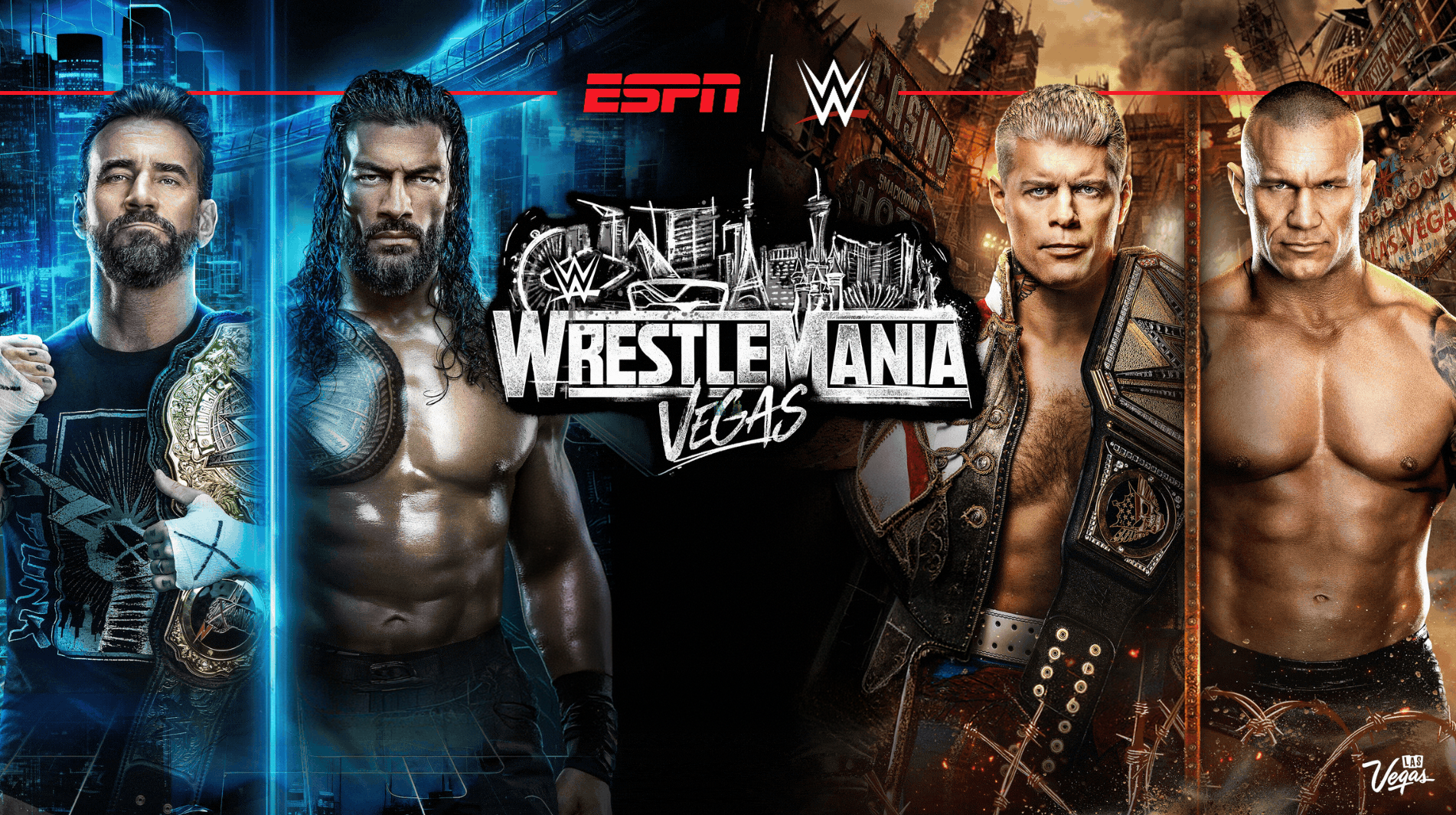
More notably, the network even became part of the storyline. Earlier in the week on Monday morning’s ESPN Radio Unsportsmanlike, Cody Rhodes appeared almost obsessively apologetic about not having the WWE Championship belt with him in the studio, turning what might have been a routine interview into a character beat. The belt was with previous WWE commentator and current ESPN personality Pat McAfee, who was an integral part of the developing in-ring battle between Cody Rhodes and Randy Orton. He had been revealed as the catalyst behind Orton’s move to topple Rhodes, framing him as bad for the business, and suggesting his defeat would save it.
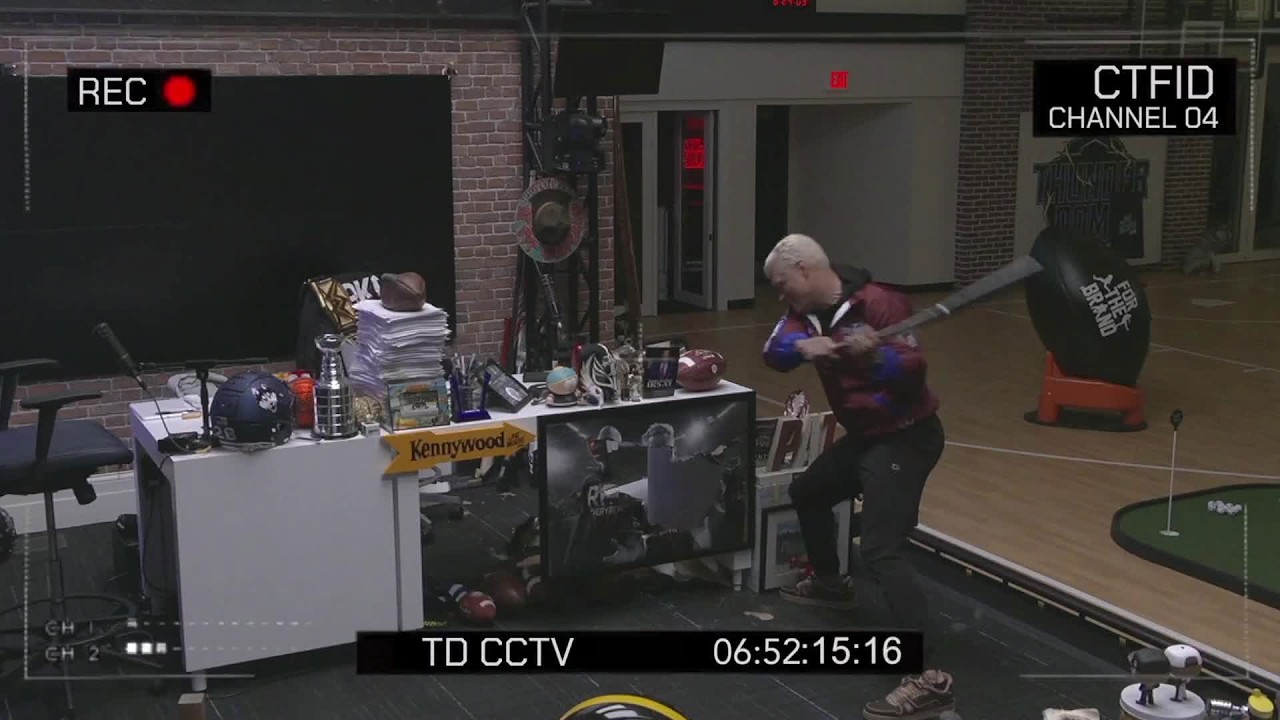
Later in the day on Rich Eisen’s show, where Eisen, fresh off a SportsCenter appearance, Rhodes continued to apologize for not having his belt, further telegraphing that McAfee’s move to take it was eating at him. Eisen pressed Rhodes on security at McAfee’s set, the Thunderdome, asking what was stopping him from reclaiming the title from Pat McAfee. While the champ laughed it off a bit, he didn’t completely dismiss it, and it seemed the wheels were turning. Rather than feeling like detached sports journalism, the exchange played almost like narrative provocation, nudging the champion further into storyline logic.
The next morning, The Pat McAfee Show opened with the set destroyed. Security cam-style footage aired showing Rhodes entering the facility overnight, granted access by an employee, smashing up the studio, and reclaiming the title belt.
This sequence of events captures the central tension in ESPN’s wrestling coverage as a journalistic platform, a promotional partner, and even an active storytelling device.
This is the awkward reality of covering professional wrestling for a sports outlet. Unlike traditional competition, WrestleMania is not open-ended. The outcomes are orchestrated, the rivalries are narrative-driven, and increasingly the media ecosystem surrounding it is part of the performance itself. ESPN’s challenge is not simply deciding how to analyze results, but determining where coverage ends and kayfabe begins.
And Then…
Despite the enormous promotional lift before the event, post-event reflection remained comparatively light. While ESPN did feature event results and highlights on SportsCenter, its post-event coverage once again did not match the intensity of the buildup.
That imbalance matters even more given the premium nature of access. WrestleMania and other Premium Live Events (PLEs) are positioned within ESPN’s paid ecosystem, where audiences are not just tuning in casually but subscribing for access. By not extending the depth of coverage after the event, ESPN risks missing an opportunity to build a longer-term relationship with that audience. At the same time, that absence may reflect a deeper uncertainty about how to meaningfully cover an orchestrated outcome within a sports framework.
Without a clear approach, the coverage risks ending where the spectacle does, leaving the experience to conclude with the event itself rather than evolving into something that deepens audience connection afterward.