
5 Ways Disney Can Start Acting Like “One Disney”


What makes Disney a category of one is the place its stories hold in people’s hearts. The worlds Disney creates and cares for become more than brands. They become cultural touchstones that families revisit, share, and make their own. Fans may have a favorite film, park, series, or character, but their affection often extends to Disney as a whole. Disney fans do not care about the company’s org chart.
That is why the boundaries between Disney’s businesses matter. They may be necessary for running a large company, but they can also get in the way of creative inspiration and make the fan experience more complicated than it needs to be. I have been writing about the value of Disney’s divisions working together since 2003 — and now company leadership appears to share that ambition. I am sure the people inside Disney have ideas that far exceed mine, but with a little hubris, here are five ways I would try to make “One Disney” real.
Mandate and Reward Collaboration
Every large company says it wants its departments to work together. The difficulty is that employees are usually judged on the results of their own teams. Time spent helping another division can look like time taken away from the work that determines their budget, compensation, or next promotion. People respond to those incentives, even when they believe collaboration would be good for the company.
Disney’s executive team has to resolve that conflict. If a film release would benefit from support across the company, the relevant leaders should agree early on what each group can contribute, who will pay for it, and what success looks like. The same should happen when a park, attraction, or cruise ship has a major launch. Collaboration cannot depend on one team asking another for a favor after everyone has set their priorities.
Accountability should reflect those shared goals. A leader who delivers excellent results for their division while repeatedly passing up opportunities that would help Disney as a whole has only done part of the job. Conversely, a team that invests time and resources in another division’s success should receive credit for that work. People will take “One Disney” seriously when helping the rest of Disney helps their careers, too.
Support Big Moments
Disney knows how to make an occasion feel enormous. The Super Bowl, Avengers: Doomsday, and the eventual launch of the Disney Believe are very different events, but each offers a chance to bring audiences together. Disney should ask how other parts of the company can add to that excitement in ways that suit the occasion.
The answer should never be a checklist of forced appearances. I do not need the grim grinning ghosts giving me their game picks as part of Disney’s “Road to the Super Bowl.” I do want creative teams to ask whether a film, series, sporting event, or destination launch offers a connection that another part of Disney could make more meaningful. Sometimes that might be a behind-the-scenes special or a screening. Other times it might be a performance, an exhibition, or a way for fans who cannot attend in person to share in the moment.
The Mandalorian and Grogu offers a promising example. Disney launched a new Millennium Falcon: Smugglers Run mission featuring Din Djarin and Grogu on the same day the film opened in theaters. The attraction update also gave crews new choices and controls, so guests received something substantial beyond a film promotion. It shows what can happen when a release and a park experience are planned to strengthen one another.
This should work in both directions. Disney Experiences can help celebrate entertainment releases, but Disney Entertainment should also help make major Experiences openings feel like cultural events. When Piston Peak National Park is ready to welcome guests at Magic Kingdom, Disney could consider a Cars theatrical rerelease paired with a first look at the new area. That is one idea from my uncreative brain but imagine what Disney’s creative thinkers could devise if they were encouraged to build these moments together from the beginning.
Simplify Fan Touchpoints
I subscribe to Disney+ and belong to D23. Disney now offers eligible Disney+ subscribers a complimentary D23 Gold monthly digital membership through Disney+ Perks, but the offer still has to be redeemed. Why should a fan have to take an extra step to receive a benefit Disney already knows they qualify for? And once it is activated, why should they have to keep track of which perks belong to D23 and which belong to Disney+?
I understand that not every Disney association can come with a streaming subscription. Disney Vacation Club and Club 33 memberships require significant investments. But could a Magic Key or Walt Disney World Annual Pass include Disney+, reminiscent of the days when an annual pass included a subscription to Disney News? Could Disney+ subscribers have access to Marvel Unlimited? Even if these remain separate purchases, fans should be able to see and manage their Disney memberships and subscriptions in one place.
A simpler relationship with Disney would benefit both sides. Fans could discover offerings that match their interests without repeatedly linking accounts or sorting through overlapping programs. Disney, in turn, would have more opportunities to turn someone who loves one part of the company into a fan of another.
Present as One Company
Disney needs divisions to run its businesses and report its results. Fans, however, tend to organize their enthusiasm around stories and characters. They love Marvel, Pixar, Star Wars, and Disney Animation. They care much less about which executive or business unit oversees the next project.
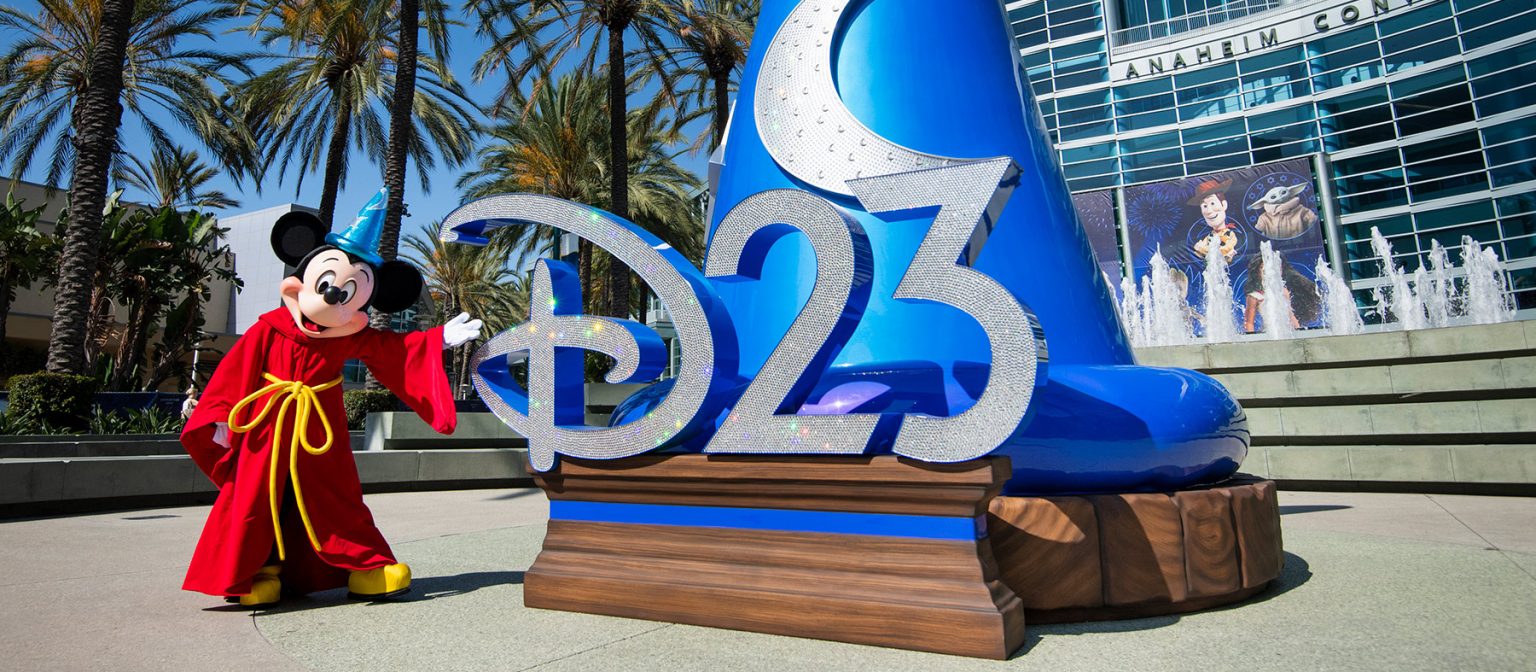
This year’s D23 made the division easy to see. Disney held separate major showcases for Entertainment and Experiences. Both delivered news and spectacle, but their structure also reflected the company’s internal boundaries. If Disney wants fans to experience a more unified company, its biggest fan event would be a powerful place to show what that looks like.
Imagine a future showcase organized, at least in part, around the worlds fans follow. A Marvel segment could bring together films, television, games, and park projects when there is something substantive to share. A Pixar segment could connect upcoming stories with the places audiences can step into those worlds. Disney would still need room for original projects that do not fit an established franchise, and nobody should feel obliged to announce an attraction beside every movie. But even a few presentations built across divisions would show that Disney’s creative teams are considering the full life of a story together.
It might feel strange at first. We have become accustomed to Disney presenting its businesses separately. That change in format would make the message all the more powerful.
Embrace Fandom Across the Organization
Disney Experiences has become exceptionally good at engaging fans. Parks enthusiasts follow concept art, construction updates, Imagineer interviews, merchandise reveals, and opening day details. Disney gives them reasons to stay connected long before and long after a visit. That is an impressive achievement for a business whose main experiences require people to travel and spend considerably more than the price of a movie ticket or streaming subscription.
Disney’s films and television once provided an equally steady way for people to feel connected to the company. The animated and live-action films of the 1980s and 1990s, The Disney Afternoon, and Pixar’s run of beloved releases made fans across generations. Today’s online fandom calls for more continuous and thoughtful engagement, and I do not think Disney Entertainment has always kept pace. Lucasfilm, once a model for nurturing its fan community, has also lost some of that connection.
I have more to say about how Disney could strengthen its relationships with fans. The immediate opportunity is to show parks fans that Disney’s films and television can still have that same spark, while giving entertainment fans reasons to care about what Disney is building beyond the screen. That requires sustained access to artists and storytellers, a willingness to celebrate both new and older work, and, above all, entertainment worthy of the affection Disney hopes to inspire.
“One Disney” will mean little if it remains a slogan. It will mean something when employees are rewarded for working together, fans can move easily among the things they love, and the company’s biggest creative moments draw strength from every part of Disney that has something worthwhile to contribute.