
Why We're Due for a Disney Store Reboot


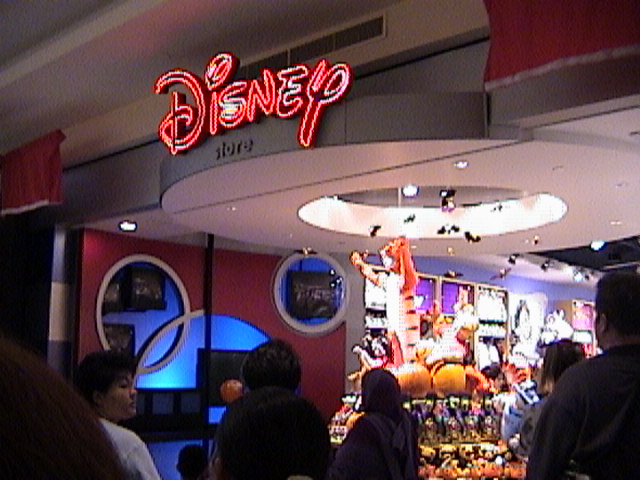
I still remember the excitement when Disney announced the launch of the Disney Store in 1987. For Disney fans in the pre-Internet era, these stores were far more than retail locations. They were local embassies of Disney magic, giving fans a way to connect with the company between vacations, movie releases, and television events.
I vividly remember the joy of discovering that one had opened at my nearest mall. Suddenly, Disney was no longer something that only existed on a screen or behind the gates of a theme park. It had a physical presence in my community, and that felt transformative.
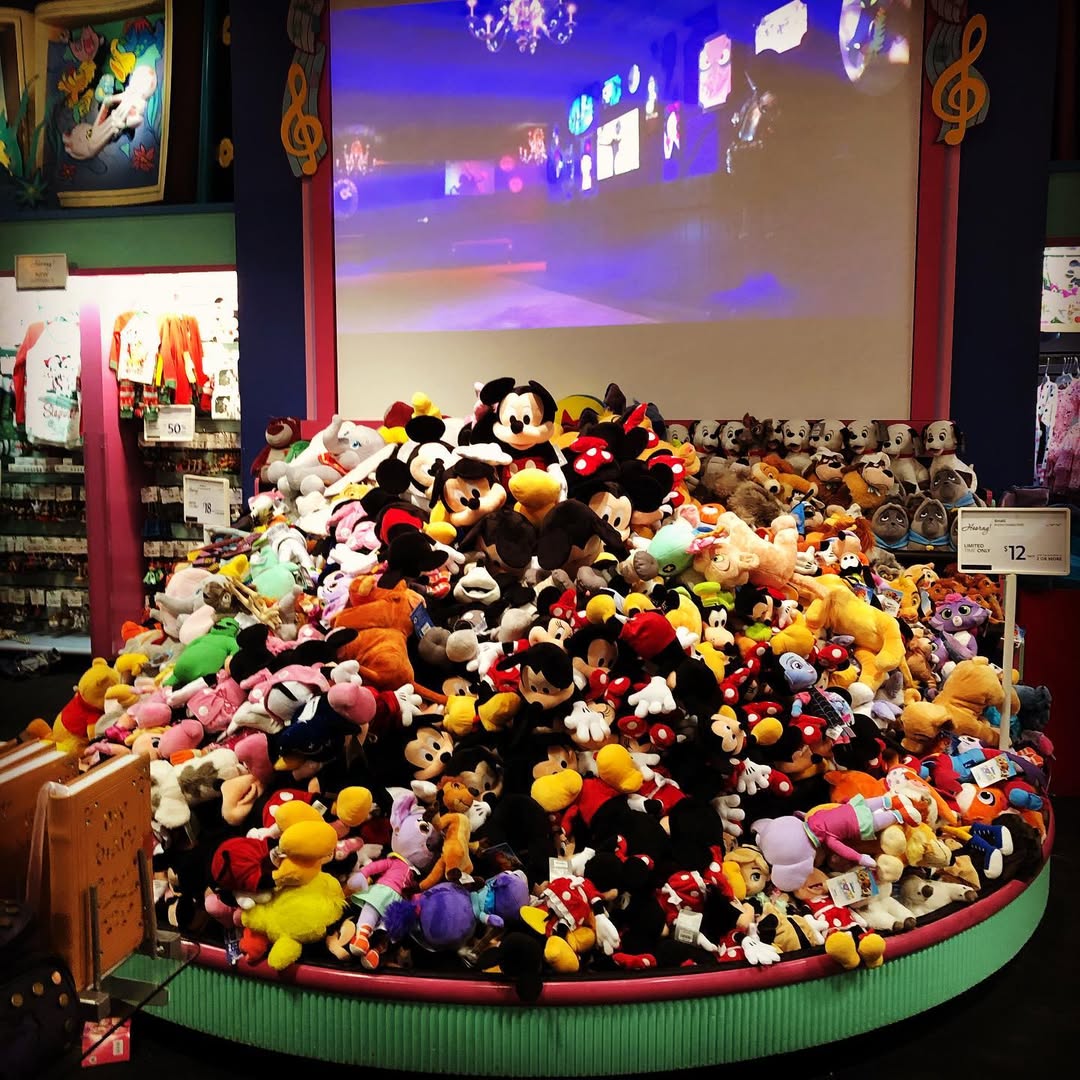
The Disney Store was how many of us got our Disney fix. Near the front of the store, there were flyers promoting offerings from across The Walt Disney Company. That is how I first discovered Disney News magazine and Disney Vacation Club, both of which would go on to play meaningful roles in my life. In the back, the giant video screen showcased previews for upcoming Disney films and attractions, creating excitement for what was coming next. What Disney kid didn’t want to just plop themselves into Plush Mountain?
Then there were the home video pre-orders, which were practically events unto themselves. You would reserve an upcoming Disney VHS release, receive a redemption slip, and suddenly have a perfectly valid excuse to convince your parents that another trip to the mall was necessary. My childhood bedroom was practically wallpapered with the lithographs that came with those purchases, tangible reminders of how much those experiences meant.
As I got older, my relationship with the Disney Store evolved. During the height of the mini bean bag plush craze, I found myself visiting my local store (#400) almost daily after getting my driver’s license. For someone who often struggled to fit in elsewhere, the cast members and regular guests there became something of a found family.
In what was probably a violation of several labor policies, I would help tidy merchandise and chat with guests simply because I wanted to be part of that environment. Some of the cast members I met during that era remain friends to this day. Being in Northern California, there were even occasional moments when Pixar employees would stop by and casually hint at projects they were working on. More importantly, the encouragement and mentorship I received from Disney Store cast members gave me the confidence to eventually join the cast at Disneyland when I moved to Southern California for college.
But by the time I was preparing to leave that chapter behind, the cracks in the Disney Store model were beginning to show. The stores started shifting away from being destinations for Disney fans of all ages and toward becoming primarily children’s retail spaces. Adult merchandise and collectibles became less prominent, and redesigned stores felt less like immersive Disney environments and more like conventional toy retailers.
The broader Disney ecosystem also became less visible within the stores. Promotional connections to parks, films, and company-wide initiatives faded. Discount signage multiplied, creating an atmosphere that felt less magical and more transactional. At the same time, aggressive expansion made the stores feel less special. Instead of being carefully curated destinations, they became ubiquitous mall tenants, regardless of whether the market truly supported that kind of experience.
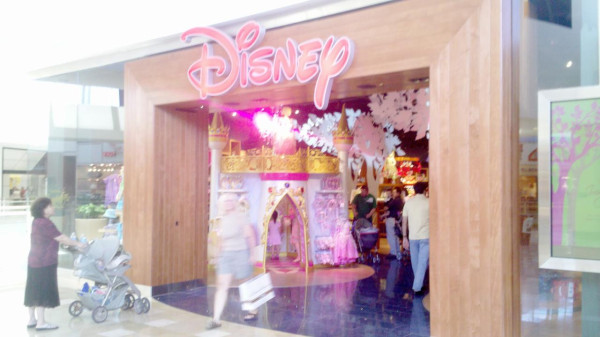
Disney appeared to recognize some of these mistakes during Bob Iger’s first tenure. The company introduced a major refresh of the Disney Store concept, borrowing inspiration from Apple’s sleek retail aesthetic while restoring a stronger sense of showmanship. Pixie dust returned. Opening ceremonies gave each location a sense of theater, and special events once again made the stores feel like destinations rather than simple shopping stops.
For a while, the excitement genuinely returned. Special merchandise releases drew long lines through shopping malls, and the energy around the stores felt familiar in the best possible way. However, even then, there were strategic blind spots. The “Best 30 Minutes of a Child’s Day” tagline made sense in one respect, but it arguably ignored a major shift happening within Disney’s audience.
Disney was no longer just a family animation company. Marvel and Lucasfilm were becoming major parts of the business, while the Disney adult phenomenon continued to grow. The Disney Store remained heavily positioned as a children’s retail concept even as Disney itself was increasingly becoming a multi-generational fandom brand.
Then came the one-two punch of COVID and Bob Chapek. Disney announced the closure of most of its North American Disney Store locations, leaving only the flagship New York location and outlets. Certainly, the pandemic accelerated trends that were already reshaping retail. Dead malls had become a familiar narrative, and online shopping had permanently altered consumer behavior.
But the bigger question was whether people had truly lost interest in shopping as an experience, or whether they had simply lost interest in uninspired retail. Functional shopping has clearly moved online. Nobody is planning a fun afternoon around buying refrigerator filters or replacement light bulbs. But experiential shopping is a different story entirely.
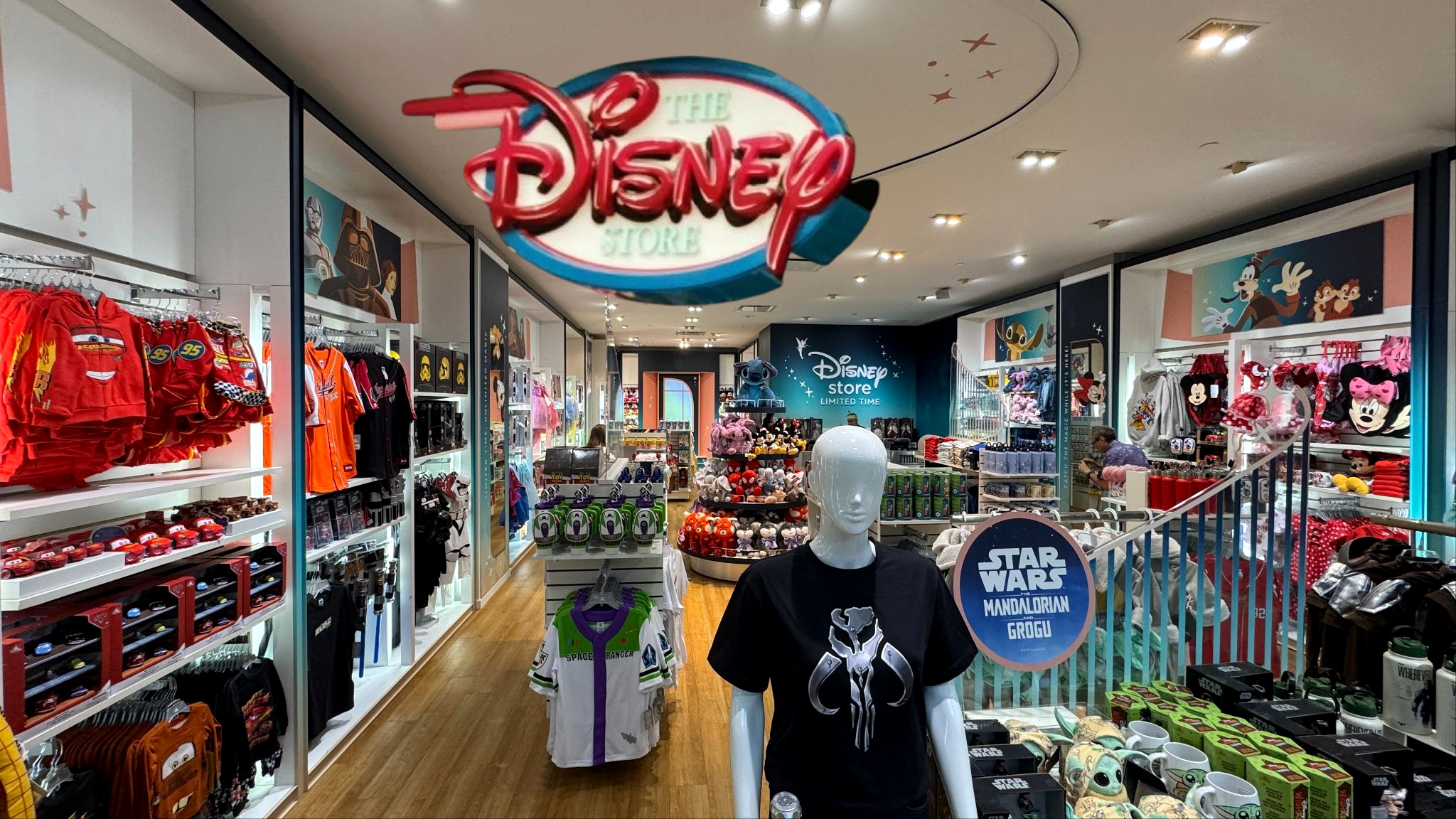
That brings us to Disney’s recent partnership with Go! Retail Group to launch two Disney Store Limited Time locations. These stores are not Disney-owned or Disney-operated, and Go! Retail’s roots in temporary retail activations are evident in the execution. There is not much immersive theming, and the environments lack much of the storytelling magic that defined Disney Store at its peak.
And yet, something about this feels important.
The merchandise assortment is encouraging, including city-specific exclusives that help create a sense of place. More notably, the public response was undeniably strong. Opening day required a virtual queue, with guests lined up through the mall in scenes that felt reminiscent of another retail era. That kind of enthusiasm is difficult to dismiss.
Could this simply be a licensing play? Absolutely. But it is equally possible that Disney is using these locations as a cautious experiment to test whether physical retail can once again be a meaningful extension of the brand.
If that is the case, I hope Disney is paying close attention. Because in an era where the company increasingly talks about One Disney, there is tremendous value in having physical outposts that connect fans to the broader company experience.
Imagine Disney Stores not merely as merchandise locations, but as gathering spaces. Places where fans could watch a livestream from a movie premiere together. Celebrate park anniversaries even if they cannot be there in person. React to D23 announcements surrounded by fellow fans. Experience product launches as communal events rather than isolated transactions. That was always the real magic of the Disney Store at its best. It was never truly about selling plush toys or T-shirts. It was about connection, discovery, and community.
Only time will tell whether this pilot leads to something larger. But for the first time in quite a while, it feels like Disney may be remembering what made the Disney Store special in the first place.
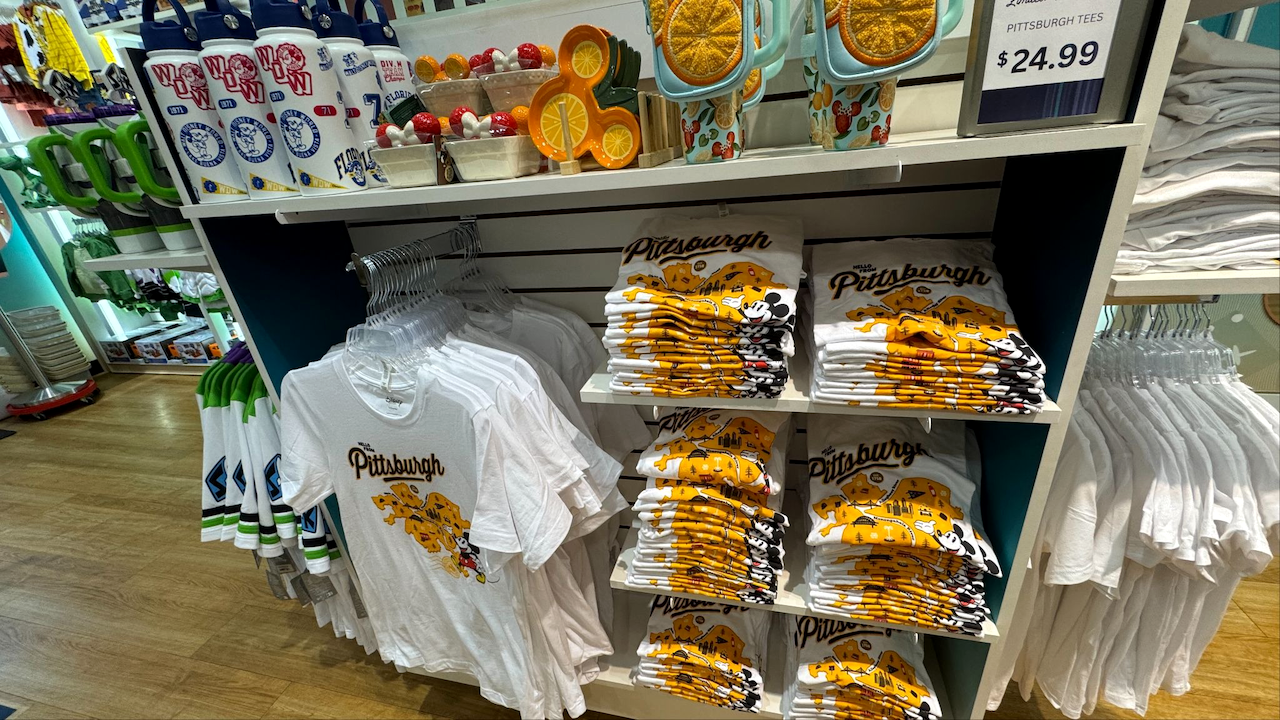
And if that is true, Pittsburgh may be getting more than just a temporary pop-up. It may be getting a glimpse of what Disney retail could become once again.