
One Disney, Many Voices: Why the Company Needs to Preserve Individuality Amid Streamlining


With Disney already navigating layoffs, reports that more cuts could accompany a streamlining of its television operations raise an important question about what the company wants to accomplish. As someone who has long advocated for “One Disney,” I believe there is real value in reducing bureaucracy, eliminating redundant work, and making it easier for teams to collaborate. But that idea needs to be understood carefully. One Disney means breaking down silos. It should not mean expecting every team to operate in the same way or speak to every audience with the same voice.
Our experience covering The Muppets Mayhem offers an example of where streamlining could help. We had a great partnership on the show and a blast covering it, but we were also working with publicists representing 20th Television, Disney+, Disney Kids and Family, and The Muppets Studio. Everyone we worked with was helpful, yet it was not always clear whom we should contact with a question. Having several teams invested in a project can bring useful perspectives, but when responsibilities overlap without a clear point of contact, it can also create delays and confusion.
That is the kind of problem One Disney should solve. A project can benefit from the expertise of several groups while giving partners a clear understanding of who handles what. The goal should be to make those relationships work more smoothly, with fewer handoffs and clearer responsibility. It should be possible to simplify the process while keeping the knowledge that each team brings.
That distinction matters because television audiences are not interchangeable. Hulu’s reality programming has built relationships with viewers who engage with its shows and personalities in particular ways. True crime has its own audience, expectations, and conversations. Disney Kids and Family reaches viewers across a wide range of ages, from Disney Jr. audiences and their parents to teens and young adults. Each requires people who understand how those viewers discover a show, what makes them care about it, and how to sustain that connection.
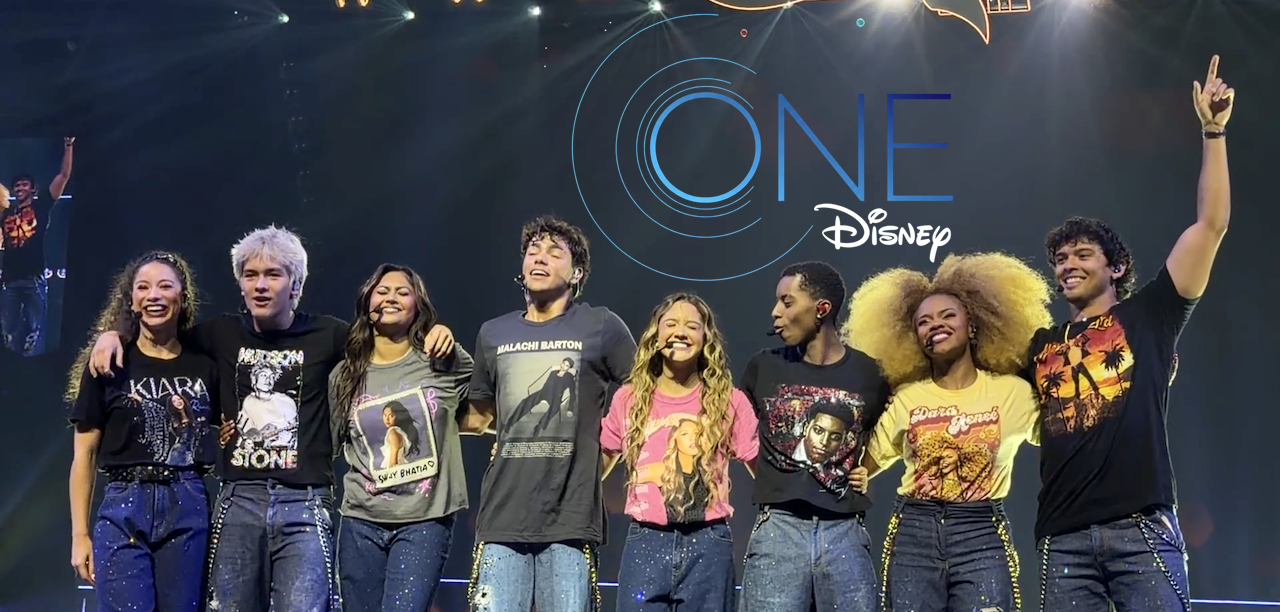
I saw that expertise in action at the Worlds Collide Concert Tour in Los Angeles. Several Disney performers were in the audience, supported by publicists we have gotten to know over the years. What stood out to me was how those publicists interacted with the children who rushed over to meet their favorite stars. They spoke to the kids with knowledge and respect, showing an understanding of what those encounters meant to the fans.
Later, as I passed the area where the publicists were sitting, I saw them on their feet singing along to Camp Rock 3’s “Echo.” They knew the song, shared the excitement, and were enjoying the same experience as the audience around them. They were publicists, but they were also fans. That connection helps explain why their understanding of the audience goes beyond what could be captured in a briefing document.
I have seen that spirit throughout Disney Kids and Family, and I would expect other teams across Disney to have their own versions of it. Whatever shape the television organization takes, Disney should recognize the value of those relationships and the experience behind them. Ayo Davis’s team has invested considerable effort in understanding its audiences and developing ways to reach them. Any restructuring should build on that work and give those people room to apply what they know.
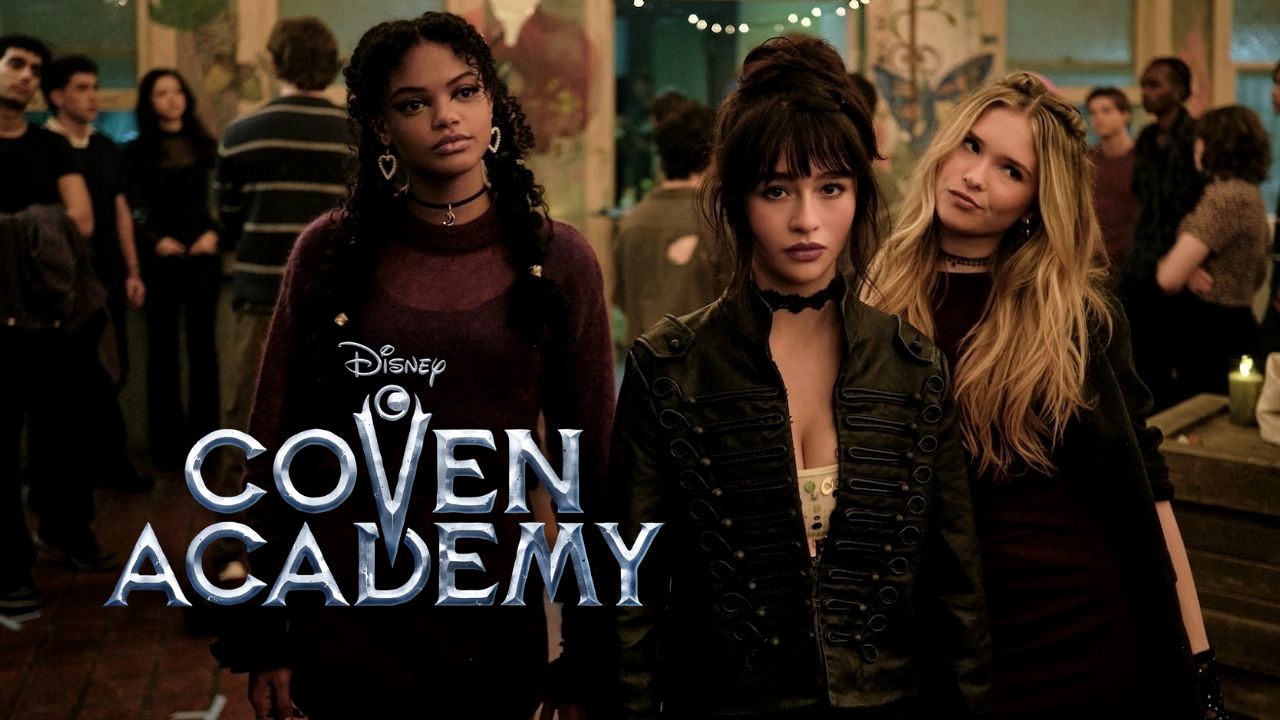
To put it bluntly, you cannot treat Coven Academy the same way you treat The Shards. Different shows call for different instincts, different conversations, and different approaches to the people watching them. Audience expertise is an asset Disney should be working to preserve. An organizational change that makes the company easier to manage could still make it less effective if it weakens the relationships that help its stories find their audiences.
None of this changes my belief that teams should collaborate. They should share resources, support one another at major premieres, and help when another group has more on its plate than it can reasonably handle. A team’s specialized knowledge should make it a valuable partner to the rest of Disney. The company should make it easier for that knowledge to travel across divisions and inform other people’s work.
My concern is how a broad corporate initiative can be interpreted as it moves through an organization. I have been around long enough to see people rush to demonstrate their support for a new priority, sometimes taking it further than its purpose requires. “One Disney” could become shorthand for centralizing decisions or consolidating teams simply because a simpler organizational chart looks like progress. The better question is whether a change helps Disney’s people do their work and serve their audiences more effectively.
A recent creator event celebrating Hispanic Heritage Month offered an encouraging example of what that collaboration can look like. Following along, I saw participants celebrating at Disneyland, visiting Walt Disney Animation Studios, and engaging with the latest from Hulu. Different parts of Disney contributed to a shared experience, each bringing something distinctive. From what I could see, it demonstrated how the company can work together while preserving the identities and strengths that make its individual businesses valuable. To me it seemed like not only the model for future creator events but other Disney consumer touchpoints like D23 events or fan fests.
That is the lens Disney should use as it streamlines. Clarify responsibility, reduce unnecessary approvals, and remove the barriers that prevent teams from helping one another. At the same time, protect the audience knowledge, creative judgment, and personal enthusiasm that make those teams effective. A publicity process should be easier to navigate without losing the people who know why a child wants to meet a particular performer, or why an entire arena is singing along. Cut the bureaucracy and silos without losing the individuality and expertise. I understand streamlining needs to and should happen, but in my opinion, it needs to happen with nuance and a deep understanding of the value of individual insight.