
Dive Beneath The Surface with 25 "Atlantis: The Lost Empire" Facts 25 Years After Cult-Classic Debuted


Today marks the 25th anniversary of the cult-classic film from Walt Disney Animation Studios, Atlantis: The Lost Empire. The film, originally released in 2001, was a huge leap for the studio, who at this point had a tried and true formula of musical and fanciful hits. Atlantis would venture into an action-adventure-based territory that felt more at home in Adventureland at a Disney park than in Fantasyland.
Directors Kirk Wise and Gary Trousdale jumped into the project almost immediately after The Hunchback of Notre Dame to largely keep their crew together. The creative team tells us the enticing story of a young Milo Thatch, a linguist who discovers the key to finding the lost continent of Atlantis. Together with an adventurous and mysterious expedition crew, they set off to discover the mythical sunken city, and finding a powerful crystal that is keeping the civilization sustained along the way.
.jpg)
While the movie didn’t perform as expected in box offices around the world, it still has quite the fanbase that has largely increased (or at least, become more vocal) in recent years. As such, we’re continuing to learn more things about the movie that might not have been spoken back when the film was released. To celebrate 25 years, here are 25 fun facts to take with you about Atlantis: The Lost Empire.
.jpg)
1. Joss Whedon Wrote A Script
Before he became synonymous with Buffy the Vampire Slayer, Firefly, and The Avengers, Joss Whedon had a stint at Disney Feature Animation. There, he developed a number of projects that never really made it to screen. One of those was an Atlantis project that Whedon described as “Journey to the Center of the Earth meets The Man Who Would Be King.” However, Whedon wanted to work on a musical at Disney - the exact thing that Atlantis: The Lost Empire was intentionally trying not to be, and left the project.
According to Whedon, the final version of Atlantis: The Lost Empire features none of his early treatment, though he is still credited.
2. Directors Kirk Wise and Gary Trousdale Didn’t Know This Until The Credits Rolled
Director Gary Trousdale recounted the moment he found out Whedon had worked on a draft of Atlantis - a moment that came when he saw the end credits rolling on his (and Kirk Wise’s) film. Trousdale told Collider in 2020, “We weren’t aware of [that script’s] existence until Joss Whedon showed up in the end credits as a writer… then we found out, oh he wrote something with ‘Atlantis’ in the title and the attorneys thought it would be easier to just cave in and give him credit instead of fighting his agent.”
3. The No Greek or Roman Architecture Rule
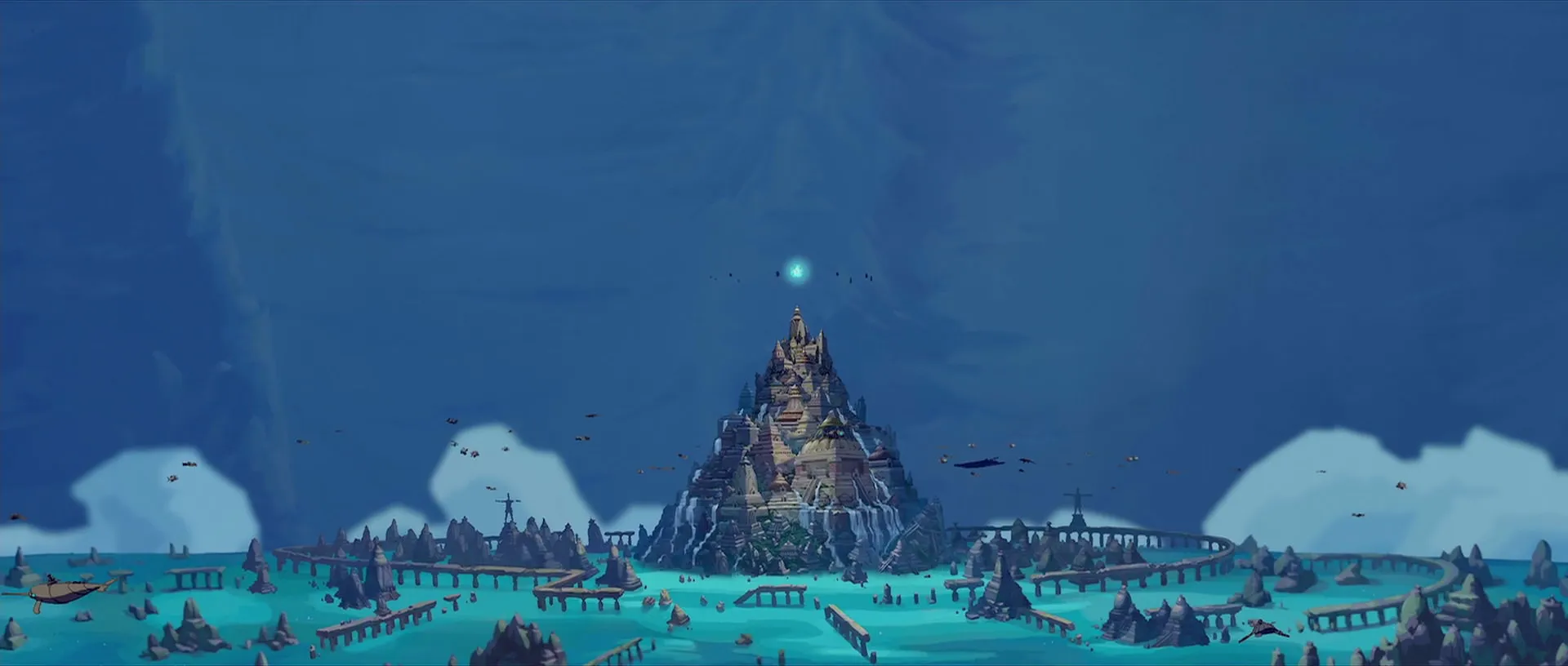
While Trousdale and Wise might not have known about Whedon’s script work, there was a rule they had in place for all the development of the the look of the film. With so many interpretations of the Atlantis myth rooted in Greek culture, with a look that carries over the aesthetic of Greek or sometimes Roman temples, the team initiated a policy: No Greek or Roman Architecture. The directors felt that pop culture especially had reduced the myth to a cliche of Greek temples underwater and broken marble columns.
Instead, what we got a fully developed civilization. in terms of architecture, we see buildings and structures largely influenced by Mayan and Southeast Asian culture, specifically Cambodia.
4. But How Did The Atlanteans Survive?
In the film, our intrepid group of explorers (spoiler alert) discovers that a subterranean culture has been thriving beneath the surface. While the medium of animation was used to tell our fantastical adventure story - meaning anything is possible - the team still wanted it to be grounded in some kind of believable realism.
One of the artists on the film, Lisa Keene, served as background supervisor, character designer, and a visual development artist. One of the things that she contributed to the film was an internal model of the Atlantean Ecosystem. As part of this, she worked out how water, plants, oxygen, and energy might circulate within the lost city. The idea was that the Heart of Atlantis (that big blue crystal that serves as a key plot point of the film) along with the geothermal activity would sustain the environment underground.
While viewers never outright see this explanation in the film, behind the scenes it helped guide the entire design of the world that we do see.
5. Atlantean
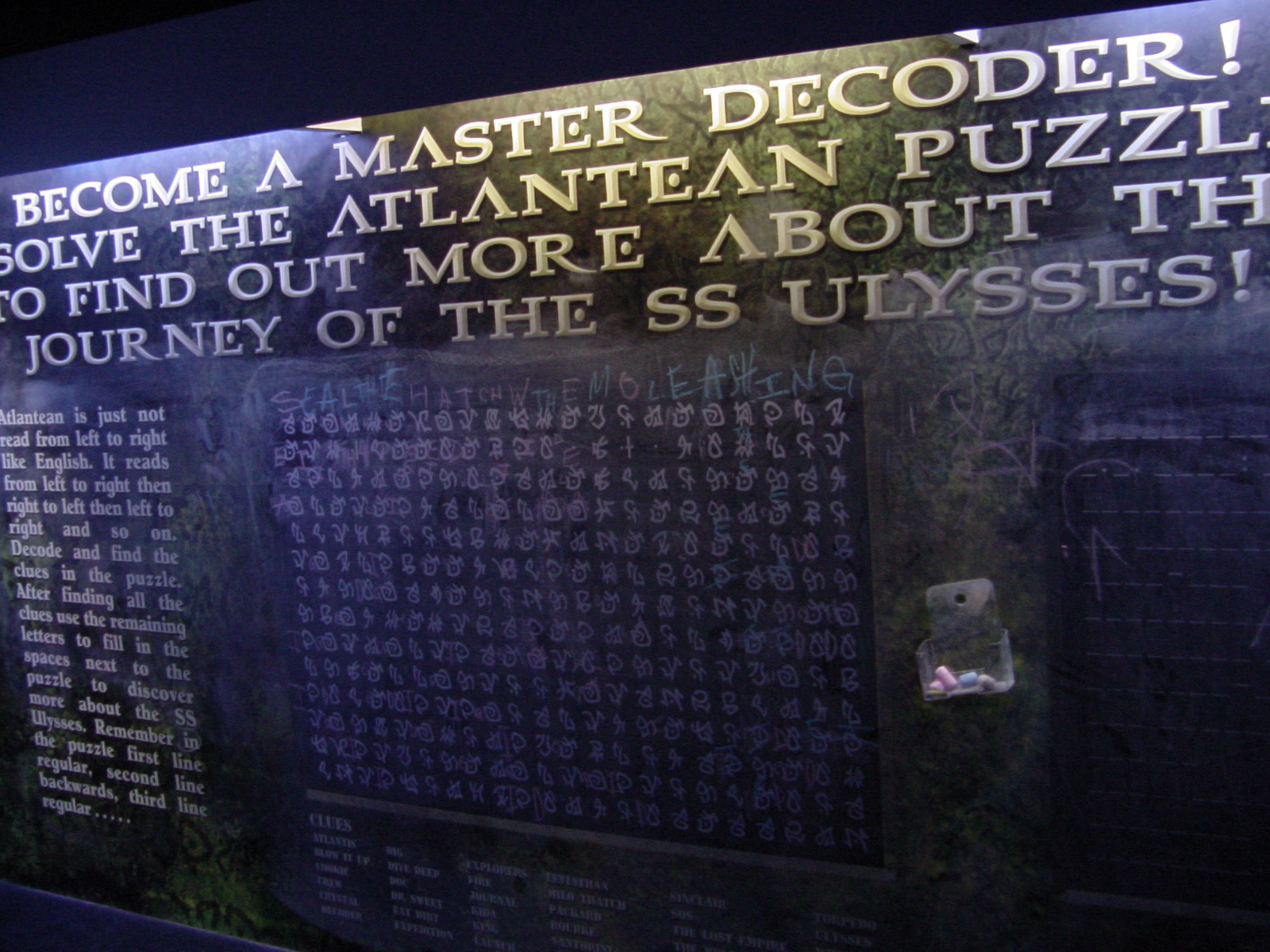
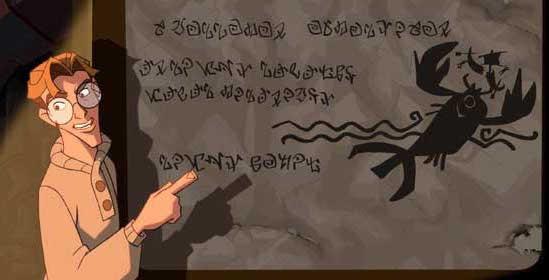
Also helping bring the civilization to life was the development of a full language for the film - Atlantean. A large part of the marketing campaign for the movie would see translation cards, internet games, and more where the language was a primary focus.
The language, developed by linguist Marc Okrand (who is also known for his language work in the Star Trek universe) is featured throughout the film.
6. Go With The Flow
While it isn’t explicitly said in the movie, instead being taught on things like the interactive games and an experience at the El Capitan Theatre around the film’s release, Okrand designed the language with a key feature.
If you were to read full passages - not just signage or one line bits - of Atlantean, you would start with the first line reading left to right. Shift down to the next line and go right to left, and repeat. Why? To emulate the flow of water. Atlantis, beyond the film, is known as the city that disappeared into the depths of the sea. So why not bring this idea to the animated world of Atlantis too.
7. A Root Dialect
At times in the film, Atlantean is referred to as a root dialect - a sort of Tower of Babel like situation that could have been the basis of all the other languages of the world. When Milo and the team of explorers reach Atlantis, Milo realizes this and addresses them in not only Atlantean, but Latin and French as well. We then see a crowd shot where French, Spanish, Italian, Hebrew, German, Greek, Chinese, and Taiwanese can be heard.
8. Tapestry of Nations
The influence of the language being a root dialect, influencing the languages of the world, carries over to the Atlantean culture as a whole.
As characters walk through the villages, you can see that Atlantean culture has different practices, art, decor, architecture, and other details as a sort of an amalgam of other cultures throughout the planet. Not just Mediterranean, calling back to the original No Greek or Roman rule. This rule also carried over to the score of the film, composed by James Newton Howard, who was inspired by Balinese orchestral sounds.
9. Speaking of Marc Okrand
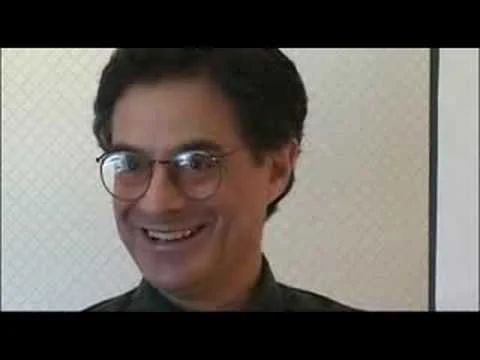
If you see Marc Okrand, you might feel like he seems a bit familiar. That’s because the supervising animator of Milo Thatch, John Pomeroy, looked to Marc for inspiration in his design of the character. Pomeroy once said that he didn’t know who else to design for a linguist.
10. A Spectacle Spectacle
That design for Milo Thatch also holds a unique distinction amongst the history of Disney animated characters. Milo is the first male protagonist in any film from Walt Disney Animation Studios that wears glasses. Since some of you will come for me, I’d like to point out that Merlin is NOT the protagonist of The Sword in the Stone. That’s Arthur.
11. From First to Last
In that same fun bit of character facts, we move from first to last. Throughout the first three quarters of the 100 year history of the Walt Disney Animation Studios, there have been plenty of characters who smoke. Whether it be cigarettes or cigars, characters like Cruella De Vil, Captain Hook, Pinocchio, Jose Carioca, and others have been known to partake in this particular hobby.
Wilhelmina Packard (AKA Mrs. Packard), the team’s radio operator and communications officer, is always seen with a cigarette during the film. Her chain smoking habit is the last time in any Disney animated film that we see “a good guy” partaking in the habit.
Again, some of you will come for me since Dr. Facilier can be seen smoking in The Princess and the Frog, which came out later in the decade after Atlantis: The Lost Empire - but that character (despite the following he has) is officially a villain.
12. An Important Coronation
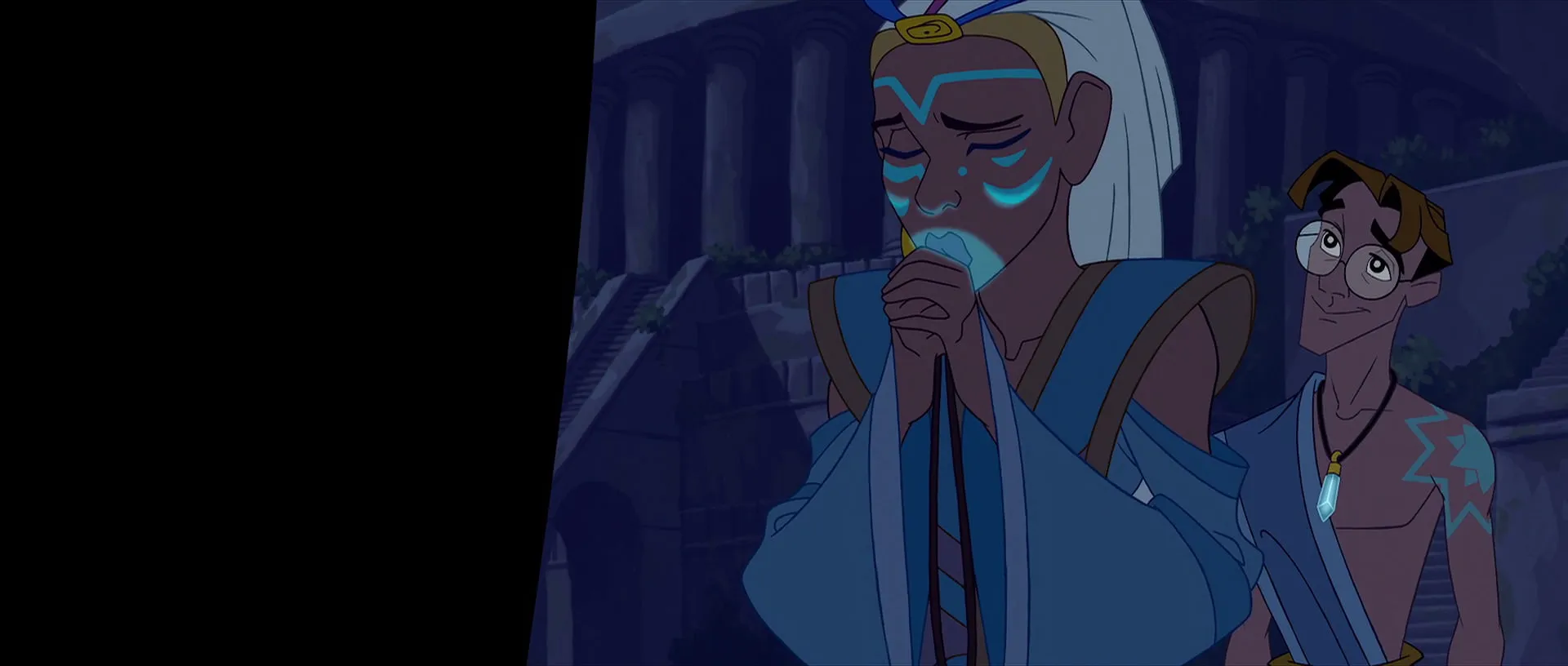
And fans of Frozen, sit down. Atlantis: The Lost Empire also features the first Disney Princess to become a queen during the events of the film. Kida, seen as a princess throughout the film, is coronated as queen (albeit implied, not seen on screen) at the end of the film, sending a stone sculpt resembling her father to join the other past rulers shielding the Heart of Atlantis.
13. Lloyd Bridges
While we’re on the topic of characters, comedy legend Lloyd Bridges was originally tapped to play Preston B. Whitmore, the wealthy benefactor who funds the whole adventure to Atlantis. At the time, Bridges was tapped to bring a sense of mystery and ambiguity to the nature of the expedition. Bridges had recorded some dialogue for the film, but passed away in March of 1998 - well before production was complete. As such, Frasier’s John Mahoney stepped in to portray the character, and it turn caused the character to be changed slightly. Gone was the cryptic and mysterious nature of the character, instead turning into a more eccentric and energetic industrialist who finances the venture.
14. A Maelstrom of Edited Proportions
Seen on bonus features on physical media releases, it is widely known amongst fans of Atlantis: The Lost Empire that there is a fully animated Viking prologue that was left on the editing room floor. Sure deleted scenes are common in any movie, but in animation - for it to be fully animated, colored, edited and - for all intents and purposes - finished, is all but unheard of.
The scene shows a group of vikings looking for Atlantis using The Shepherd’s Journal - the same document that would guide Milo and the team. The problem is, the scene ended with the book floating on the surface of the water after the Viking boats were destroyed by what we would later recognize as The Leviathan. According to the team, the prologue “set up a movie about finding a book, and then two sequences later, it’s not about finding a book it’s about finding Atlantis.”
According to reports, the Viking sequence supposedly had cost $5 million to produce, so a new sequence - one that featured the destruction of Atlantis, as we see in the movie today - had to pitched to producer Don Hahn. Director Gary Trousdale reportedly storyboarded the sequence overnight, pitching to executives the next day, getting a green light.
Fans can still see the prologue as a bonus feature on physical media, and in brief moments in the original trailers for the film.
15. Always Mice, Never Rats
While not as fully developed as the Viking prologue, one original idea had Milo taking a pet rat (named Plato) on the journey to Atlantis. At the time, Atlantis: The Lost Empire was trying to buck the trend of all the Disney animated films that had been released prior to it during the famed Renaissance era. This meant no songs, no lavish musical numbers, and oh - no animal sidekicks. So, Milo’s rat was axed.
That said, as Whitmore is in his office sending Milo on the expedition, the linguist does mention that he has a pet cat that needs to be fed, before the feline appears a split second later - implying that Whitmore has everything covered so Milo can depart immediately.
It’s not just a one-off gag either. Later in the film, when the crew return to the surface (save for Milo, who stayed behind), we can once again see the cat in Audrey’s lap. Is she taking care of the cat now, or has the cat become a permanent fixture of Whitmore’s mansion?
16. Undersea Ratings
Going back to the idea of leaving every part of the Disney animation formula at the time on the back burner in favor of a full adventure movie, Atlantis: The Lost Empire has another rare distinction amongst the pantheon of Disney classics.
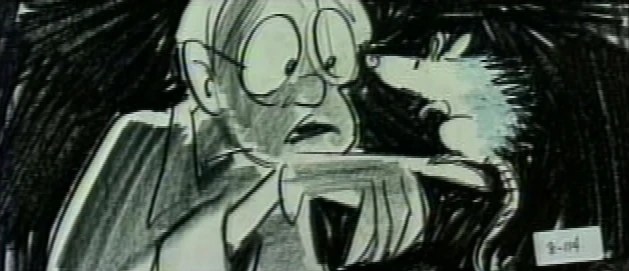
The film, much to chagrin of some sects of Disney fans, features guns, smoking, violence, and - uh oh - bikinis. It also has arguably the highest body count of any Disney animated film - arguable if you forget that Mulan caused an avalanche that buried a literal countless (that’s why we don’t know who has more) army of Huns.
That’s why the movie is only the second in the history of Walt Disney Animation Studios to get a PG rating. The first? The Black Cauldron.
17. A Submarine Tribute
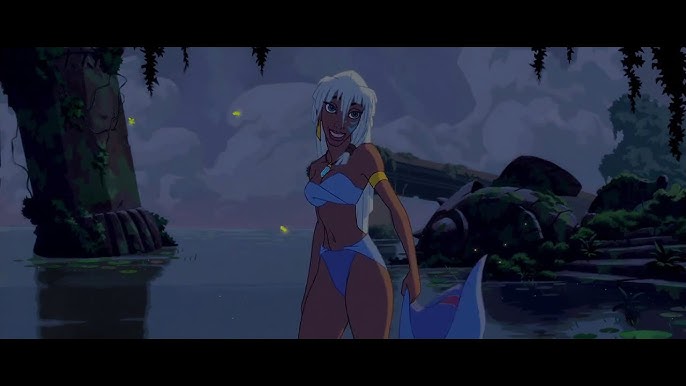
There’s nothing a Disney movie loves more than referencing other Disney things. Fans of Disney Parks are sure to make the very obvious connection of the submarines in this movie to the Submarine Voyage at Disneyland. Moreso than the 20,000 Leagues Under the Sea-inspired iterations of a submersible attraction at Walt Disney World and Tokyo DisneySea. So what better way to call attention to that than a direct lift of some dialogue from the Disneyland attraction in the film?
As the Ulysses (the massive submarine in the film) makes its first descent beneath the surface, we hear a voice say “dive, dive, five degrees down bubble.” This, by all accounts, is a direct reference to the former Submarine Voyage at Disneyland (since re-themed to Pixar’s Finding Nemo).
18. But Wait, There’s More
The call back to the Submarine Voyage at Disneyland might have been less homage and more foreshadowing at the time of the film’s release.
There were big plans for Atlantis: The Lost Empire that included a planned theatrical sequel, comic books, television series, and yes, theme park attractions.
Any Disney Parks fan worth their weight in Mouse Ears will likely tell you at least one park attraction was planned, and it’s true.
Disneyland’s Submarine Voyage was closed in 1998, with canopies and tents being erected over the loading dock with signage advertising an Atlantis Expedition - Imagineering Preparation Base not too long after, and this was well before the film’s release in 2001.
The common thread between all the reports of what this ride would have been is a revamped version of Disneyland’s iconic submarines, focused more on adventure and thrill than scientific discovery like the original.
At some point, the sub would encounter The Leviathan, similar to the events of the movie, with some saying it would have been an underwater equivalent to Walt Disney World’s ExtraTERRORestrial Alien Encounter. Believable since the Finding Nemo Submarine Voyage also uses innovative audio technology that could have been used in a more fear-inducing, less charming way.
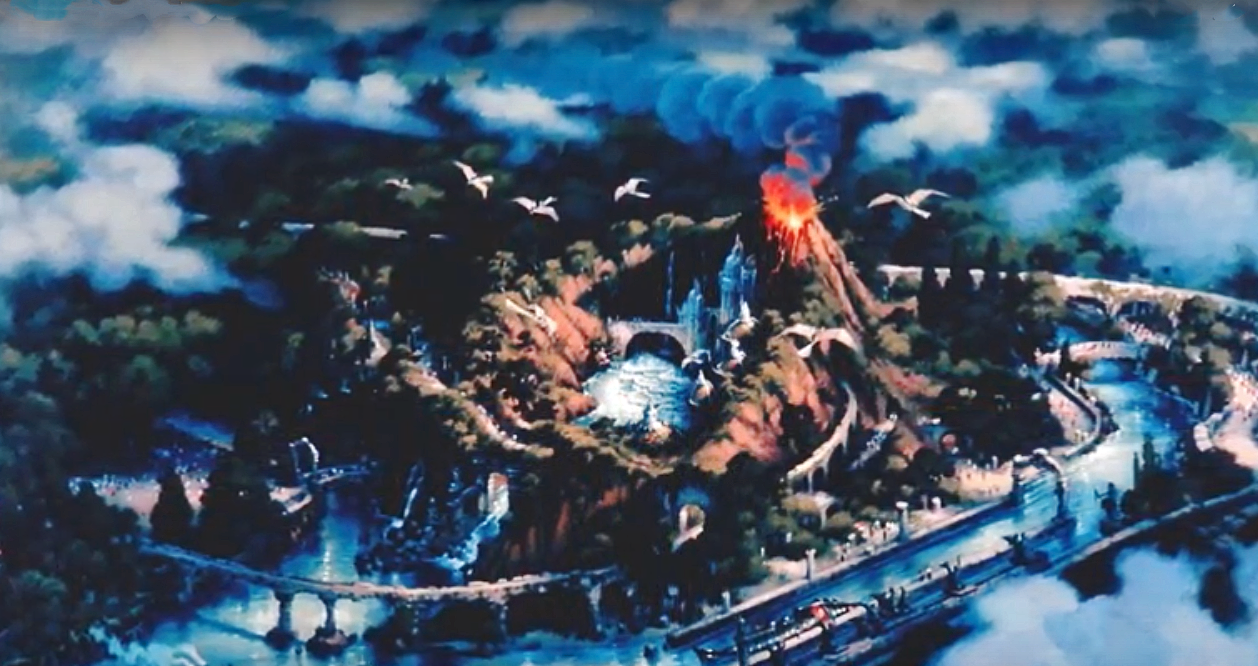
One piece of art attached to the project shows a giant mountain (not unlike what we would see with Mount Prometheus at Tokyo DisneySea later) with a monorail cutting through it, with the subs inside, starting gently before The Leviathan encounter which damages the sub, causing guests to leave the vehicle mid-ride (inside the volcano), an a partial walk-through over rope bridges and through caves - before getting in another ride vehicle for the epic conclusion of the ride. Wait a minute. Leaving a ship vehicle mid-ride and getting in another ride….that sounds familiar.
Either way, some folks did get to see the plans, and they were involved with the movie. Director Kirk Wise told Collider, “Gary, Don and I had the pleasure of going to Disneyland after hours to the submarine attraction, covered up by barricades and scaffolding and going into one of the submarines and looking at a demo of what was to be, at the time, a planned retrofit of the submarine ride. The voyage was going to be narrated by Preston Whitmore. There would have been an encounter with the Leviathan. Other characters were going to make appearances by squawking in on the intercom. It was going to be much more focused around mystery and adventure and excitement, rather than a casual tour of underground ruins. Producer Don Hahn added, “It was very cool, I have to say. It was sad to see that go.”
19. And a Mountain, Too
That was California, but as Walt once said, in Florida is an amount of land “that could hold all the ideas we can possible imagine,” which by the early ‘00s included the caveat that they had previously performed well at the box office.
With Atlantis: The Lost Empire, a new mountain would rise over Walt Disney World’s Magic Kingdom, adding to their already impressive mountain range. Fire Mountain would actually find itself in Adventureland, perfect since the movie itself did everything it could to avoid Fantasyland.
The internal scope document for the attraction said that Preston Whitmore is out to prove to the world that Atlantis is real. To do so, Whitmore Industries has created an amazing transportation system that “not only retraces the original route of discovery, but enlists the experienced help and expertise of some of the surviving members of the first Expedition.”
Wise saw this project too, saying “They had a whole ride system that they had acquired that was basically a rollercoaster that you would hang from like you were on a hang glider. You’d hang from your back with your stomach facing the earth and the track above your head. In a sense it would duplicate the sensation and the design of the gliders that are used in the final battle of the movie. That was going to take you through the exploding volcano and various other scenarios but it was going to be a flat out rollercoaster thrill ride incorporating this new ride system.”
20. Atlantean at the Water Park
While those two massive projects never came to fruition, there are traces of Atlantis: The Lost Empire at Walt Disney World.
The newest attraction at Disney’s Typhoon Lagoon Water Park, which itself opened back in 2017, features a character tied into Disney Parks’ deeply rooted Society of Explorers and Adventurers, or S.E.A. Miss Adventure Falls is a family style raft ride that runs through ruins and waterfalls, all tied to the character Captain Mary Oceaneer.
Based on the marquee for the attraction, a giant diving bell, Mary Oceaneer must be fluent in Atlantean.
At the bottom of the signage, you’ll see a a series of Atlantean characters, which translate to “I Come In Peace.”
.jpg)
21. The Atlantis Pavilion
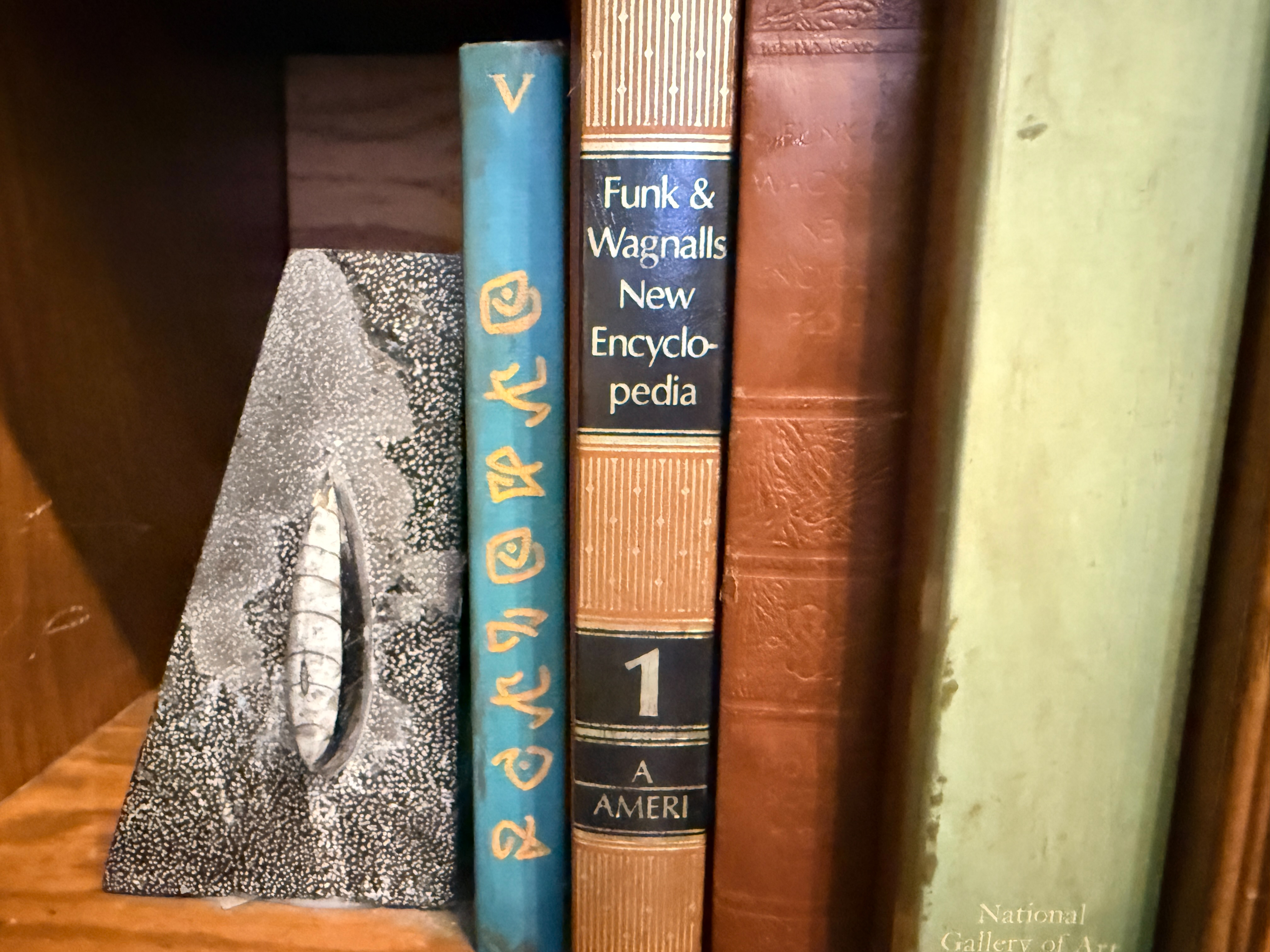
Atlantean, for some reason, is also featured hidden in the United Kingdom pavilion in EPCOT’s World Showcase. There, guests can head back to the library in the shop, The Toy Soldier, where they can find a number of books on the shelf. One of which also references the Society of Adventurers and Explorers, but more importantly, one also features Atlantean on its spine.
Sadly, these two references to the language from the film seem to be the only elements of the film that have found a place in the Disney Parks.
22. Direct from TV sequel
Park attractions weren’t the only things that were scrapped as Atlantis: The Lost Empire did not perform as expected in the box office upon its release 25 years ago. As mentioned, there were plans for a theatrical sequel, a comic series, and a television series. While the TV series had big plans, with some likening it to a Disney Television Animation equivalent of The X Files, they never came to be. Three episodes of the series were produced, but in lieu of scrapping them entirely, they were cobbled together to make the direct-to-video sequel, Atlantis 2: Milo’s Return.
According to the directors of Atlantis: The Lost Empire, who weren’t attached to the direct to video sequel, the theatrical sequel they had been planning involved a masked villain - who was Helga Sinclair in disguise, returning to ransack Atlantis and finish the job that Rourke was unable to accomplish.
Wise explained that she would be "an early-20th-century cyborg" after she was - seemingly - fatally injured in the climax of the original film, after Rourke pushed from the ascending dirigible.
23. The Pagemaster
Atlantis: The Lost Empire also features a treasure trove of details and references. No, not like reused assets we so often refer to as Easter Eggs now from other Disney and Pixar animated films. Instead, we have a number of little tributes and send-ups and homages to - in this case - the actual mythology that inspired the film.
A key plot point of the movie is a missing page of the Shepherd’s Journal. While we do eventually find out what that page is In the movie, the idea that inspired it has been lost to history.
The actual writings of Plato - you know, the whole “in a single day and night of misfortune, the island of Atlantis disappeared into the depths of the sea” bit. Those writings, similar to the fictitious journal, are also missing excerpts that will likely never be found.
24. Islands on the Surface
One of the most popular characters from the film is Vincenzo “Vinnie” Santorini. While there was a production rule referencing no Greek or Roman architecture, that rule did not apply to homages in character names.
Santorini is a small chain of islands formed by a massive, partially submerged, active volcano in Greece. While that alone can be considered something tying into the mythology of Atlantis, it’s also noteworthy that Santorini eruptions often point to being what caused the destruction of Atlantis, with records showing eruptions around the timeframe Plato indicates as the destruction of Atlantis.
Plus, it’s also just fun that Vinnie, as his name would suggest, is the explosives and demolition expert on the crew.
25. A Fishy Story
Another prominent detail ties back to one of our characters in the film, giving him subtle exposition without saying a word.
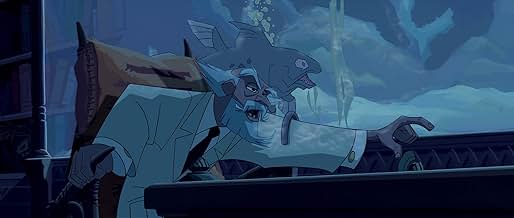
When Whitmore is speaking to Milo in his office, you can see two large Coelacanth in his fish tank behind him. It’s not just a passive detail, those fish are there for a reason. While we hope it was the intent of the creatives behind the film and not just an error - it oddly gives depth to Whitmore without trying.
You see, Atlantis: The Lost Empire is the rare case of a Disney animated film where an exact year is specified. 1914. Say what you will about World War I and all that at the same time, we’re focused on the fish here.
Coelacanth was widely believed by the scientific community to be extinct, with only fossils discovered dating back to the time of the dinosaurs. The first LIVING coelacanths weren’t actually discovered until 1938. 24 years after the meeting with Whitmore and Milo, based on the film.
As such, having living versions of these animals shows he is well versed in the unexplored, and also challenges the scientific status quo - like those who say there is no such thing as Atlantis.
You too can celebrate 25 years of Atlantis: The Lost Empire streaming now on Disney+, or celebrate your fandom with this fun spirit jersey!
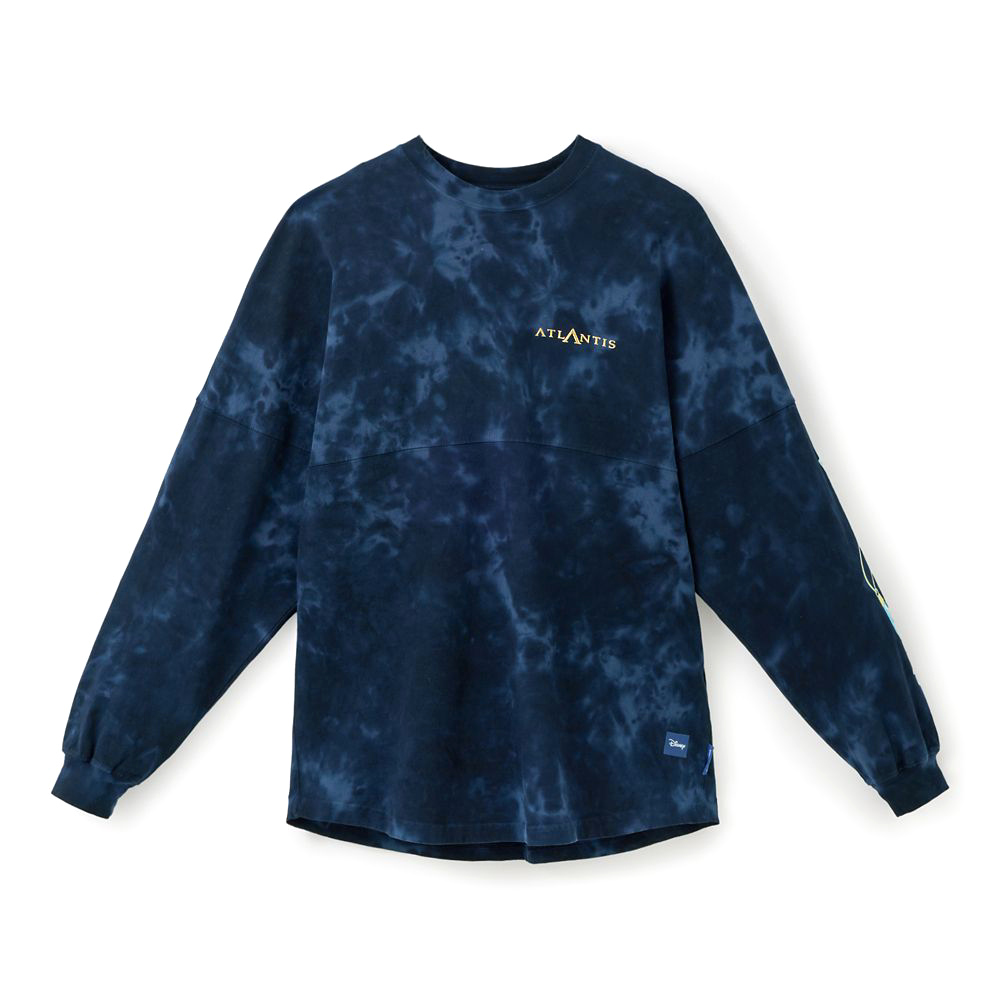
Atlantis: The Lost Empire 25th Anniversary Spirit Jersey for Adults | Disney Store