
Interview: David Henrie on Wrapping His Second "Wizards" Series


David Henrie is about to bring a second Wizards series in for a landing as Wizards Beyond Wavely Place is preparing to air its final episodes. We had a chance to chat with Henrie about how the two experiences compare, what advice he gave his young castmates, and more.
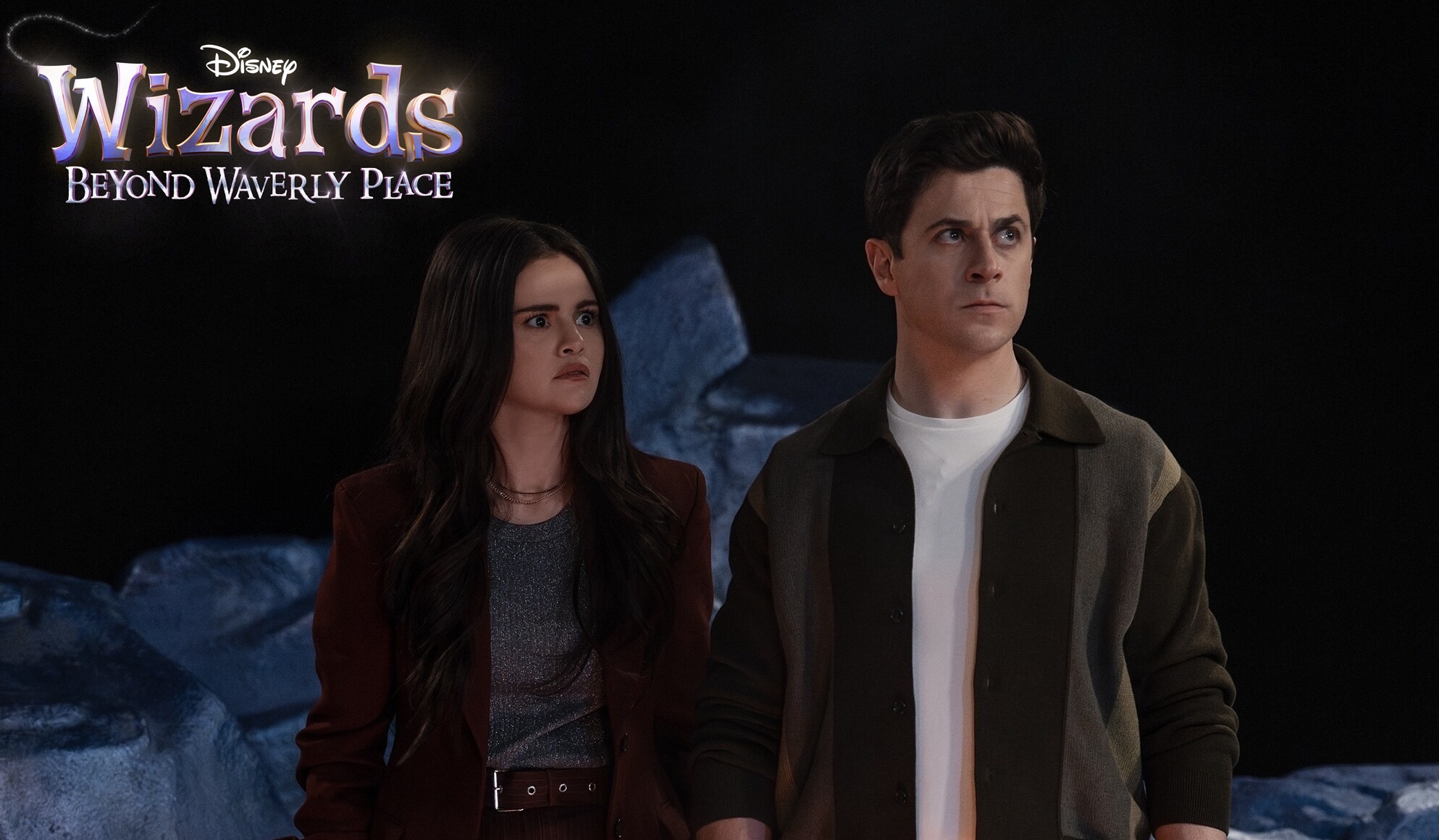
Benji Breitbart: Congratulations on another successful Wizards series that you've completed. What are your emotions as this comes to an end?
David Henrie: Oh man, a lot of emotions. I feel fulfilled in bringing back the Russo values to the world. I’ve gotten to meet fans now of the new show all over, and they really fill the heart of the show and have talked about how meaningful some of the family themes are to them personally. That’s what motivated the first show, right? The real magic of the show was family, and doing family in different ways, the family themes in different ways. Selena [Gomez] and I met so many people all over the world who maybe had broken families or didn’t have families, and we were their family, and that gave them a lot of hope. That’s the power of storytelling, right? This new show does that in a completely different way, but it remembers that the real magic behind the Russos is family. We got to do that again, so it was very, very meaningful to me.
BB: Few Disney Channel personalities get to play the child in the Disney Channel show and then the adult in the Disney Channel show. What did being a child actor on the first iteration inform how you were on set for now being in the full role of the mentor?
DH: It’s crazy, man. It’s crazy. You finish a show as a teenager and you don’t know what’s going to happen. You’ve got no idea, but you go back in time and tell me as that kid finishing the original show, “Hey, guess what? 15 years from now, you’re going to be reprising this role as a dad,” I’d be like, “No, there’s just no way.” So you never know what life has in store. You have to stay open to those things.
Over the years, as time passed and I started having my own kids, I was like, “Hey, why not?” I’m kind of a silly dad and also serious, so why don’t we try to do another show? We started talking about it with Selena, and we’d be hanging out and joking, and next thing you know, we pitch Disney.
BB: One of the things that we heard from the younger cast as we’ve been chatting to them is how the cast felt like a family. They also said how much they learned from you about the industry but also the process and being a better actor — particularly in this season where you have to really walk that line between comedy and tension and fear of the threat that’s on. Does the fact that you became a family help you bring that family to the screen as well?
DH: Absolutely. I’ve been in both shoes now. I’ve been the kid actor and now I’m the adult on the show and one of the producers, and I had a lot of experiences as a young person that I told myself consciously, if I ever have a position of power or authority on set, I’m going to create things in a certain way based on what I’ve learned. To me, it is really trying to create that family dynamic. Me as a father helps me relate to the kids even more now too, because I’m more sensitive to certain needs than I was when I didn’t have kids. All of that went into creating a great culture on set and a special culture on set.
I wanted this to be a special experience for all of us. We talked a lot about how to interact with one another and how to serve each other. I’m big on the servant leadership model, like if we’re all serving each other’s needs, it’s this never-ending cycle of help, helping your neighbor. And as an actor, the best actors are the ones that help their fellow actor. They’re not trying to steal the joke, they’re not trying to take the scene, they’re helping each other. All those experiences really added into trying to create something special here on Wizards. A lot of people came up to me on the last day and said, “This is one of the best experiences that they ever had.”
I told the kids too, because they were sad, you know, it’s the end. It’s like graduating high school or something. It’s sad, but it’s joyful because of what you’ve accomplished. I told them, “Just so you know, guys, your value is not determined by this moment. You’re just at the beginning, and if you feel like your value is determined by this moment, I suggest you stop doing this or figure it out, because this business is so hit and miss and you’re going to do good things and you’re going to do things that you didn’t love, and that’s okay. That’s not your value. That’s not where value is located.”
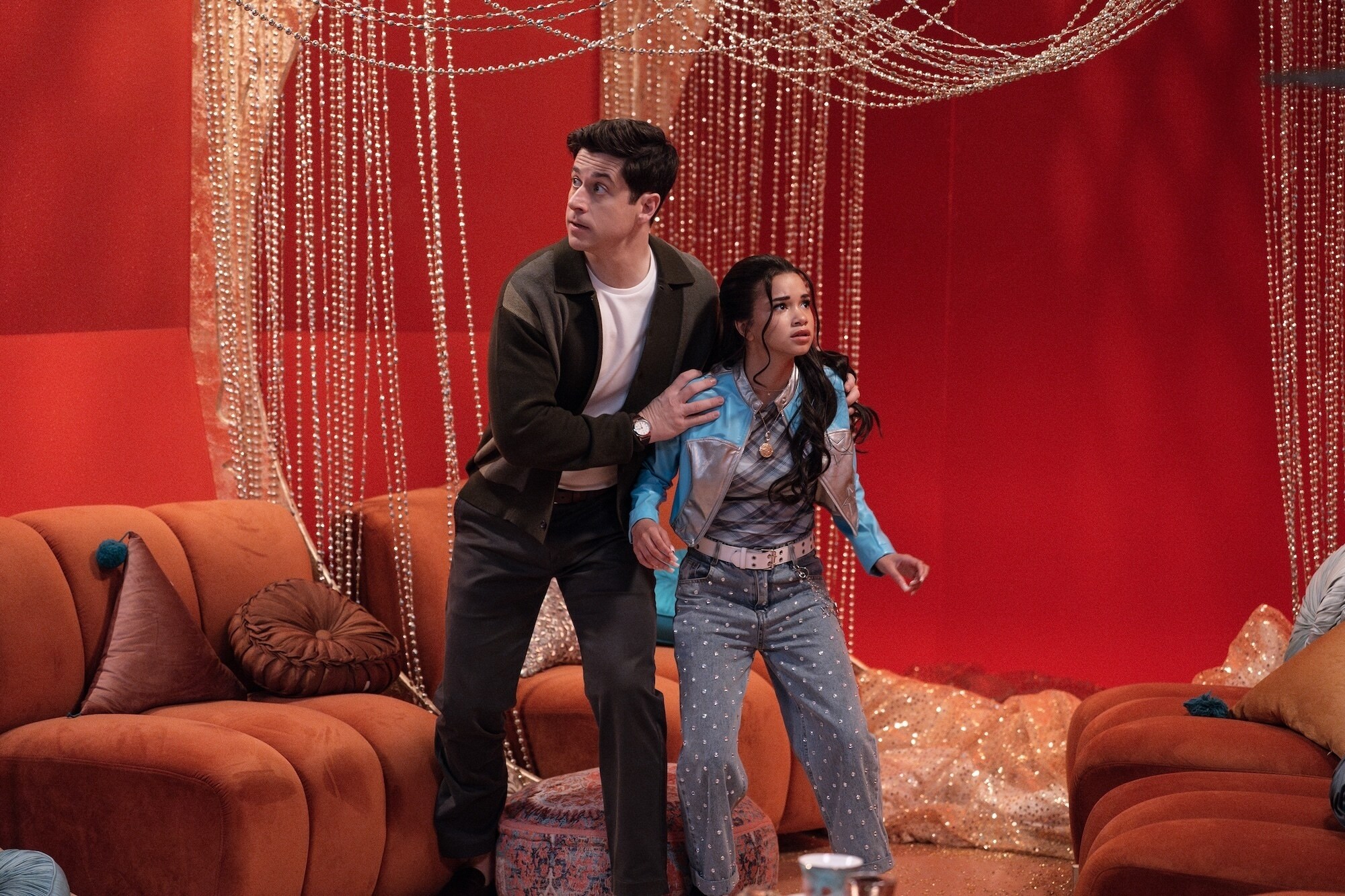
BB: Well, and you have the honor of having wrapped two Wizard shows. How did your final day on Wizards of Waverly Place compare to your final day on Wizards Beyond Waverly Place?
DH: Yeah, that I mean, we were kind of just touching on that. I got to tell myself, I got to tell the kids everything I’d wanted if I had to go back in time and tell myself. It largely linked to value, you know, because when you’re on a show that finishes, that’s a tough thing as an actor because your value is very much determined by what you’re doing. And suddenly something ends, it’s like, “Well, you’re out of work now and what’s next?” I don’t know, I got to go audition, I got to find the next thing. When you go from doing a show for three years to then suddenly not, it’s very easy to think, “Oh, I’m no longer valuable because I’m no longer on a hit show.” I wished I would have, if I could go back in time and tell myself that that is not a healthy mentality, I would. So I was big on that on the last week on the show. And the last four episodes in particular, just talking with the kids about that subject. I think it resonated.
BB: I think it did too. They’ve talked about how much your mentorship has meant to them. What’s it like to be that mentor and be appreciated as that mentor?
DH: I’m grateful they responded that way. But to me, I don’t look at myself as a mentor. I don’t look at myself as a teacher or anything. I’m genuinely just concerned. I’m just trying to create an atmosphere that allows us all to win. So I don’t think of myself in those terms, but it’s just a part of my nature to want to help lead and get this done in the best way possible. And if you’re human at the end of the day, every single person has infinite human dignity and we’re all individuals. If you forget that, then you start treating people like tools and you don’t remember that, “Hey, I’m talking to a human being here,” right? I’m not talking to a tool. That fundamentally drives me as well. I don’t care who I’m talking to on set, whether it’s the lowest person on the totem pole or the highest person on the totem pole — every single person has dignity and should be treated as such. And when people feel that, you know, they feel that. Like, I’m sure all of us can think of someone who, when they talk to us, they’re really talking to us, like a real person, and there’s love in their eyes, and that’s what I’m trying to spread.
BB: Thank you so much for all your hard work on the show. Thank you for taking these kids that we’ve come to love over the last couple years and really making sure they are set for success as they move on to their next level of greatness, which I’m sure they will, as you have yourself. Congratulations.
DH: Thank you very much, Benji. I appreciate you, man.