
Disney Worldbuilders: Leslie Iwerks Shares the Inspiration Behind Her Latest Film


For over 100 years, Disney has invited audiences into extraordinary worlds through film. Whether they were created by Disney (such as Arendelle or Zootopia) or came from storytellers that Disney welcomed to the fold (such as the distant moon of Pandora or a galaxy far, far away), those stories have become part of popular culture. What makes Disney unique, however, is that those worlds rarely remain confined to the screen. Through the work of Walt Disney Imagineering, they eventually become places guests can physically explore, creating an emotional connection that few entertainment companies can match.
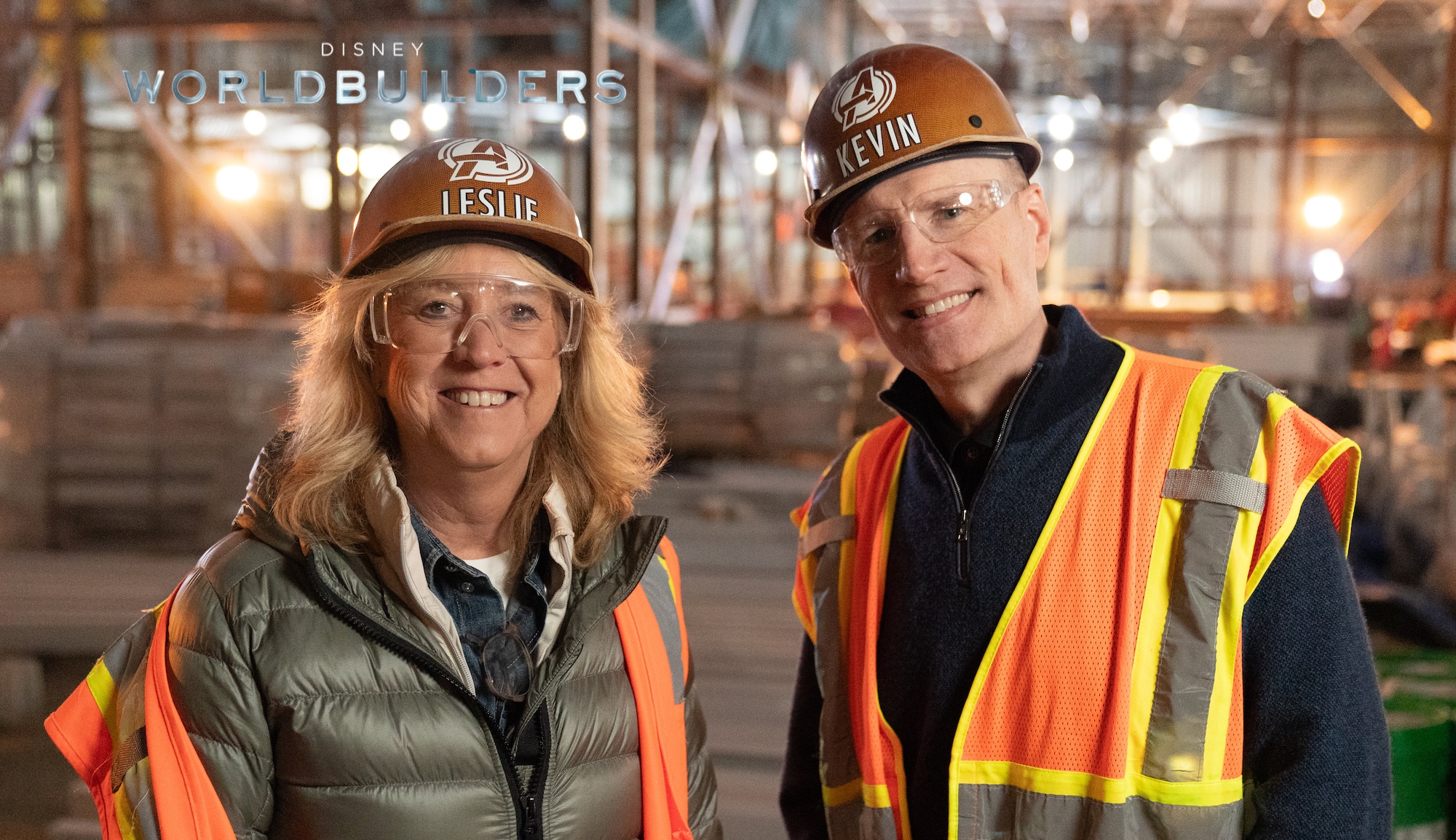
That creative relationship between filmmakers and Imagineers sits at the heart of Disney Worldbuilders, the new documentary from acclaimed filmmaker Leslie Iwerks. Now, every Disney fan knows Leslie’s fantastic work, and we are lucky to have another Disney-focused film from her — making the premiere at D23 all the more appropriate. The film explores how today's storytellers' work was inspired by their visits to the parks and how they now work alongside Disney Experiences to transform beloved films into immersive lands and attractions.
Ahead of the documentary's debut, Laughing Place had the honor of speaking with Leslie about what inspired the project, why Bob Iger became its central figure, and why she believes Disney Parks remain one of the most powerful storytelling mediums ever created.
The project began with a question that had fascinated Iwerks for years. Rather than focusing on attractions or the technical artistry behind Imagineering, she wanted to understand what it feels like for a creator to watch an idea evolve beyond the movie theater and become a place that millions of people can actually visit.
"I was always interested in what it would be like to be one of the creators who come up with a concept from scratch," Iwerks explained. "Then you see it go into films and on TV globally, but then ultimately the next transition is into the parks. What is it like to see your idea in a park where you can walk through it, experience it, ride it, talk to the walk-around characters, and experience what was once only in your head?"
That perspective shaped Disney Worldbuilders into something broader than a documentary about theme parks. Instead, it examines Disney's creative ecosystem, where filmmakers inspire Imagineers, Imagineers inspire filmmakers, and each new project builds upon the last.
"It was about how the brands are influencing the parks, but also how the parks are influencing the films too, as you see with The Mandalorian & Grogu," she said, referencing the recent updates to Smuggler’s Run. "It became this creative flywheel story of inspiration from filmmaker to park and back to filmmaker."
As the documentary continued to take shape, Iwerks realized another story was naturally emerging. While the featured filmmakers represented a wide range of creative disciplines, the common thread connecting all of them was Bob Iger's vision for The Walt Disney Company.
"It really became Bob Iger," she said. "He acquired all these brands and all these companies that are now the preeminent stories in the parks." That observation highlights one of the documentary's central themes. While Disney has long excelled at turning its own animated classics into immersive experiences, Iger expanded the company's storytelling possibilities by bringing Pixar, Marvel, Lucasfilm, and later 20th Century Fox into the Disney family. Those acquisitions didn't simply add recognizable intellectual property. They introduced generations of storytellers whose creations would eventually become part of Disney Parks around the world.
One discovery that surprised Iwerks during production was how deeply those storytellers had been influenced by Disney long before they ever joined the company. Although many audiences think of figures like Pete Docter, Jennifer Lee, James Cameron, and Jared Bush primarily as filmmakers, each of them carried childhood memories of Disney Parks that continued to shape their creative lives.
"It was fun and refreshing for me to sit down and talk with each of these filmmakers and ask them about their earliest Disney memories," Iwerks said. "All of them were inspired by the parks."
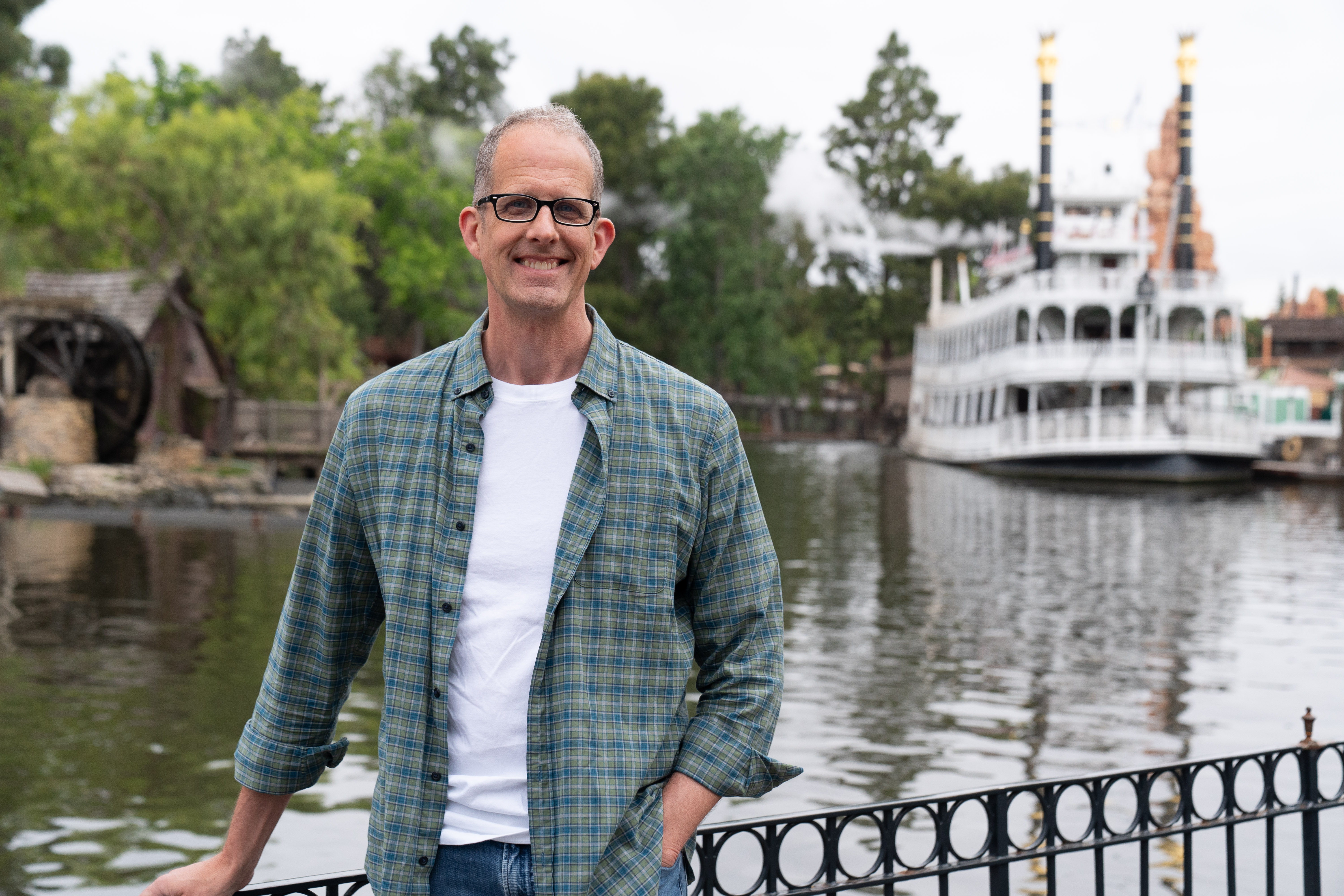
She recalled Pete Docter's annual family vacations to Disneyland and Walt Disney World, Jennifer Lee's affection for Fantasyland, and Jared Bush's childhood enthusiasm that even inspired his mother to make him a Peter Pan costume. Those weren't simply nostalgic anecdotes. They demonstrated that many of today's creative leaders first experienced Disney as fans themselves.
"There was a very visceral connection to the theme parks from all of them," Iwerks explained. "The idea that they could collaborate with the Imagineers and have their brands in the parks was like a dream come true."
Even after decades of success, that excitement has never disappeared. One comment from Pixar Chief Creative Officer Pete Docter particularly stood out during filming because it perfectly captured what the parks represent to Disney storytellers. "Pete Docter says, 'You made it when you have one of your characters in a Disneyland park,'" Iwerks recalled.
That sense of accomplishment reflects something unique about Disney. For most filmmakers, success ends with audiences embracing a film. At Disney, however, a story can continue evolving for decades as it becomes an attraction, a land, a stage show, or an interactive experience that guests return to again and again.
One of the documentary's most memorable conversations comes from filmmaker James Cameron, who reflects on the remarkable ability of Disney Parks to establish an emotional connection with guests in a fraction of the time available to a feature film. While filmmakers often spend two or three hours building emotional investment, a park can create those same feelings almost immediately through physical immersion.
For Iwerks, that emotional power comes from Disney's unwavering commitment to craftsmanship. "The Imagineers take these stories and work extremely hard in every detail to bring them to life," she said. "The authenticity, the craftsmanship, and the storytelling all resonate."
She pointed to World of Frozen at Disney Adventure World in Paris as an example of that philosophy. Beyond the sweeping architecture and recognizable landmarks, she was struck by intimate details such as the height markings showing Anna and Elsa's childhood growth.
"Those kinds of details are what people relate to because now they're living in the real world of Frozen," she explained. "Kids who've watched the movie thousands of times can suddenly experience that world in a way they never could before."
For Disney fans, that immersion often becomes deeply emotional because the stories are no longer something being observed. Instead, guests become participants within them, meeting characters, exploring familiar locations, and creating memories inside worlds that once existed only on a screen. "It feels exciting. It feels emotional," Iwerks said. "The characters come and meet you, and it's such an immersive experience that isn't like anything else when it's done right."
That philosophy, she believes, stretches all the way back to Walt Disney himself. From the moment Disneyland opened in 1955, Disney understood that beloved characters could become far more meaningful when audiences were able to interact with them in person. "I think that's the whole key that Walt started," she explained. "You create a character that becomes beloved around the world, and then you put them in the park where people get to meet that character. It's like meeting a rock star."
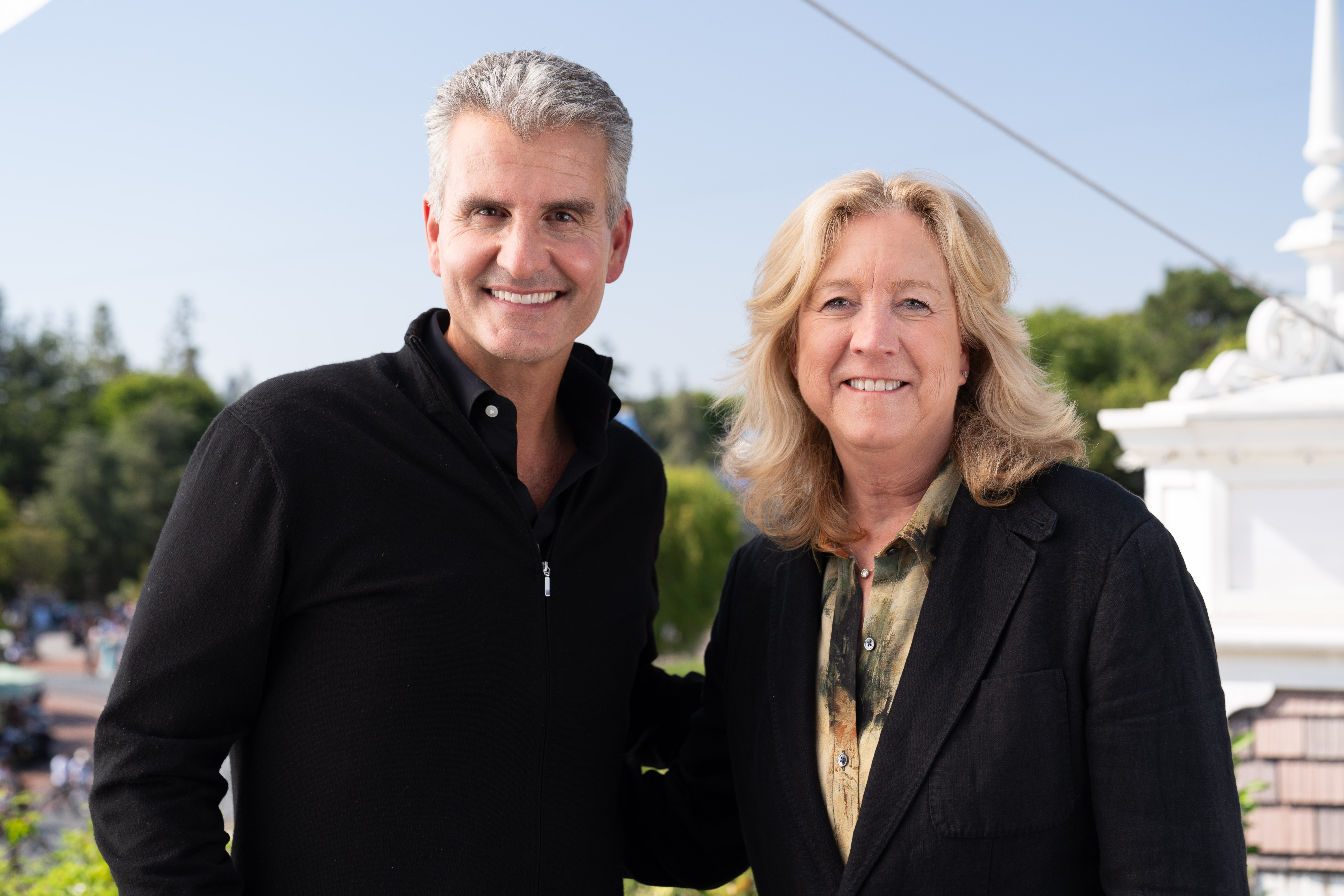
She believes that emotional hospitality remains central to Disney's identity today, echoing another observation made during the documentary by Pete Docter. "The parks are about emotion and hospitality," Iwerks said. "As Pete Docter said in his interview, the parks make you feel like you're not alone."
For Iwerks, those emotional experiences also explain why Disney's creative model continues to distinguish the company from every other entertainment brand. Rather than treating theme parks as separate businesses that simply license successful films, Disney develops stories and experiences collaboratively, allowing filmmakers and Imagineers to inspire one another throughout the creative process.
"Bob Iger saw in these storytellers a potential that he knew could resonate around the world through film, animation, and live action," she explained. "Then those stories could ultimately become part of a park where you have that immersive experience beyond the film itself."
That perspective ultimately led Iwerks to what may be the documentary's biggest conclusion. While Disney Worldbuilders celebrates artists across Disney, Pixar, Marvel, Lucasfilm, and Avatar, it also serves as a reflection on Bob Iger's impact on the company. By investing in creative talent and expanding Disney's portfolio of storytellers, he dramatically increased the number of worlds Disney could bring to life.
"I think, outside of Walt, Bob Iger is the ultimate world builder," she said. "He expanded these worlds beyond our wildest imaginations by bringing in storytellers he knew could inspire and create joy for millions and millions of people around the world."
The documentary also carries personal significance for Iwerks herself. As the granddaughter of Disney legend Ub Iwerks and the daughter of Disney Legend Don Iwerks, she has spent much of her career documenting the people whose creativity shaped Disney history, from Pixar and Industrial Light & Magic to Walt Disney Imagineering itself. "I feel honored to have grown up in a family of creative people," she reflected. "It's been an honor for me to document that history."
With Bob Iger preparing to hand leadership to Josh D'Amaro and Disney already looking toward ambitious new projects like its upcoming Abu Dhabi resort, Iwerks sees Disney Worldbuilders not as the end of one era but as the beginning of another. More importantly, she hopes the stories shared throughout the documentary encourage future artists to believe that they can someday become Disney's next generation of storytellers.
"I wanted aspiring creators to realize that not everything's easy and you will fail," she said. "But ultimately you can do what Jennifer Lee did. You can do what Jared Bush did. You can do what Kevin Feige did. I wanted fans and aspiring creators to feel inspired by these stories and believe they can do the same thing."