
Celebrating the Life of Jim Henson on His 90th Birthday


On September 24, 1936, one of the most imaginative and influential figures in American history was born. Ninety years later, Jim Henson's creations remain as recognizable and beloved as ever, continuing to introduce new generations to the magic of puppetry, storytelling, humor, and friendship.
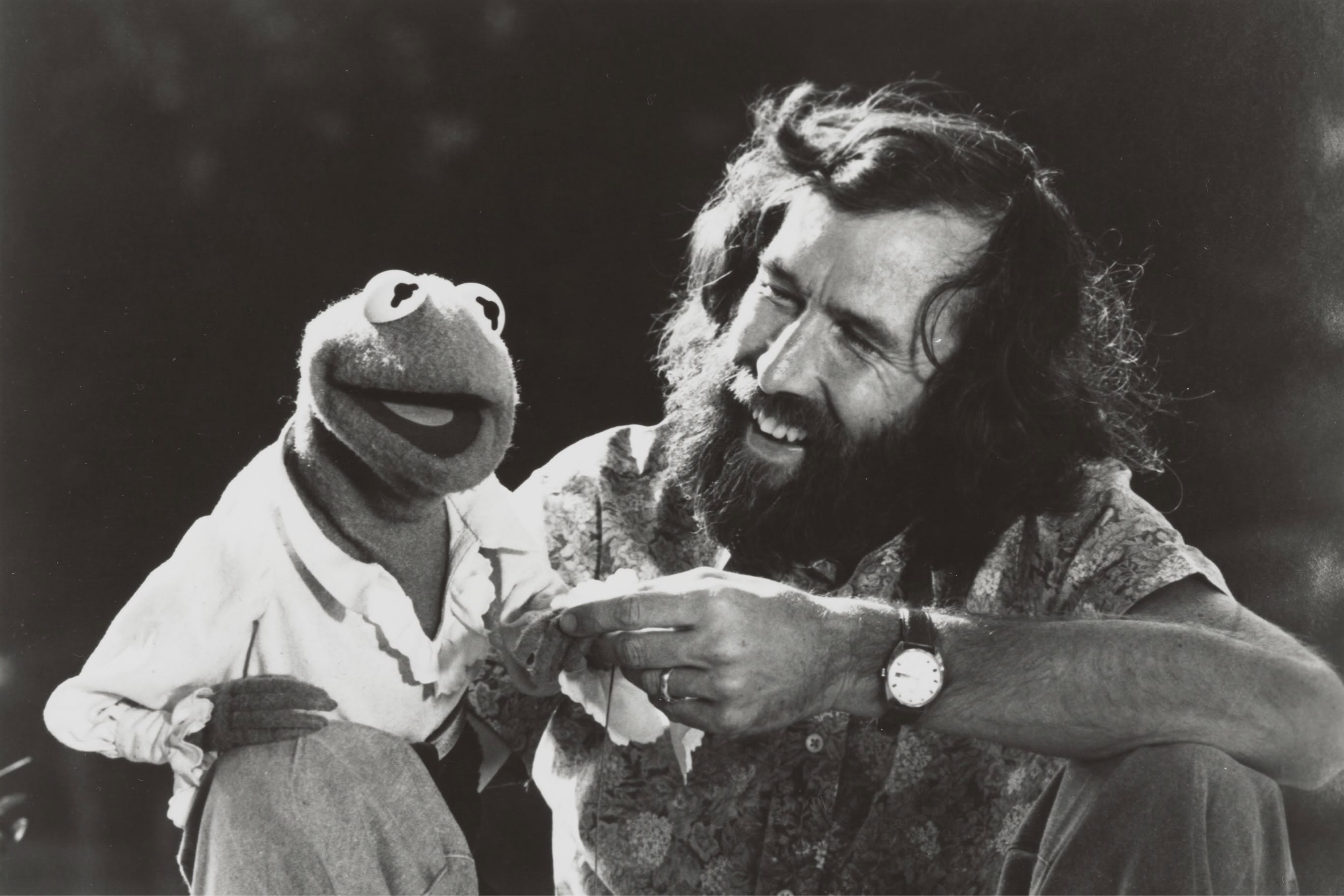
Born in Greenville, Mississippi, Henson was raised in Mississippi and Maryland and developed an interest in art and visual storytelling at an early age. He attended the University of Maryland, where he studied visual arts and became involved with puppetry. What began as an opportunity to get into television would ultimately change the medium forever.
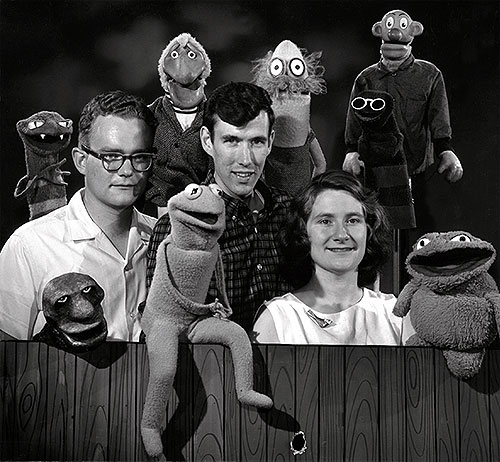
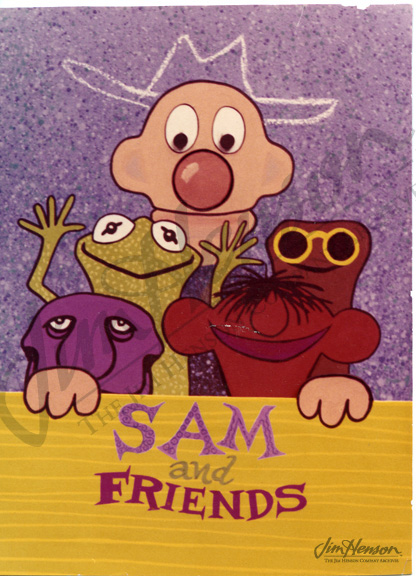
In 1955, while still a teenager, Henson created Sam and Friends, a local Washington, D.C.-area television program that introduced audiences to a new kind of puppet character. Among them was a character who would eventually become Kermit the Frog.
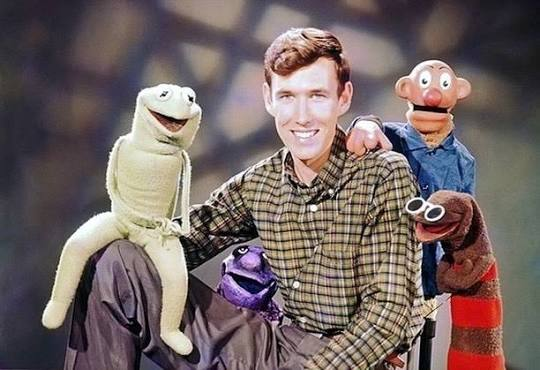
The original Kermit puppet was a very early example of Henson's ingenuity. Created in 1955 using material from a coat that belonged to his mother and a pair of Henson's blue jeans, the puppet was brought to life through Henson's innovative approach to television performance. Kermit wasn't even initially identified as a frog; that evolution came later.
Henson understood that puppetry for television did not have to look like traditional stage puppetry. Rather than keeping performers hidden behind a conventional puppet stage, he developed techniques that allowed his characters to appear more expressive and responsive within the television frame. His work helped establish a new visual language for puppetry that took advantage of the camera and the possibilities of television.
Henson's early Muppet characters also began appearing in commercials and variety programs. One of the most notable early successes was Rowlf the Dog, who became a regular on The Jimmy Dean Show in the 1960s. Henson's partnership with fellow puppeteer Frank Oz also became one of the most important creative collaborations of his career.
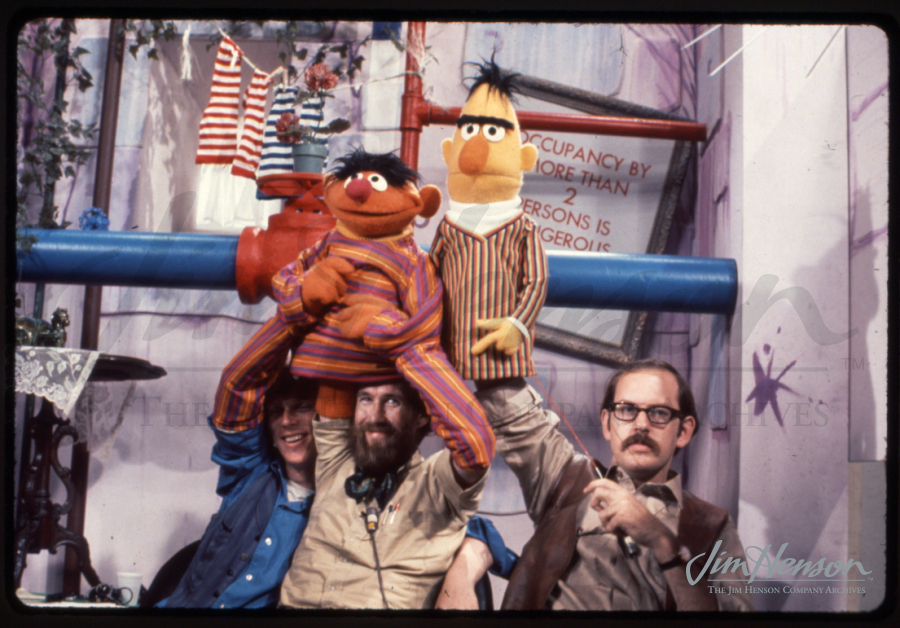
Then came Sesame Street. When the groundbreaking children's educational series premiered in 1969, Henson and his team created characters that would become some of the most recognizable figures in television history. Kermit, Bert, Ernie, Big Bird, Cookie Monster, Oscar the Grouch, and many others helped transform the way educational television could communicate with young audiences.
Sesame Street was built around the idea that television could both educate and entertain, using music, humor, animation, human performers, and puppetry to teach children literacy, numbers, social skills, and more. Henson's Muppets became an essential part of that mission.
Henson, however, never wanted his creativity to be limited to children's entertainment. His ambitions extended into comedy, film, fantasy, technology, and storytelling for audiences of all ages. That vision became particularly clear with The Muppet Show, which premiered in 1976.
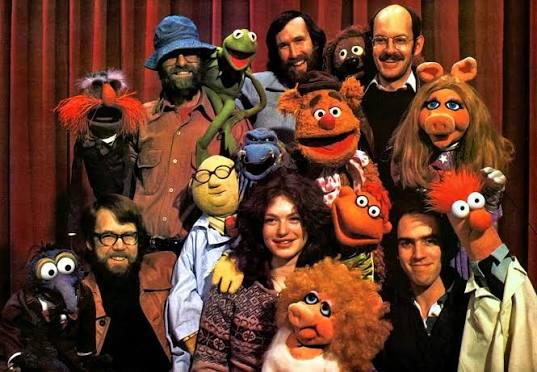
Set inside a chaotic vaudeville theater, The Muppet Show brought together Kermit, Miss Piggy, Fozzie Bear, Gonzo, Animal, the Electric Mayhem and countless other characters alongside a rotating lineup of human guest stars. The series became an international hit and demonstrated just how broadly Henson's creations could appeal.
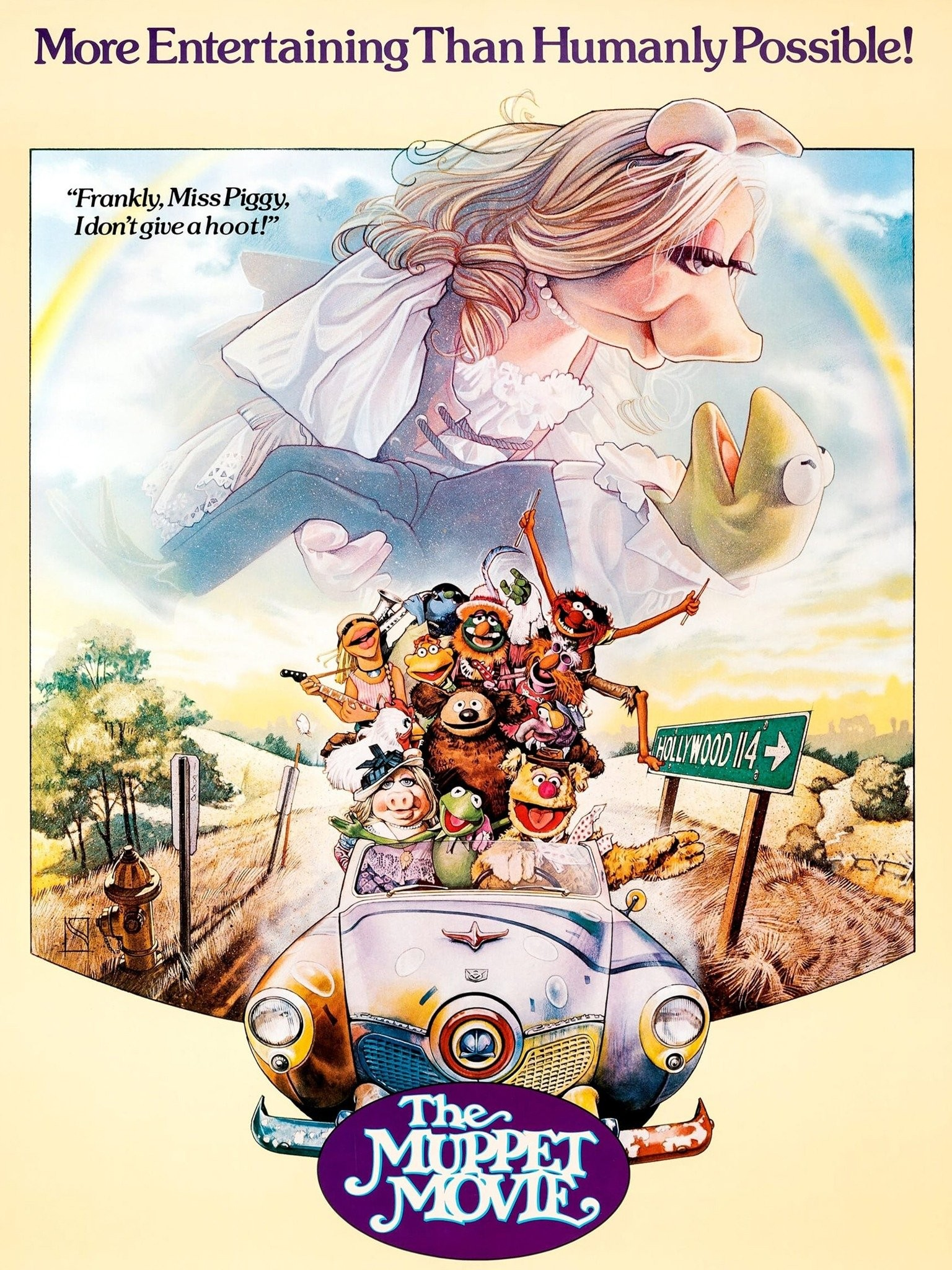
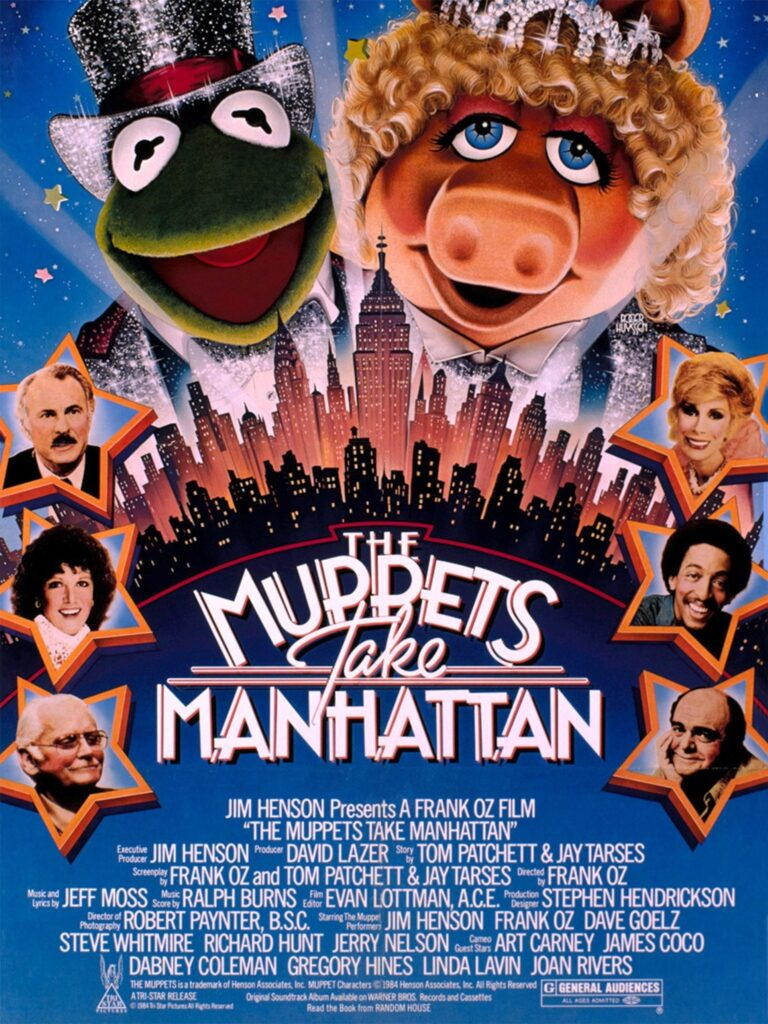
The Muppets soon expanded beyond television and onto the big screen. The Muppet Movie arrived in 1979, followed by The Great Muppet Caper in 1981 and The Muppets Take Manhattan in 1984. Henson's work in film also allowed him to explore worlds far beyond the familiar Muppet stage.
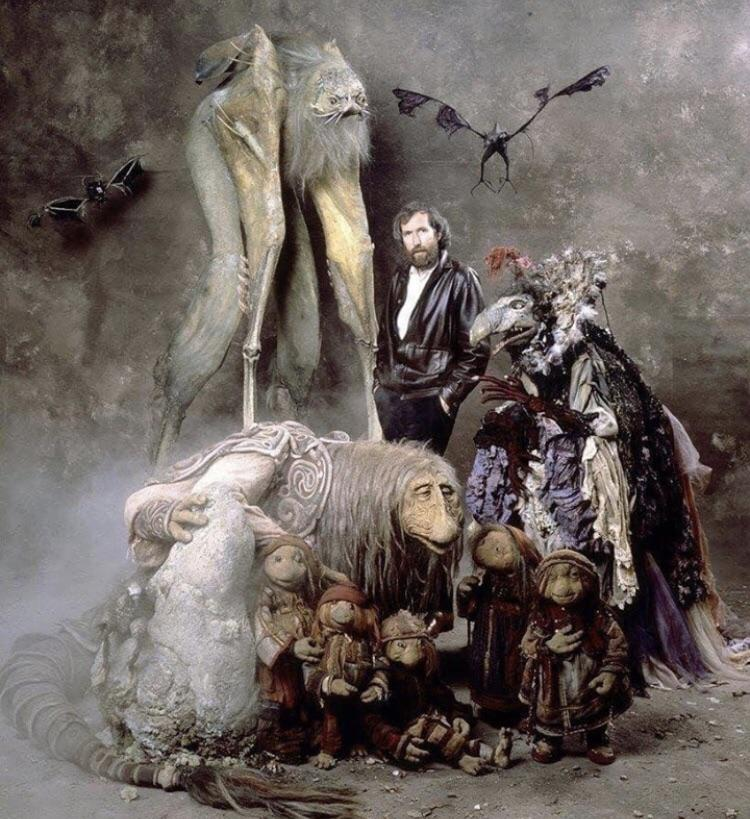
In 1982, Henson co-directed The Dark Crystal with Frank Oz, creating an elaborate fantasy world populated entirely by puppetry and creature characters. The film represented another side of Henson's imagination and demonstrated his interest in using puppetry to tell more ambitious fantasy stories.
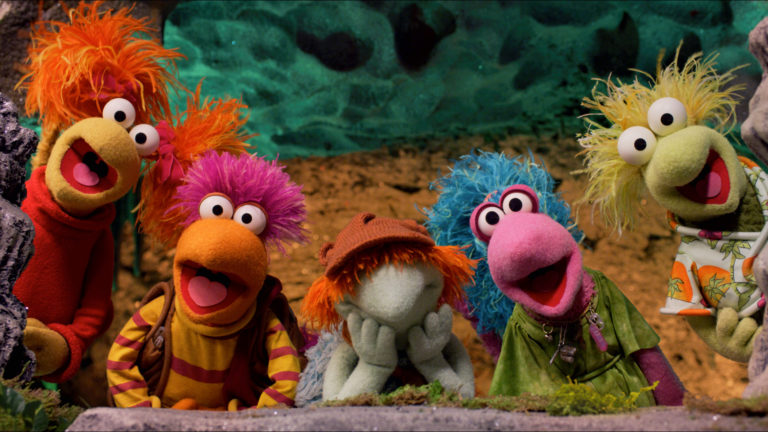
Henson continued expanding his creative universe with Fraggle Rock, which debuted in 1983. The series introduced audiences to Gobo, Red, Wembley, Mokey and Boober Fraggle while creating a colorful underground world filled with music, humor, and stories about relationships and community.
His work also reached the fantasy classic Labyrinth, released in 1986 and starring David Bowie and Jennifer Connelly. Henson directed the film, which combined elaborate puppetry, creature design, fantasy environments, and live-action performances.
Behind many of these productions was Henson's dedication to innovation. His work pushed the technology and craftsmanship of puppetry forward, including techniques and mechanisms that allowed performers to create increasingly sophisticated movements and expressions. The Smithsonian's National Museum of American History describes Henson and his collaborators as having created a new American style of puppetry specifically suited to television and film.
Henson's career was tragically cut short in 1990. He died on May 16 at the age of 53 following an infection. His passing came as a shock to the many performers, artists, writers, designers, and collaborators who had worked alongside him and to audiences who had grown up with his characters.
Henson's creative legacy did not end with his death. His characters and productions continue to entertain audiences, while the artists and performers he inspired carried his approach to storytelling into new generations of television, film, puppetry, and visual effects.
His influence can still be seen in museums and cultural institutions. The Smithsonian's National Museum of American History houses an extensive collection of Henson-related puppets and artifacts, including the original Kermit puppet from Sam and Friends. The museum has described Henson's work as having made an indelible mark on American history and culture.
Henson's legacy is ultimately about more than individual characters. His career demonstrated that imagination could be taken seriously without losing its sense of fun, that puppets could tell stories with genuine emotional depth, and that entertainment could bring people together across generations.
From a teenager making puppets to get a job in television to the creator of some of the world's most famous puppets, Jim Henson never stopped experimenting. His body of work spans educational television, comedy, music, fantasy, film, technology, and puppetry, but the spirit connecting it all is unmistakable: curiosity, kindness, humor, and an almost limitless belief in what could be created.
On his 90th birthday, that spirit remains alive in Kermit, Miss Piggy, Big Bird, the Fraggles, the creatures of The Dark Crystal, the characters of Labyrinth, and countless other creations that continue to inspire audiences. Happy 90th birthday to the one and only, Jim Henson. The world is still a little more imaginative because you were here.