
Interview: "Lion" Series Producer Jane Atkins on Filming the Real Circle of Life


Since 1994, when Disney’s The Lion King premiered, the worldwide population of lions has decreased by over 50%. With National Geographic joining Disney in 2019, the yellow border leans into the animated film’s popularity with the four-part nature series Lion. Ahead of the show’s launch, I got to speak with Jane Atkins (Series Producer, BBC Natural History Unit) about her passion for lions, the challenges of bringing this series to life, and the reality that lions face in the here and now.
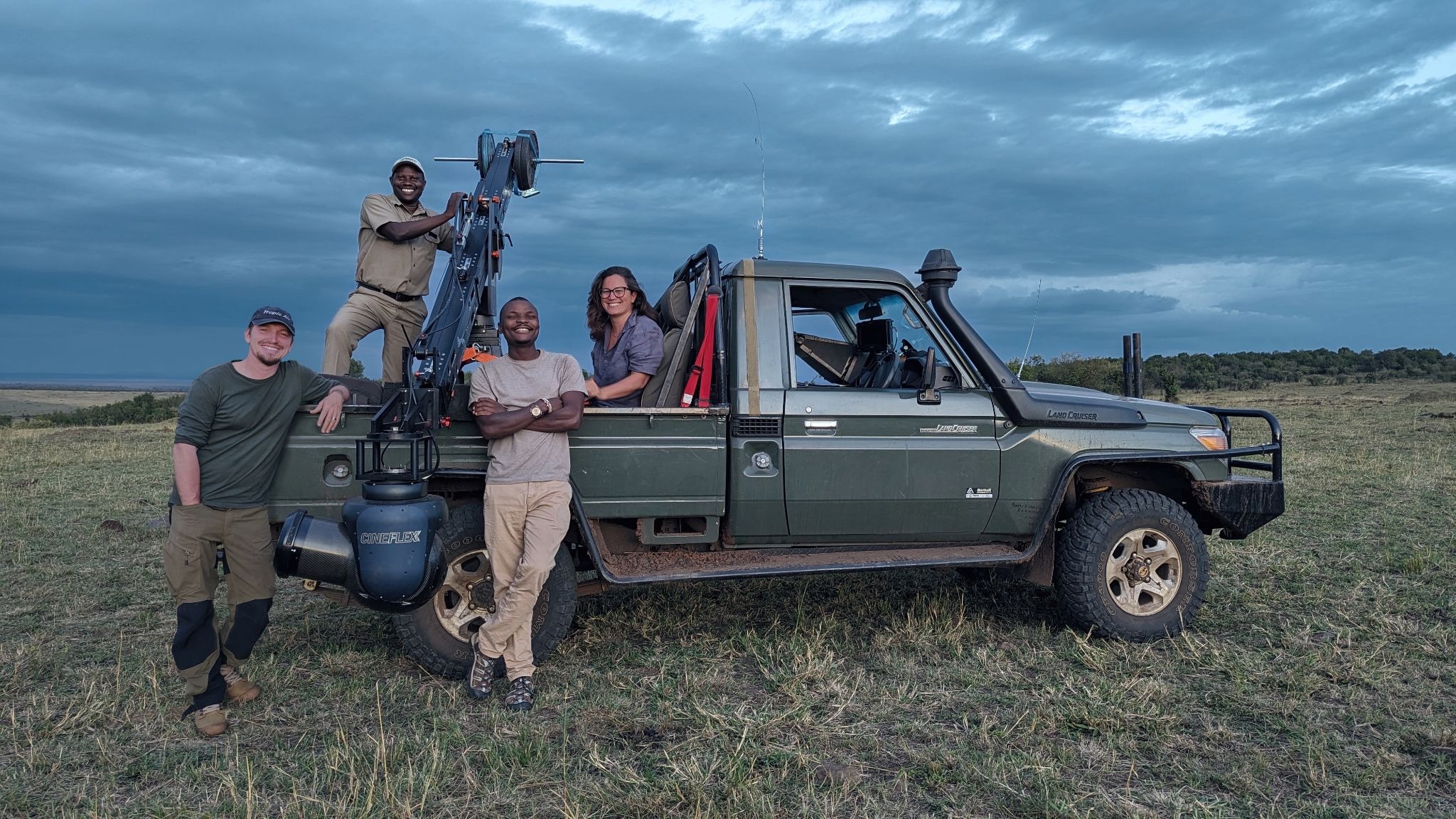
Alex: It took 1,400 filming days across 52 shoots to make Lion. As a series producer, I have to imagine that was a lot to coordinate and make sure this team had everything they needed to be in the field. What was the biggest challenge that came with tracking a single pride, and focusing on a single cub, for that length of time?
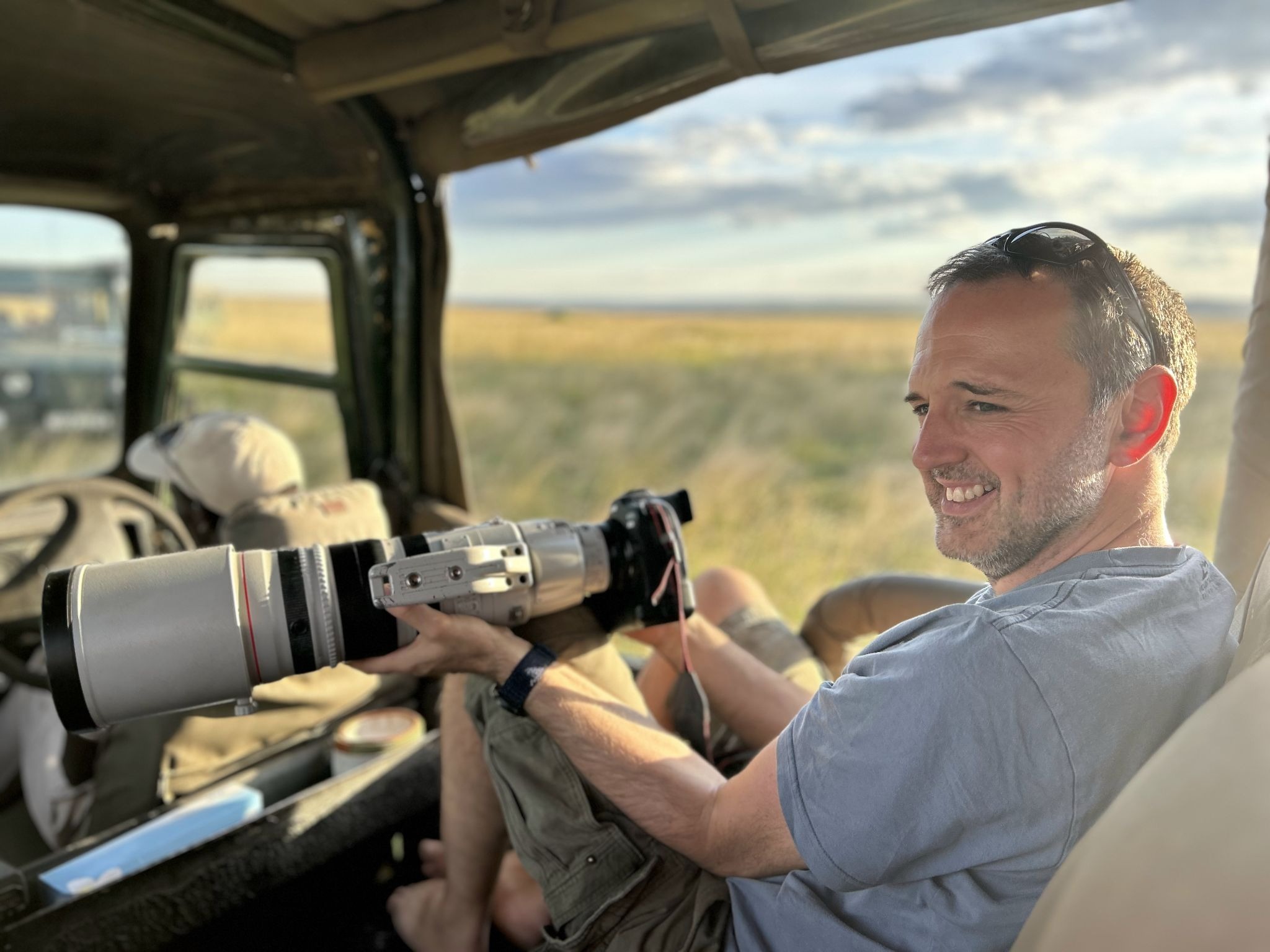
Jane Atkins: So as a series producer, the job is very broad, and it's creative. You've got to look for the storylines, but you've also got to make sure your crew has the right kit, that it's got the right sort of focus for the project, and that you have the logistics in place; that you have the finances to plan it all out. So you're across the whole thing. The logistics and the organizing of it was also down to an amazing production management team who just kept the ball rolling and allowed us to basically hit the ground running. We would go out there, spend a month in the field, get up every morning at 5:00 a.m., go to bed at 10 after a long day filming. But it was all so worth it because — 52 shoots, 1,000 hours of footage — we got the most incredible story.
It was a lot of hard work, and the hardest thing was just holding onto that hope that we would get this incredible story of cub to king, because no one's been able to do that. That is the most amazing, unique thing that anyone could have got, and we didn't know we'd get it. We had no control of the story; anything could have gone wrong at any point. But somehow our little cub Kio managed to survive through all sorts of tragedy and loss and become this beautiful male at the end who was a king. It's a beautiful story to film, and to be, as a series producer, across the creative finishing of it as well. I'm really delighted with it.
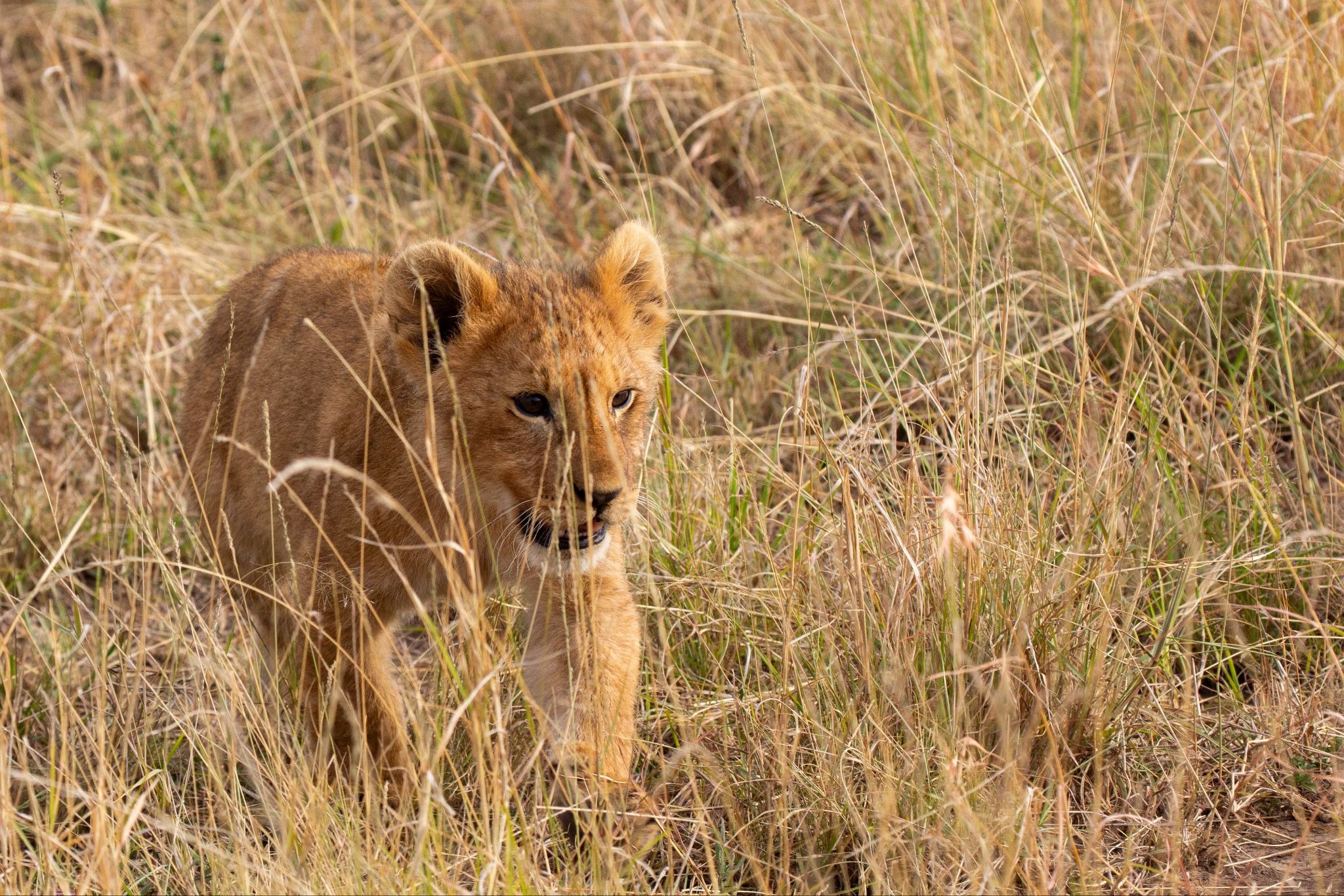
Alex: The series leans into Disney’s The Lion King, and also has Jon Favreau and Hans Zimmer on board. Was The Lion King a foundational film for you?
Jane Atkins: Sure. My parents worked in Africa when I was a kid, so I spent about 15 years of my childhood out there, and I loved African wildlife. Then I studied biology and got into filmmaking. But even as a teenager, I was of that generation where I watched The Lion King probably a hundred times, and I knew all the music, and I loved it all. It was the soundtrack on all the road trips. It was so fun, and I used to sing it with my friends. So it was always there, and it's strange when your career takes you on this journey full circle; you end up working with these amazing icons in filmmaking, Jon Favreau and Hans Zimmer, on a project where you're telling something extraordinary that mirrors what they've done in their own animation worlds, but we've done it as a team in the documentary sense. That was genuinely amazing.
And yes, there were lots of things from The Lion King that inspired a lot of the elements in Lion. We have nods to the music, we have nods in the cinematography style and the editing. But there are also a lot of things that are totally unique to Lion that aren't in The Lion King. A different type of pride, a different type of dynamics that happen to our little cub. There are some things we had that didn't come out in The Lion King, and there are these amazing stories that work perfectly in this documentary. So I think it's the nostalgia of The Lion King that's really powerful, but also the newness of this documentary and the authenticity, something that's so real you can't take your eyes off it. It's kind of extraordinary.
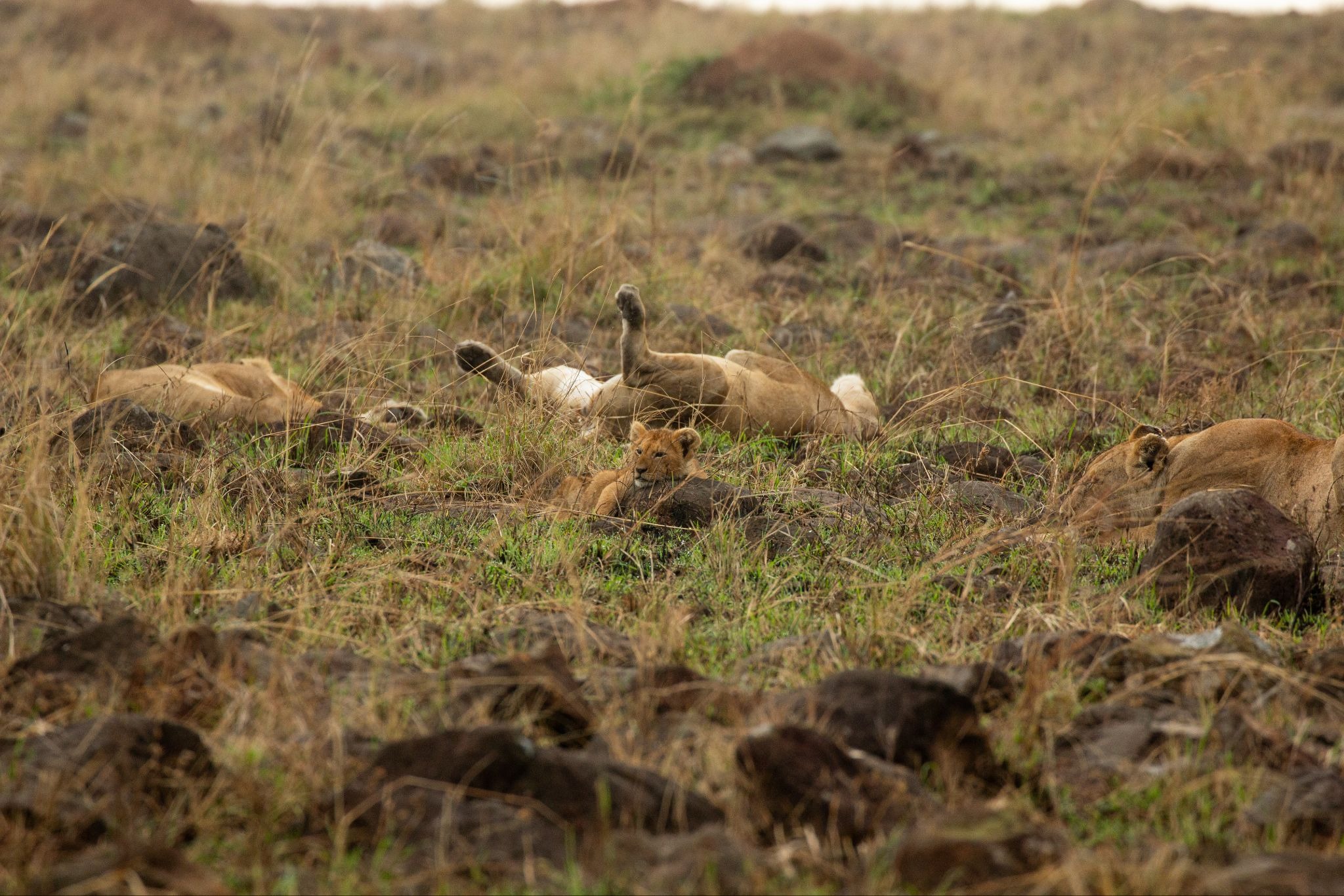
Alex: The Lion King puts the focus on Mufasa being the king and passing it on to Simba, but if you study lions, you know that a pride is really run by the lionesses. I was wondering if you could talk about the importance of making sure people who come to Lion knowing The Lion King walk away understanding the real dynamics of a pride.
Jane Atkins: The females are, without doubt, the anchors of a pride. They stay in their natal area; the pride stays with them until the pride structure changes. And that change happens because you have younger males who need to be kicked out and leave, or you have females who, when they're younger, decide to move away and start their own pride. But the core are these really, really strong lionesses. They are brave, they are hunting, they are caring, they are protective. There are these incredible qualities, and we definitely wanted to show that, because this isn't just Kio's story. He's a lovely, beautiful, gorgeous little cub, but the real reason for his success is really a testament to his mother. She was an incredibly powerful role model in his life and a protective force throughout episodes one, two, and three. There's a really sad moment in Episode 3. Had she not done what she did to look after him all that way, he wouldn't have survived to become the king that he is. I think that's also just a really powerful message about family and these values that we might think about in our own human lives, but it's extraordinary; you realize that this happened in the natural world, in front of us, and played out.
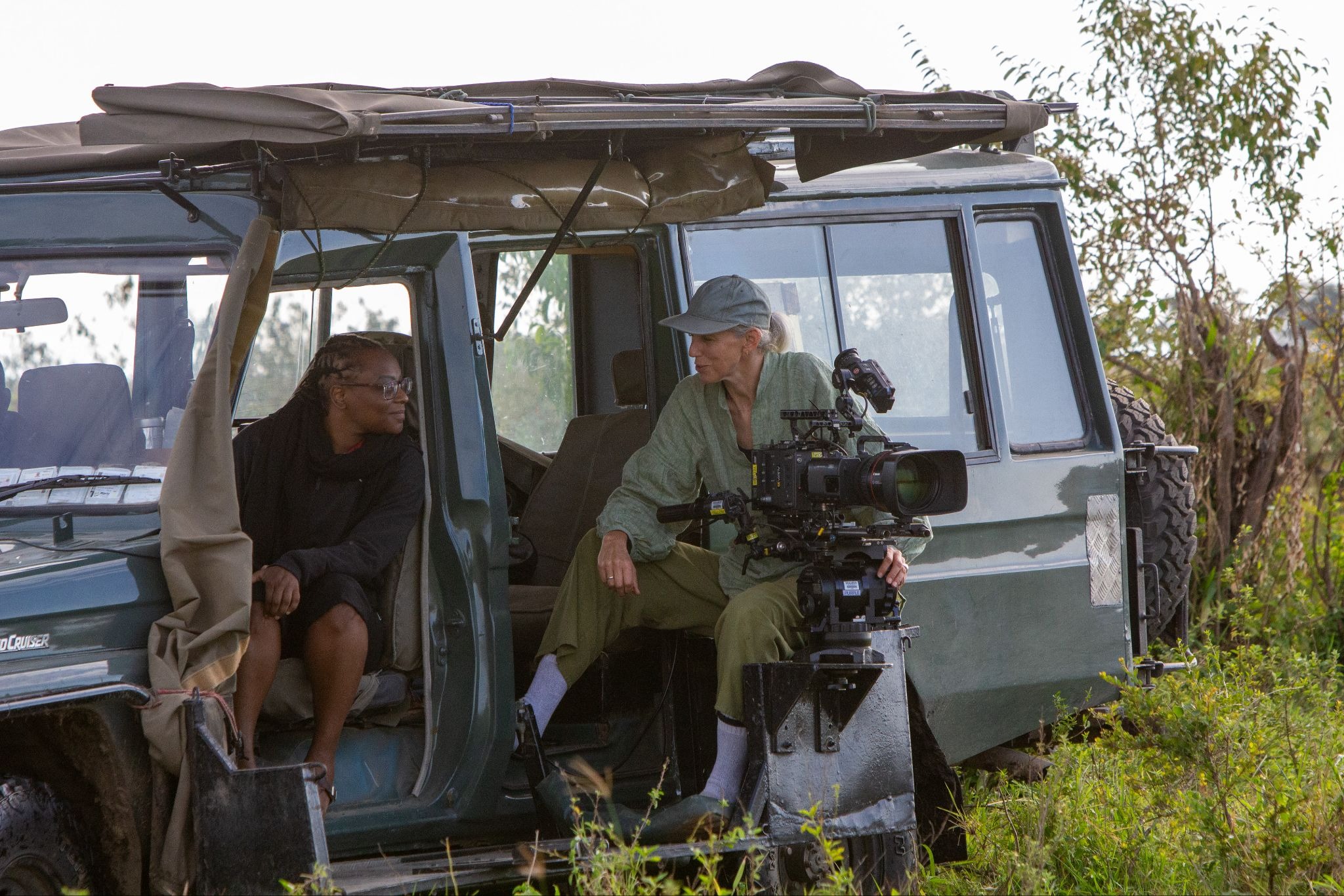
Alex: The Lion King could be set at any time in Africa, but this takes place very much now, and deals with current challenges lions face, including interactions with human farmers and climate change. What do you hope viewers take away from those aspects of the series?
Jane Atkins: I've been filming in Africa for the last 20 years, and in fact about 15 years ago I was in that same area, and the wildebeest migration was really, really extensive and far-reaching through the reserve. I was very surprised when the migration didn't succeed in getting to where we were filming, but that's also an example of change in the natural order.
In a related way, the change happening to the landscape outside the reserve, of people settling and populations becoming larger, is very apparent. You can see all these large settlements growing around the periphery of the reserve. So it's a really big challenge for the Kenyan government, officials, and rangers to manage this location, because people need to have livelihoods. They have cattle, they have their own families, their own children, their own ways of living. And so do the lions.
I think what we were trying to do in the story was not to be judgmental about that. It was just to say: now you are invested in what it takes to be a lion. Now you truly know what it takes to be a lion, how vulnerable this little cub is, and even in the natural world, with buffalo and hyenas, and then you add the complexity of humans on top of that, it's a huge challenge. It's happening all over Africa, and we didn't want to hide away from it. It was part of our storyline. But we were also very pleased to work with the Disney team, who have a Disney Conservation arm and have been real advocates for lion conservation through their Protect the Pride fund, which directly supports communities and conservationists who are trying to live alongside lions and holistically find ways to exist alongside each other without conflict. So that's a deeper meaning of the series which, depending on your age and interest, you'll probably find out more about, but it's definitely, for us, an important feature of the whole project.
Nat Geo’s Lion is now streaming on Disney+. Disney’s Protect the Pride campaign supports the Wildlife Conservation Network’s Lion Recovery Fund, which has helped support more than 400 conservation projects focused on stabilizing and recovering lion populations through locally led solutions since 2019.