
New Nomenclature Needed: Why Disney Should Move Away from "Intellectual Property"


At the premiere of Toy Story 5, Taylor Swift discussed how much the series has meant to her over the years. “I would just love to say it means the world to me to be a small part of the universe of these films,” the megastar said. “I'm so lucky that I get to be a part of this.”
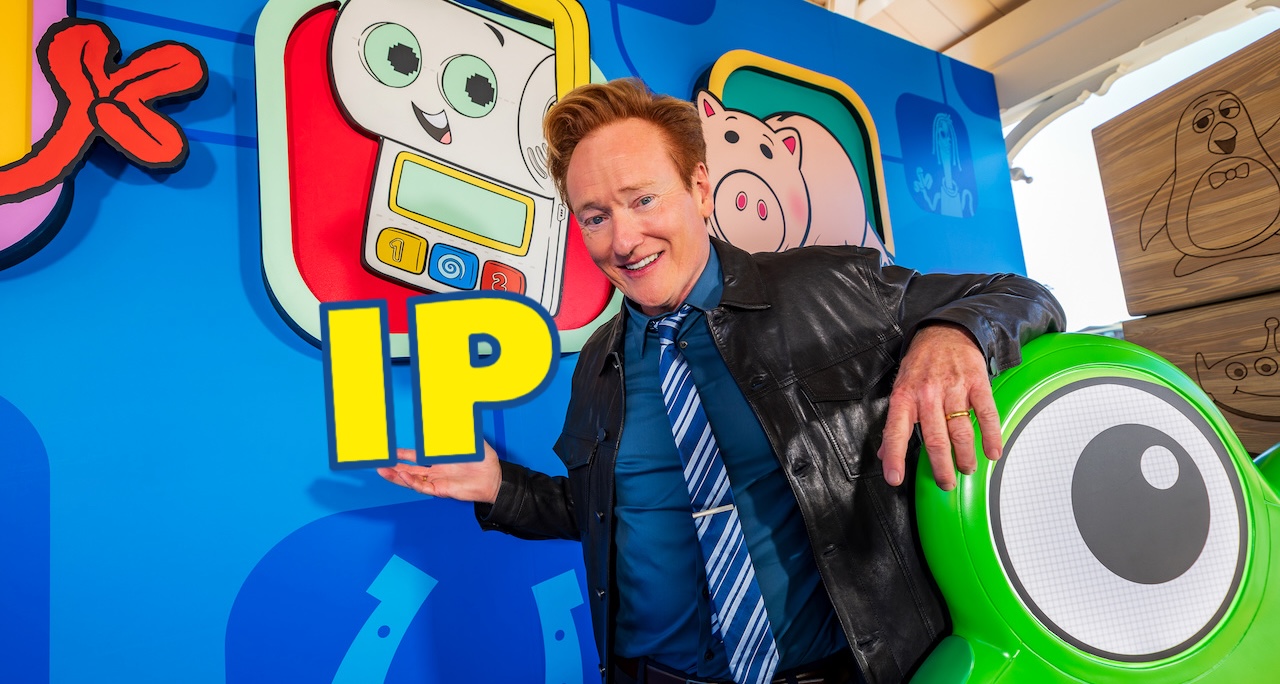
While some might dismiss those comments as promotional enthusiasm tied to a major movie release and a new song, there was something revealing in the way she described Toy Story. She did not refer to it as a franchise, a brand, or an intellectual property. Instead, she called it a universe. More importantly, she spoke about what it meant to her emotionally.
That is how most people think about Disney stories. They do not think about them as corporate assets. They think about the characters they grew up with, the films they watched with their families, and the worlds that captured their imagination. Whether it is Woody and Buzz Lightyear, Simba and Mufasa, or Luke Skywalker and Darth Vader, these stories become part of people's lives in a way that extends far beyond entertainment. They become memories, traditions, and emotional touchstones.
Yet despite that reality, there is a term that has increasingly become part of the way Disney executives discuss these beloved stories: IP. Short for "intellectual property," the phrase has become a staple of earnings calls, investor presentations, and corporate strategy discussions. From a legal and financial perspective, the term is perfectly accurate. Disney owns these characters and stories and can leverage them across films, television, streaming, consumer products, and theme parks. However, every time the company leans too heavily on that terminology, it risks diminishing the very thing that gives those stories value in the first place.
The problem is not that the term is wrong. The problem is that it feels transactional. Intellectual property sounds like something that can be bought, sold, licensed, or exploited. It sounds like an asset sitting on a shelf waiting for the right opportunity to maximize returns. While that may satisfy Wall Street analysts looking to understand Disney's business model, it does little to capture why audiences care about these stories. Nobody has ever said that Toy Story is their favorite intellectual property. They say it is their favorite movie, their favorite franchise, or one of their favorite stories because those words acknowledge the emotional connection that exists between audiences and the characters.
Having seen Toy Story 5, I am happy to say that the film stands proudly alongside the previous entries in the series. It succeeds not because Disney found another way to monetize a valuable asset, but because talented storytellers approached the project with care and respect for what came before. The filmmakers clearly understood the characters, the themes, and the emotional resonance that has made Toy Story special for three decades. In an era when audiences have become increasingly skeptical of sequels, reboots, and franchise extensions, that authenticity matters more than ever. Viewers can sense when a project exists because creators had a story worth telling and when it exists simply because a recognizable title can sell tickets.
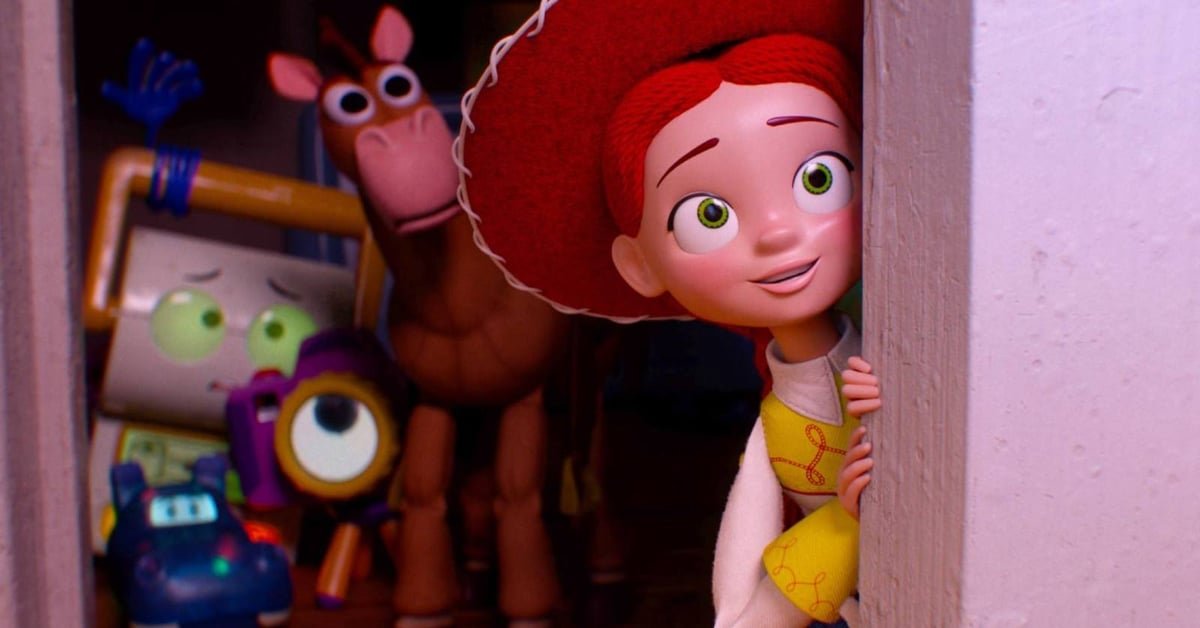
The same principle applies beyond the movie theater. Attractions such as Slinky Dog Dash are not successful merely because they feature recognizable characters from a popular film. The attraction works because it translates the spirit of Toy Story into a physical experience that guests can feel and enjoy, while also being a well-designed coaster in its own right. The association with Toy Story may get guests' attention, but thoughtful storytelling and quality execution are what create lasting affection. I am writing this from Hong Kong Disneyland, where the last 20 years have created major Disney fans, and as you walk through Toy Story Land, you can hear the excitement for Toy Story 5 that shows the global connection the 30-year-old franchise has thanks to the movies, theme parks, and more.
Emotional connection is Disney's greatest competitive advantage. The company's most valuable asset is not ownership of intellectual property. It is the emotional relationship audiences have with its stories. Disney succeeds because people care. They care about the characters, the worlds, the music, and even the history of the company itself. That connection is incredibly difficult to create and even harder to maintain, which is why Disney's greatest responsibility is not simply to exploit those stories but to serve as a steward of them.
Walt Disney understood this better than anyone. His famous organizational chart placed story at the center of everything the company did. Films, television, merchandise, and theme park experiences all flowed from storytelling. The business existed to support the stories, not the other way around. That philosophy remains one of Disney's greatest strengths today, which is why it feels strange when the company sometimes describes itself primarily as a holder of intellectual property.
Perhaps the solution is simply a matter of language. Words matter because they shape culture and priorities. Imagine how differently it sounds when Disney leaders discuss "storytelling worlds," "universes," or simply "stories" instead of IP. Those terms better reflect the relationship audiences have with these creations and reinforce the idea that Disney's role is not merely to own them, but to nurture and expand them with care. And while I understand that the term is often used in settings such as investor conferences and earnings calls, it is those groups that need to understand that Disney is unlocking value by not viewing their stories as their assets, but that it is the emotional connection the public has with their stories that is its greatest asset that no other company can come close to replicating.
Disney has certainly had its share of misses over the years, but more often than not, the company does approach its stories with a level of investment and stewardship that demonstrates genuine respect for fans. If that is how Disney already thinks internally, then perhaps its public language should reflect that philosophy as well. After all, when Taylor Swift described Toy Story, she did not talk about intellectual property. She talked about being part of a universe. Disney's audiences feel the same way, and the company should not be afraid to use words that acknowledge that emotional reality. When Disney talks differently than other entertainment companies, maybe Wall Street will finally realize that they are different and should be valued as such.