
The Casting Directors Behind Your Favorite Procedurals Reveal How It All Works at ATX TV Fest


Procedurals are built around standalone episodes with a case or crisis that resolves by the end, offering ample acting opportunities in each episode. The Casting Society of America joined ATX TV Festival for an in-depth look at the art and logistics of casting procedural dramas, moderated by Felicia Fasano (CSA). Panelists were Eric Souliere (9-1-1, 9-1-1: Nashville), Veronica Collins Rooney (Tracker, Fire Country), and Rebecca Mangieri (Chicago Med, S.W.A.T.).
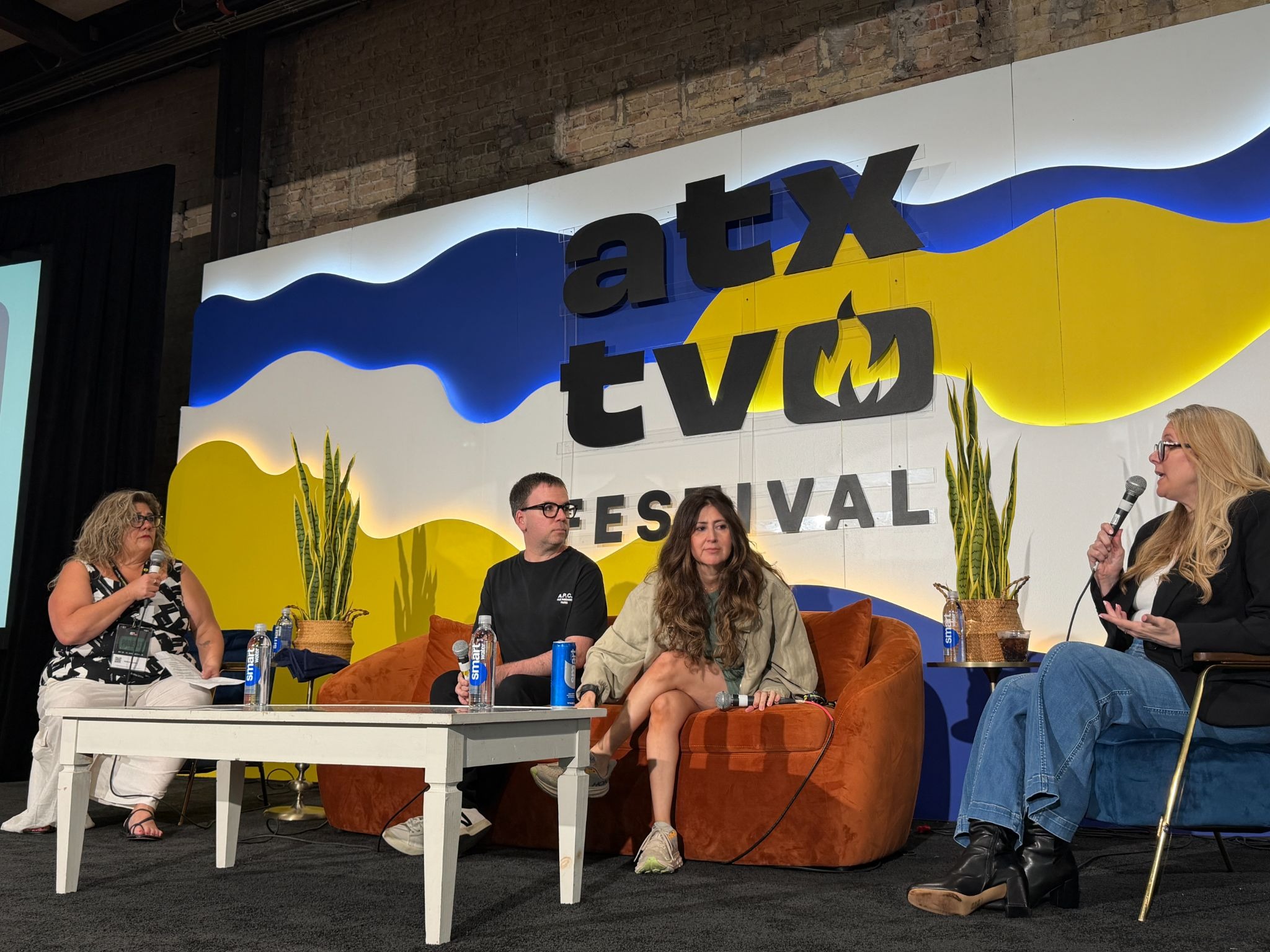
On a procedural, series regulars provide the emotional throughline, but the case-of-the-week guests are the engine. "Keeping it fresh every week" is the central creative challenge, Mangieri said. Guest characters need to be compelling enough to invest in within a single episode, while seamlessly serving the story. Souliere pointed to 9-1-1 and The Mentalist as examples of how the format anchors itself around weekly emergencies or cases, while Collins Rooney noted that Tracker literalizes the formula: someone brings Colter Shaw a missing person, and by the end, he finds them.
The panel's 18-to-22-episode seasons stand in stark contrast to the prestige-TV standard of six to eight. Mangieri described the pace as relentless; a new episode every eight days, requiring constant coordination to keep recurring actors available without paying holds for months. Collins Rooney said her line producers are essential allies in managing those conversations with agencies and between productions when schedules conflict. Souliere noted that 9-1-1's larger production footprint gives some flexibility (episodes can shoot over a month to accommodate location and actor availability) but described it as a fortunate exception, not the rule.
Each panelist had notable stories of early career discoveries made possible by procedural volume. Mangieri cited Kristen Bell on The Shield's first season and both Kiki Palmer and Tessa Thompson on early seasons of Cold Case. Collins Rooney gave Jamie Dornan his first American credit on Once Upon a Time and cast Millie Bobby Brown on Once Upon a Time in Wonderland. Souliere mentioned meeting Jennifer Lawrence early in her career and recognizing her star potential, as well as casting Joey King and Ariel Winter in early roles.
Souliere has cast for Murphy for roughly 20 years and described the collaboration as a developed shorthand. "By now I know his taste," he said, adding that Murphy creates such specific worlds that instinct takes over after enough time together. Collins Rooney noted that working with a producer you genuinely want to work with elevates the casting process. Souliere added that the time constraints on procedurals (four days to cast a full episode) make the luxury of development time rare.
When creating a show set in a specific city or region, the panelists take the geography seriously. Souliere made his first trip to Austin before beginning work on 9-1-1: Lone Star, which films in Los Angeles, just to absorb the feel of the city. Collins Rooney noted that Tracker's format, which changes locations episode to episode, means recasting a regional texture each week. Mangieri said Chicago Med is unusual in that there's no local casting director; she handles all Chicago casting herself, which has given her a deep familiarity with the local acting community.
Mangieri, entering her 12th season on Chicago Med, said the budget she works with now is larger than anything she'd previously managed, but the sheer volume of roles makes it feel just as tight. She called working in the Dick Wolf universe a career dream. Collins Rooney spent seven years on Once Upon a Time and noted that getting a multi-season pickup upfront, as that show did, is almost unheard of now.
The panel was in agreement that procedurals offer something rare: the volume of roles creates genuine opportunity for new faces. Mangieri kept track of Cold Case's matching process (pairing actors to play younger or older versions of the same character) as a craft skill she honed over eight days per episode. Collins Rooney described Lost as the inverse, because the show kept its storylines secret, she received intentionally vague sides, and used it as an opportunity to bring in actors she loved who hadn't yet had a big break.
In the 9-1-1 universe, Souliere and a colleague share a Google Doc to track actors across the shows and avoid repetition, though he noted the pool is large enough that they can still cast new faces in every episode of both series. And while they generally try not to reuse a face, an actor from a single episode of 9-1-1 was so perfect for Lonestar that the producers ignored the rule, with a tongue-in-cheek joke for the character about having a cousin in L.A. who looks a lot like him.
The throughline of the panel, ultimately, was volume as opportunity. The relentless pace that makes procedural casting so demanding is the same force that creates first breaks, discovers new faces, and turns a single line into a career. As Mangieri put it: "You could come in for one day, and we could keep bringing you back — you never know where it's going to go."
Stay tuned for more coverage from ATX TV Fest.