
Movie Review: "Disclosure Day" Delivers Chills and Spielbergian Thrills


Sometimes, when deciding how you feel about a movie, you have to stop analyzing and simply listen to your physical reaction. While watching Steven Spielberg's Disclosure Day, I found myself getting chills on multiple occasions, and perhaps that tells me more about how I truly felt about the experience than any intellectual breakdown ever could. The film certainly contains elements that seasoned moviegoers will recognize.
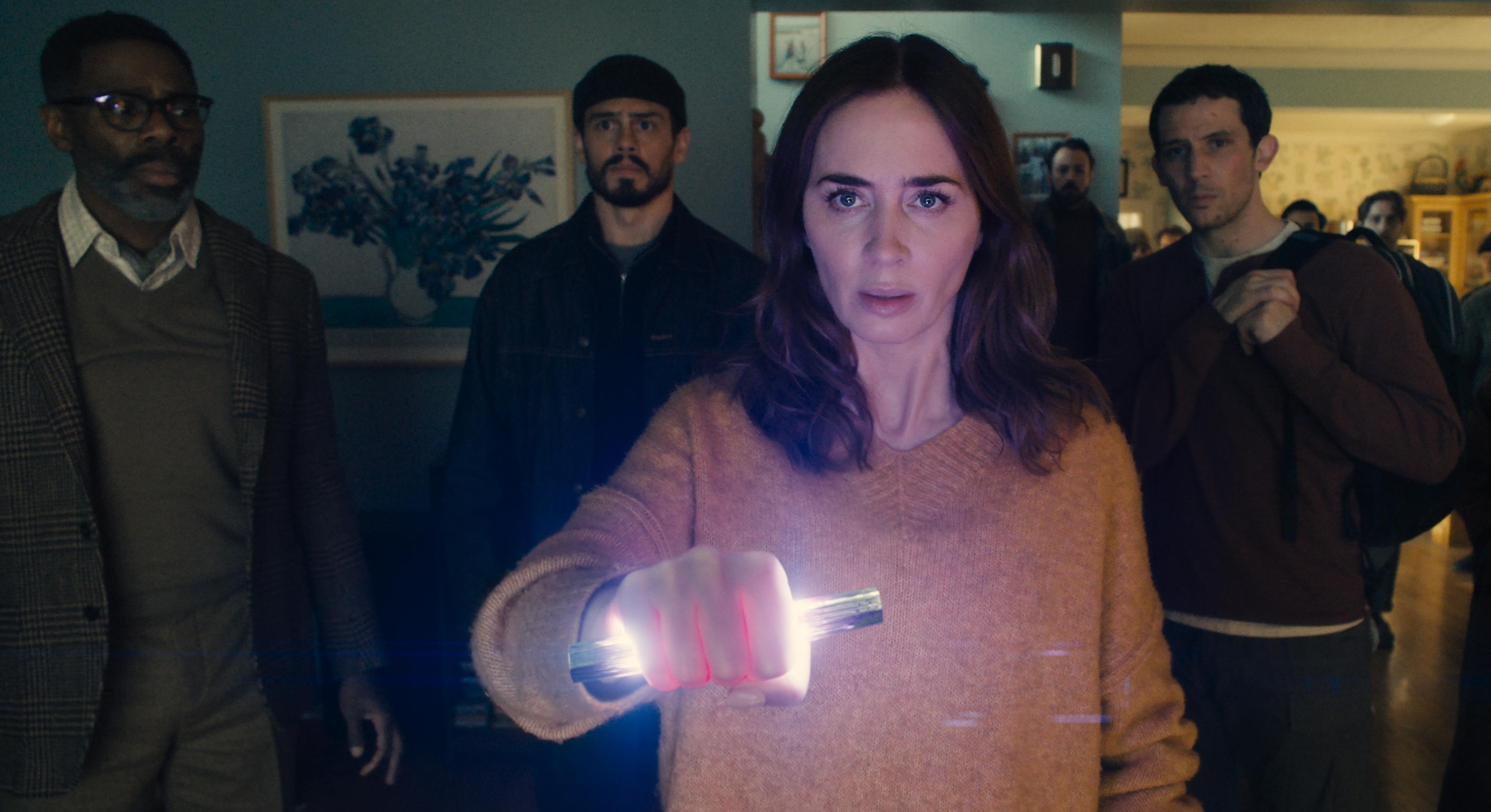
There are moments that feel distinctly Spielbergian, echoes of earlier works, and themes that have appeared throughout the director's career. Yet allowing those observations to dominate your viewing experience would be a mistake. Disclosure Day is a film that rewards surrendering to the journey and embracing the sense of wonder that Spielberg remains uniquely capable of creating.
While not a sequel to Close Encounters of the Third Kind, the film often feels like its spiritual successor. The gradual unraveling of a mystery, the mounting realization that something extraordinary is taking place, and the tension between skepticism and belief all evoke memories of Spielberg's 1977 classic. Even composer John Williams appears to be in conversation with his own legendary work. Without directly quoting the iconic five-note motif, his score carries familiar emotional DNA, creating an atmosphere that feels connected to the earlier film while still standing on its own. The result is a movie that feels nostalgic without becoming dependent on nostalgia.
What ultimately makes Disclosure Day more than simply another alien story is the question at its center. Rather than focusing solely on what exists beyond our world, Spielberg seems far more interested in examining the people who inhabit it. How would humanity respond to an event that fundamentally changes our understanding of reality? It is a question that feels particularly relevant today. Over the past several years, society has repeatedly been tested by moments that challenged institutions, assumptions, and collective trust. Disclosure Day uses its science fiction premise to explore those ideas through a more universal lens. Beneath the spectacle lies a surprisingly thoughtful meditation on whether humanity is worthy of trust and whether people can come together when confronted with something larger than themselves.
To the film's credit, Spielberg refuses to rush either the story or its revelations. He allows the mystery to unfold deliberately, trusting the audience to remain engaged even when answers are withheld. Unfortunately, the same cannot be said for Universal's marketing campaign. The less viewers know before entering the theater, the better. Several of the film's most effective discoveries have already been teased or outright revealed in promotional materials. Those who have seen too much of the marketing may find parts of the first half less surprising than intended. Even so, the film retains its power because the mysteries extend beyond plot twists. Spielberg creates a world filled with characters who feel fully realized, each carrying histories and motivations that make them compelling long after the credits roll. Rather than simply wondering what happens next, viewers may find themselves wondering where these characters came from and what happens to them after the story ends.
Emily Blunt once again proves why she remains one of the most reliable performers working today. Her role requires a nuanced and layered performance, balancing vulnerability, intelligence, and determination while serving as an emotional anchor for the audience. Blunt effortlessly navigates those demands, delivering a performance that never feels forced or overly dramatic. She grounds the film's larger concepts in genuine human emotion.
Another standout comes from an actor portraying an NBC News anchor during the film's final act. It is not a flashy role, nor one that demands elaborate action sequences or emotional breakdowns. Yet the performance is remarkably effective. Sitting behind a news desk, this character becomes a surrogate for the audience, processing events in real time and reacting to what is unfolding in front of her. It is a reminder that great performances do not always require large amounts of screen time to leave an impression.
Disney fans may also be pleasantly surprised by a particularly unexpected inclusion during one of the film's most important moments. Although Disclosure Day is being released by Universal there are echoes of Disney's Escape to Witch Mountain and Return from Witch Mountain. Yet none of these influences feel derivative. Spielberg takes familiar ingredients and reinterprets them through a contemporary lens, creating a film that feels both timeless and modern.
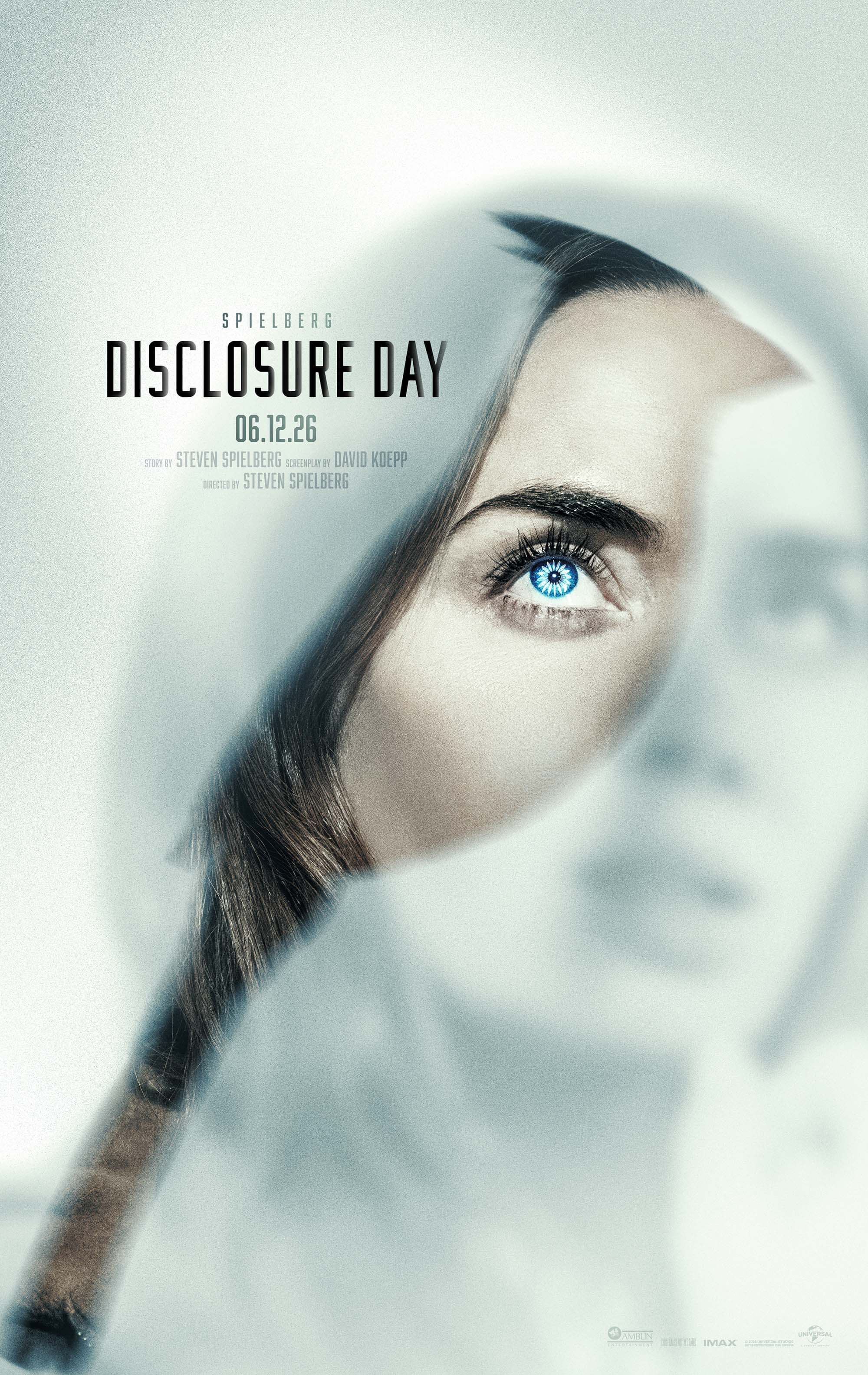
In an era when many blockbuster films seem more concerned with setting up future installments than telling a complete story, Disclosure Day stands out as a reminder of what a master filmmaker can accomplish when he focuses on character, mystery, and wonder. It may not be Spielberg's most groundbreaking work, nor does it reinvent the science fiction genre. What it does deliver is something increasingly rare: a genuine sense of awe. And if the chills that ran down my spine are any indication, that sense of awe is exactly what Spielberg set out to achieve.