
TV Review: Nat Geo's "Pompeii: Out of Time" is a Time Machine Built on Reverence


There's a moment early in Pompeii: Out of Time when Tom Hiddleston pulls out home video footage of himself at seventeen, wandering the ruins on a 1998 trip to Italy with friends. It's lo-fi, unpolished, and sets the tone for everything that follows. This isn't a host reciting facts over reenactments. This is a lifelong obsession, dating back to a Classics degree, finally getting the chance to answer the question that's followed Hiddleston for decades: did anyone survive?
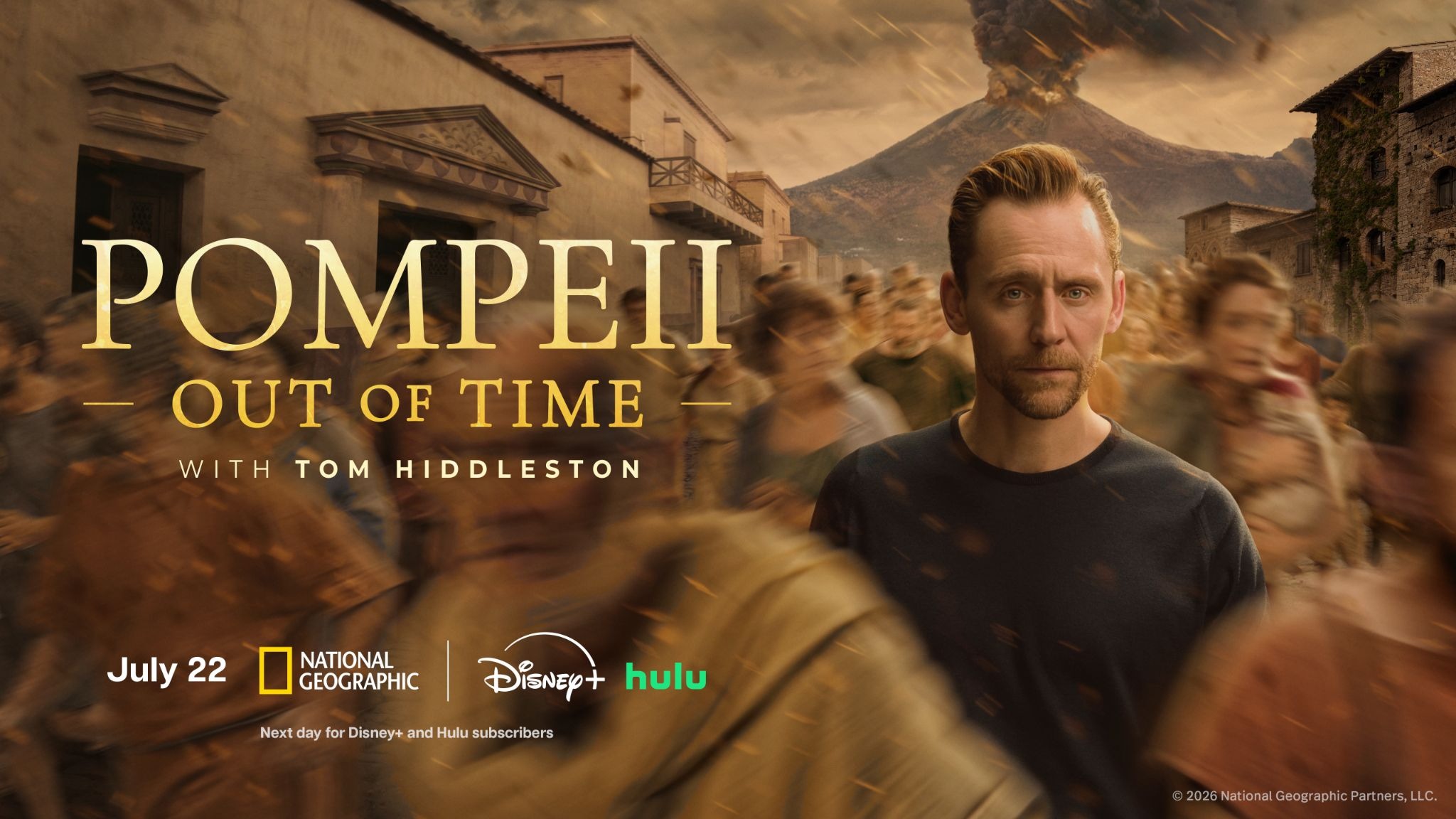
That question becomes the spine of the three-part series. Rather than retread the well-worn story of Pompeii's destruction, the show reframes the eruption as a forensic investigation with a clear objective: find a confirmed survivor. Guiding Hiddleston is Professor Steven Tuck, a classicist behind the Pompeii Survivors Project, who has spent years building a spreadsheet tracking Pompeian names and possessions that turn up elsewhere in the Roman world after AD 79. Real, methodical research is turned into a detective story, with Tuck doling out results the way a scientist would reveal findings in real time. Geoscientist Chris Jackson, archaeologists Caitie Barrett and Darius Arya, and disaster psychologist Sarita Robinson round out the expert bench, each adding a different lens to the same unfolding disaster.
The series' central insight, and its most effective structural choice, is the reminder that Pompeii didn't vanish in an instant. The eruption unfolded over roughly a full day, preceded by warning earthquakes, which means there was time to run. The show follows that timeline, tracking three lives through it: Avianius Felicio, a blacksmith's apprentice; Julia Felix, a successful businesswoman who ran a spa devoted to Isis; and an unnamed Praetorian Guard who left Pompeii to help evacuate neighboring Herculaneum. Their reenactments are the series' showpiece; cinematic, detailed, and shot with real craft, right down to a firsthand-style account of a beach evacuation and the Roman navy's rescue mission across the bay. It's the closest thing to watching the event happen, rather than just hearing about it after the fact.
What elevates Out of Time above a standard disaster documentary is its handling of tone. Hiddleston and director Tom Barbor-Might treat the eruption with the same care they'd bring to a modern tragedy, and that sensitivity is most visible in the show's approach to Pompeii's plaster casts, the haunting impressions left by the bodies of the dead. Hiddleston is candid about not wanting to show them, calling them what they are: human remains.
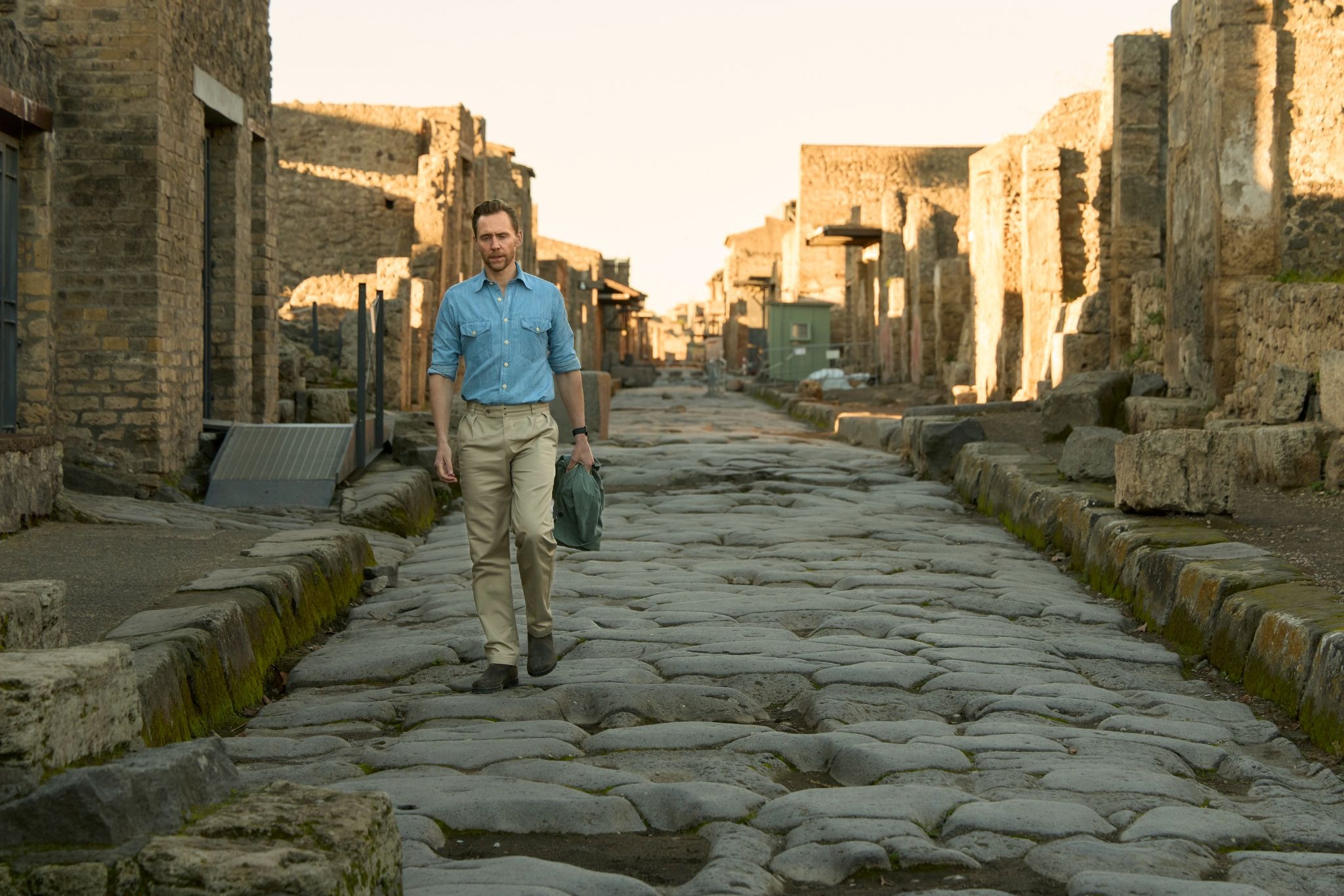
People, ultimately, are the point. The series keeps circling back to a line that could serve as its thesis: "Pompeii isn't a place, it's a people." The show doesn't just mourn what was lost; it argues, convincingly, that Pompeii endured, preserved physically in a way no other ancient city has been, and culturally through the survivors whose names and belongings resurfaced elsewhere in the empire. There's also a moving throughline about how little human behavior has changed: Pompeii sent its own soldiers to aid Herculaneum, and Rome sent rescue ships to Pompeii, the same instinct toward mutual aid we recognize in disasters today.
Pompeii: Out of Time succeeds because it never loses sight of scale, both the epic, cinematic scale of a volcano burying a city, and the intimate scale of a blacksmith's apprentice, a spa owner, and a soldier. Executive producer Kevin Wright and the team have built something that functions as rigorous history, genuine detective story, and quiet elegy all at once. Anchored by Hiddleston's evident, decades-long love for the subject, it's a series that treats catastrophe as something that happened to real people, and makes sure you leave remembering them as such.
I give Pompeii: Out of Time 5 out of 5 stars.
Pompeii: Out of Time premieres Wednesday, July 22nd, at 8/7c on Nat Geo. The series will be available to stream the following day on Disney+.