
"Pompeii: Out of Time" Showrunner Tom Barbor-Might on the Survivors' History Forgot


For 2,000 years, Pompeii has been shorthand for a single idea: sudden, total annihilation. The new National Geographic documentary series, Pompeii: Out of Time, debunks that assumption. "There were survivors," showrunner and director Tom Barbor-Might told Laughing Place ahead of the July 22nd premiere. "We all think we know the story of Pompeii to some degree because it's so familiar. We get taught it at school. There are countless documentaries. But it turns out there's a part of the story which hasn't been told, which I think is the more human story."
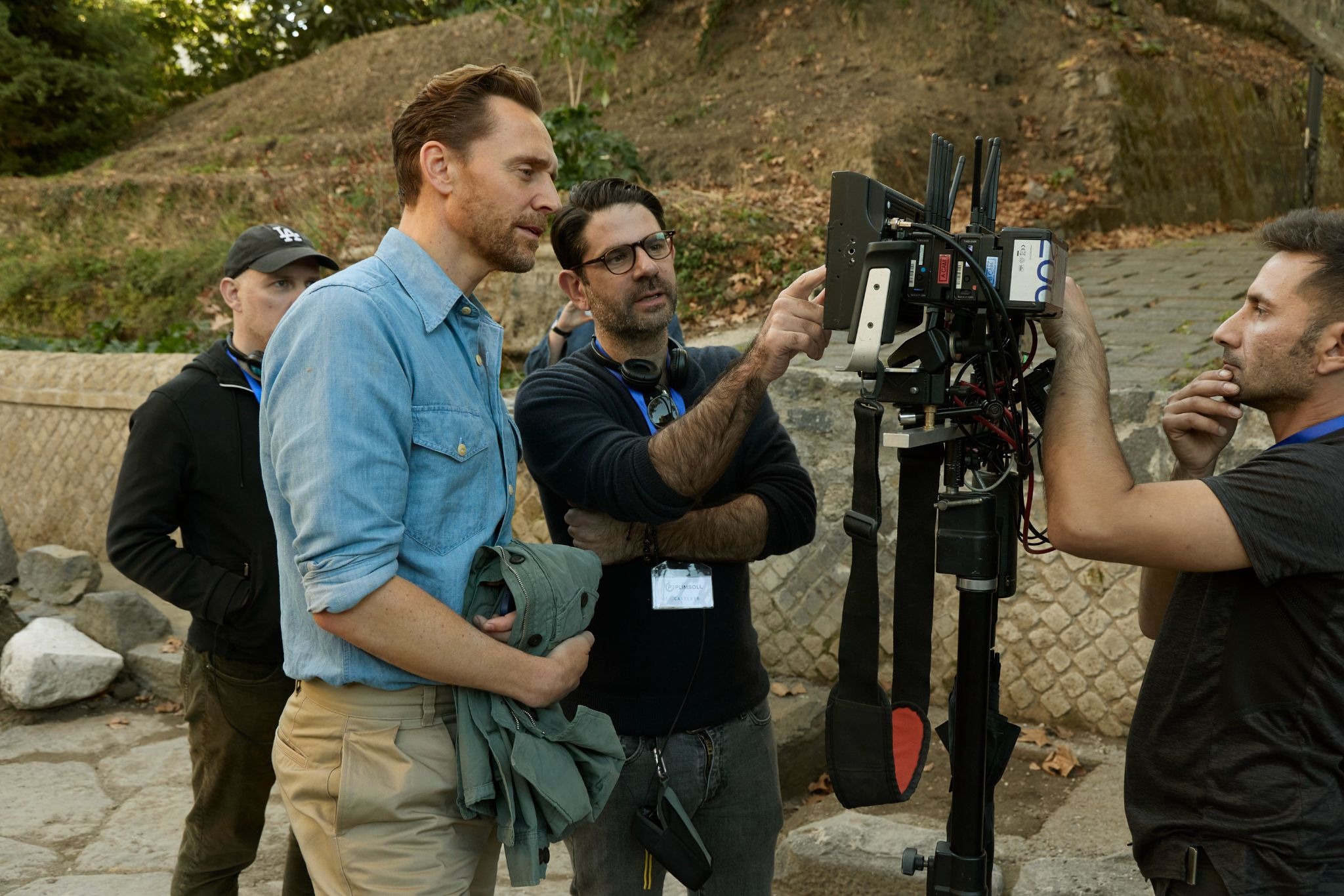
It took nearly a full day for Mount Vesuvius to bury the city. "During that time people got out of Pompeii. People escaped," Barbor-Might said. "That key bit of information, that there were survivors, felt like it gave us the opportunity to tell a new story here. A human story. A story of survival."
From there, the show's structure came into focus. Rather than retell the eruption in broad strokes, Barbor-Might and his team zeroed in on three real Romans and cast Tom Hiddleston as something between a host and a detective, tracing each of them through the archaeological and historical record to find out whether, and how, they survived. Hiddleston's involvement wasn't a casting decision so much as an inevitability. The actor studied classics at university, speaks Latin, and visited Pompeii as a 17-year-old on a trip that stuck with him for years.
"Tom has such an interest in this. He reached out to us and said, 'I'm completely fascinated in making this sort of story,'" Barbor-Might explained. "He is absolutely built into the DNA. His passion for the subject was always part of its genesis. I think that's one of the reasons Tom is so great in the show; it's genuine passion and enthusiasm, and that's authentic. He's not acting."
That authenticity shaped the show's format as much as its host. Rather than a standard "here's what we're unearthing in the field" approach typical of the genre, Pompeii: Out of Time folds in cinematic dramatic reenactments across two timelines: Hiddleston investigating in the present, and the dramatized lives of his three subjects playing out in the past. "It was always kind of part of the show, really, as we came up with it and developed it," Barbor-Might said. "It's not just a story set in the present and the past. It's also a story that uses two forms of filmmaking. We use documentary and drama to tell one story." National Geographic, he added, "were really excited about telling stories of the ancient past in a different way."
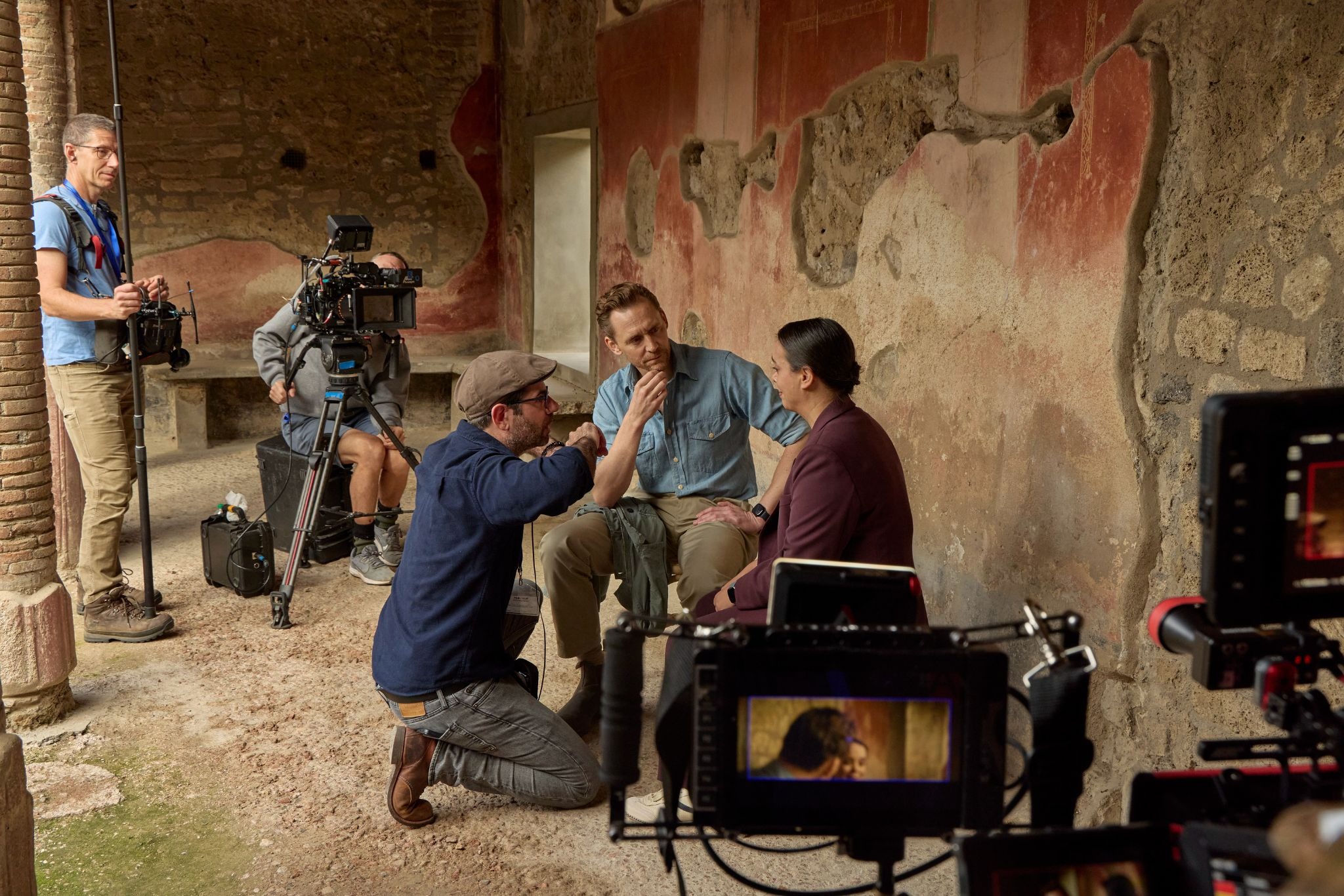
Choosing which three Pompeiians to follow was, in Barbor-Might's words, "essentially, in a weird way, going through a casting process with real Romans from 2,000 years ago." The team needed subjects with enough documented data points, archaeological or historical, to reconstruct both a life story and a fate. But data alone wasn't the deciding factor. "One of the key things we wanted to do was tell the story of regular, everyday Romans, not the elite of Rome," he said, pointing to a broader shift in historical scholarship toward non-elite narratives. "We found that fascinating and wanted to honor that."
The result: a blacksmith's teenage apprentice, entrepreneur Julia Felix, and a member of the Praetorian Guard. "People are familiar with the stories of the Senate and the emperors from Rome," Barbor-Might said, "but we wanted to tell everyday folks' stories."
To bring their fates to life, the production leaned on academics including Professor Steven Tuck, whose Pompeii Survivors Project became foundational to the series. "We owe a debt to Steven's remarkable work," Barbor-Might said. "It made one of our stories possible." Beyond expertise, he was looking for collaborators willing to embrace the show's structure, where a hypothesis plays out on screen, is disproven by new evidence, and the story rewinds to test another scenario. "That's the scientific method kind of brought to life in cinema," he said, "but also playful and fun."
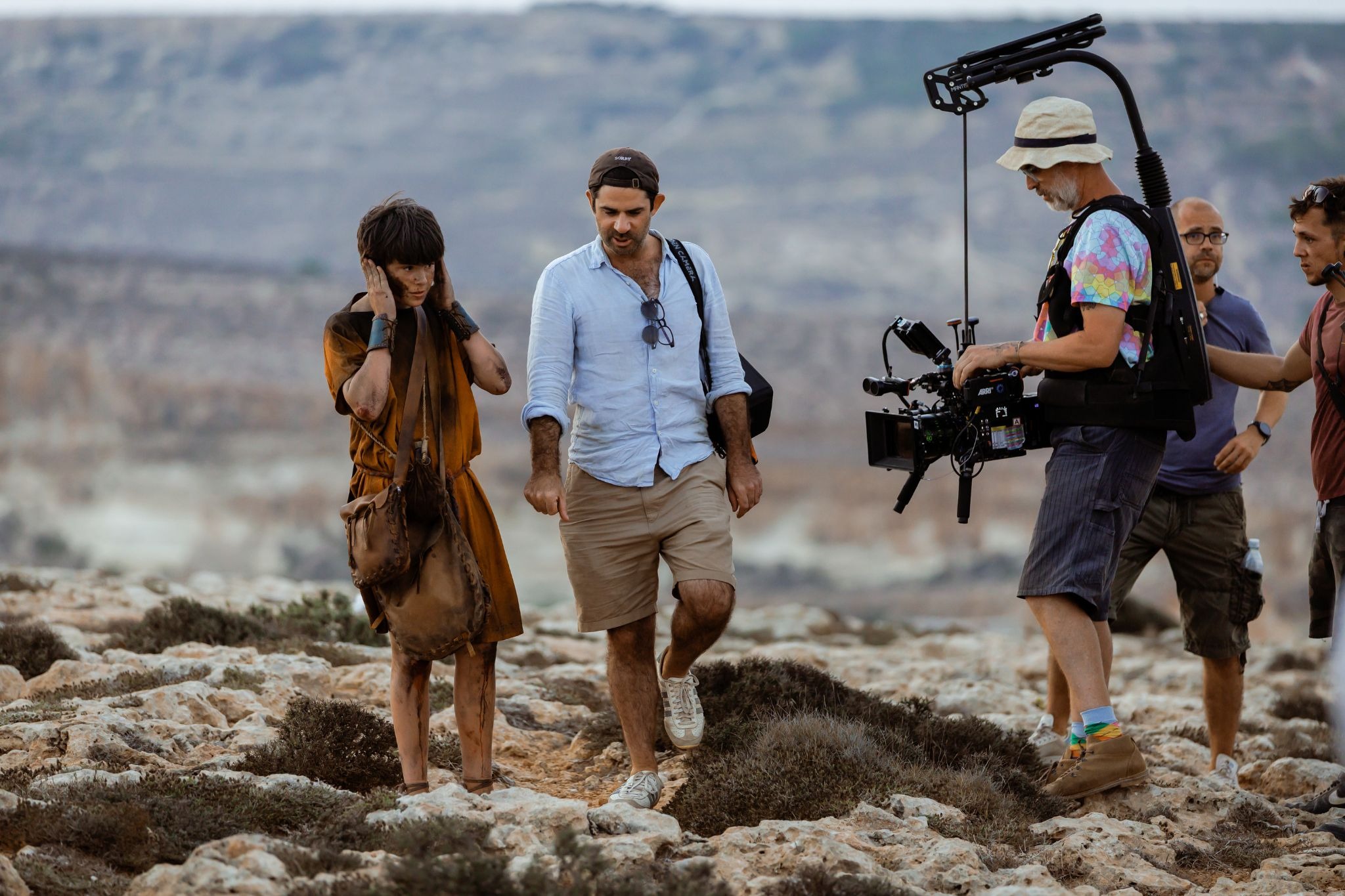
It's a format Barbor-Might, a two-decade veteran of factual television, hadn't tackled before in quite this way. "Never have I done true crime," he said of Hiddleston's on-screen thread board. "I've done history before, done science before, but not the detective board. So now I finally have."
For all its cinematic ambition, the series is careful about one thing in particular: not sensationalizing a mass casualty site. Pompeii, Barbor-Might noted, is likely the most visited archaeological site in the world, and also a mass grave. "This is a place that saw a huge and profound human tragedy play out," he said. That weighed heavily on decisions around the site's famous plaster casts, which preserve victims in their final moments and remain on display, sometimes in situ. "We're desensitized to the fact that those are real people," Barbor-Might said. "You can look into the face of a real person at that very moment of death, and that should come with weight.”
That weight can be felt in Pompeii: Out of Time, premiering Wednesday, July 22nd, at 8/7c on Nat Geo, and streaming the next day on Disney+.