
TV Review: "Secrets of the Bees" Will Make You See the World's Most Important Insect Completely Differently


Think you know bees? You know honeybees. You know hives, you know honey, and if you were paying attention during the pandemic, you know murder hornets. What National Geographic's Secrets of the Bees argues is that you have barely scratched the surface.
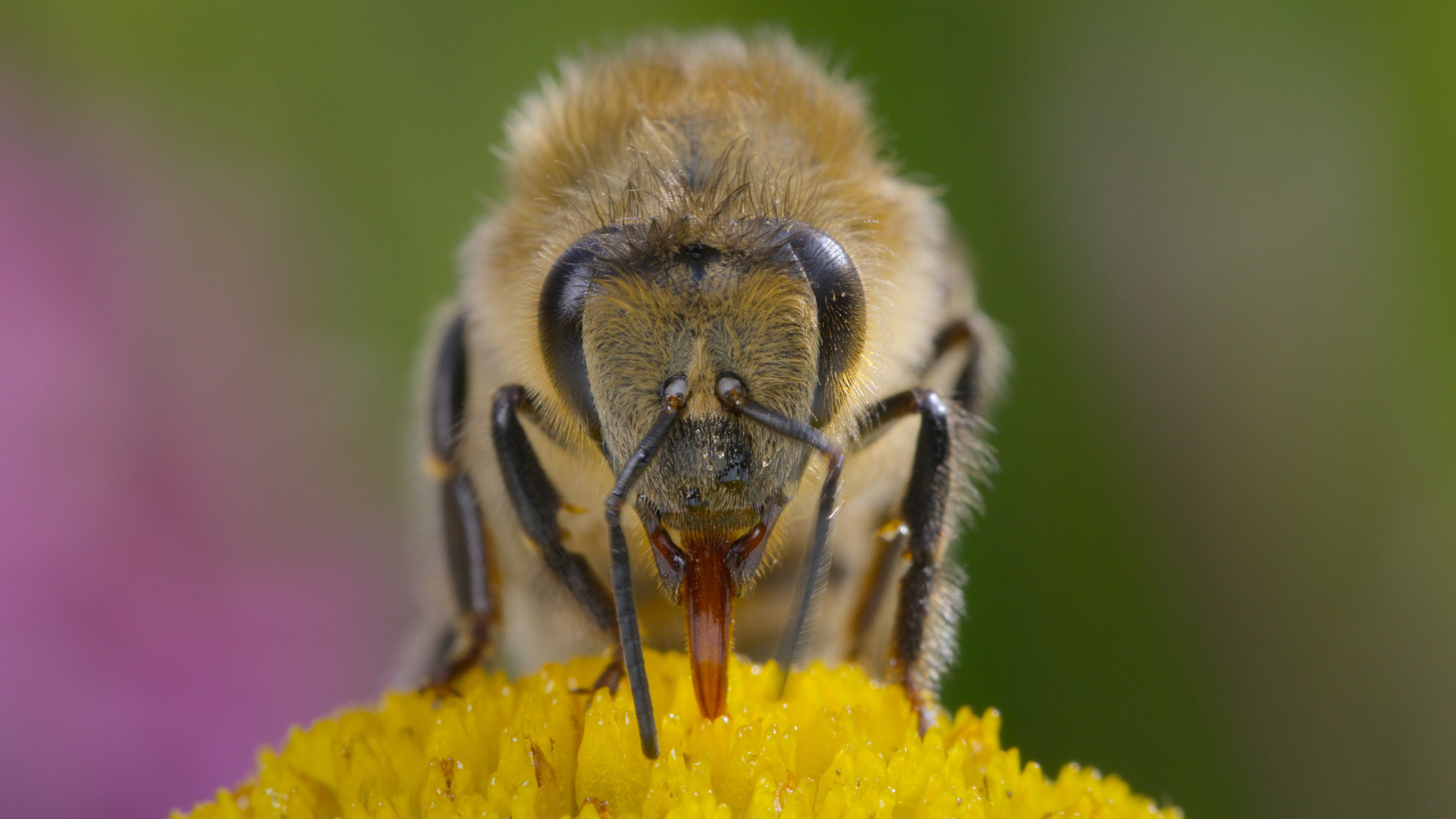
The fifth entry in the Emmy-winning Secrets of franchise, Secrets of the Bees follows the template established by its predecessors covering elephants, whales, penguins, and octopuses: take an organism audiences think they already understand, and prove them wrong at every turn. With more than 20,000 species of bees having conquered every continent except Antarctica, the subject matter is almost unfairly rich. Executive producer James Cameron, whose fingerprints are all over this franchise's sense of cinematic scale, frames them simply as "the most important insects on our planet" — and two episodes later, it's hard to argue.
Hosting duties fall to BAFTA and Emmy-winning National Geographic Explorer Bertie Gregory, returning to the franchise after Secrets of the Penguins. Gregory is exactly the kind of guide this series needs: genuinely enthusiastic without being performative, and credible enough that when he marvels at something, you marvel with him. His framing device for the first episode — that there is more drama inside a single hive than on an entire African savannah — sounds like a bold claim until the show makes good on it within the first few minutes. He's joined by entomologist and fellow National Geographic Explorer Dr. Samuel Ramsey, whose on-camera presence is an unexpected highlight. Charismatic, accessible, and clearly delighted to be there, Dr. Ramsey brings genuine scientific depth to segments on bee intelligence and the global spread of varroa mite.
The two-episode structure divides neatly along thematic lines. "The Hive" follows a single Western honeybee through the rhythms of colony life, while also pulling back to introduce the architectural genius of the broomstick bee and the genuinely unsettling meat-eating bee of the Amazon rainforest. "The Pollinators" widens the lens further — Dawson's bees battling for mates, Asian honeybees squaring off against murder hornets — while circling back to the honeybee sisterhood racing to rebuild before winter. The pacing across both episodes is confident, moving between the intimate and the epic without losing the thread.
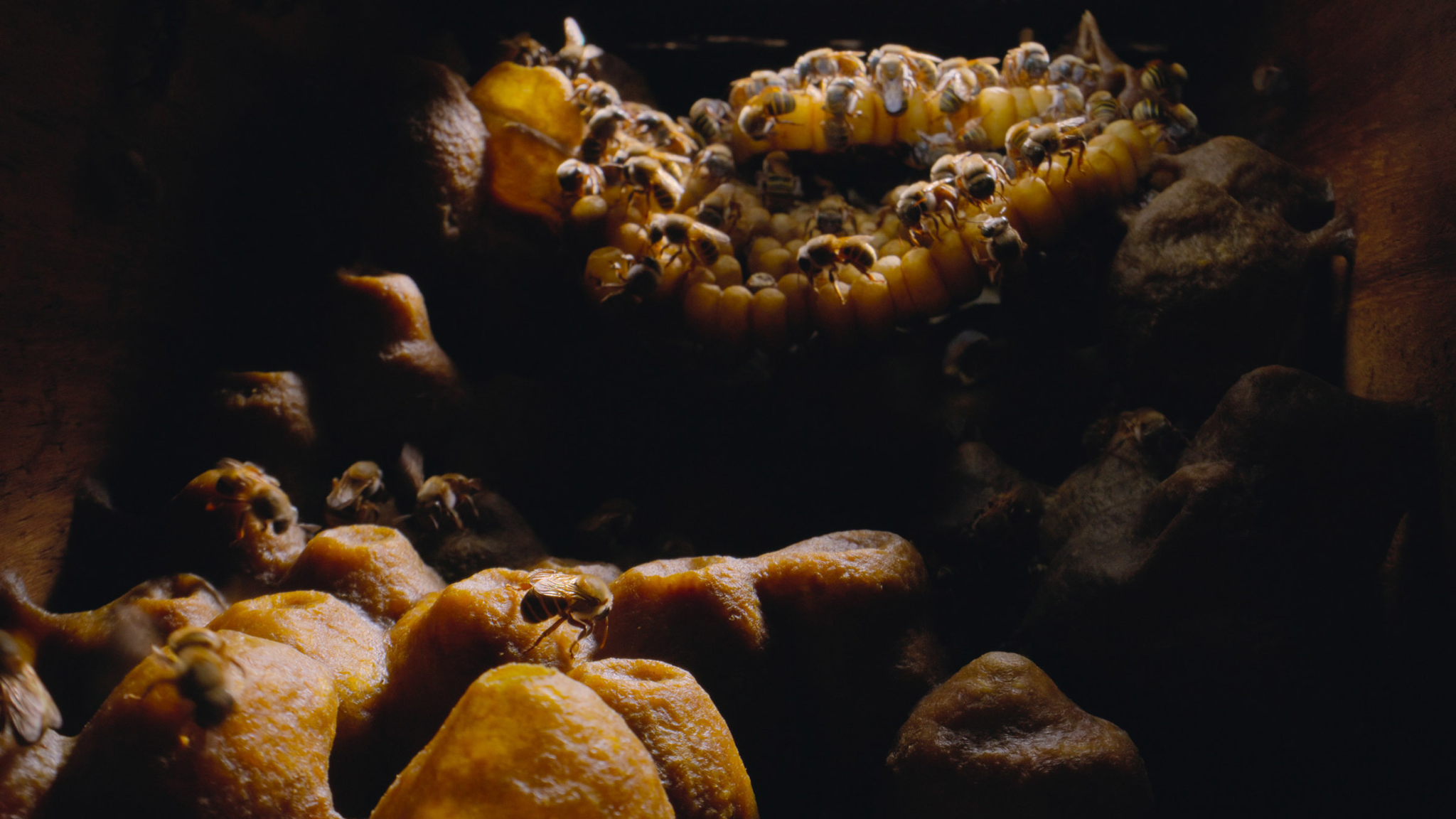
The cinematography is the series' most immediate calling card. Groundbreaking filming technology allows the cameras to follow individual bees in flight — a feat that sounds technical until you're watching it and realize you've never actually seen a bee move like this before. Sequences inside the hive have the texture and tension of a thriller. A segment at Queen Mary University of London, where Dr. Ramsey demonstrates bees playing and teaching a trick to their sisters to earn a food reward, is the kind of scene that quietly reframes everything you thought you knew about insect cognition.
Fans of A Real Bug's Life will find much to love here, though Secrets of the Bees carries the additional weight and polish of the broader Secrets of franchise behind it. This is nature documentary filmmaking operating at the highest level — the kind of series that makes you feel, by the end, that you've been granted access to a world that was always there and somehow always hidden.
I give Secrets of the Bees 5 out of 5 stars.
Secrets of the Bees premieres on National Geographic on March 31 at 8/7c, with all episodes streaming April 1 on Disney+ and Hulu.