
What is Disney's The Power of Joy? Inside the Unique Marketing Initiative


Most Disney fans have never heard of Disney’s The Power of Joy. After spending two days with the people behind it, I think they should.
More Than an Influencer Program
Over the past two years, more than 100 Black content creators have visited Disney parks, sailed aboard Disney Cruise Line, attended movie premieres, collaborated with teams across the company, and shared those experiences with audiences that collectively number in the hundreds of millions.
Last month, many of them joined together at Disneyland for Disney's The Power of Joy Reunion. The event featured presentations, exclusive experiences, and opportunities to reconnect with fellow creators. It also gave a small group of media members a rare opportunity to look inside one of Disney's most ambitious creator initiatives.
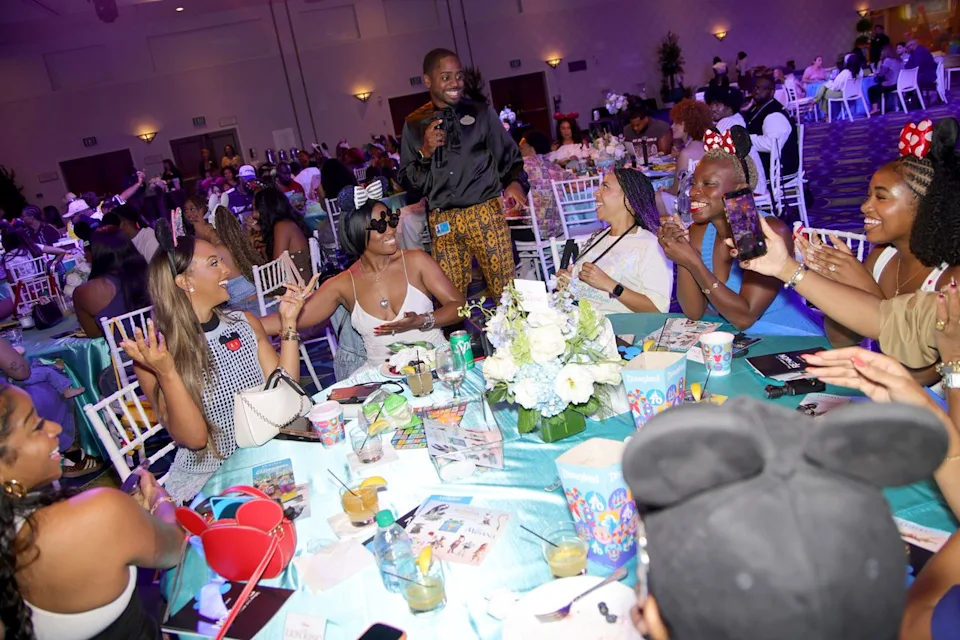
If you've never heard of Disney's The Power of Joy, you're probably not alone. Unlike D23 or Disney Parks creator events, The Power of Joy isn't aimed directly at Disney fans. It's a long-term initiative built around Black content creators whose interests span everything from travel and fashion to food, comedy, sports, parenting, and lifestyle.
After spending time with the creators themselves, talking with Disney executives behind the program, and listening to the discussions throughout the reunion, I came to understand that The Power of Joy isn't just another influencer campaign. Disney is building something more lasting.
One thing that stood out throughout the reunion was the language Disney executives used to describe the participants. They didn’t call them influencers. Instead, they talked about storytellers, collaborators, and members of a community.
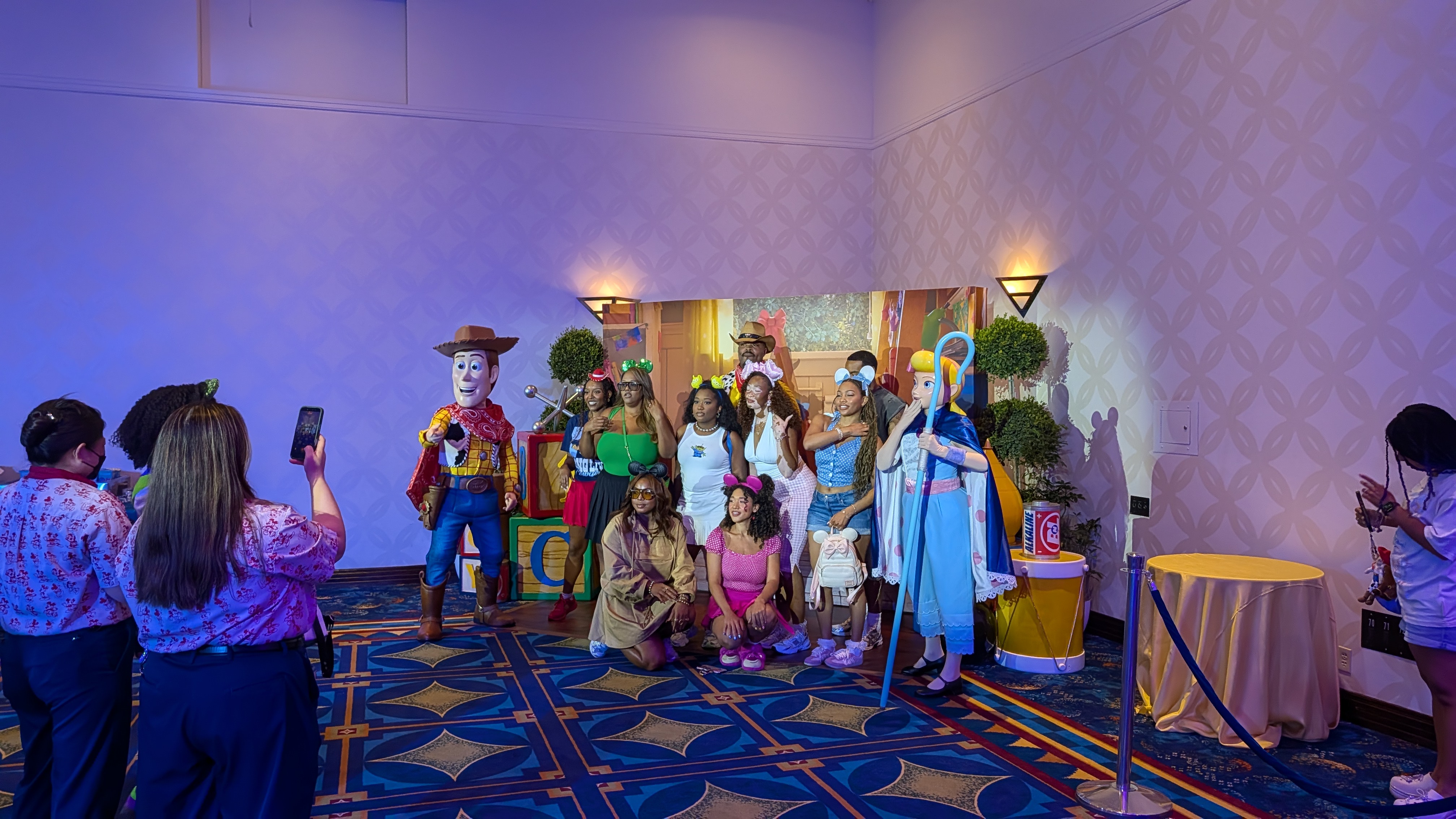
That distinction says a lot. Influencer marketing is often built around one-off campaigns, sponsored posts, and impressions. The Power of Joy is built around long-term relationships, authentic storytelling, and opportunities that continue long after a single campaign ends.
The reunion celebrated how far that community has come. It also showed why Disney believes that community matters - not just for the creators involved, but for Disney itself.
What Is Disney Trying to Accomplish?
So what exactly is Disney trying to accomplish with The Power of Joy?
When I asked Anastasia Ali, Vice President, Inclusive Marketing & Audience Growth and the creator of Disney's The Power of Joy community, to describe the initiative, she didn't start by talking about social media, influencers, or even marketing. Instead, she paused to think about it, then offered this definition: "Disney's The Power of Joy is Disney's way of connecting with our varied communities through the unique perspectives of the cultural tastemakers who are shaping culture today."
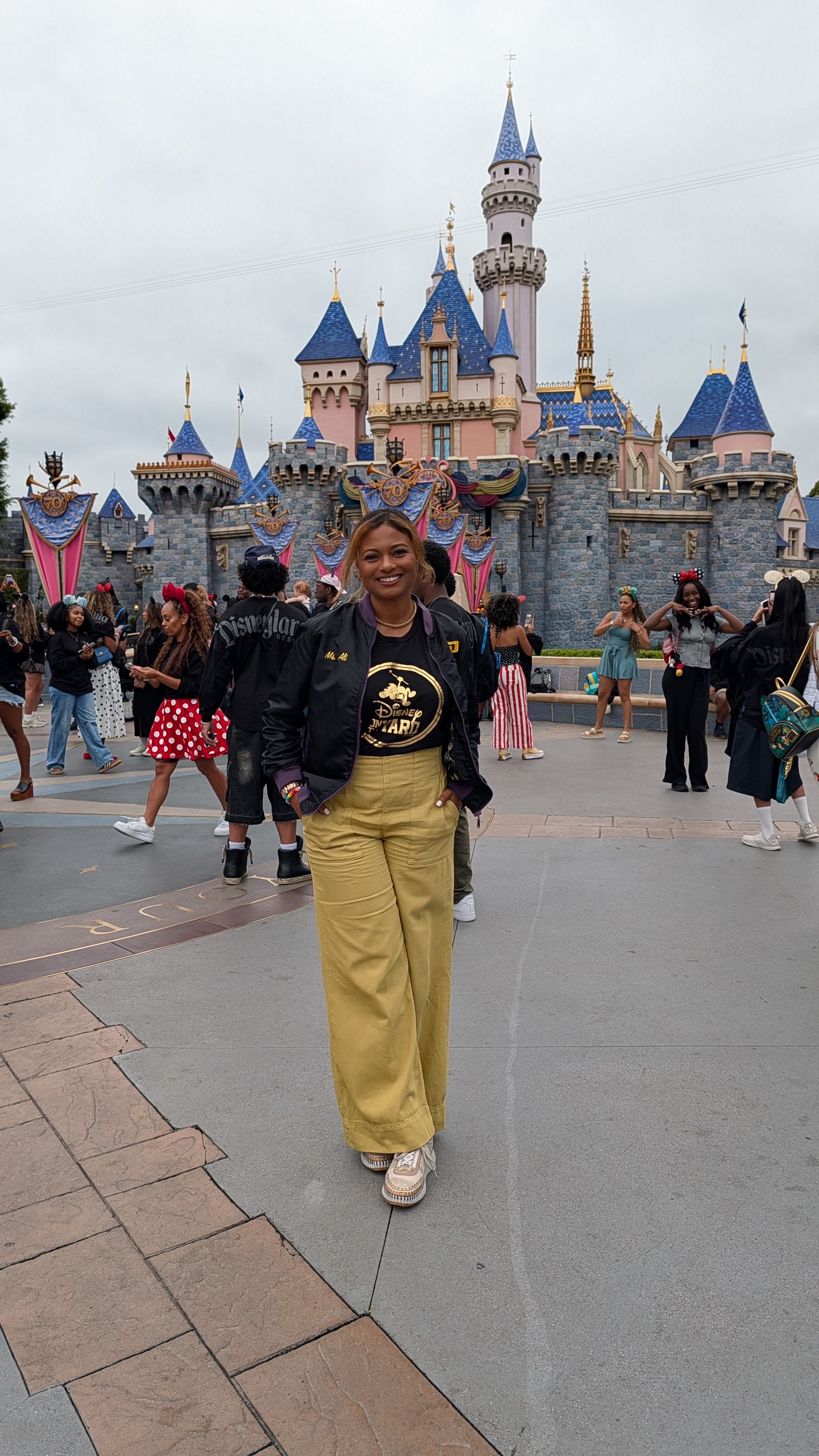
That's what makes Disney's The Power of Joy different. Disney isn't just looking for people to promote its products. It's building relationships with creators who already have the trust of the communities they're speaking to, and that has shaped the program from the beginning.
Rather than looking for a single type of creator, Ali said Disney wanted people who "represented the totality of everything that Disney represents." The result is a community whose interests range from sports and fashion to travel, food, parenting, comedy, and lifestyle. Together, they reflect the many different ways people connect with Disney.
Just as importantly, Disney didn't envision The Power of Joy as a once-a-year event. Ali described the annual reunions as "tentpole moments," but emphasized that they're only one piece of the initiative. Throughout the year, creators participate in opportunities across Disney Parks, Disney Cruise Line, Disney+, Hulu, ESPN, and other parts of The Walt Disney Company. As she explained, "This is not a transactional or one moment in time," because the creators are "always engaging with Disney."
Ultimately, that’s what The Power of Joy is trying to accomplish. Rather than building a series of influencer campaigns, Disney is building an ongoing community of creators who can share Disney stories through their own experiences and in their own voices.
Why Disney Believes It Matters
Executives described The Power of Joy as a response to a challenge: reaching people who may not have always seen Disney as a place where they belong. That idea came up most clearly during a presentation by Tinisha Agramonte, Disney's Chief Opportunity Officer. She recalled hearing people ask, "Do Black people even go to Disney?" Her response was immediate. "Yes. Yes, they do. And this is a place for us."
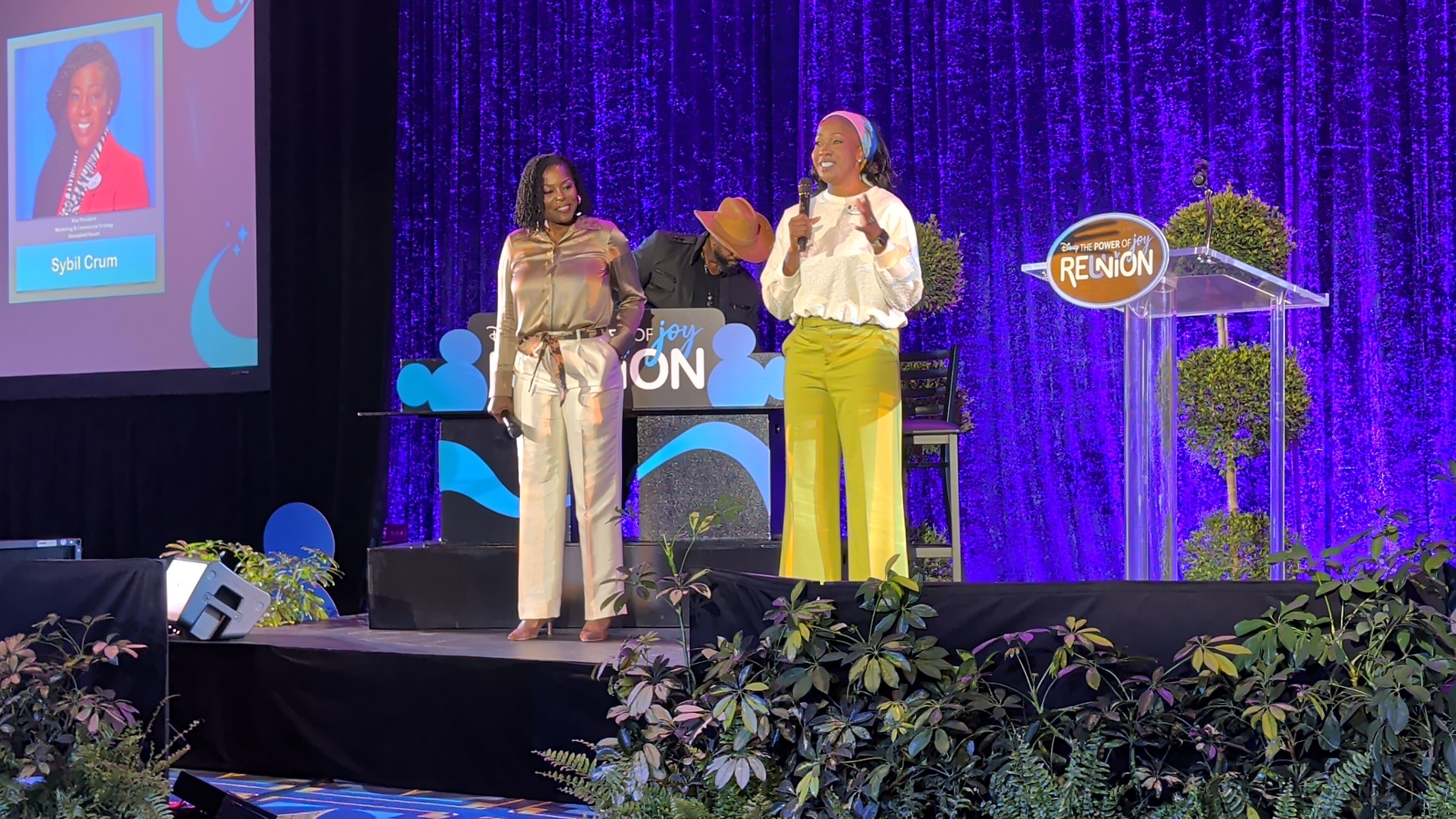
Agramonte explained that when members of The Power of Joy visit Disney parks, sail on Disney Cruise Line, attend movie premieres, or simply share their own Disney experiences, they're helping expand perceptions of who Disney is for. As she put it, they're "opening up the aperture for all these folks that don't know that Disney is a place for people that look like them."
Taken together, those conversations framed The Power of Joy as an effort to foster a stronger sense of belonging by making a wider range of Disney fans visible to audiences who may not have previously seen themselves reflected in the Disney experience.
Their message was simple: Disney is for them.
The Creators' Perspective
It's one thing to hear Disney executives describe The Power of Joy. It's another to hear how the creators themselves describe the experience. The word that came up over and over again in my conversations with them was community.
For comedian Mel Mitchell, that starts with authenticity. When asked how she balances Disney's brand with her own comedic style, she admitted she sometimes wonders, "I don't know about Disney though." But she said that's exactly what surprised her about the relationship.
"They found me, even though [I'm] not the cookie-cutter Disney face or [don't] have the cookie-cutter Disney content," she said. "They still saw something in me... and they let me be myself."
That approach isn't accidental. During one of the reunion panels, Courtnee Collier, Senior Manager of Digital Marketing at Disney Experiences, explained that Disney intentionally avoids scripting creators. "Our team doesn't really provide creators with a script," she said. "We don't want it to feel overly produced. We want it to be in your voice."
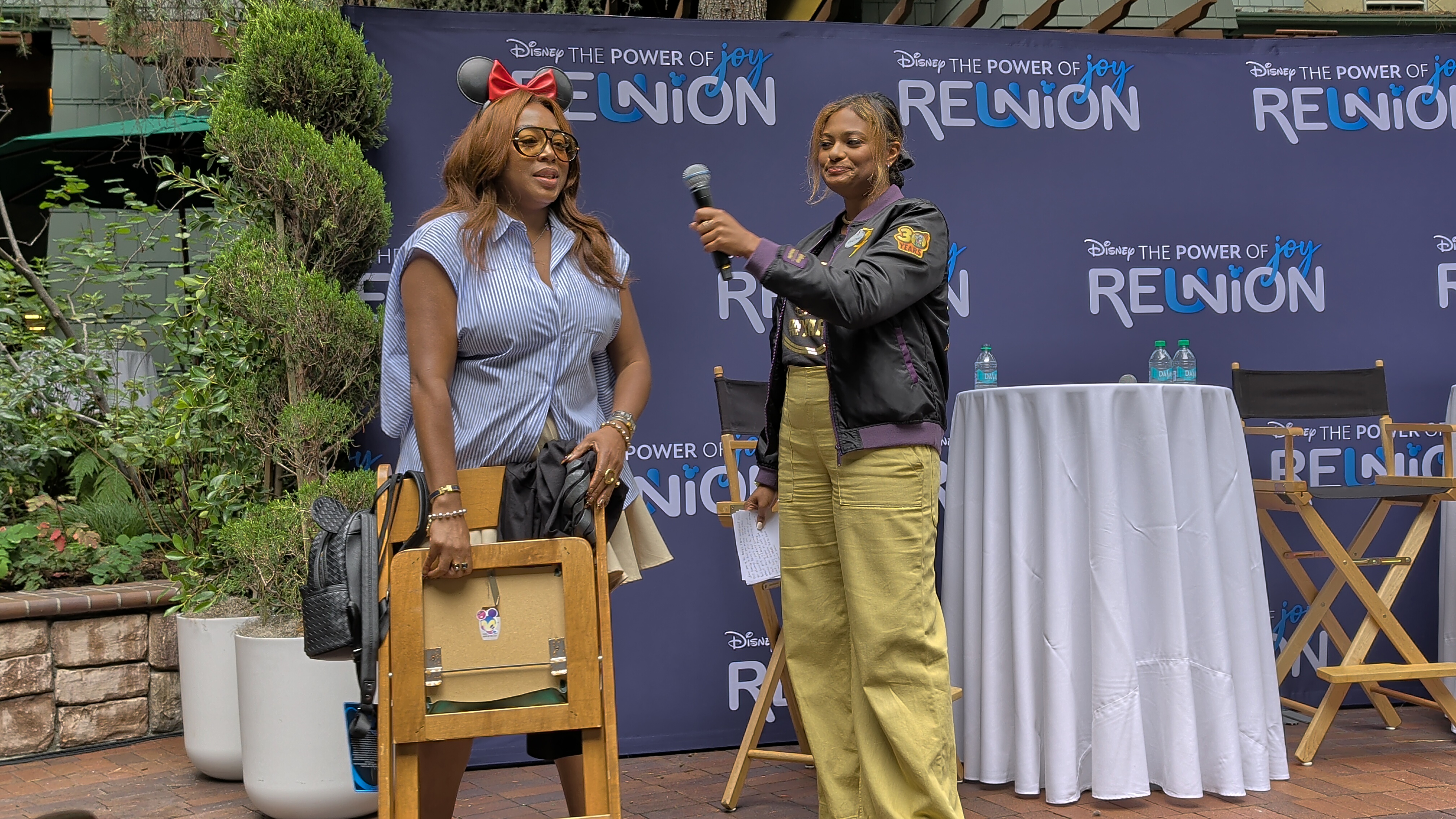
For creator Kalen Allen, the difference is what happens after the campaign ends. "I feel like the Disney team authentically supports us," he said. "It's not just the, 'What can you do for us?' It's very much like... 'How can I support?'"
That sense of community was echoed by creators Eddie Eskridge and Makeda Cyrus. Makeda said Disney's The Power of Joy "reconnected me to my love and joy of Disney as an adult," while Eddie said one of the most meaningful parts of the experience was simply being surrounded by other Black creators. "You do have support here with you in this journey," he said. "You don't have to feel alone."
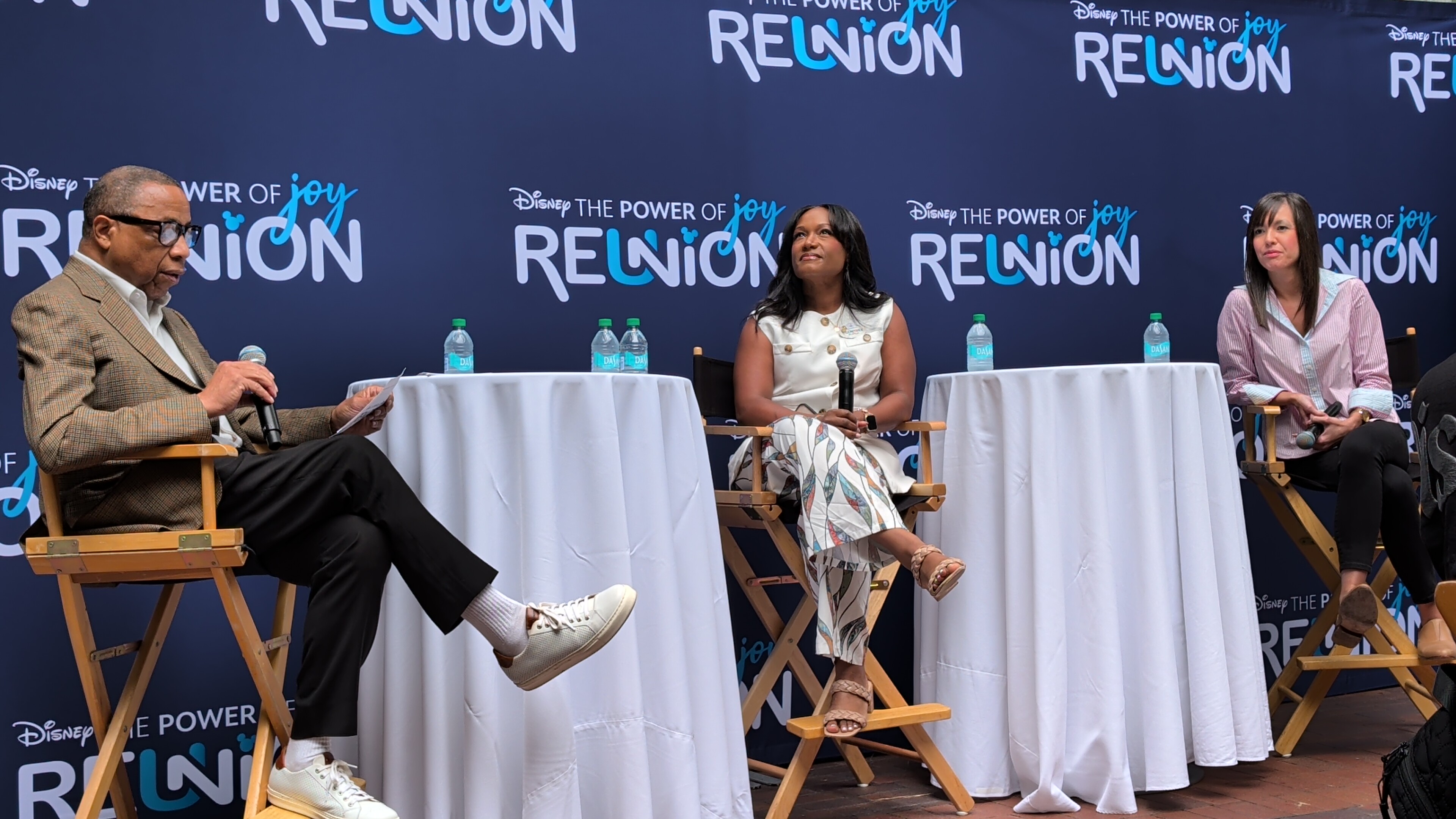
Taken together, those conversations reflected many of the same themes Disney executives discussed throughout the reunion. Disney talks about long-term relationships, authenticity, and community. The creators describe those same ideas through their own experiences.
Looking Ahead
Although Disney's The Power of Joy has already grown into a community of more than 100 creators, Disney doesn't see the initiative as finished.
When I asked Anastasia Ali where she hopes to see The Power of Joy in the next five to ten years, she smiled before admitting she has "lofty ambitions." Rather than outlining specific plans, she said she's excited to continue building on the momentum the community has already created.
I also asked whether Disney sees this as a model that could expand to other communities.
"Yes, we are interested in that," Ali said. She explained that one of the biggest lessons from The Power of Joy is that "when you intentionally build a community around culture, that the community that it's seeking to represent and attract responds in kind, positively." She added that Disney believes many of those lessons can be applied to other communities while still respecting each group's unique cultural nuances and interests.
For Ali, however, one of the program's greatest successes has nothing to do with marketing. She said the most rewarding part has been watching creators form lasting friendships, support one another, and share knowledge about navigating the entertainment industry. "After a two-day experience, you're kind of bonded for life," she said.
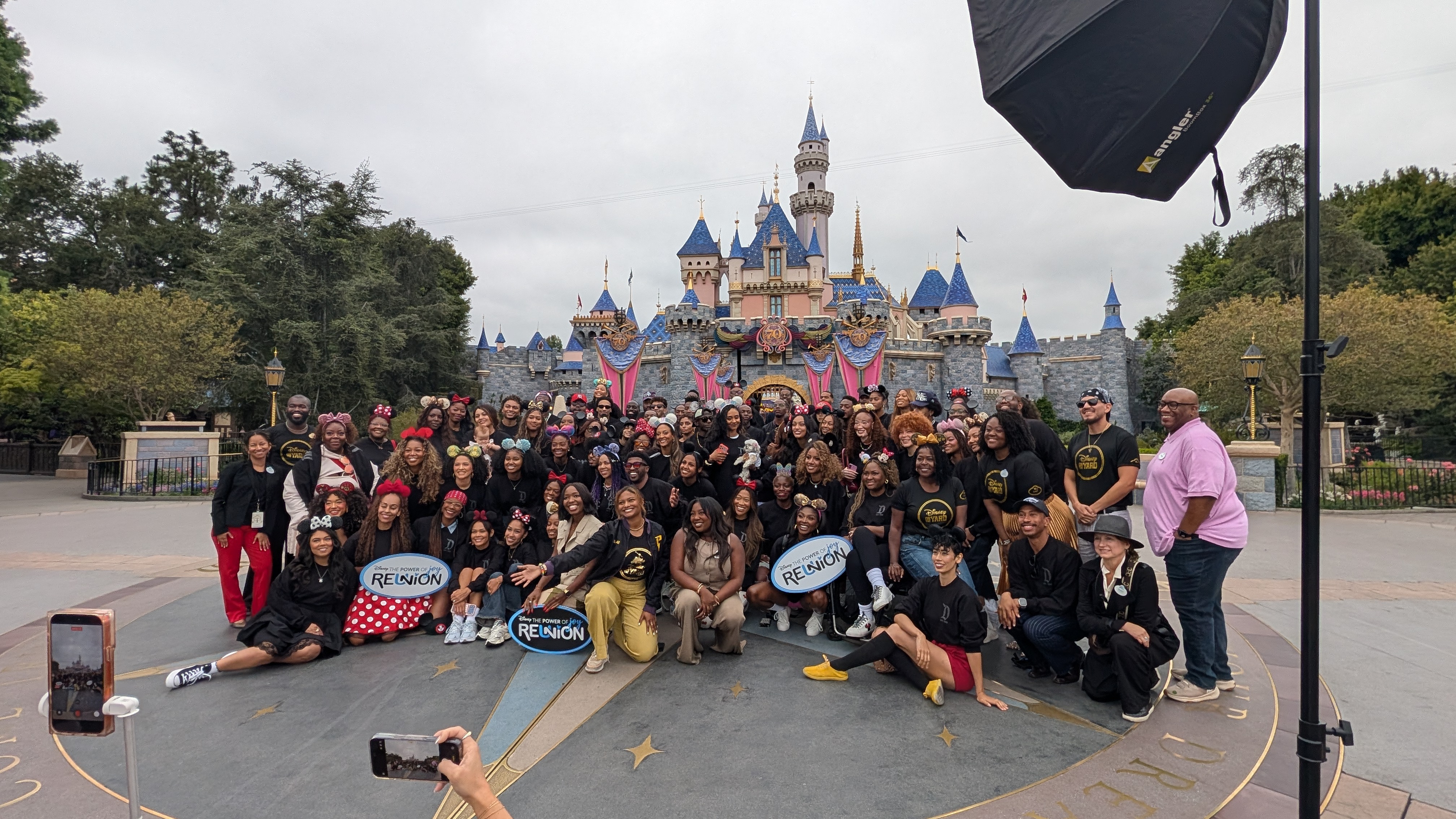
Most Disney fans will probably never attend a The Power of Joy reunion. They may never encounter the initiative directly. But they'll almost certainly experience its impact through the stories these creators tell and the audiences they reach. Whether Disney's approach becomes a model for the future remains to be seen, but understanding Disney's The Power of Joy offers a rare look inside a part of the company that most guests never see.