
SIGGRAPH 2026 Shines A Light on How Pixar Took Their New Movie Back to the 80s and More Technical and Fun "Toy Story 5" Trivia


Pixar Animation Studios has a long-standing history with SIGGRAPH, especially considering the conference celebrates computer artistry and graphic techniques - something that the iconic studio helped pioneer.
As such, it comes as no surprise that the 2026 iteration of the annual conference featured a special Production Session that took a deep dive into their latest film, Toy Story 5.
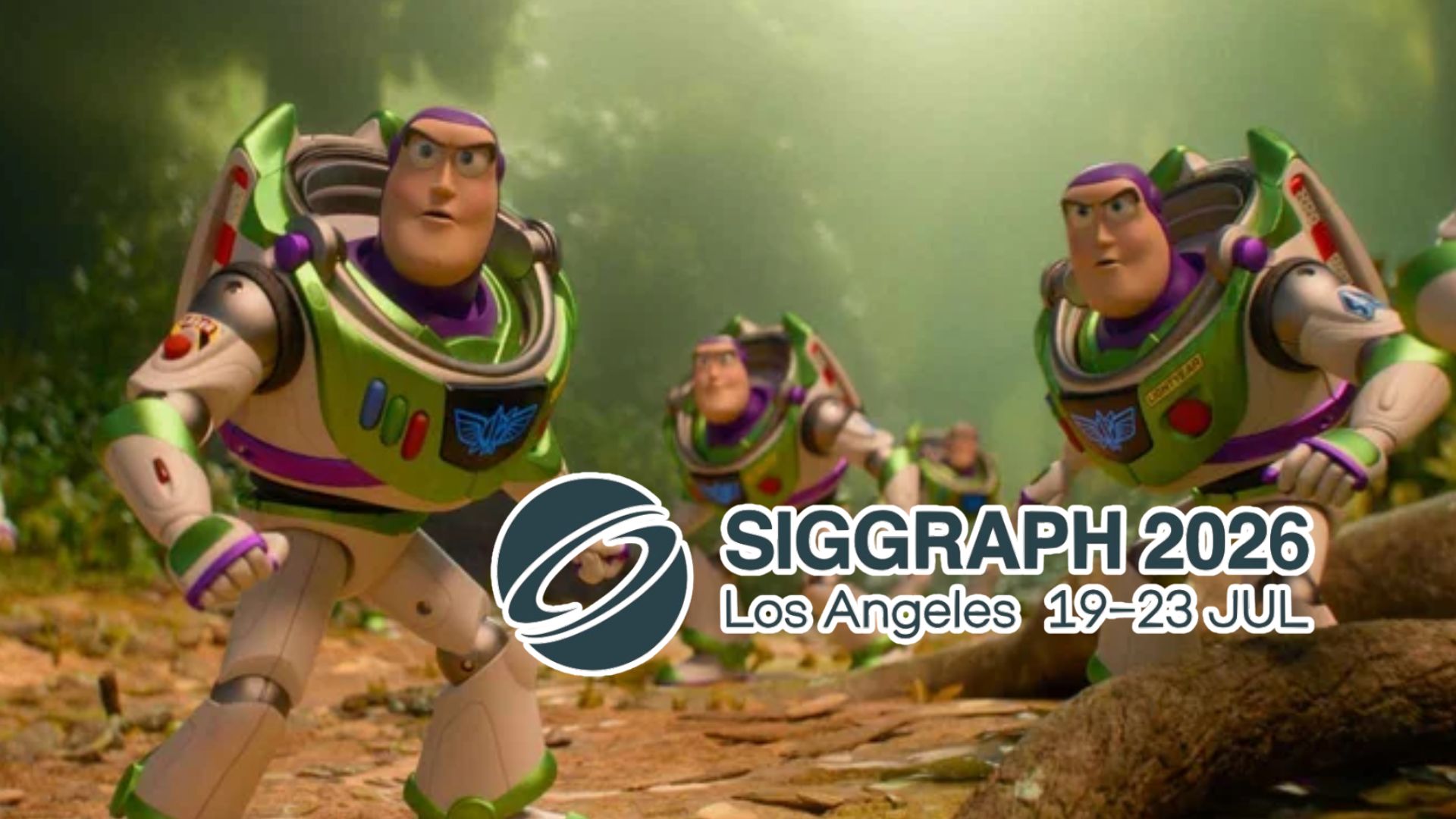
These sessions are largely technical, showing off new techniques, innovations and achievements in the films that are being discussed. With this being the fifth entry, and building upon an amazing technical legacy that the film has, there was a lot of fun to be shared - but the team also branched out and shared a bit of more trivial fun from the film as well.
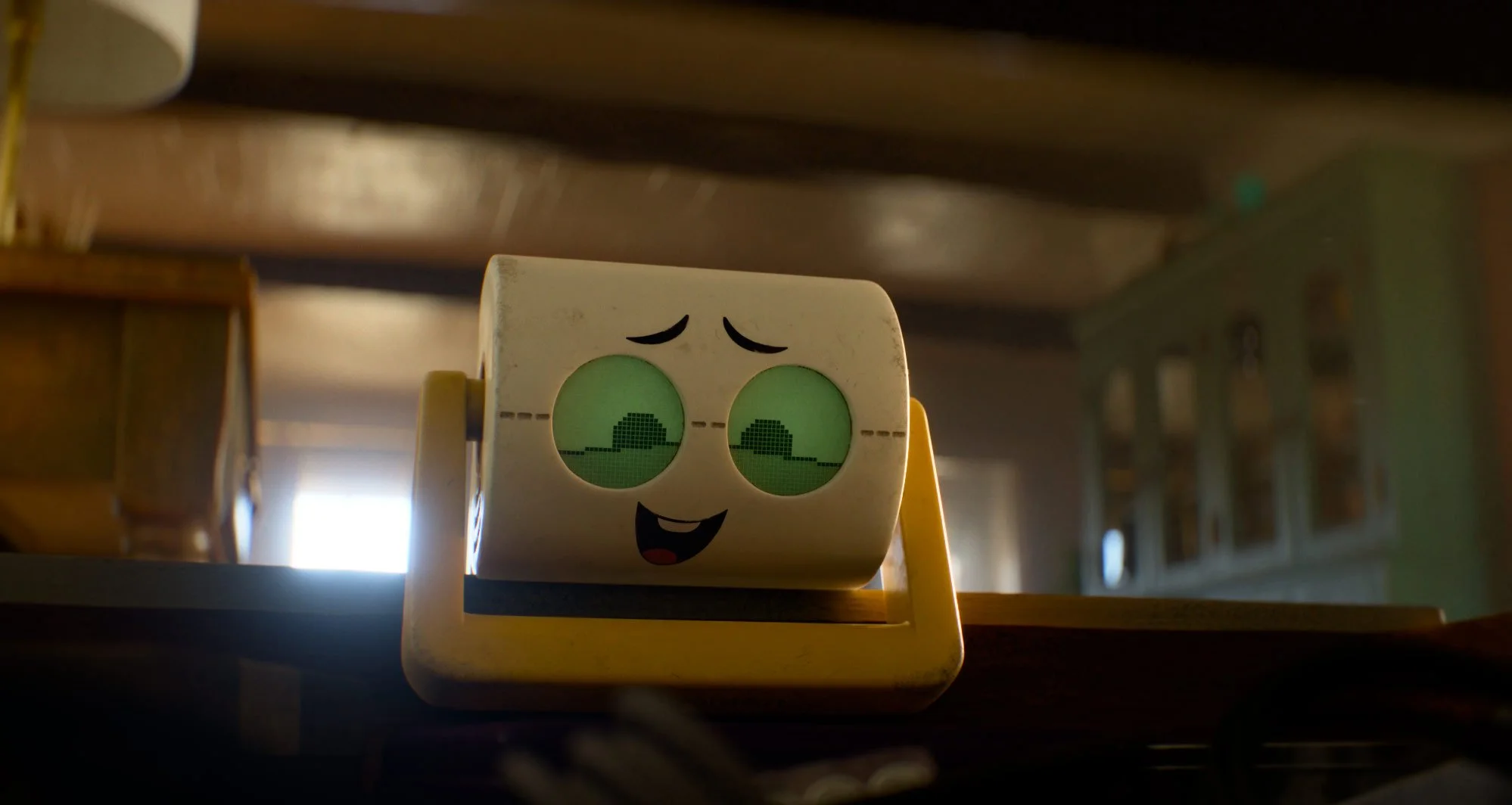
One of the fun things that was revealed during the session - the return of something that Pixar made monumental efforts in getting rid of - Jaggies.
Back in the day, Jaggies were a big problem in the world of computer graphics and animation. Also referred to as “the staircase effect”, Jaggies appear as rigid, jagged lines on curved or diagonal edges. They happen because computer monitors use a rigid grid of square pixels to approximate continuous mathematical lines - a phenomenon known in the world of computer graphics as “Aliasing.”
But here’s the thing. In the early days of the studio, Bill Reeves - one of the most influential graphics pioneers in the studio’s history who helped invent many of the technologies that made modern CG animation possible - had developed systems to help eliminate this very phenomenon.
Instead of relying on traditional, structured grids, they introduced random, jittered sample points to calculate pixel colors, turning distracting jagged artifacts into less objectionable visual noise.
The push for antialiasing and motion blur at Pixar was a studio-wide crusade. Ultimately, this suite of antialiasing tools provided the foundation for Pixar’s foundational software, RenderMan.
After all that work, decades later, the team at Pixar was tasked with bringing back something that was so hard to eliminate in the first place. Why? Because to stay true to early tech toys featured in Toy Story 5, they had to bring back low res LED style graphics (a la an early gaming screen) to bring one of the new characters to life.
Smarty Pants (voiced by Conan O’Brien) has low-resolution geometry in his yes, to make it it more believable, those Jaggies have returned. So now, after eliminated the graphic phenomenon back in the 80s, it is now back with a purpose in 2026.
While the studio may have gone back to the 80s to undo what they did back then, they are still making advancements to this day - notably in the field of hair. While some might think the studio reached the pinnacle of hair tech in Brave, the studio developed a new hair solver. In Brave, the production team used a system called “Taz” for their hair simulation, and now in 2026, the studio has developed FiztStrands - with the goal to completely unlock the curly, well, locks, of Blaze in Toy Story 5.
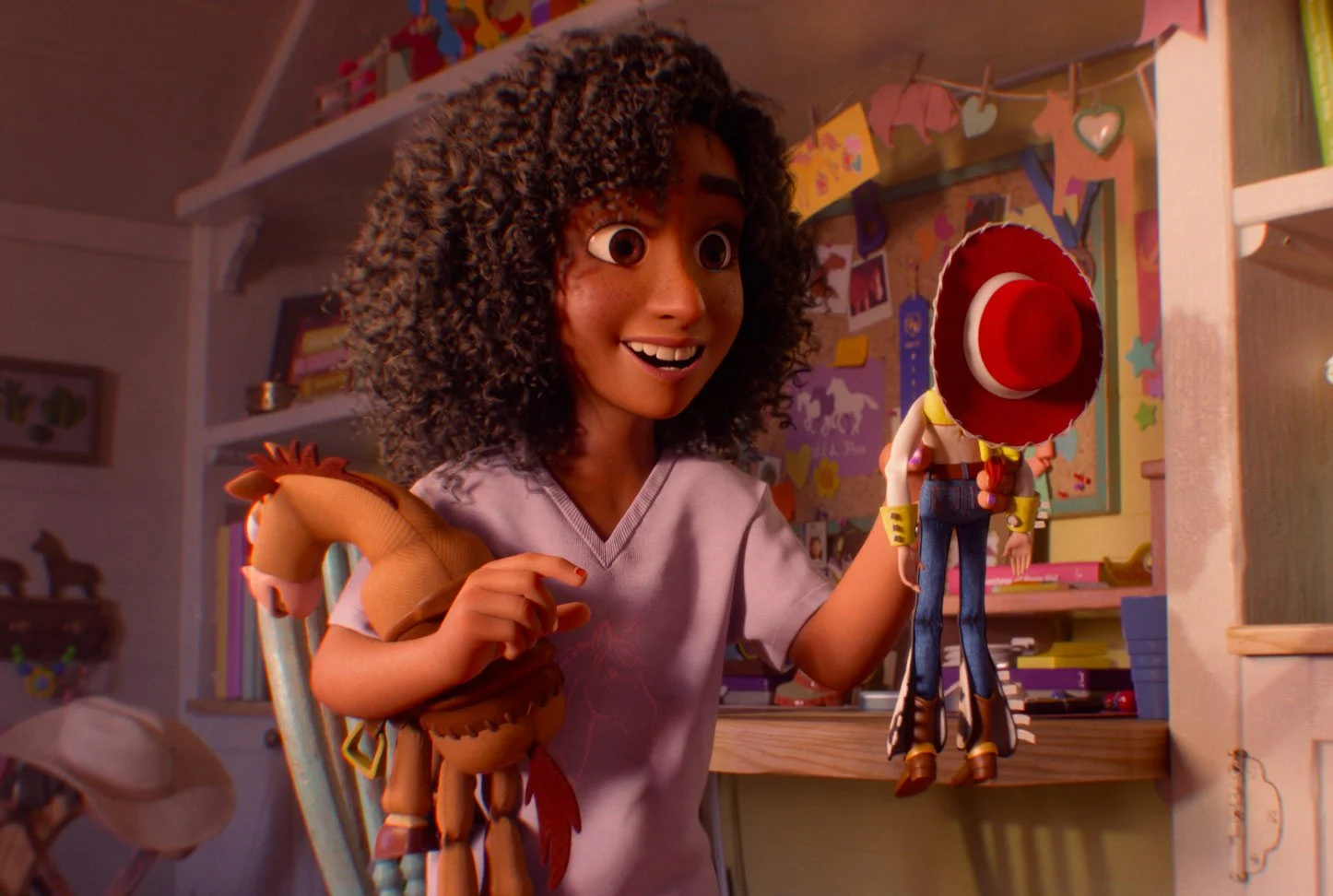
The new system was even capable of connecting both the hair sims and the cloth simulations in one split second moment when Blaze is seen removing her bonnet. Great effort (and cost) was put into creating the system, and the new tech was promised to only be used on the one character - Blaze.
Alas, the epilogue scene of the film (that moment when we see the army of Buzzes land at the school) ultimately featured the system used on every kid in the sequence. The advances help push the doors open on future films from the studio to represent anyone with care.
The session also featured a great debate over what might have been the most expensive single shot in the movie.
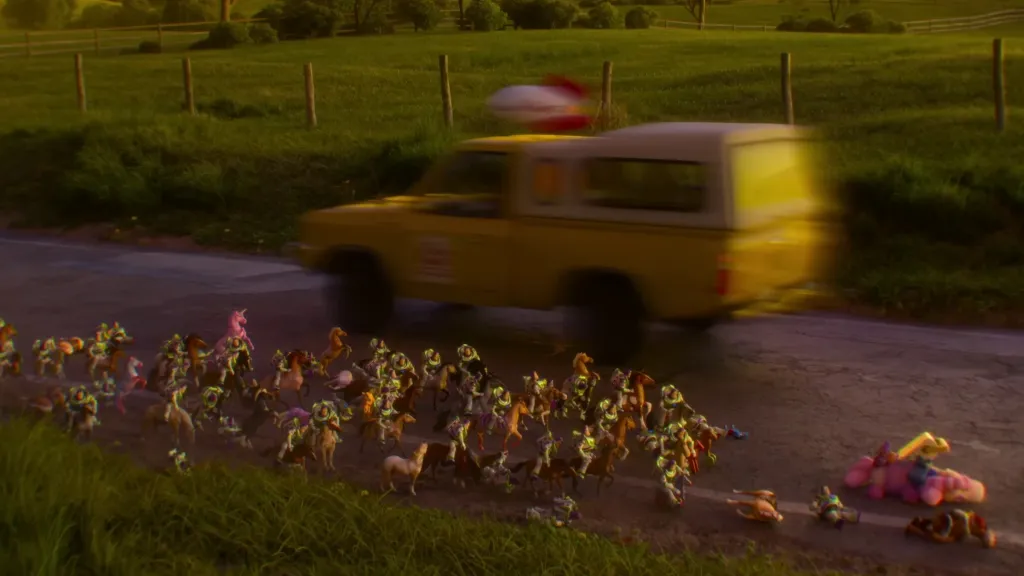
Crowds Technical Director Paul Kanyuk threw his entry out to the crowd, explaining the various methods that were used to bring an army of 50 Buzz Lightyears to life, largely using USDSkel, part of the studio’s open source USD software. As Kanyuk explains, there was one moment though where individual animation of 50 Buzz Lightyears, along with a herd of horse toys as a posse, was called for by the film’s directors. That moment? When the toys have to shift into toy mode as the Pizza Planet truck drives by them on the road. Each individual Buzz and Horse pair was animated with unique motions and riding styles - 110 characters in total. This technique also used the Presto Crowd Foundation system that was demonstrated at SIGGRAPH several years ago.
Mariana Galindo, Tailoring and Simulation supervisor, suggested a whole other scene as the most expensive single moment in the film. At one point during the film, the army of Buzz Lightyears each come out of a garden in their own unique way.
While the dropping shot is fun and all with all the unique animations, the garden also introduced a large number of simulations - especially with all the moving plant life, whether it be because of the Buzzes moving through it, or because they had the plants on their translucent helmets. This also played with lighting, and added those challenges and variables into the sequence as well.
Kanyuk relented and agreed that the scene may have been more expensive than his nomination.
Throughout the session, there were a number of fun facts shared about the film. One of those was the design of Jimmy Dean - Blaze’s pet pig.
Fans of the Toy Story franchise may recall that there is already a prominent pig in the series - though he is a piggy bank and not a real pig - Hamm. As such, the team felt as though they couldn’t tap a standard pink pig as Blaze’s faithful friend, and opted for the black, white, and brown fur of a Berkshire Pig - with a heart hidden on his side.
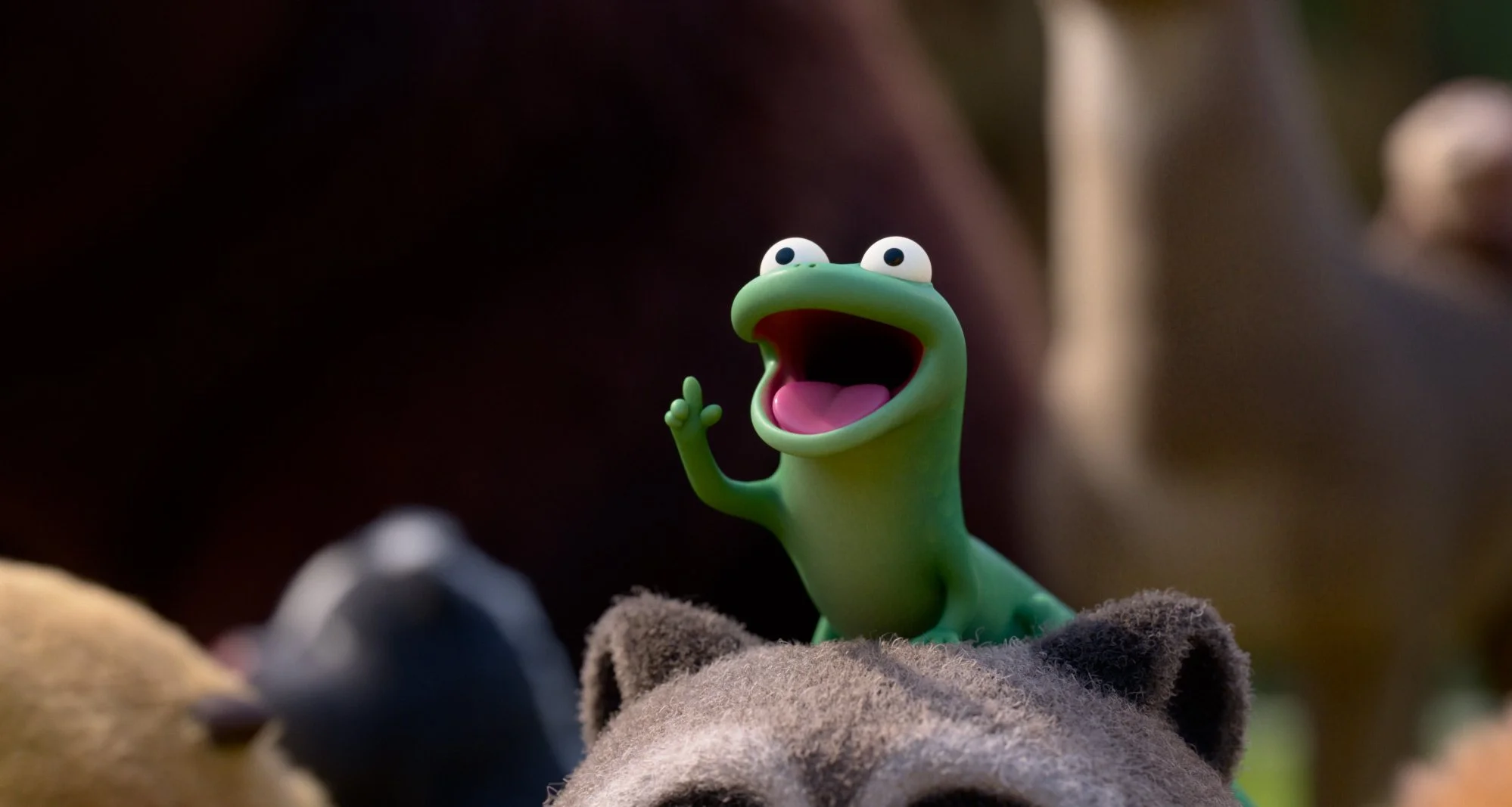
Another animal in the film? Sammy the Salamander - though the toys will be quick to point out, this is Sammy #2. Didn’t we just see a prominent lizard character in a Pixar film? Yes we did, in the form of Tom Lizard in Hoppers.
According to the team, this is the same model and rig as Tom Lizard, with different colors and eyes to help him blend into to the world of Toy Story, and out of the very unique aesthetic that Hoppers has.
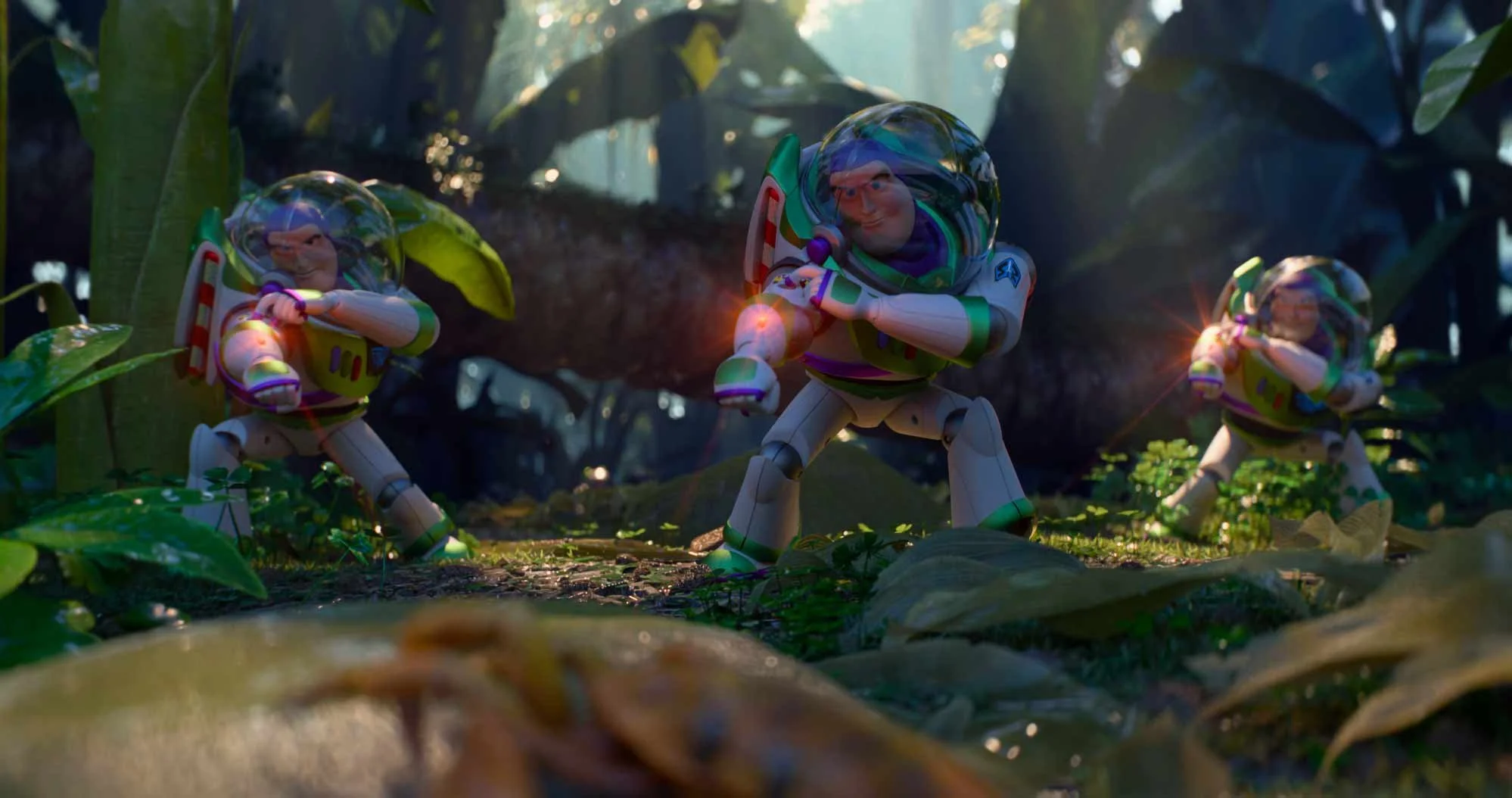
Fans may remember an homage to the Walt Disney Animation Studios classic, Bambi, in the film. To help perfect the wooded environment showcased in the film, real life Buzz Lightyear toys were taken into wooded areas in Berkeley, California (not too far from Pixar’s Emeryville campus). Plenty of photos were taken, and a rough woodland set was built virtually based on that reference material.
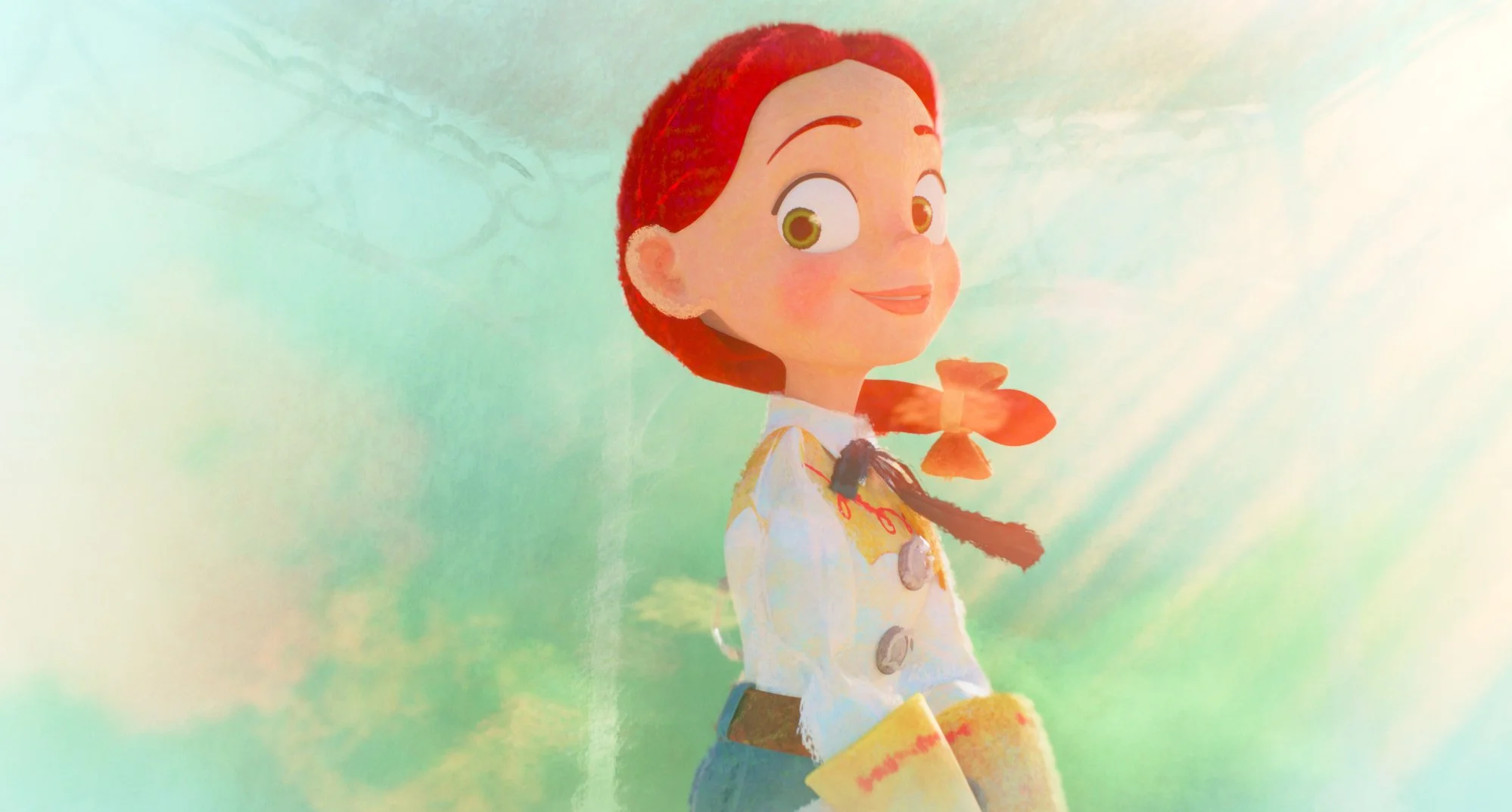
The biggest tease in the movie though comes from Bonnie’s Imagination. We’ve previously seen Andy’s play style in Toy Story through Toy Story 3, and it kept grounded in the same style as the movie - just blown completely over the top as Andy would play with his toys. Devotees may recall a nuclear-style explosion with a shockwave of monkeys from the barrel among other things. Well, Bonnie’s imaginative play style takes on its own look in Toy Story 5, as does Blaze. Both are similar but different in their own ways to show they they are likely to be friends, but there’s more to these sequences. Along with the casual looking pastels and brush strokes, there are hand-drawn line renderings that almost trace the characters, and environments. This animated line work and multiple layer idea is an idea that is shared with an upcoming film from the studio, Gatto, which - per early announcements for the film - will be like a living Italian painting.
You can see all of the tech and toy fun in Toy Story 5, which is still playing in theaters now.