
Disney Consumer Products on Fandom, Gaming, and the Future of Cultural Relevance at SXSW


"Long after the details fade, those feelings are still with you," said Tasia Filippatos, President of Disney Consumer Products, opening her featured session at SXSW in Austin, Texas. "Disney is personal." That idea — that Disney stories don't just entertain but become part of people's lives — framed everything that followed in "Shaping Brand Relevance for a New Generation," a wide-ranging conversation about how Disney Consumer Products (DCP) stays meaningful across generations. Filippatos was joined onstage by Ron Faris (SVP of Global Marketing), Sean Shoptaw (EVP of Games & Digital Entertainment), Marcus Rosie (SVP of Global Creative), and Bobby Kim (VP, Global Creative Director).
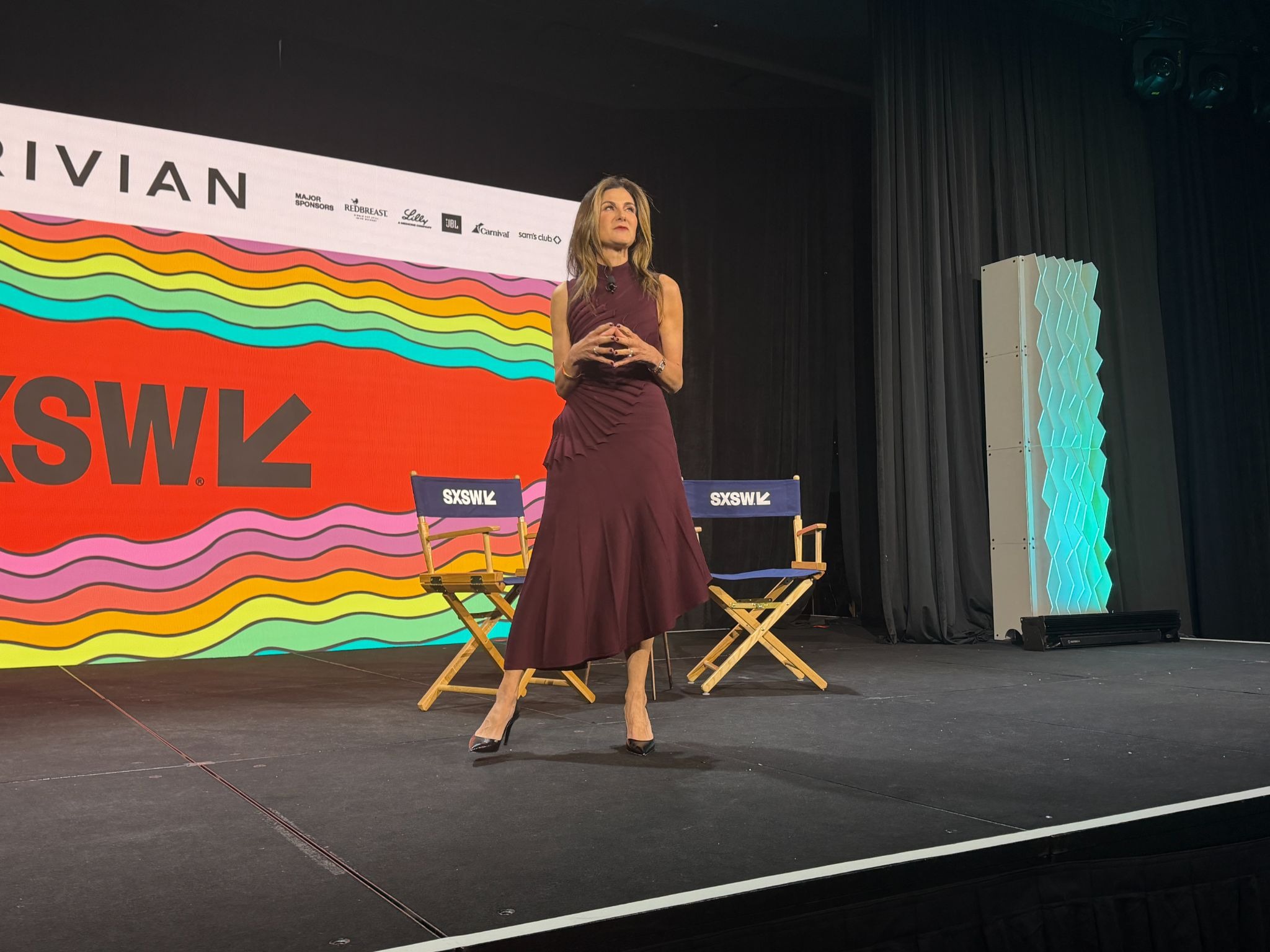
Filippatos opened by grounding the session in the scale of what DCP actually represents. The division anchors a $62 billion global retail ecosystem, spanning more than 100 product categories across 180 countries — from mass retailers to luxury brands, from games to publishing. Its purpose, she said, is simple: "creating happiness every day."
But size doesn't guarantee relevance. Filippatos was direct about the challenge: "Relying on legacy alone isn't a strategy for the future." The question driving DCP's work is how Disney remains meaningful not just to the fans who grew up with it, but to every generation that follows.
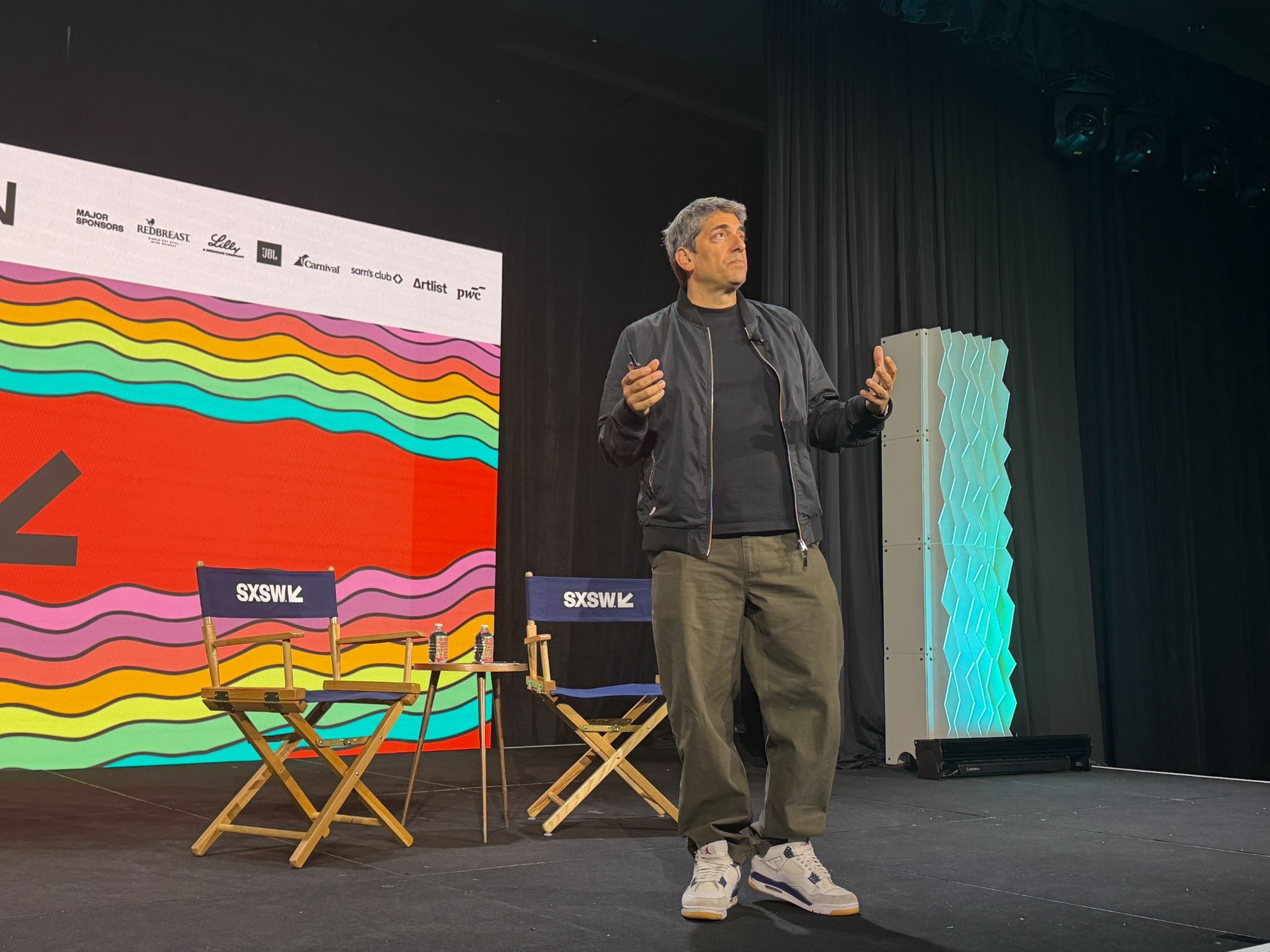
Ron Faris took the stage to unpack how fandom actually works — and why younger audiences require a fundamentally different approach. His focus was on older Gen Alpha and younger Gen Z, roughly ages 14 to 24, whom he described as the generation that shapes and scales cultural trends.
What makes this cohort distinct, Faris argued, is that their earliest commercial experiences weren't grocery store aisles or Amazon — they were Fortnite and Roblox item shops, encountered around age nine. "These are not shoppers," he said. "They're hunters." They seek urgency, exclusivity, scarcity, and the thrill of discovery — tendencies that help explain why trading cards and vintage thrifting have emerged as two of the biggest youth trends today.
Faris described DCP's playbook as built on three ingredients: story, product, and experience — with story as the non-negotiable foundation. The goal is to remix stories in ways that bring in new audiences without alienating existing fans. He compared Peter Parker to Miles Morales as an example of how a character can be reimagined around a different set of values — identity and self-expression rather than responsibility — while remaining authentic to the source.
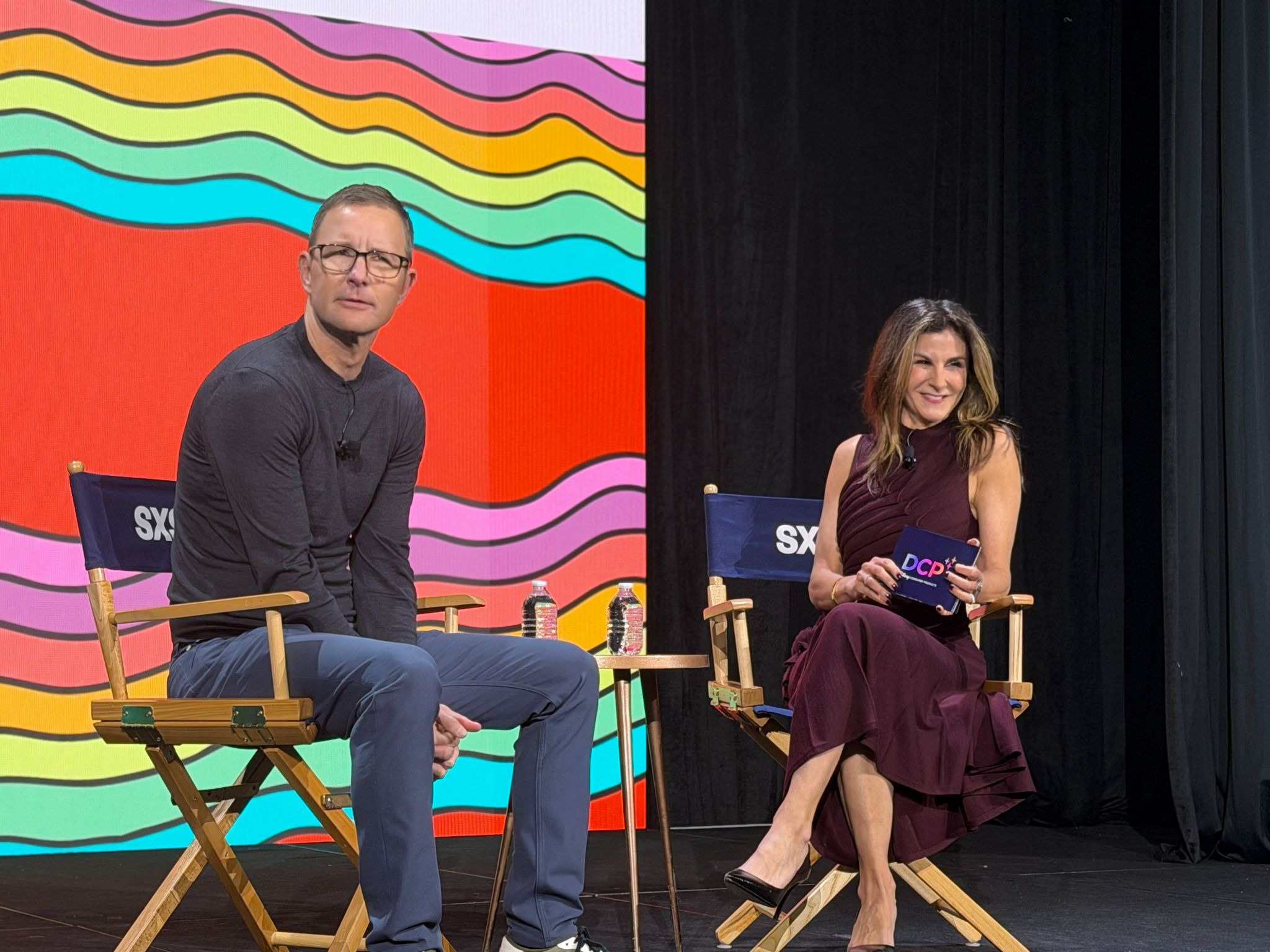
Sean Shoptaw joined to discuss how gaming has become one of the most powerful gateways into Disney storytelling. Nine Disney game franchises have each surpassed $1 billion in sales, and Disney mobile games have been installed more than 1.5 billion times — numbers that reflect a conscious shift the company made roughly eight years ago.
"For a long time, we would do retellings of films that really served more of a marketing purpose," Shoptaw said. The pivot was toward games, with original storytelling built specifically for the medium and developed alongside top game studios whose creative ambitions matched those on the film and TV side.
Shoptaw also addressed DCP's partnership with Epic Games, which he described as the company's answer to the massive social platforms — Roblox and Fortnite chief among them — where audiences are now spending hours a day not just playing, but creating, watching, and connecting. One early illustration: a Simpsons season within Fortnite, written by the show's actual writers, paired with linear content on Disney+ and YouTube. "Cross-format storytelling is something we think is very interesting," Shoptaw said, "and we're incredibly well positioned to do it."
He also pointed to the physical-to-digital opportunity, imagining experiences that begin inside Disney's theme parks and carry through to a player's phone once they leave — creating continuity between what happens at the park and what happens in the game.
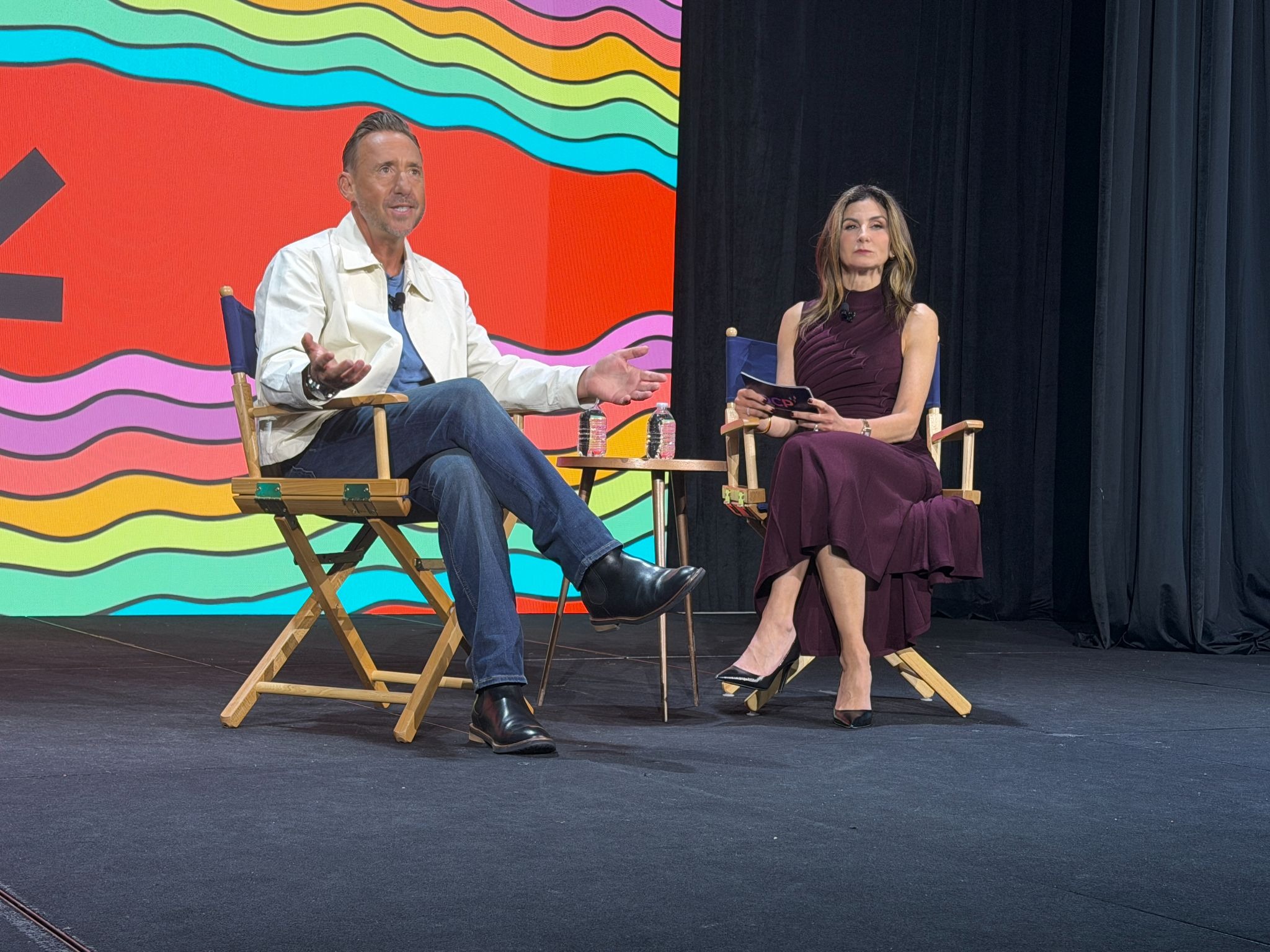
Marcus Rosie brought the conversation to what he called the foundation of DCP's creative process: not what something looks like, but what it makes people feel. "Before pencil touches paper, we all start with the feeling," he said.
He walked through several examples of how that principle plays out in practice. For a holiday takeover at Selfridges in London, the emotional destination was childlike wonder — realized through a kinetic light show that transformed the exterior of the Oxford Street store, featuring the Disney castle and drawing on distinctly British stories like Peter Pan and Alice in Wonderland. "When thousands of people stop and look up at the same time," Rosie said, "you know you've created something more than beauty. You've created a memory."
For The Lion King's 30th anniversary, DCP partnered with Balmain and made an intentional choice to shoot on location in South Africa with African crews and talent. "We didn't retell the story," Rosie said. "We reconnected with the roots of it." The resulting content felt, in his words, "instantly familiar" while genuinely new.
Rosie also touched on DCP's expanding work in fragrance — first a Disney Princess collection with Bath & Body Works, then a villain collection that leaned darker and bolder — and a Marvel x Oreo collaboration featuring 32 unique cookie designs, the most the brand has ever produced in a single series, complete with color-changing cream. "Fans weren't just buying the cookies," Rosie said. "They were hunting for designs."
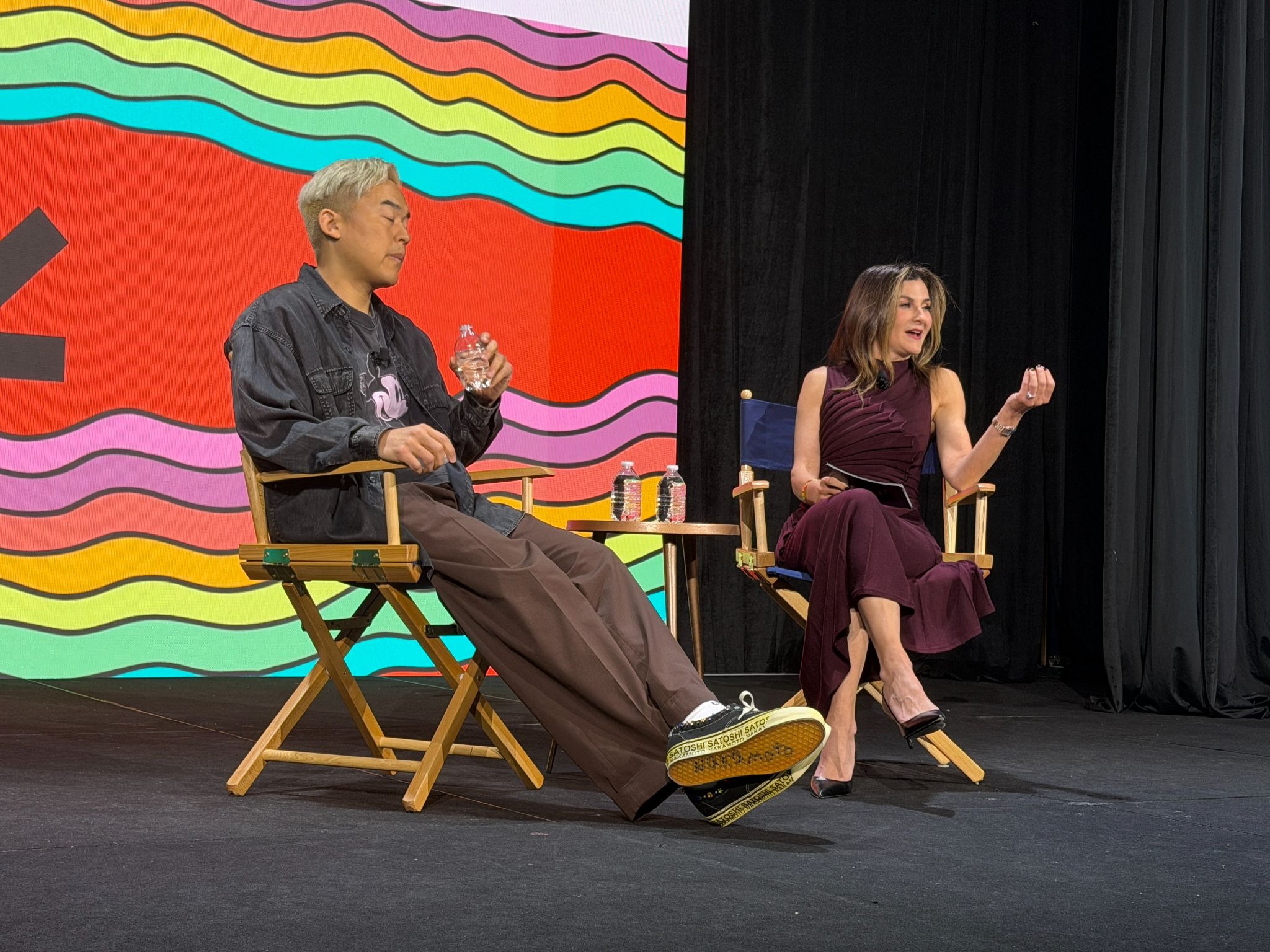
Bobby Kim, who spent 23 years building the streetwear brand The Hundreds before joining Disney, brought a practitioner's perspective on what makes a collaboration work — and what makes most of them fall flat. "When you collaborate with a partner, it says more about you than it does the partner," Kim said. The key, in his view, is looking deep into your own brand's DNA first, then finding partners who illuminate facets of that identity you wouldn't otherwise get to express.
He pointed to DCP's Formula 1 "Fuel the Magic" partnership as a case study. The collaboration launched at the Las Vegas Grand Prix and generated the highest engagement F1 has ever seen around a partnership announcement. What made it work, Kim said, wasn't just the scale of both brands — it was what Mickey Mouse uniquely brought to the paddock. "Mickey was the only one that could go from garage to garage taking photos with all the drivers smiling," he said. "He brought the entire sport and culture together."
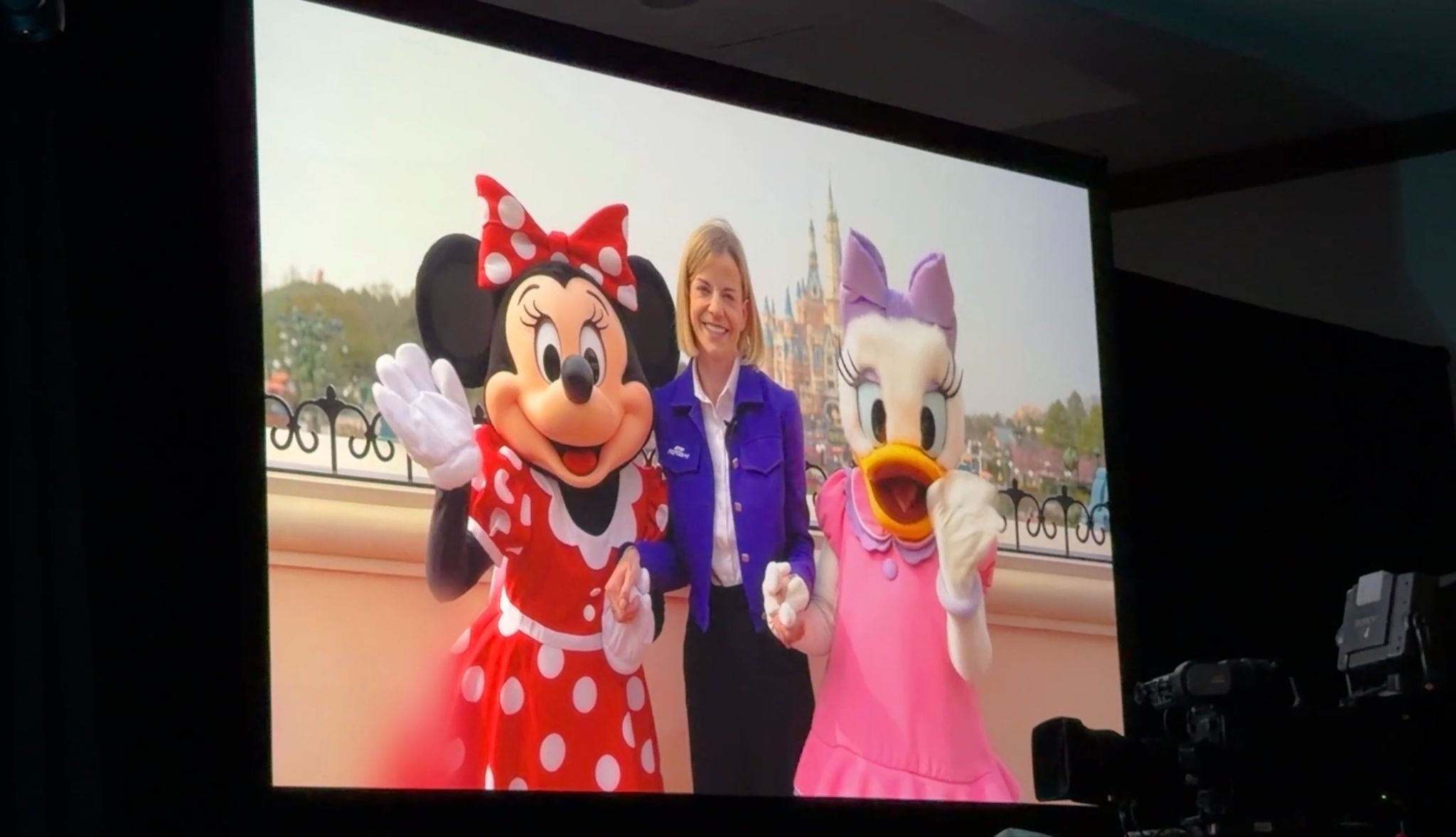
From the SXSW stage, Filippatos announced the expansion of "Fuel the Magic" to F1 Academy, the all-female racing series developed by Formula 1, spotlighting Minnie Mouse and Daisy Duck through merchandise, character experiences, and original content. F1 Academy Managing Director Susie Wolf appeared via video from Shanghai to share the news.
Kim also highlighted the Disney x Blackpink capsule with Complex — "K-pop, but make it punk rock," as he described the design approach — and the Coperni runway show staged at Disneyland Paris to close out Paris Fashion Week, which featured Kylie Jenner among its models.
Filippatos closed by returning to where she began: the idea that Disney's relationship with its fans is not transactional. "Every brand across every category can benefit from investing in emotion," she said. "Modern audiences aren't always looking for faster transactions. They're looking for experiences that move them."
The through line across every example — gaming, fragrance, fashion, Formula 1 — was the same: relevance is built through authenticity, creativity, and emotional connection. When those three things align, the result isn't just a product. It's a memory.
The SXSW "Shaping Brand Relevance for a New Generation" session took place on March 13th, 2026, in Austin, Texas.