
Disney’s Animal Kingdom Helped Restore a White Rhino’s Vision
A groundbreaking cataract surgery, years of preparation, and a custom-made recovery mask helped Kendi the white rhino see clearly again.


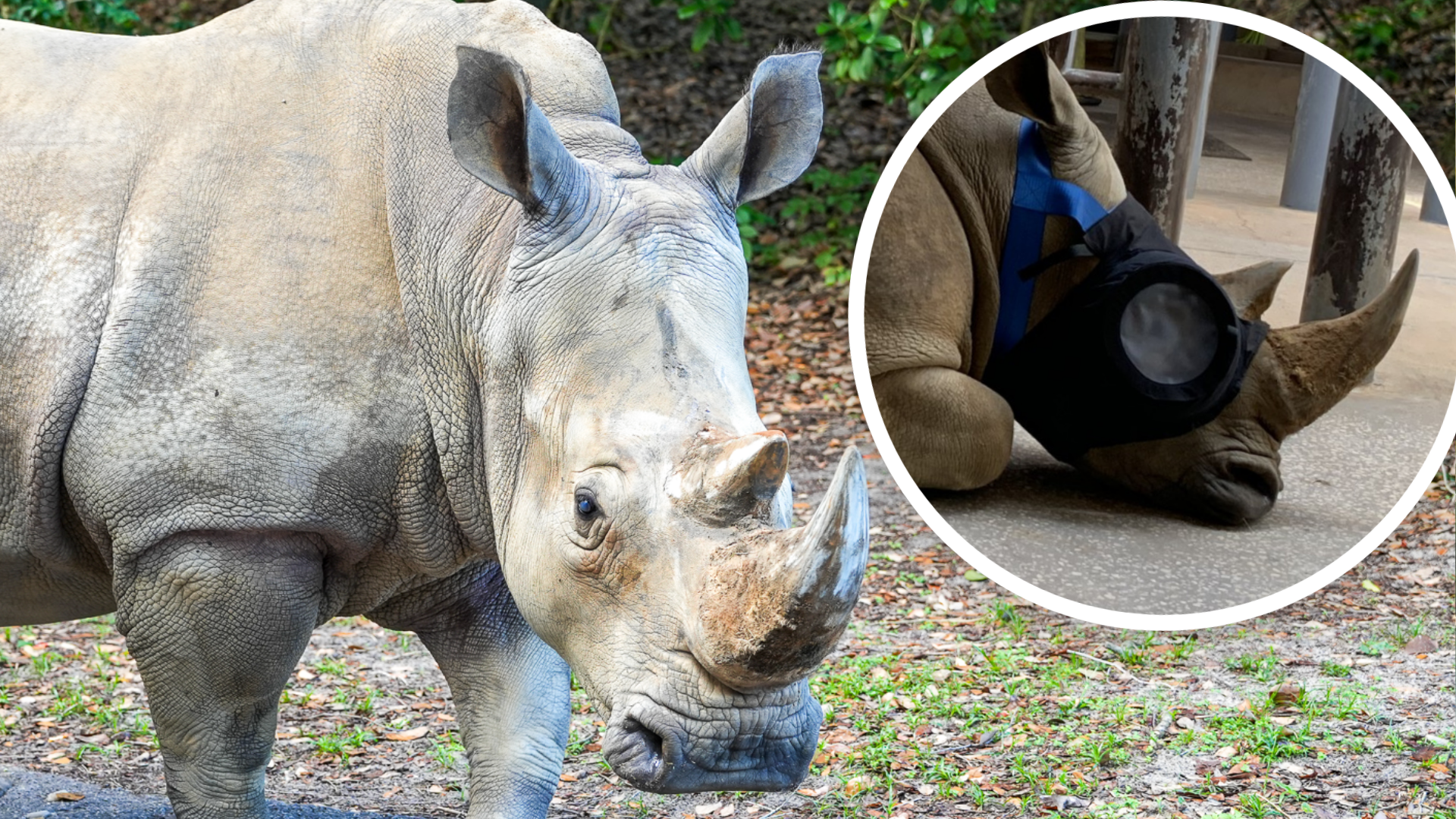
Kendi, a 27-year-old white rhino who has lived at Disney’s Animal Kingdom her entire life, is back on the savanna after successfully undergoing an exceptionally rare cataract surgery. The remarkable journey involved years of preparation, innovative veterinary techniques, a custom-designed recovery mask, and collaboration between Disney animal care experts, university specialists, and even Disney’s own costuming team.
What’s Happening:
- The story began when Kendi’s keepers and veterinarians noticed a subtle change in her right eye. A slight cloudiness had developed, something that may have gone unnoticed by others but immediately caught the attention of the Animal Care team that knows her best.
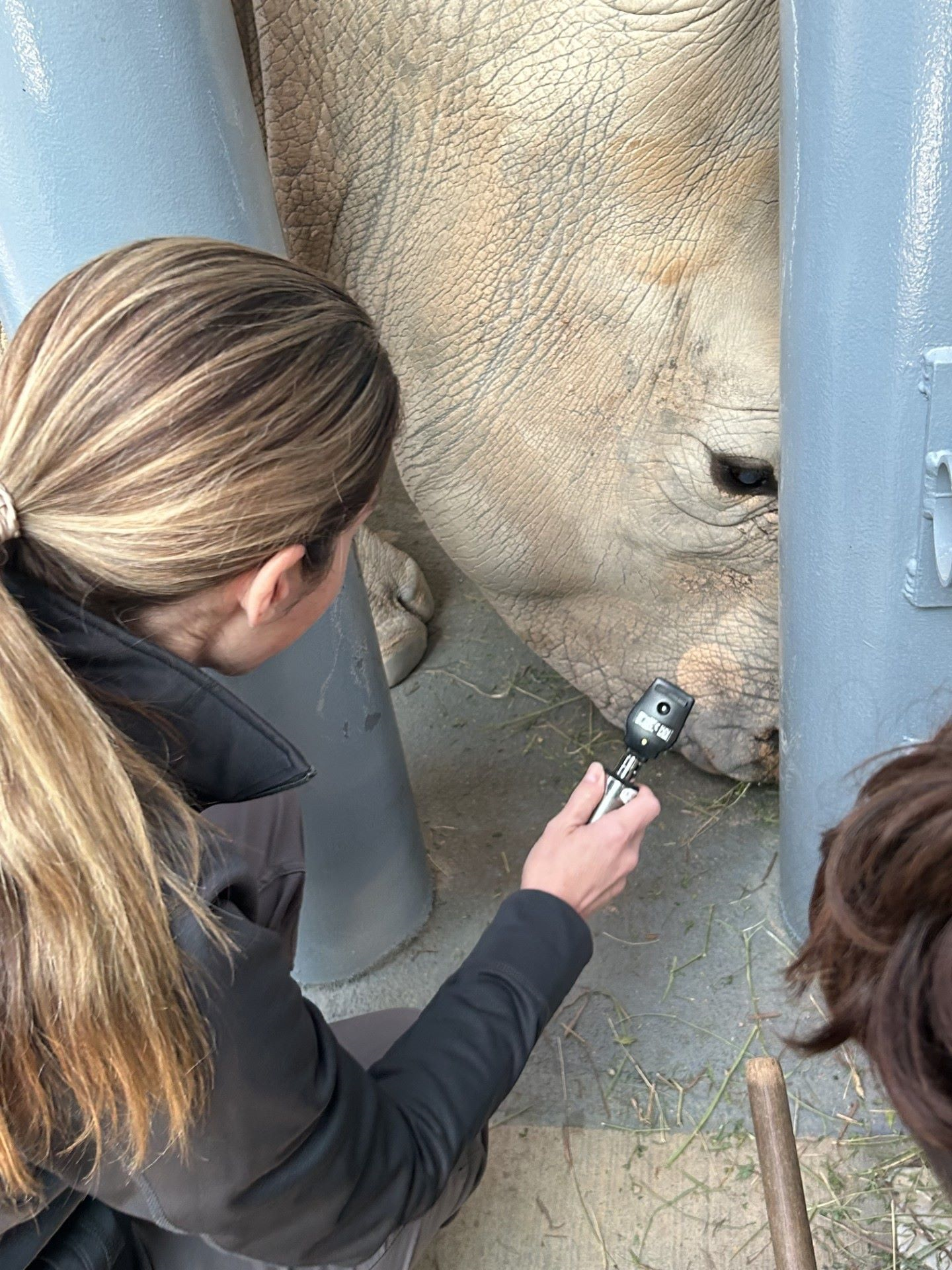
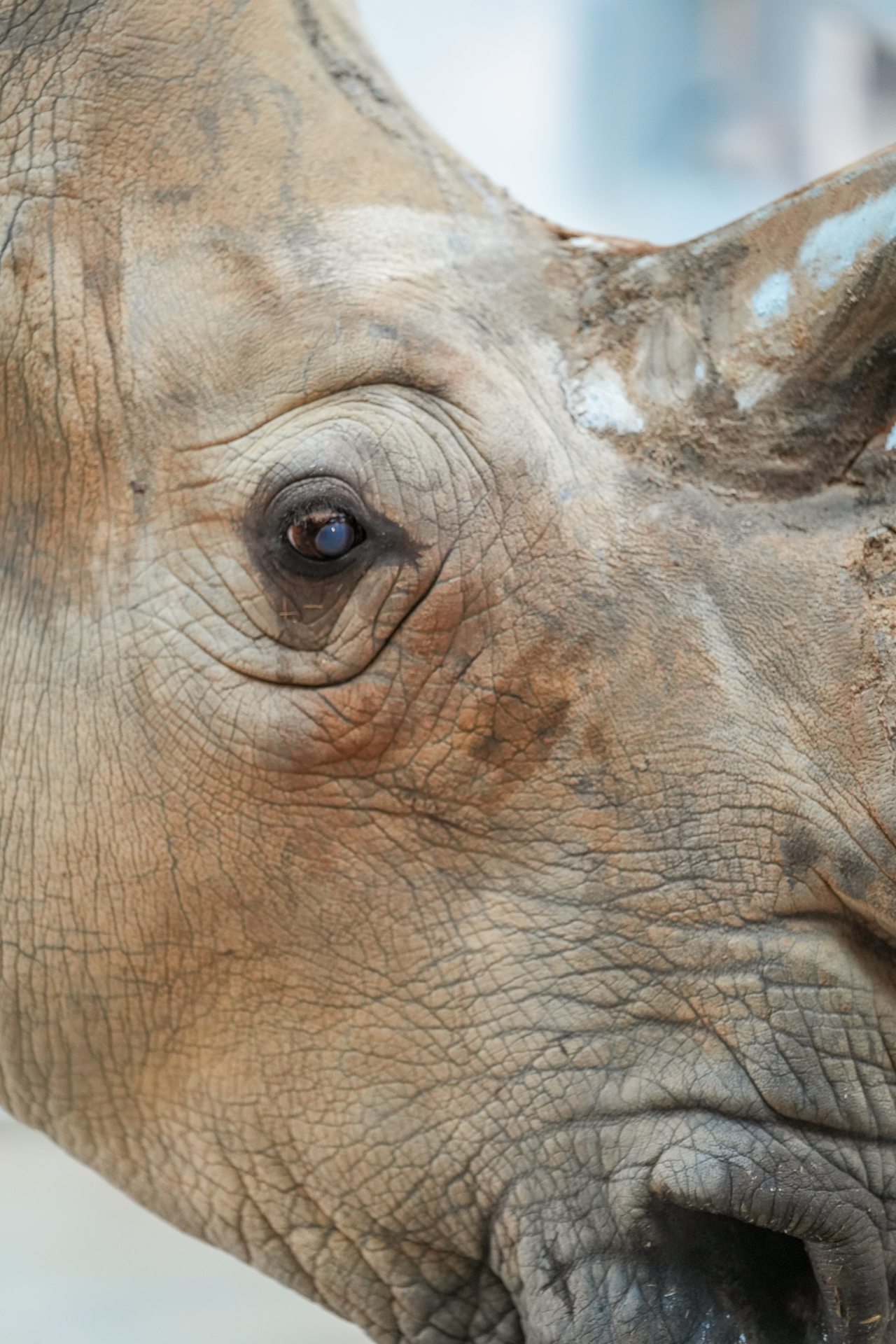
- For rhinos, vision is an important part of navigating their environment, alongside their highly developed senses of hearing and smell. Concerned that the cloudiness could affect Kendi’s quality of life, veterinarians conducted additional examinations and determined that she had developed cataracts, a condition that causes the lens of the eye to become cloudy and can eventually lead to blindness.
- While cataract surgery is one of the most common procedures performed in human medicine, performing the same operation on a white rhino is extraordinarily uncommon. The sheer size of the animal, combined with the complexities of anesthesia, surgical access, and post-operative care, presented a challenge unlike almost anything encountered in traditional veterinary medicine.
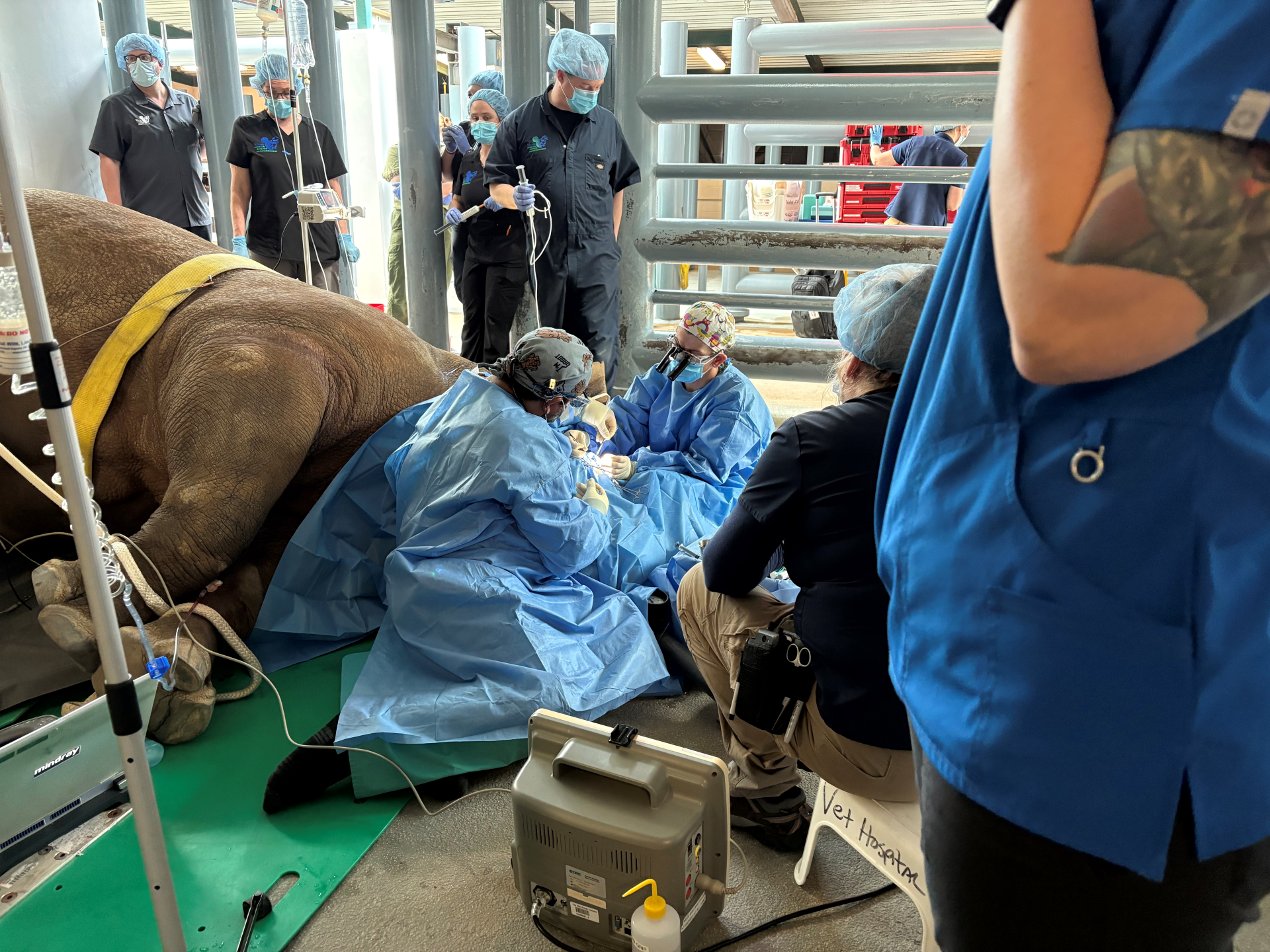
- According to Dr. Betsy, a veterinarian with Disney’s Animals, Science and Environment team, the procedure required years of preparation.
- “I’ve planned for this one procedure more than any other in my life,” Dr. Betsy explained. “It’s been one of the most rewarding moments of my career. The level of innovation pushed us to think differently and ultimately raised the bar for what’s possible in veterinary care.”
- Long before surgery day arrived, Kendi’s care team began preparing her for the treatment process. Through trust-based training and positive reinforcement, animal care specialists spent several years teaching Kendi to voluntarily receive eye drops, an essential step for both pre- and post-operative care.
- The training paid off. By the time the surgery was scheduled, Kendi was comfortable receiving eye medication up to four times each day, allowing veterinarians to provide the treatment she needed with minimal stress.
- To perform the surgery, Disney partnered with specialists from the University of Florida, one of the organization's longtime veterinary collaborators. Together, the teams developed a customized approach that adapted advanced ophthalmological techniques for use on one of the largest land mammals on Earth.
- Dr. Caryn Plummer, an ophthalmologist with the University of Florida who participated in the procedure, described the operation as both challenging and rewarding.
- “While cataract surgery is routine in humans, performing this type of procedure on an animal — especially one as large as a white rhino — presents extraordinary challenges,” said Plummer. “In Kendi’s case, the potential to restore her vision made every complexity worth navigating.”
- The surgery was ultimately successful, but the work was far from over.
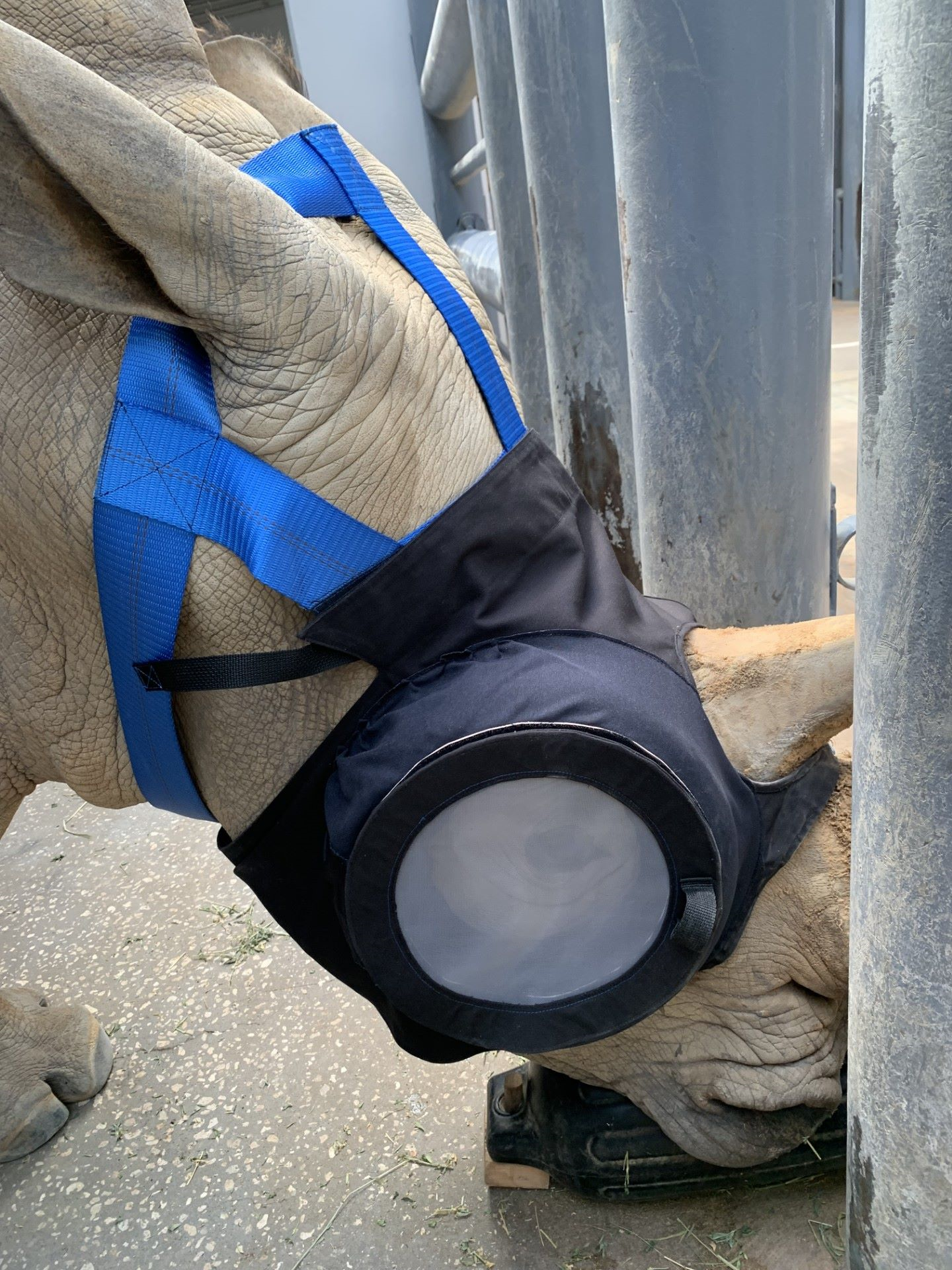
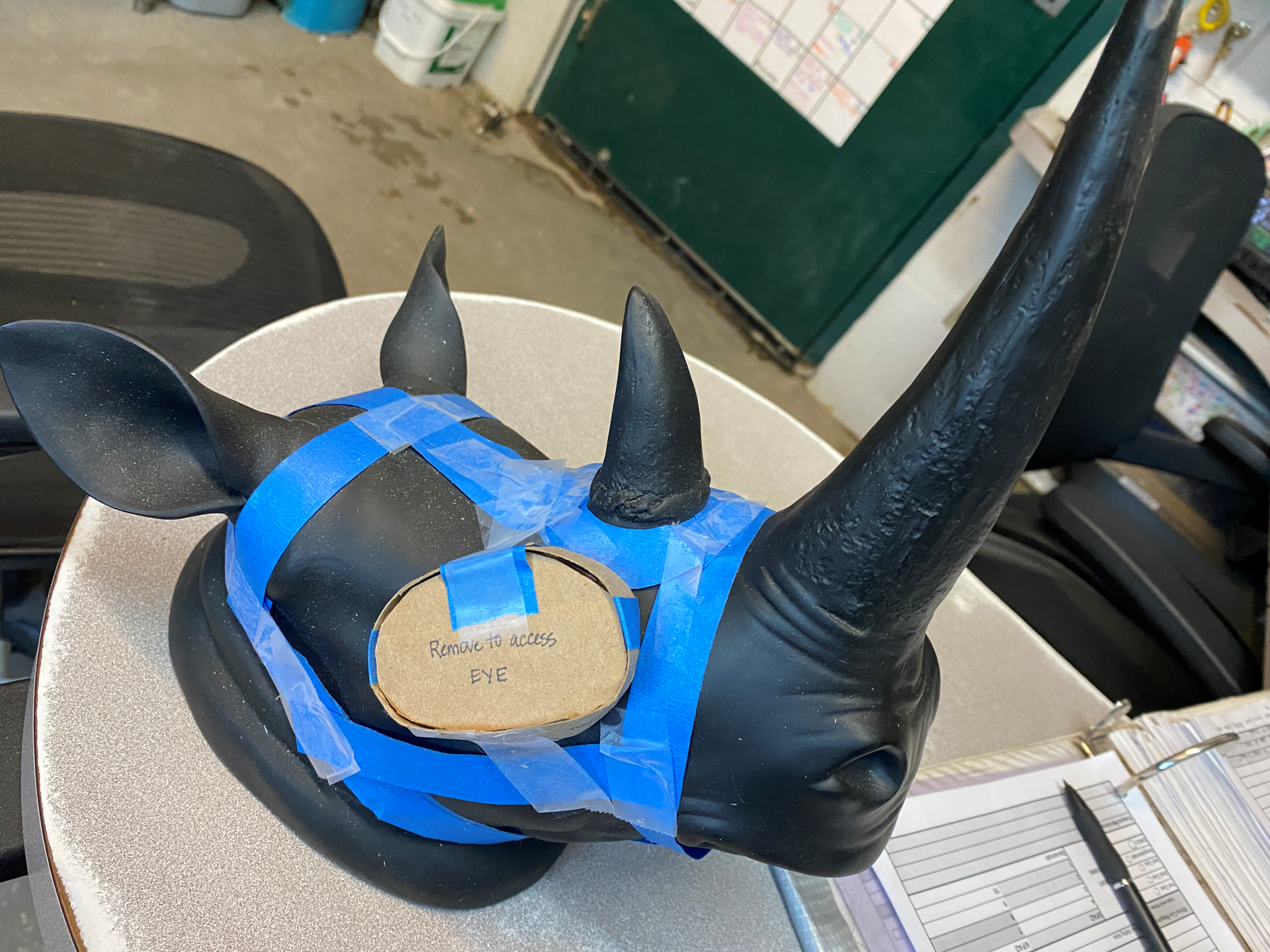
- Recovering from eye surgery required extensive aftercare and continuous monitoring. To protect Kendi’s healing eye while still allowing veterinarians access for medication and examinations, Disney turned to an unexpected group of experts: the company's costuming team.
- For nearly two years, costuming professionals collaborated with animal care specialists to design and create a completely custom protective eye mask tailored specifically to Kendi’s anatomy. The unique piece of equipment shielded her eye during recovery while accommodating the frequent treatments she required.
- “This was definitely outside the scope of what our team is usually asked to do,” said Tracy, a costuming manager involved in the project. “But nothing about this project was ordinary.”
- The custom mask became a perfect example of Disney’s cross-functional approach to animal care, where veterinarians, keepers, designers, engineers, and other specialists work together to solve complex challenges.
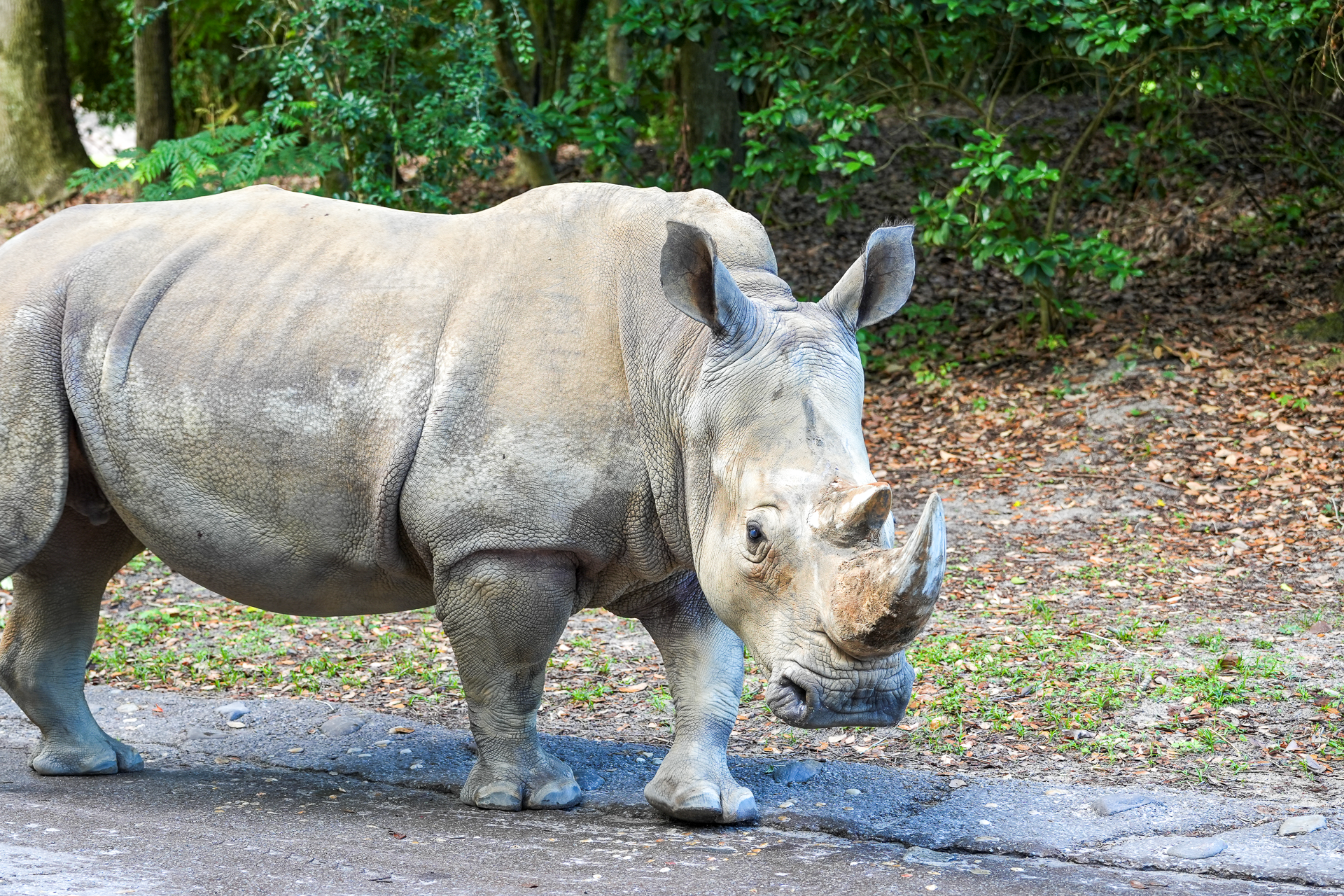
- Today, Kendi has returned to the savanna with improved vision and renewed confidence. Her successful recovery represents more than a medical achievement for a single animal. It also contributes to ongoing conservation and veterinary efforts that may benefit other rhinos in human care around the world.
- White rhinos are currently classified as near threatened in the wild, and every advancement in veterinary knowledge can play a role in supporting the long-term survival of the species. Disney and the University of Florida plan to share their findings and surgical techniques with the broader veterinary community, potentially helping other rhinos facing similar eye conditions in the future.
- For Disney guests, Kendi’s story serves as a powerful reminder that conservation often begins with caring for individual animals. What started as a subtle change noticed by attentive keepers ultimately became a groundbreaking medical success story that combined science, innovation, and compassion.
- As Kendi once again explores her home on the savanna with clearer vision, her journey stands as a testament to what can happen when dedicated teams come together to accomplish something truly extraordinary.
More Disney’s Animal Kingdom News:
- New Savanna-Inspired Sweets Debut at Disney's Animal Kingdom Lodge
- Cast Members Voted On New Name of Baby Masai Giraffe at Disney's Animal Kingdom
- Bluey’s Wild World at Disney’s Animal Kingdom Switching to Standby Queue
Laughing Place recommends MouseFanTravel.com for all your Walt Disney World travel planning
Fill out the form below for a free, no obligation quote from MouseFanTravel.com